

1 hr ago
India’s Flu Vaccine Gap Persists Despite Rising H1N1 Cases
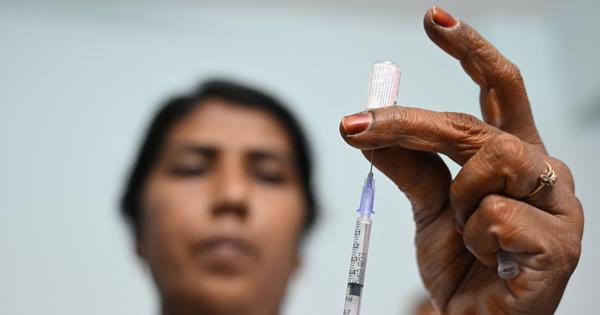
Flu vaccines help protect people from getting very sick with influenza.
Doctors say vaccinated people may not get sick or may have milder symptoms.
India is seeing more reported H1N1 cases in 2026, although the total number of flu cases may be similar to earlier years.
More testing and greater awareness may explain some of the increase.
Many Indians do not take the vaccine because they do not think it is necessary, and it costs about Rs 2,000.
The government does not currently provide it free to most adults or babies.
Some experts want free shots for older people and others at high risk.
Other public-health experts say there is not yet enough evidence to justify the expense.
The vaccine must be updated and taken every year because flu viruses change.

Doctors say vaccinated people generally avoid influenza or experience milder symptoms during the current surge.
H1N1 cases are higher in 2026 than last year, although overall flu case numbers are reportedly similar.
Only 1.5% of Indians aged 45 and older had ever received a flu vaccine in 2017-18 survey data.
The vaccine costs about Rs 2,000 and is not included in India’s free national immunisation schedule for adults or infants.
Medical associations recommend annual flu vaccination for vulnerable groups, while public-health experts say evidence for publicly funding it remains insufficient.
- Who
- Indian adults and children, doctors, medical associations, public-health experts, and government health authorities.
- What
- The article examines low influenza-vaccine uptake in India amid rising reported H1N1 cases and a debate over public funding.
- Where
- India, including Delhi, Mumbai, Bengaluru, Gurgaon, and other cities.
- When
- The current 2026 influenza surge; India typically has flu seasons from January to March and after the monsoon.
- Why
- Low uptake is linked to cost, limited public provision, low perceived necessity, and disagreement over whether evidence justifies adding the vaccine to government programs.
Expand access and vaccination
Wait for stronger public-funding evidence
Government-funded vaccination
Expand access and vaccination
Doctors and medical associations argue that free vaccination should at least cover vulnerable groups, including older adults, people with chronic diseases, pregnant women, and others at elevated risk.
Wait for stronger public-funding evidence
Public-health specialist Raj Shankar Ghosh says available evidence does not yet justify adding influenza vaccination to the government’s free adult program, citing its relatively low fatality rate and the cost of sustained annual funding.
How serious is the flu burden?
Expand access and vaccination
Doctors report severe symptoms, hospitalisations, complications involving existing conditions, and substantial illness-related costs; studies cited in the article found vaccination can reduce sickness-related leave and spending.
Wait for stronger public-funding evidence
Ghosh argues that current evidence on fatality and hospitalisation is insufficient, while doctors note that limited testing and the indirect role of influenza in some deaths make the true fatality rate difficult to assess.
Who should receive the vaccine?
Expand access and vaccination
The Association of Physicians of India and other medical groups recommend vaccination for at-risk people, while some specialists advocate offering it broadly to adults in polluted cities; paediatric guidance recommends it for young children.
Wait for stronger public-funding evidence
The current national immunisation approach prioritises infants, children, and pregnant women, and authorities have not included seasonal influenza vaccination for adults or infants in the publicly funded schedule.
Key facts
- Vaccine price
- Approximately Rs 2,000 per dose.
- Older-adult uptake
- 1.5% of adults aged 45 or older had ever taken the vaccine in the 2017-18 Longitudinal Ageing Study in India.
- Reported 2026 trend
- H1N1 case numbers are higher than in 2025, while overall flu numbers are described as similar to previous years.
- Typical seasons
- January to March and the period after the monsoon.
- Current public provision
- The influenza vaccine is not part of India’s free national immunisation schedule for adults or infants.
- Annual requirement
- Flu vaccination must be repeated annually because circulating virus strains mutate.
- Recommended children
- The Indian Academy of Paediatrics recommends annual vaccination for children aged six months to five years.
Quotes
Raj Shankar Ghosh
Public health specialist discussing evidence for publicly funded influenza vaccination
“We presently don’t have evidence to support the inclusion of the influenza vaccine in the free government vaccination programme.”
 scroll.in
“the more you test, the more positive cases you will identify”
scroll.in
Sources
Related news
India’s Low Adult Vaccination Rates Raise Preventable Disease Concerns

India’s H1N1 Surge Highlights Low Uptake of Flu Vaccination

ICMR Says Seasonal H1N1 Flu Rise Needs No Panic
H1N1 Vaccine Critical Amid Delhi, Bengaluru Flu Spikes

ICMR Says No New H1N1 Strain as Delhi Cases Rise
H1N1 Cases Rise as Flu Vaccine Demand Surges Nationwide

GLP-1 Drugs Risk Muscle Loss Without Proper Guidance
5 Ways to Reset Energy and Immunity During Monsoon
Expert Calls for Stronger Respiratory Threat Preparedness by 2030
