

6 days ago
Europe Struggles to Respond as Russia Escalates Hybrid Attacks

European countries say Russia may be using secret or indirect attacks instead of openly fighting them.
These alleged attacks include computer attacks, fires, drones and sabotage.
Germany found a dangerous drone near a Ukrainian cargo plane.
Other countries have reported suspected Russian involvement in fires and planned attacks.
Russia has not been publicly identified by Germany as responsible for the airport drone.
European critics say their governments mostly react to each incident instead of stopping future attacks.
Some EU members want tougher sanctions, but others doubt sanctions will change Russia’s behavior.
The tensions are growing as European countries continue sending military help to Ukraine.

European officials and analysts say Russia is expanding alleged sabotage, cyberattacks, arson and drone operations against countries supporting Ukraine.
Germany investigated an explosive-laden drone found at Leipzig Airport, while Lithuania said it may be linked to an attempted 2024 DHL parcel bombing.
Poland, Estonia, Latvia and the United Kingdom have reported or investigated alleged Russian-linked assassination, arson or sabotage plots.
Critics say Europe and NATO have responded defensively and reactively, potentially encouraging Moscow to test Western limits.
European countries are providing most of NATO’s pledged $80 billion in 2026 military aid to Ukraine, while Russia warns Britain against supporting strikes inside Russian territory.
- Who
- European governments, NATO, Russia and alleged Russian proxies are involved; CIA Director John Ratcliffe also traveled to Russia for undisclosed meetings.
- What
- Europe is confronting an alleged increase in Russian hybrid attacks, including sabotage, cyberattacks, arson and drone operations.
- Where
- Across Europe, including Germany, Poland, Estonia, Lithuania, Latvia, the United Kingdom and the Baltic region.
- When
- The reported incidents and statements occurred over recent months; the article says the war is approaching its fifth winter, and NATO pledged aid at a July summit.
- Why
- Analysts say the campaign aims to intimidate countries supporting Ukraine, weaken Western political systems, fracture NATO and EU unity, and reduce aid to Kyiv.
European officials and stronger-response advocates
Russian officials and sanctions skeptics
Nature of the attacks
European officials and stronger-response advocates
European officials and analysts describe the incidents as part of a coordinated Russian hybrid-warfare campaign using proxies and plausible deniability to destabilize Western countries and weaken support for Ukraine.
Russian officials and sanctions skeptics
Germany has not publicly singled out Russia as responsible for the Leipzig drone or a weapons cache found near Berlin, and direct attribution remains uncertain in some cases.
How Europe should respond
European officials and stronger-response advocates
Critics say NATO, the EU and national governments have been largely reactive and defensive, and some EU members want blocked sanctions and stronger deterrence measures.
Russian officials and sanctions skeptics
Other officials and analysts argue previous sanctions have failed to restrain Moscow, making it unlikely that additional sanctions alone will change its behavior.
Military support for Ukraine
European officials and stronger-response advocates
European governments continue backing Kyiv, with NATO members pledging major future aid and the United Kingdom providing cruise-missile blueprints.
Russian officials and sanctions skeptics
Russia says British support is escalating the conflict; Peskov accused the UK of obstructing peace efforts, while Moscow warned Britain of consequences over reported Ukrainian strikes using British-made drones.
Key facts
- Leipzig incident
- An explosive-laden drone was discovered at an airport in Leipzig near a Ukrainian cargo plane.
- CIA travel
- CIA Director John Ratcliffe traveled to Russia on Tuesday for meetings, but their subject was unclear.
- NATO aid
- NATO members pledged $80 billion in military aid to Ukraine for 2026 and at least equivalent levels for 2027.
- Alleged recruitment
- A UK prosecution said one Ukrainian national convicted of an arson conspiracy was recruited online by a Russian-speaking Telegram user.
- DHL investigation
- Lithuania charged five people over an alleged attempt to detonate a parcel on a DHL cargo plane in 2024.
- Potential sanctions
- Some EU members want measures including asset seizures, a ban on Russian liquefied natural gas transport and tighter visa restrictions.
- Russian response
- Kremlin spokesman Dmitry Peskov accused the United Kingdom of adding fuel to the conflict and obstructing peace efforts.
Quotes

Friedrich Merz
German chancellor commenting on those responsible for hybrid attacks
“Russia is clearly seeking to escalate the situation — not through direct military escalation, but perhaps by influencing western countries, particularly those supporting Ukraine. But it is not working. In fact, it is having the opposite effect.”
 theprint.in
“will pay the price”
theprint.in
Agnia Grigas
Non-resident fellow at the Atlantic Council in Vilnius
“NATO, European and national responses have largely been reactive and defensive. They have focused on detecting and countering individual provocations, but have not built a record of effective deterrence by consistently dissuading Moscow from continuing or escalating them.”
theprint.in
Sources
Related news
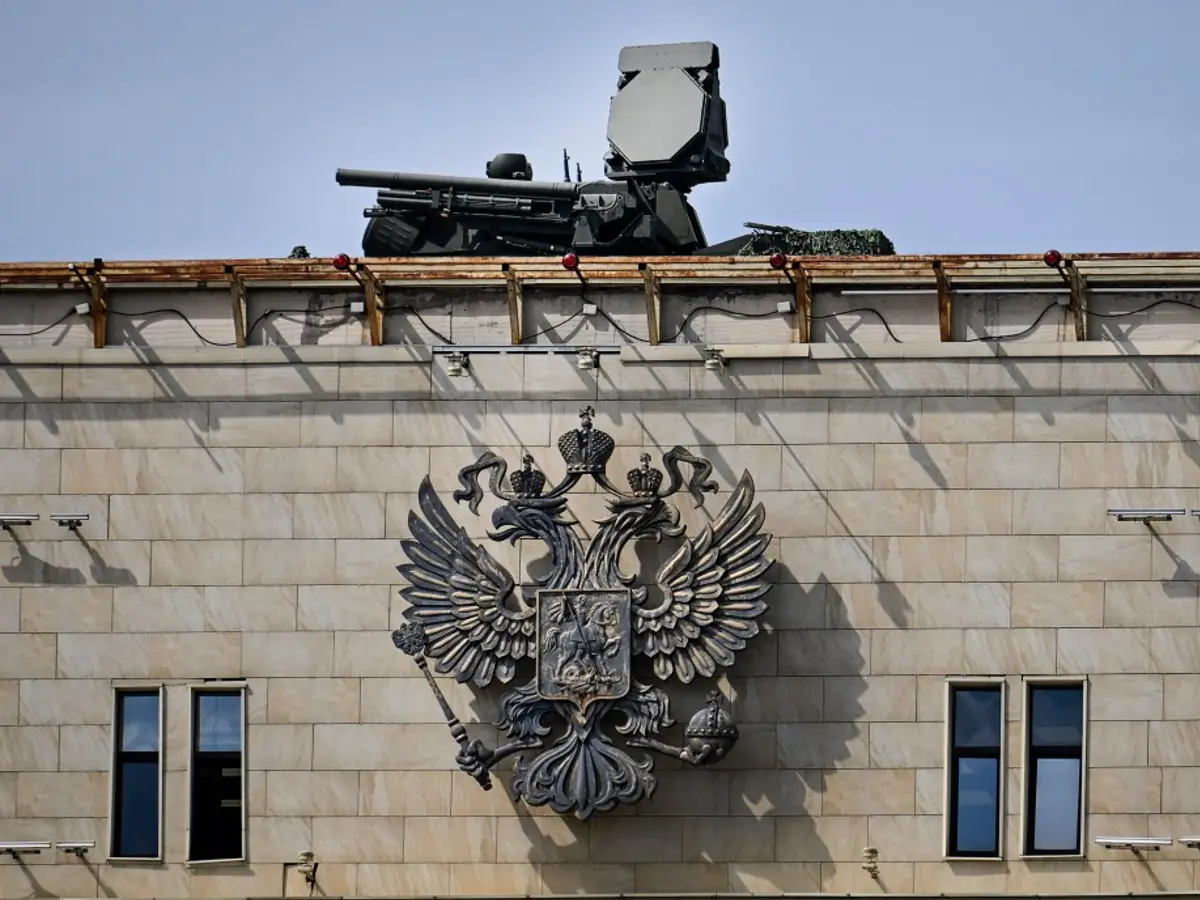
Europe Confronts Russia’s Alleged Hybrid Warfare and NATO Strains
EU Backs Germany, Signals Russia Sanctions After Leipzig Drone Attack
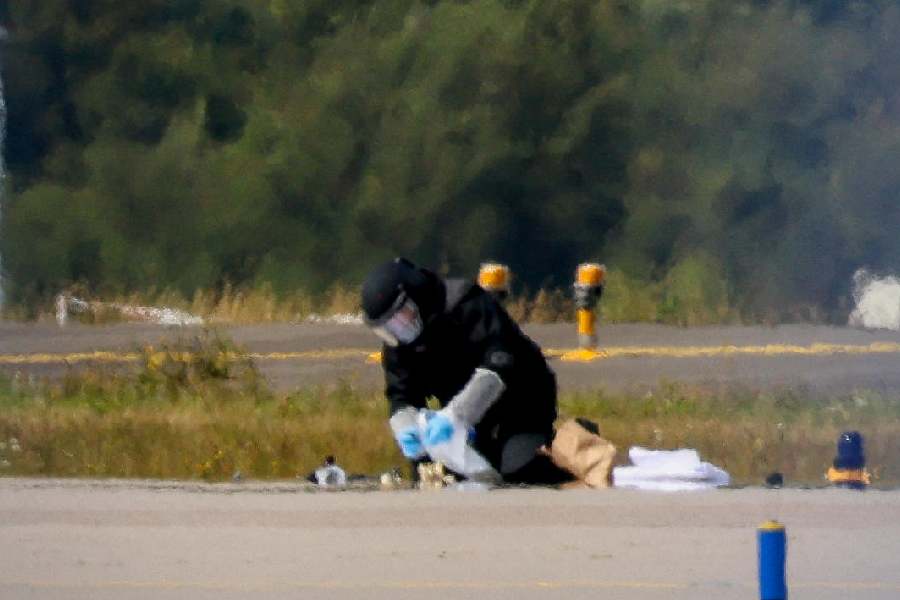
Germany Blames Russia for Leipzig Drone Attack, Europe Responds

Western Intelligence Warns of Russian Sabotage Across Europe

German minister warns of daily hybrid warfare after drone attack
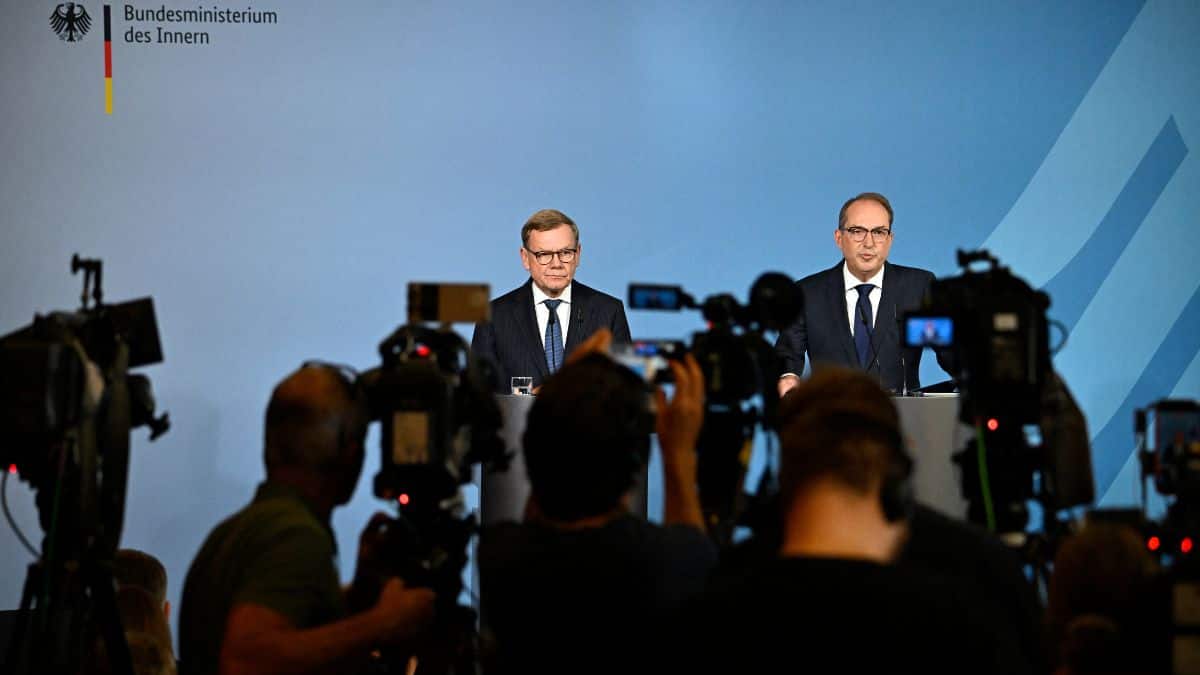
Germany Accuses Russia in Leipzig Drone Attack, Orders Retaliation

Ikea cuts European prices as cost pressures weaken demand

Europe's Bond Selloff Deepens as Middle East Tensions Lift Oil

China’s Rapid Car Development Faces Growing Safety Scrutiny

CNG Prices Rise Rs 2 per Kilogram in Pune

China Challenges US Leadership in Escalating Global AI Contest