

5 days ago
Europe Confronts Russia’s Alleged Hybrid Warfare and NATO Strains
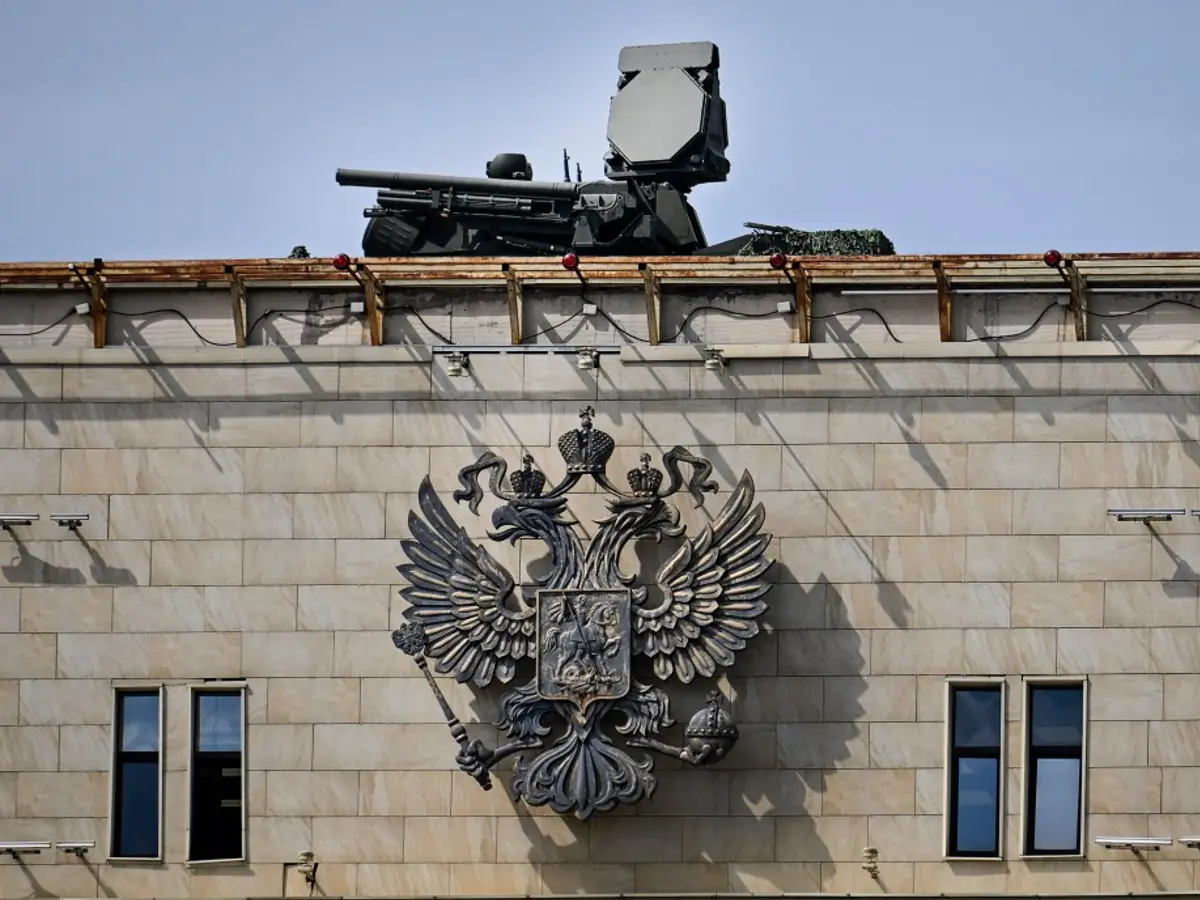
European countries say Russia is using more than regular soldiers and weapons to pressure them.
They describe cyberattacks, false information, economic pressure and secret operations as hybrid warfare.
Several drones have entered NATO airspace near the Baltic region.
European officials also blame Russia for or link it to several other suspicious incidents.
Russia denies the accusations and says European countries are acting aggressively.
Hungary has now described Russia as a threat to Hungary, Europe and the world order.
European countries are trying to improve their own defences while helping Ukraine.
NATO has not activated its mutual-defence promise because the alleged incidents have not reached that level.

European countries accuse Russia of using cyberattacks, disinformation, drones and covert operations to destabilise them.
Several drones have entered NATO airspace in the Baltic region since March, amid allegations of Russian interference.
European governments have linked alleged hybrid attacks to incidents in Poland, Estonia, Romania and Germany.
Russia rejects the accusations, while Kremlin spokesperson Dmitry Peskov calls them “scare stories.”
Europe is strengthening its defences as alleged attacks remain below the threshold for NATO’s mutual-defence clause.
- Who
- European countries and NATO members are accusing Russia; Moscow denies the allegations.
- What
- The dispute concerns alleged Russian hybrid warfare involving drones, cyberattacks, disinformation, covert operations and possible election interference.
- Where
- Incidents and allegations involve the Baltic region, Poland, Estonia, Romania, Germany, France and Hungary.
- When
- Concerns have intensified in recent months, with several drone incidents reported since March.
- Why
- European governments say the alleged activities are intended to destabilise them and test NATO’s resolve without starting an open war.
European governments’ allegations
Moscow’s denials
Responsibility for incidents
European governments’ allegations
European officials accuse Russia of directing or supporting drone incursions, sabotage, fires, assassination attempts and other hybrid attacks.
Moscow’s denials
Russia rejects the accusations, with Dmitry Peskov calling them “scare stories” unrelated to reality.
Strategic intentions
European governments’ allegations
European countries say the alleged operations aim to destabilise them and test NATO without provoking a full-scale war.
Moscow’s denials
Moscow says European countries are pursuing an aggressive policy towards Russia.
European security response
European governments’ allegations
European nations are strengthening their defences and taking a larger role in supporting Ukraine.
Moscow’s denials
Russia’s stated position, as presented in the article, is that the European framing of the threat is unfounded.
Key facts
- Alleged tactics
- Cyberattacks, disinformation, economic coercion, electronic warfare, covert operations and limited kinetic action.
- Baltic drone incidents
- Several drones have entered NATO airspace across the Baltic region since March.
- Reported German incident
- Germany discovered an explosive-laden drone at Leipzig Airport.
- Other cited incidents
- Poland reported thwarting an attempted assassination, Estonia cited a fire at a drone facility, and a drone struck a Romanian apartment building in May.
- Russian position
- Kremlin spokesperson Dmitry Peskov rejected the claims as “scare stories” and accused Europe of aggression.
- Hungary’s policy shift
- Prime Minister Peter Magyar is seeking to rewrite Hungary’s ties with Moscow, while new policy documents classify Russia as a threat.
- NATO response
- The alleged activity has remained below the threshold for activating NATO’s mutual-defence clause.
Quotes

Friedrich Merz
German Chancellor who commented on those responsible for hybrid attacks
“pay the price.”
 wionews.com
Sources
Related news

Europe Struggles to Respond as Russia Escalates Hybrid Attacks

Putin Could Strike NATO Allies to Test Bloc's Resolve
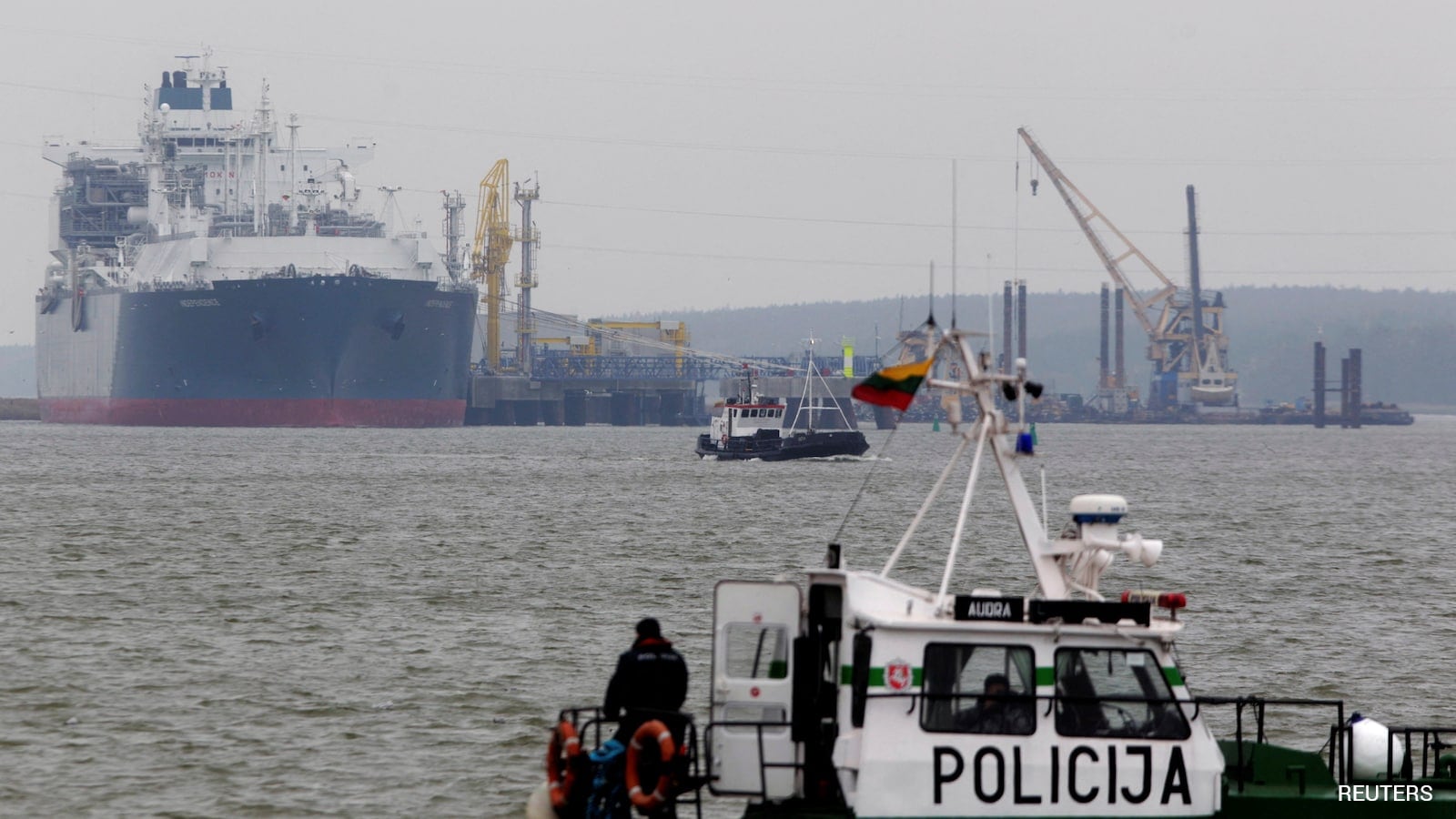
Poland, Baltics shield infrastructure amid Russian false-flag attack fears

German minister warns of daily hybrid warfare after drone attack

NATO Fighter Jets Shoot Down Foreign Drone Over Latvia
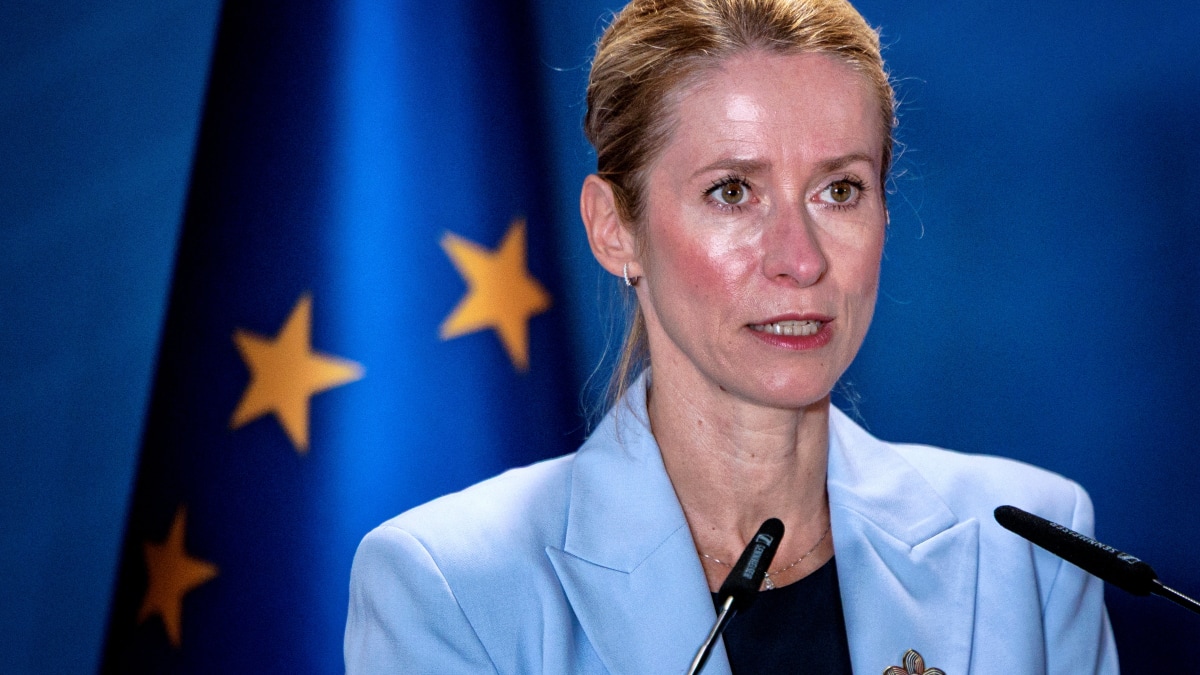
EU Backs Germany, Signals Russia Sanctions After Leipzig Drone Attack

Ikea cuts European prices as cost pressures weaken demand

Europe's Bond Selloff Deepens as Middle East Tensions Lift Oil

China’s Rapid Car Development Faces Growing Safety Scrutiny

CNG Prices Rise Rs 2 per Kilogram in Pune

China Challenges US Leadership in Escalating Global AI Contest