1 week ago
Western Intelligence Warns of Russian Sabotage Across Europe
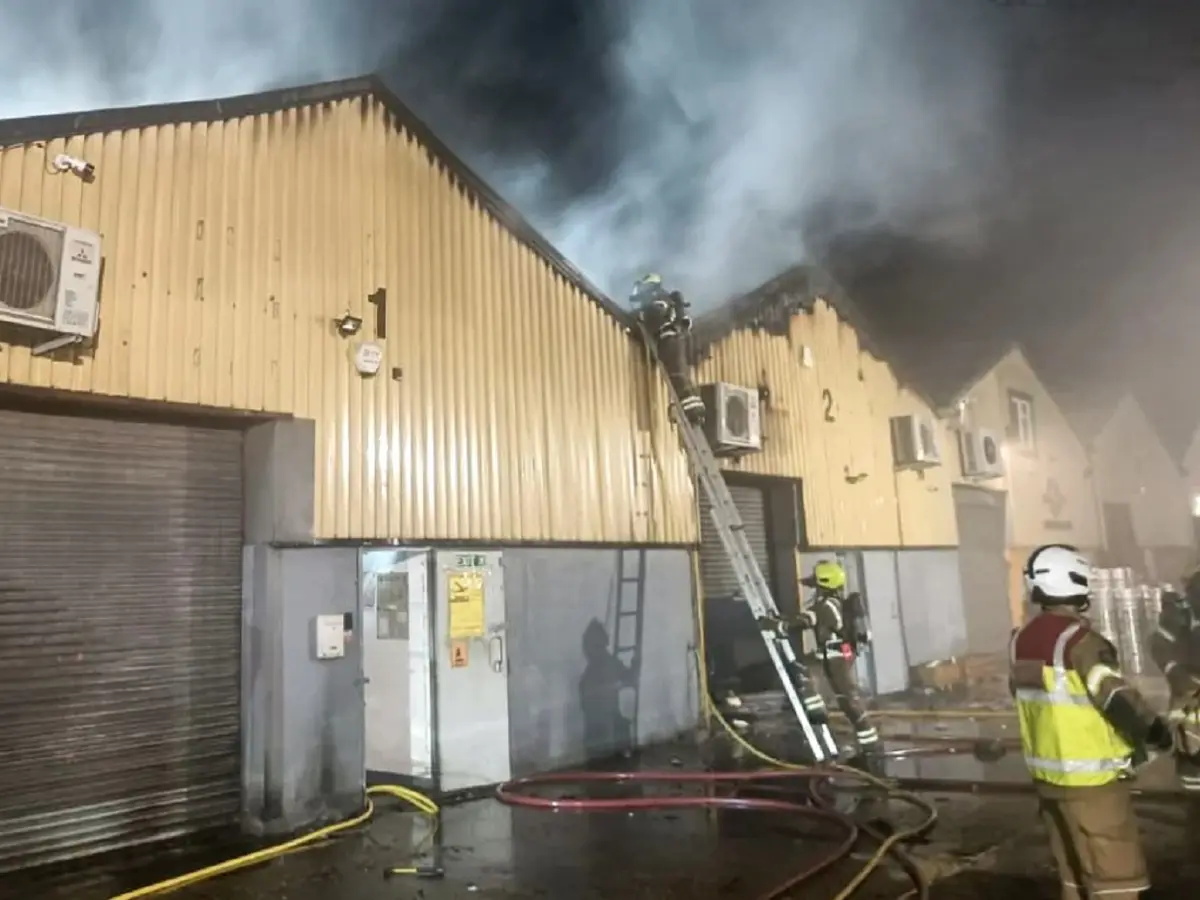
Western intelligence officials say Russia may be secretly encouraging people in Europe to damage factories that make weapons.
They believe criminal groups may be used so the attacks are harder to trace.
One suspected attack involved a fire at Milrem Robotics in Estonia.
Latvia detained three people connected to that case.
Other fires and explosions happened at defence factories in Bulgaria, Italy, Czechia, and Lithuania.
Investigators have not found clear proof linking every incident to Moscow.
Officials say the alleged attacks may be intended to weaken European support for Ukraine.
Some European countries blame Russia more quickly, while others want stronger evidence before doing so.

Western intelligence sources allege that Russia is using criminal intermediaries to target European defence facilities.
Latvia detained three nationals over a suspected arson attack at Milrem Robotics in Estonia, a supplier to Ukraine.
Explosions and fires were reported this month at arms plants in Bulgaria and Italy, while earlier cases occurred in Czechia and Lithuania.
The alleged operations are designed to obscure links to Moscow and remain below the threshold for NATO’s Article 5.
Eastern NATO members more readily blame Russia, while Italy and Germany are reportedly more cautious because of escalation concerns.
- Who
- Western intelligence sources allege that Russia’s military intelligence service, reportedly working through criminal gangs, is behind or encouraging sabotage; several local suspects have been detained or charged.
- What
- A reported wave of fires, explosions, and attempted arson has affected European defence facilities supplying weapons or equipment to Ukraine.
- Where
- The reported incidents span Estonia, Latvia, Bulgaria, Italy, Czechia, and Lithuania, with wider concern across Europe and NATO.
- When
- The incidents have occurred since Russia’s full-scale invasion of Ukraine in February 2022, including attacks reported on August 10, August 13, and the night of August 14–15.
- Why
- Western intelligence sources say the alleged campaign aims to disrupt defence production, deter support for Kyiv, test NATO’s resolve, and create disagreement among allies without triggering Article 5.
Case for Russian Attribution
Caution Over Attribution
Who is behind the incidents?
Case for Russian Attribution
Western intelligence sources and a NATO official say the pattern is consistent with Russian destabilisation efforts, allegedly using criminal gangs and intermediaries linked to the GRU.
Caution Over Attribution
Investigators have found little direct evidence connecting the individual fires and explosions to Moscow, and several incidents remain unexplained.
Purpose of the alleged campaign
Case for Russian Attribution
The alleged operations are intended to disrupt weapons production, deter support for Ukraine, test NATO’s resolve, and sow discord among allies.
Caution Over Attribution
Countries such as Italy and Germany are reportedly reluctant to publicly attribute incidents to Russia without clearer proof, citing fears of escalation.
Significance for NATO
Case for Russian Attribution
Intelligence officials believe the attacks are deliberately calibrated to remain below the threshold that could trigger NATO’s mutual-defence Article 5.
Caution Over Attribution
The reported incidents have not been presented as proven Article 5 attacks, and the available investigations do not establish a single coordinated campaign in every case.
Key facts
- Primary allegation
- Western intelligence sources say Russia is orchestrating or encouraging sabotage against European defence facilities.
- Suspected method
- The GRU is reportedly cultivating intermediaries in criminal gangs through messaging apps, with recruits paid in cryptocurrency.
- Estonia incident
- A building housing Milrem Robotics in Tallinn was set ablaze on the night of August 14–15; Latvia detained three nationals.
- Bulgaria incident
- A fire near a storage warehouse triggered a major explosion on August 10 at EMCO’s plant, which produces 155mm ammunition for Ukraine.
- Italy incident
- An unexplained fire in a gunpowder-processing unit preceded an August 13 blast at KNDS Ammo Italy’s plant near Rome.
- Other investigations
- Four suspects were detained in a Czech plant fire case, while Lithuania charged six people over an alleged attempt to burn a factory supplying Ukraine.
- Evidence status
- The article says there is little direct evidence linking the incidents to Moscow, and some causes remain unexplained.
Quotes
A NATO official
An unnamed NATO official commenting on Russia’s alleged destabilisation campaigns
“These actions by the Kremlin are aimed at escalating tensions among allies and deterring support for Kyiv.”
 wionews.com
Sources
Related news

Estonia Probes Possible Russian Link to Defence Contractor Arson

Europe Struggles to Respond as Russia Escalates Hybrid Attacks
German court convicts Ukrainian man over Russia-linked parcel bomb plot
Poland, Baltics shield infrastructure amid Russian false-flag attack fears
Europe Confronts Russia’s Alleged Hybrid Warfare and NATO Strains