1 week ago
US Debt Hits $40 Trillion as Dalio Warns of Crisis

The United States now owes more than $40 trillion.
Ray Dalio says the important issue is not only the size of the debt, but whether the government can keep paying and refinancing it.
He estimates that the government spends about $2 trillion more each year than it collects.
The government also pays about $1 trillion in interest and has about $10 trillion in debt principal coming due.
When old debt matures, the government can borrow again if lenders agree to roll it over.
If lenders become less willing to buy government bonds, interest rates may rise.
The Federal Reserve could buy more bonds by creating money, but that could weaken the dollar and increase inflation.
Dalio says the risk could be reduced by lowering the deficit, but he does not say a crisis is certain or imminent.

US national debt has surpassed $40 trillion, while Ray Dalio says the debt cycle poses a broader risk.
Dalio estimates annual government revenue at $5.5 trillion versus expenses of $7.5 trillion, creating a roughly $2 trillion deficit.
He estimates about $1 trillion in annual interest costs and $10 trillion in principal coming due, much of which may need refinancing.
Dalio says weaker Treasury demand could force higher interest rates or greater Federal Reserve money creation, risking economic damage, inflation and currency weakness.
Dalio says a crisis is neither certain nor immediate, but estimates it could emerge in roughly three years, plus or minus two years, without policy changes.
- Who
- The United States government and billionaire investor Ray Dalio; the Federal Reserve could also play a role in a possible response.
- What
- The US national debt has exceeded $40 trillion, prompting Dalio to warn that a growing debt cycle could lead to a financial crisis.
- Where
- The United States, its Treasury debt markets and the global financial system.
- When
- The $40 trillion milestone was reached shortly before Dalio’s recent warnings; he estimates a crisis could occur in roughly three years, plus or minus two years, if conditions do not change.
- Why
- Large budget deficits, rising interest costs, substantial debt refinancing needs and potentially weaker demand for US government bonds could intensify the debt problem.
Debt-Crisis Warning
Risk Is Serious but Manageable
Likelihood and timing of a crisis
Debt-Crisis Warning
Dalio says rising debt, interest payments, refinancing needs, bond yields and currency weakness could create a self-reinforcing debt problem, potentially within a few years.
Risk Is Serious but Manageable
Dalio does not say a crisis is inevitable or immediate; he says the timing depends on policy decisions and external shocks such as wars or major political changes.
Response to weaker Treasury demand
Debt-Crisis Warning
Allowing interest rates to rise could attract buyers but increase government borrowing costs and damage markets and economic activity.
Risk Is Serious but Manageable
The Federal Reserve could create money to purchase government debt and help hold down rates, although this could increase inflation and weaken the dollar.
Protection from the dollar’s status
Debt-Crisis Warning
Dalio argues that reserve-currency status does not permanently protect the United States if investors lose confidence in its debt management or currency value.
Risk Is Serious but Manageable
The dollar’s reserve-currency role and strong global demand for US financial assets give the United States a major borrowing advantage and could help sustain demand for Treasury securities.
Key facts
- National debt milestone
- US national debt has exceeded $40 trillion for the first time.
- Estimated annual revenue
- Approximately $5.5 trillion, according to Dalio.
- Estimated annual expenses
- Approximately $7.5 trillion, according to Dalio.
- Estimated annual deficit
- Approximately $2 trillion.
- Interest costs
- About $1 trillion annually, according to Dalio.
- Principal coming due
- Roughly $10 trillion.
- Proposed deficit target
- Dalio recommends reducing the deficit to around 3% of GDP through spending cuts, higher tax revenue and lower interest rates.
Sources

Related news

US National Debt Tops $40 Trillion, Raising Crisis Concerns
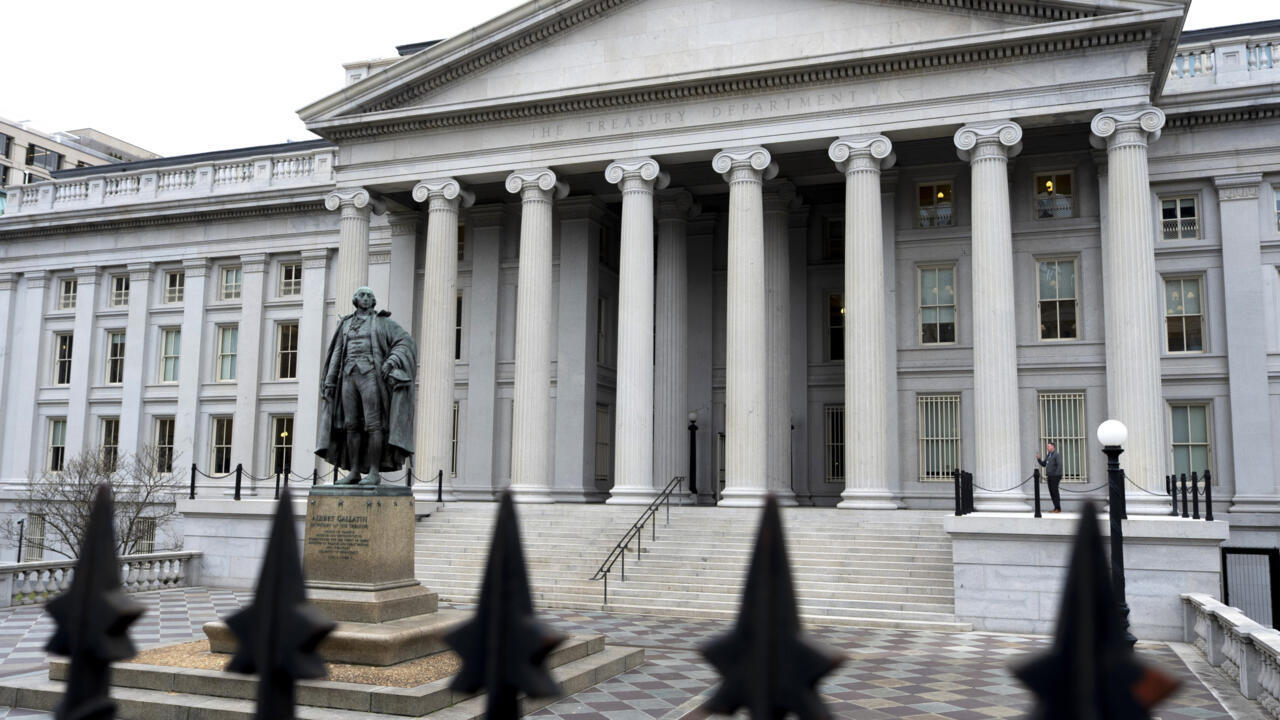
U.S. Debt Tops $40 Trillion, Prompting Fresh Fiscal Crisis Warnings

America’s Rising Debt Puts Global Bond Markets on Alert

U.S. Debt Reaches $40 Trillion, Raising Fiscal Freedom Concerns
US $40 Trillion Debt Raises Global Bond Market Fears

US National Debt Surpasses $40 Trillion Amid Rising Costs

Bangladesh Recall Shanto, Mahmud for Asian Games T20 Squad

Japan Cricket Boss Defends Asian Games Facilities Against Concerns

Mitsubishi Revives Pajero With 201PS Fifth-Generation SUV

Europe's Bond Selloff Deepens as Middle East Tensions Lift Oil

Uday Kotak Warns Global Bond Markets Face Roller-Coaster Volatility