1 week ago
U.S. Debt Tops $40 Trillion, Prompting Fresh Fiscal Crisis Warnings
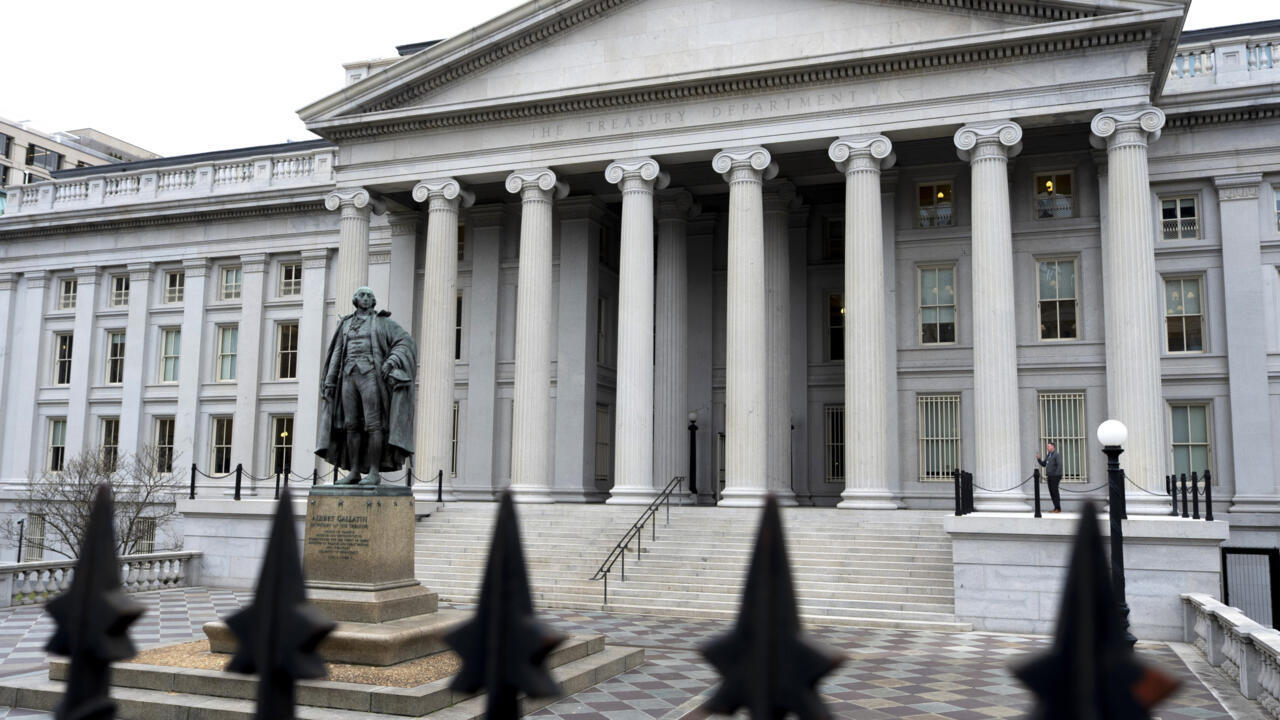
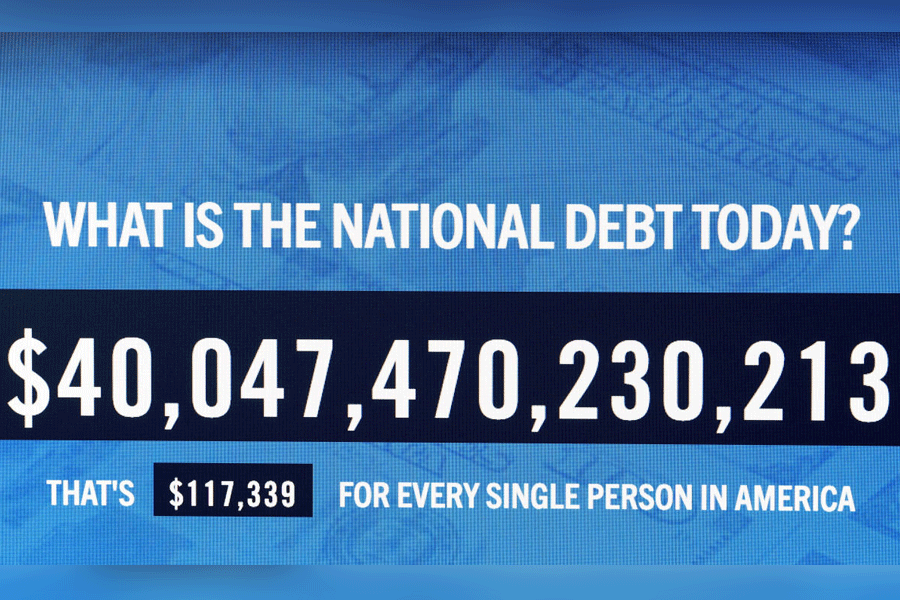
The United States now owes more than $40 trillion.
This is more than twice the amount it owed in January 2017.
Some of the increase came from borrowing to respond to the COVID-19 pandemic.
Borrowing also grew because the government spent more than it collected in taxes.
Debt increased under both Donald Trump and Joe Biden.
Experts warn that too much debt can raise inflation and make loans more expensive.
It can also leave less money for other government priorities and emergencies.
Treasury Secretary Scott Bessent announced larger buybacks of some long-term government bonds.
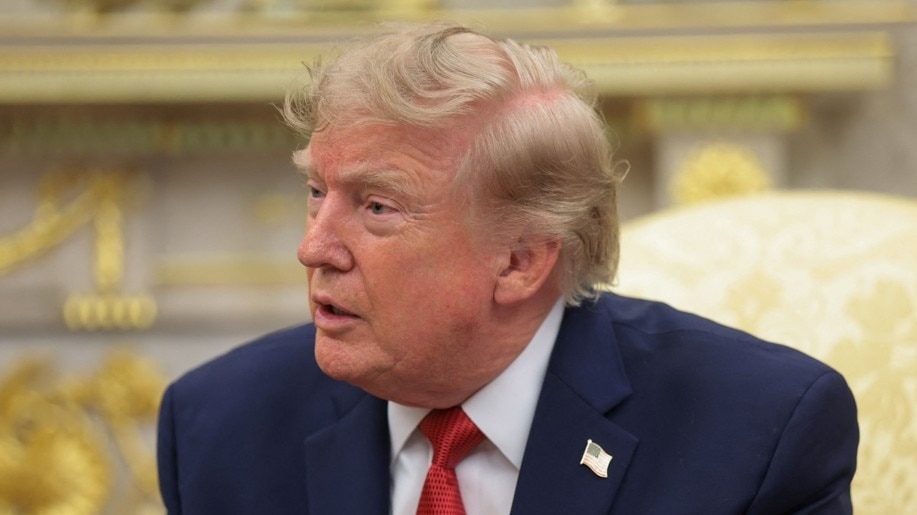
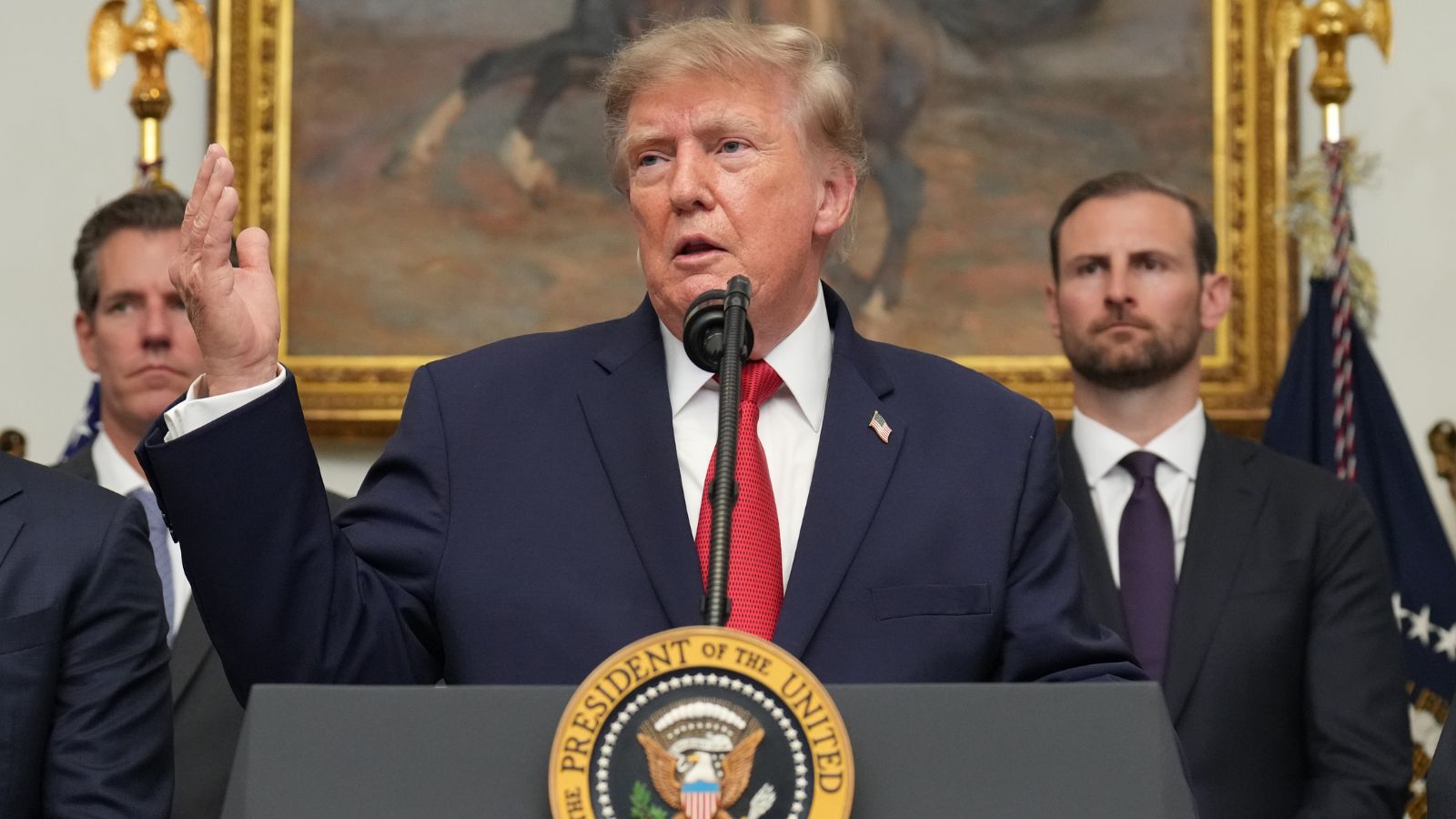
President Donald Trump said Americans should not be very worried about bond-market volatility and argued that interest rates should fall when the country is strong.

Total U.S. public debt reached $40.047 trillion on Tuesday, Treasury data showed.
The debt has more than doubled from $19.95 trillion in January 2017.
About one-third of the increase came from pandemic borrowing under Donald Trump and Joe Biden.
Debt rose $7.8 trillion during Trump’s first term, $8.4 trillion under Biden, and $3.8 trillion since Trump returned in January 2025.
Budget experts warned that lawmakers may need tax increases, spending cuts, or both as deficits and interest costs continue growing.
- Who
- The United States government, administrations led by Donald Trump and Joe Biden, budget experts, Treasury Secretary Scott Bessent, and investors are involved.
- What
- Total U.S. public debt surpassed $40 trillion for the first time, reaching $40.047 trillion.
- Where
- The development concerns U.S. federal finances and Treasury bond markets.
- When
- The debt balance was recorded on Tuesday and announced by the Treasury Department on Wednesday; it crossed $39 trillion less than five months earlier.
- Why
- Pandemic borrowing, policies under both administrations, growing safety-net costs, interest payments, and long-running gaps between taxes and spending contributed to the increase.
Fiscal Critics
Administration Response
How to address the debt
Fiscal Critics
Budget experts and watchdog groups said lawmakers may need to raise taxes, cut spending, or take both steps to address an unsustainable fiscal outlook.
Administration Response
The Trump administration has emphasized cost-cutting and Treasury buybacks, while Trump has defended a strong economy and said Americans should not be very worried about bond-market volatility.
Responsibility for rising debt
Fiscal Critics
The Committee for a Responsible Federal Budget attributed the worsening debt trajectory to policy choices under both Trump and Biden, pandemic spending, and persistent tax-and-spending imbalances.
Administration Response
The reported increases occurred under both administrations, with Trump’s policies including agency job cuts and spending reductions aimed largely at discretionary programs.
Risks of continued borrowing
Fiscal Critics
Critics warned that additional borrowing could worsen inflation, crowd out other budget priorities, increase loan costs, and leave the country less prepared for emergencies.
Administration Response
Trump said the United States is powerful and argued that interest rates should fall when the country is strong; Treasury officials responded with larger buybacks of longer-term Treasuries.
Key facts
- Total public debt
- $40.047 trillion, including $32.266 trillion in Treasury securities held by the public and $7.782 trillion in intragovernmental debt.
- Debt in January 2017
- $19.95 trillion when Donald Trump first became president.
- Debt increase by administration
- Debt rose $7.8 trillion during Trump’s first term, $8.4 trillion during Biden’s term, and $3.8 trillion since Trump returned in January 2025.
- July deficit
- The United States recorded a $432 billion budget deficit in July, the fourth-highest monthly deficit on record.
- Foreign holdings
- Foreign investors hold nearly one-third of U.S. Treasuries, while demand for the debt has declined over the past year.
- Treasury buybacks
- Scott Bessent announced that some buyback operations for 10- to 30-year Treasuries would double to at least $4 billion per operation.
- Interest costs
- The United States is spending about $1.1 trillion annually on interest; debt-service costs exceeded Pentagon funding in fiscal 2025.
Quotes
Former President Donald Trump
Former U.S. President
“I don't think so at all. I think we have a very powerful country, and we're powering through these ridiculous interest rates — they're ridiculous. Look, when our country is strong, interest rates should go down.”
 deccanchronicle.com
“Forty trillion dollars of debt doesn’t exist solely on the government’s ledgers; it is felt throughout the economy and finds its way to the pocketbooks of people one way or another.”
 telegraphindia.com
deccanchronicle.com
telegraphindia.com
deccanchronicle.com
Treasury Secretary Scott Bessent
U.S. Treasury Secretary
“"The government would double the size of some debt buyback operations for 10- to 30-year Treasuries to at least $4 billion per operation."”
 businesstoday.in
John Canavan
Lead financial market analyst, Oxford Economics' Macroeconomic and Investor Services group
“Demand for U.S. debt by foreign investors has been declining over the past year, leaving more bonds to fall to more price‑sensitive buyers, which can exacerbate market volatility.”
telegraphindia.com
Sources
Related news

US National Debt Tops $40 Trillion, Raising Crisis Concerns

US Debt Tops $40 Trillion Amid Deficits and Tariff Pressure

US National Debt Surpasses $40 Trillion as Fiscal Pressures Mount

US National Debt Surpasses $40 Trillion Amid Rising Costs
US Debt Tops $40 Trillion as Iran Tensions Escalate

U.S. Debt Reaches $40 Trillion, Raising Fiscal Freedom Concerns

Indian Firms Invest $40 Billion in U.S., Supporting Jobs

Trump Aides Seek Quiet Iran War Before Midterm Elections

Global Bond Sell-Off Pushes Japan Yields To 30-Year High

US and China Hold Quiet Talks Over Iran Conflict

Trump-Xi Talks Expected to Address AI Guardrails