1 week ago
US National Debt Surpasses $40 Trillion Amid Rising Costs

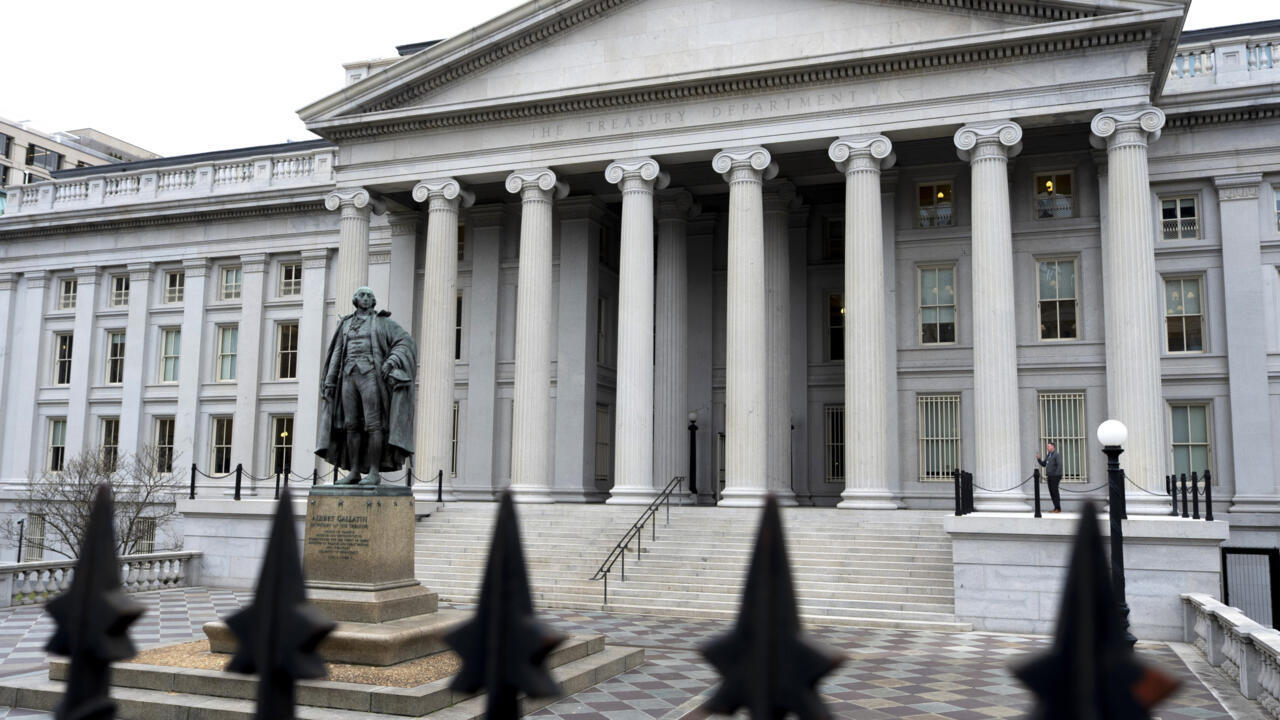
The United States now owes more than $40 trillion.
The debt reached $39 trillion in March and $38 trillion in October.
Much government spending goes to defense, Social Security, Medicare and interest on existing debt.
The Trump administration says it is trying to reduce waste and grow the economy.
Experts say larger debt can make mortgages, car loans and other borrowing more expensive.
They also say businesses may have less money to invest, which can affect wages and prices.
The Bipartisan Policy Center says the government may reach its $41.1 trillion borrowing limit in 2027.
Congress would then have to decide whether to raise or suspend that limit.

US national debt surpassed $40 trillion on Wednesday, five months after reaching $39 trillion in March.
Defense spending, Social Security, Medicare and interest payments account for a large share of federal spending.
The Trump administration says it is cutting waste and pursuing economic growth to improve the debt-to-GDP ratio.
Experts warn that rising debt is increasing borrowing costs, reducing business investment and making goods and services more expensive.
The Bipartisan Policy Center estimates the $41.1 trillion debt limit could be reached between late winter and mid-summer 2027.
- Who
- The United States government, the Trump administration, economic experts, balanced-budget advocates and the Bipartisan Policy Center.
- What
- The US national debt surpassed $40 trillion, prompting concerns about borrowing costs, interest payments, deficits and the statutory debt limit.
- Where
- The United States, with the report datelined Washington.
- When
- The milestone was recorded on Wednesday; the articles were published August 20, 2026. The debt reached $39 trillion five months earlier and $38 trillion in October.
- Why
- Federal borrowing and spending on defense, social programs and interest payments have contributed to the rising debt, while the administration pursues competing economic and policy priorities.
Administration Position
Fiscal Critics’ Concerns
Improving the fiscal position
Administration Position
The Trump administration says cutting waste, fraud and abuse and accelerating economic growth will help move the debt-to-GDP ratio in the right direction.
Fiscal Critics’ Concerns
Balanced-budget advocates warn that continued borrowing and rising interest payments will force Americans to face tougher fiscal tradeoffs.
Effects on households and businesses
Administration Position
The administration emphasizes competing priorities including defense spending and efforts to lower gas and grocery costs.
Fiscal Critics’ Concerns
Experts say rising debt is increasing mortgage and car-loan costs, reducing business investment and wages, and making goods and services more expensive.
Risk of a fiscal crisis
Administration Position
The administration presents spending reductions and faster growth as methods for improving the country’s fiscal position.
Fiscal Critics’ Concerns
Margaret Spellings of the Bipartisan Policy Center called the fiscal trajectory unsustainable and warned that events such as an AI disruption, recession or global war could worsen the situation.
Key facts
- Debt milestone
- The US national debt surpassed $40 trillion.
- Previous milestones
- The debt reached $39 trillion in March and $38 trillion in October.
- Major spending areas
- Defense, Social Security, Medicare and interest payments make up an enormous share of federal spending.
- Administration position
- White House spokesman Kush Desai said the administration is targeting waste, fraud and abuse while accelerating economic growth.
- Economic concerns
- Experts say the debt is raising borrowing costs, reducing business investment and making goods and services more expensive.
- Debt limit
- The statutory federal borrowing limit is $41.1 trillion.
- Projected timing
- The Bipartisan Policy Center estimates the debt limit will most likely be reached between late winter and mid-summer 2027.
- International comparison
- The Organization for Economic Co-operation and Development said recent data analysis placed the US fiscal position worst among other developed countries.
Quotes
Kush Desai
White House spokesman
“The Trump administration “has been focused on slashing waste, fraud, and abuse in federal spending while accelerating economic growth to get America’s debt‑to‑GDP ratio trending in the right direction.””
 freepressjournal.in
 thehindubusinessline.com
 thehansindia.com

Margaret Spellings
President and CEO of the Bipartisan Policy Center
“"The federal debt is already raising the cost of living and choking out other spending and investment, threatening our economy and Americans' long-term prosperity."”
freepressjournal.in
thehindubusinessline.com
Sources


Related news

US National Debt Tops $40 Trillion, Raising Crisis Concerns

US Debt Tops $40 Trillion, Raising Household Borrowing Concerns
U.S. Debt Tops $40 Trillion, Prompting Fresh Fiscal Crisis Warnings

US Debt Tops $40 Trillion Amid Deficits and Tariff Pressure

US National Debt Surpasses $40 Trillion as Fiscal Pressures Mount

US Debt Tops $40 Trillion as Iran Tensions Escalate

Trump administration weighs chip tariffs amid AI industry warnings
White House Praises India’s Resilience as Global Power

White House Highlights India Growth, Trade Opportunities for US

Trump Administration Weighs Broad New Tariffs on Semiconductors