

3 weeks ago
AI Helping Indian Clinicians See More Patients, Philips Says
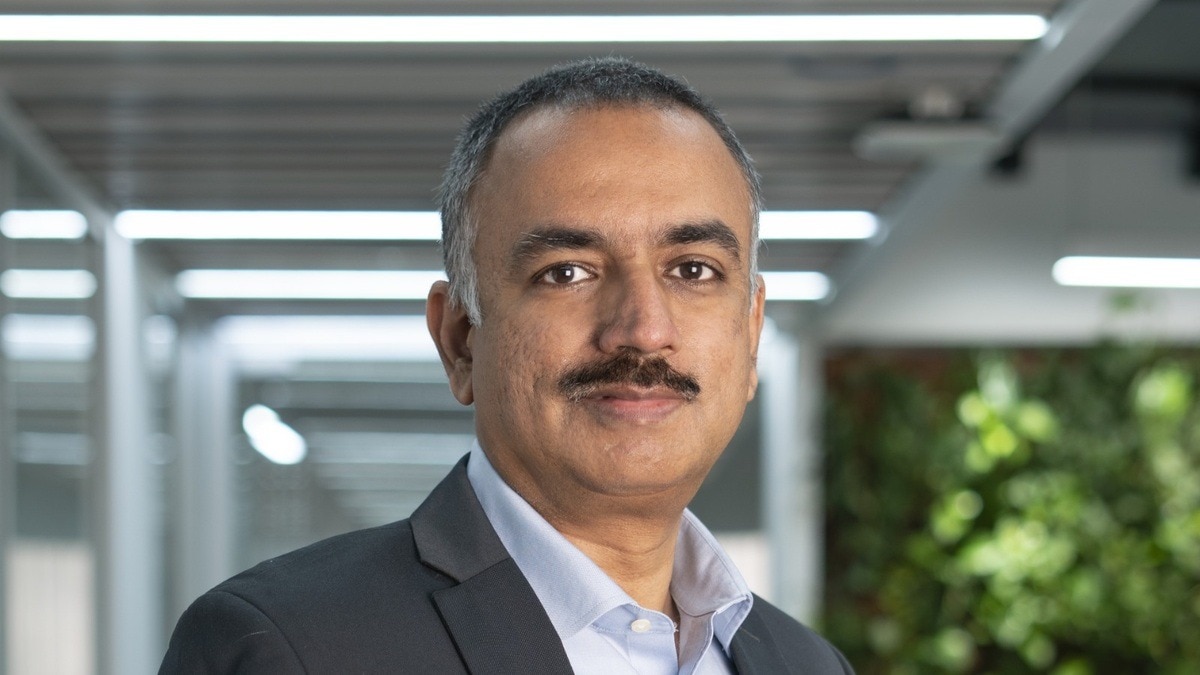
Artificial intelligence, or AI, is like a very smart helper for computers.
In India, doctors are using AI helpers to save time on paperwork and scanning.
Philips, a big health technology company, asked doctors how it is going.
Doctors said AI saves them more than three working weeks every year.
They use that extra time to talk to patients and think harder about treatments.
Many doctors also say their jobs feel less stressful now.
Indian doctors are using AI much faster than doctors in most other countries.
That is because they see huge numbers of patients and want to help people in small towns who cannot reach specialists.
But doctors still want more training, and they say patients' data must be kept safe.
Philips says AI will help doctors but will never replace them.

Indian clinicians report saving more than three working weeks per year through AI-enabled tools, with time reinvested in patient care.
Nearly two-thirds of clinicians say structured AI training remains inadequate, while trust and governance are flagged as hurdles to scale.
High patient volumes and unequal access to specialist care in smaller cities drive India's faster-than-average AI adoption.
Philips has invested around ₹1,750 crore in India over the past four to five years, with Bengaluru serving as its global AI Centre of Excellence.
Initiatives such as SmartSpeed MRI and the Hub-and-Stroke network add scan capacity and speed diagnosis for stroke patients in smaller cities.
- Who
- Philips executives led by Bharath Sesha, alongside Indian clinicians and patients.
- What
- An interview and report describing how AI-enabled tools are delivering measurable value in Indian healthcare, saving clinicians time and expanding specialist access.
- Where
- India, covering metropolitan centres, smaller towns, and rural areas, with Philips' AI Centre of Excellence in Bengaluru.
- When
- The latest annual report cycle, comparing this year's findings to last year; no specific date is given.
- Why
- Extremely high patient volumes and gaps in specialist access in smaller cities are pushing Indian clinicians to adopt AI faster than the global average.
AI Adoption Optimists
Cautious Voices on Trust and Training
AI training and readiness
AI Adoption Optimists
Indian clinicians are embracing AI faster than the global average and are already seeing measurable time savings, suggesting adoption is working.
Cautious Voices on Trust and Training
Nearly two-thirds of clinicians say structured AI training remains inadequate, raising concerns that adoption is outpacing skills.
Trust, oversight, and data
AI Adoption Optimists
AI extends specialist expertise to underserved areas and improves access to quality healthcare regardless of geography.
Cautious Voices on Trust and Training
Patients remain uncomfortable with AI-only decisions, clinicians must correct AI-generated misinformation, and data privacy and governance safeguards are still maturing.
Key facts
- Report
- Philips' latest annual report on AI in healthcare
- Time saved by clinicians
- Over three working weeks per year
- Clinicians citing inadequate AI training
- Nearly two-thirds
- Philips investment in India
- Around ₹1,750 crore over four to five years
- Clinicians trained by Philips annually
- More than 1,000
- Extra patients scanned per SmartSpeed MRI per day
- 5 to 6
- Professionals believing AI improves rural access
- 80%
- Philips devices containing Bengaluru-developed software
- One in two worldwide
Quotes
Bharath Sesha
Senior director of Philips’ AI collaboration for India
“"AI should augment clinicians, not replace them. Technology can process information faster and identify patterns, but accountability, clinical judgement and patient relationships will always remain human responsibilities."”
 businesstoday.in
“"We need structured AI training and governance. Nearly two‑thirds of clinicians say training remains inadequate, and clinicians need confidence that AI systems are reliable and responsibly monitored."”
businesstoday.in
Sources
Related news

Philips: AI Boosts Indian Healthcare Professionals' Capacity to Treat Patients

AI Revolutionising Patient Care in Indian Healthcare, Philips Report

AI May Bring Specialist Care to Rural India, Training Lags

India's AI MedTech report flags three barriers to scale
Minister Urges Human-Centred AI to Expand Healthcare Access

FICCI Launches Healthcare Panel on AI-Enabled Digital Transformation in India
India's health insurance coverage climbs but hospitalisation costs rise
India's healthcare journey from scarcity to smart care

India's Health Battles and Wins Ahead of Independence Day 2026
