2 weeks ago
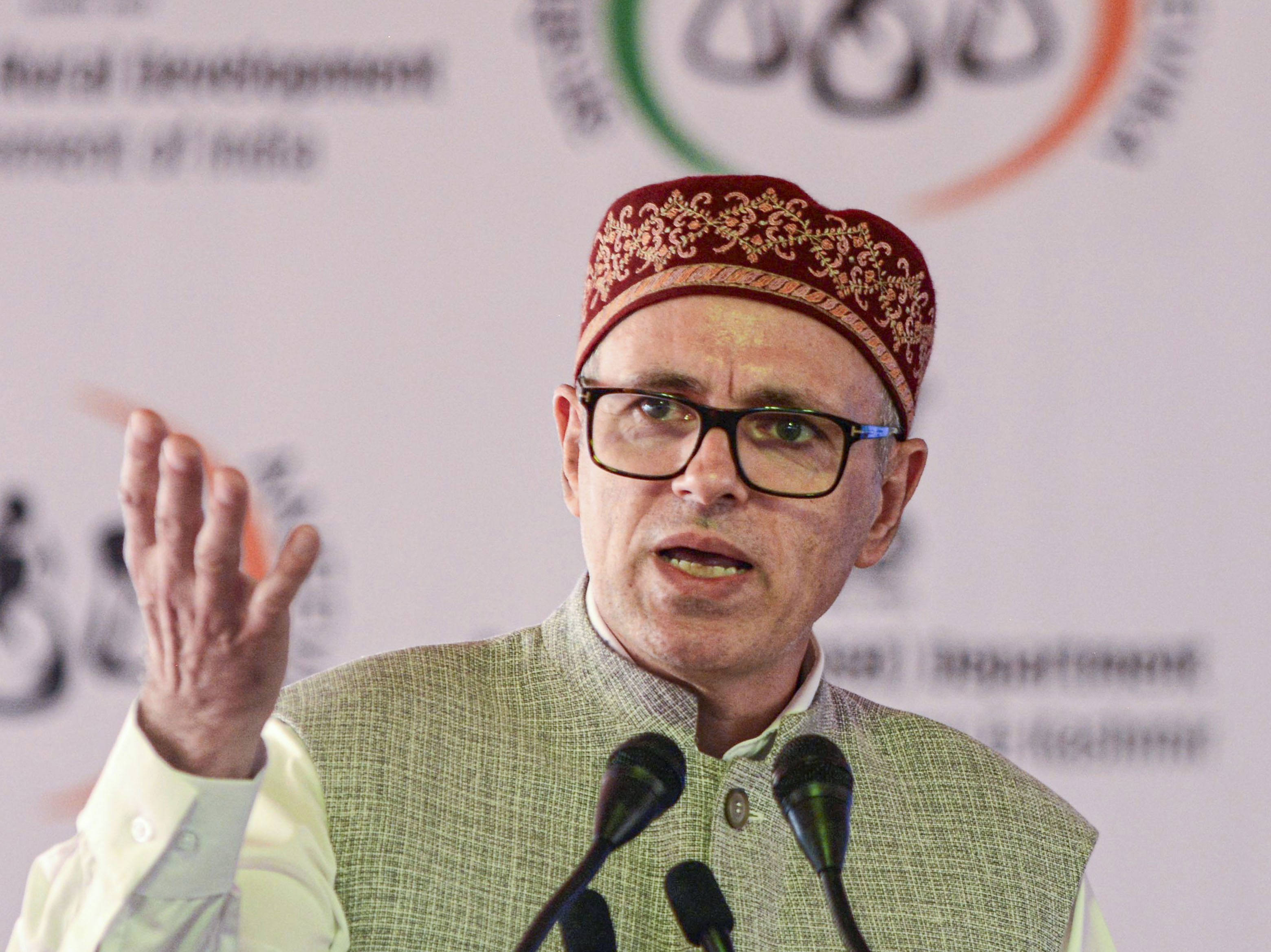
Omar Abdullah Demands Permanent Suspension of the Indus Waters Treaty
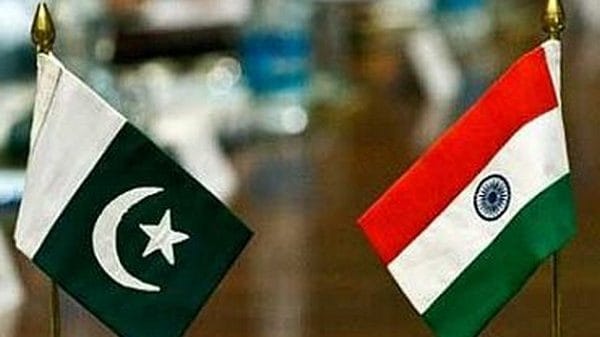
There is a very old agreement between India and Pakistan called the Indus Waters Treaty.
It was signed in 1960 to share the water of six big rivers.
Under the agreement, Pakistan got the rights to three rivers and India got the other three.
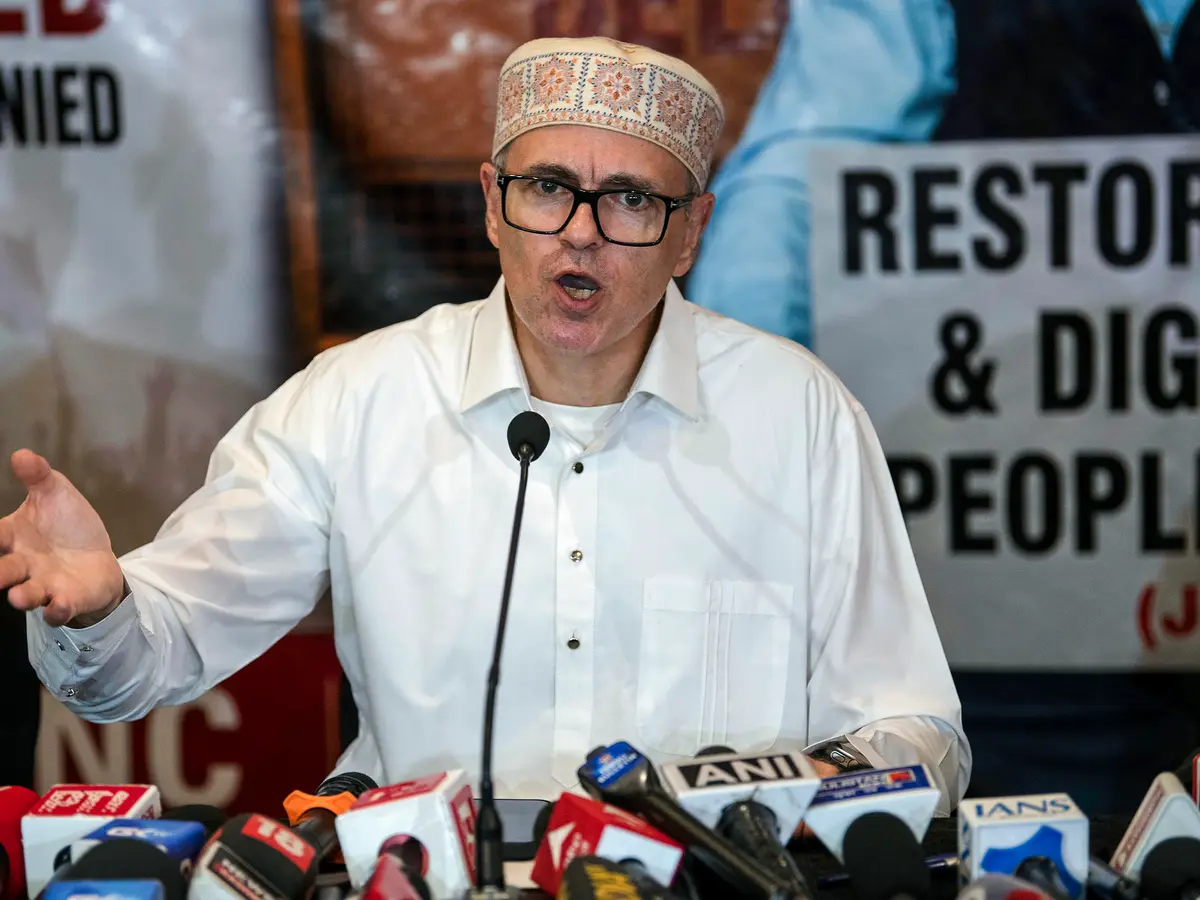
A leader named Omar Abdullah, the Chief Minister of Jammu and Kashmir, says the agreement is not fair.
He says the people of Jammu and Kashmir cannot drink water from their own rivers or build big dams because of the rules.
Recently, India stopped following the agreement after a terrible attack, saying it would stay paused until Pakistan stops supporting cross-border terrorism.
Omar Abdullah says India should keep the agreement stopped forever so his people can use their rivers for water, electricity and boats.
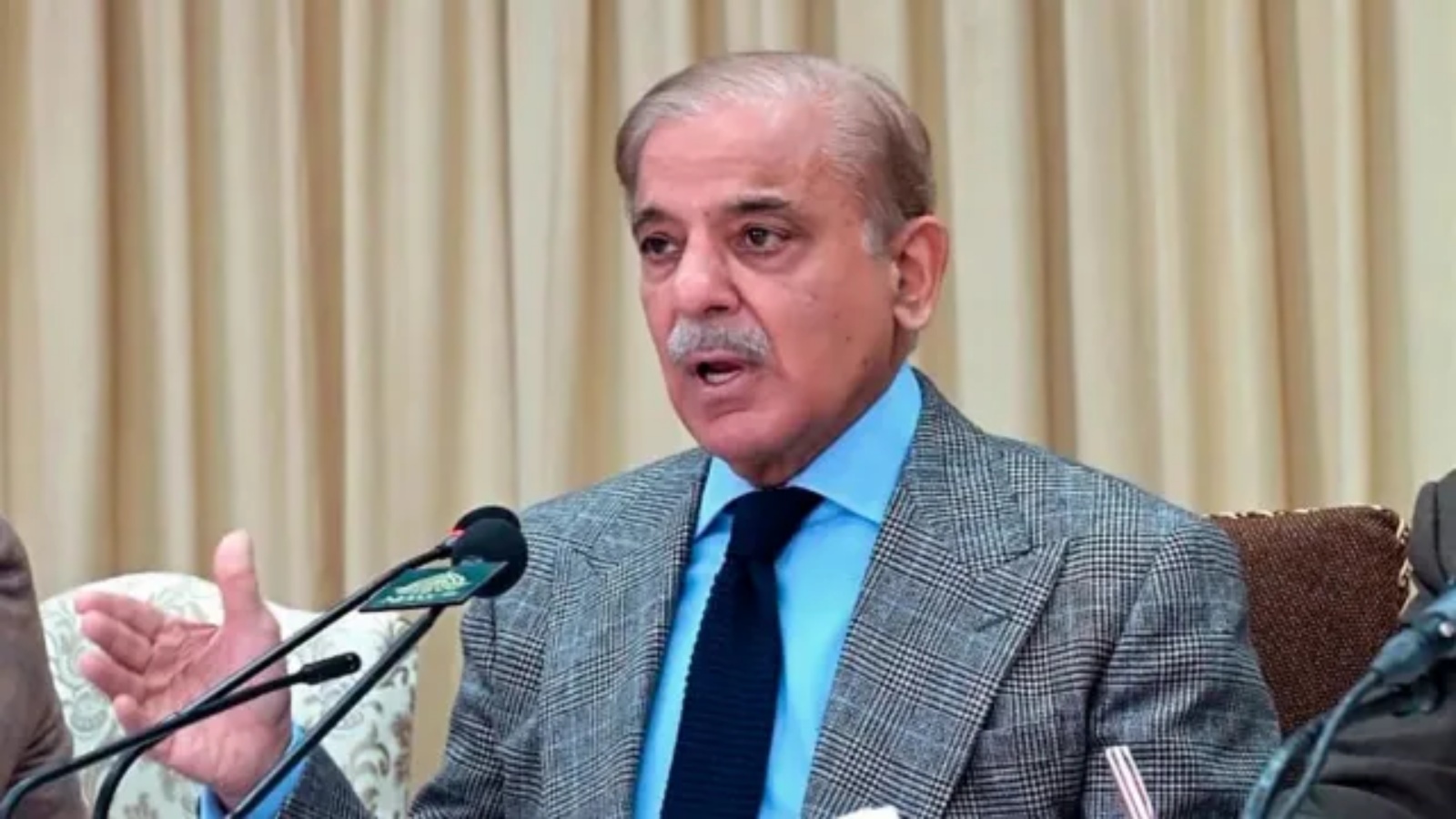
Pakistan's leader, Shehbaz Sharif, is angry and says Pakistan will respond in a strong way.
Omar Abdullah also said people should solve problems by voting, not violence, and that he will keep asking India's leader to restore Jammu and Kashmir's statehood.

Jammu and Kashmir Chief Minister Omar Abdullah backed the continued suspension of the Indus Waters Treaty, saying it 'should remain suspended' so the region can use its rivers for hydropower, navigation and drinking water.
Signed in 1960 with the World Bank as guarantor, the treaty gives Pakistan exclusive rights over the Indus, Jhelum and Chenab while India controls the Ravi, Beas and Sutlej and has only limited use of the western rivers.
Abdullah said the treaty 'drained our lifeblood' and 'sucked our blood,' preventing J&K from building major dams, drawing drinking water from the Chenab and constructing the Tulbul navigation project.
India put the treaty in abeyance after the Pahalgam terror attack, saying it would remain suspended until Pakistan credibly and irrevocably abjures support for cross-border terrorism.
Pakistan Prime Minister Shehbaz Sharif threatened a 'direct response' over the water issue; the Indus system supports 237 million people, 93% of Pakistan's water use and one-fourth of its GDP.
- Who
- Omar Abdullah, Chief Minister of Jammu and Kashmir, who spoke in support of the suspension; Pakistan Prime Minister Shehbaz Sharif, who warned of a direct response; the dispute involves India, Pakistan and the World Bank as guarantor.
- What
- Abdullah demanded that India's suspension of the Indus Waters Treaty be made permanent so Jammu and Kashmir can use its rivers for hydropower, navigation and drinking water.
- Where
- Abdullah spoke to reporters in Srinagar, Jammu and Kashmir; the treaty covers the six rivers of the Indus basin shared by India and Pakistan.
- When
- Friday, August 14, following India's recent decision to suspend the treaty.
- Why
- Treaty restrictions blocked J&K from building large dams, drawing drinking water from the Chenab and constructing the Tulbul navigation project; India suspended the treaty after the Pahalgam terror attack, citing Pakistan's support for cross-border terrorism.
Supporters of Permanent Suspension
Defenders of the Existing Treaty Arrangement
Duration of the treaty suspension
Supporters of Permanent Suspension
Abdullah argues the suspension should be permanent, saying the treaty has 'sucked our blood' and 'drained our lifeblood' by denying J&K use of its own rivers.
Defenders of the Existing Treaty Arrangement
India's official stance holds the treaty in abeyance only 'until Pakistan credibly and irrevocably abjures its support for cross-border terrorism', suggesting a conditional pause; Pakistan PM Shehbaz Sharif warns of a 'direct response' if India does not change course.
Use of the western rivers (Indus, Jhelum, Chenab)
Supporters of Permanent Suspension
J&K leaders say the treaty blocked them from building major dams, generating adequate hydropower and even drawing drinking water from rivers such as the Chenab.
Defenders of the Existing Treaty Arrangement
Pakistan holds exclusive rights over the western rivers under the 1960 pact and has repeatedly objected to Indian hydropower projects on them.
Pakistan's sympathy for Kashmiris versus its water stance
Supporters of Permanent Suspension
Abdullah says Pakistan's claims of sympathy for Kashmiris 'disappear when it comes to water', questioning where that sympathy was when Kashmir was stripped of river rights.
Defenders of the Existing Treaty Arrangement
Pakistan depends on the Indus system for 93% of its water use and much of its agriculture and GDP, making its opposition to Indian water moves a question of national survival.
Key facts
- Key Figure
- Omar Abdullah, Chief Minister of Jammu and Kashmir
- Treaty
- Indus Waters Treaty, signed in 1960
- Guarantor
- World Bank
- Pakistan's Rivers
- Indus, Jhelum and Chenab (exclusive rights)
- India's Rivers
- Ravi, Beas and Sutlej (control); limited non-consumptive use of western rivers
- Suspension Reason
- Pahalgam terror attack; held in abeyance until Pakistan credibly abjures support for cross-border terrorism
- Pakistan's Water Dependence
- 93% of total water use; 80% of 16 million hectares of farmland; supports 237 million people and a quarter of GDP
- Other Issues Raised
- Attack on Shiromani Akali Dal leader Sukhbir Singh Badal; restoration of J&K statehood
Quotes
Chief Minister Omar Abdullah
Chief Minister of Jammu and Kashmir, political leader of the National Conference party
“"Pakistan’s claims of sympathy for Kashmiris, he said, ‘disappear when it comes to water,’ adding that the treaty had effectively ‘sucked our blood’ by denying J&K the right to use its own natural resources.””
 deccanchronicle.com
“"The Indus Waters Treaty is suspended, and it should remain suspended so that we can make proper use of this water."”
 wionews.com
Sources
Related news

Omar Abdullah slams Pakistan over J&K river water rights
Sharif Declares Every Drop of Pakistan's Water a 'Red Line'
India Keeps Indus Treaty Suspended as Pakistan Warns Region

Omar Abdullah Slams Pakistan Over Indus Waters Treaty Threat
India Rejects Hague Ruling Upholding Pakistan Water Treaty
Farooq Abdullah’s Threat Claims Ignite Fury Over Kashmir Statehood

Rival NC-BJP Protests Roil J&K as Police Halt Marches
Omar Abdullah Alleges Unequal Treatment of Srinagar Political Protests
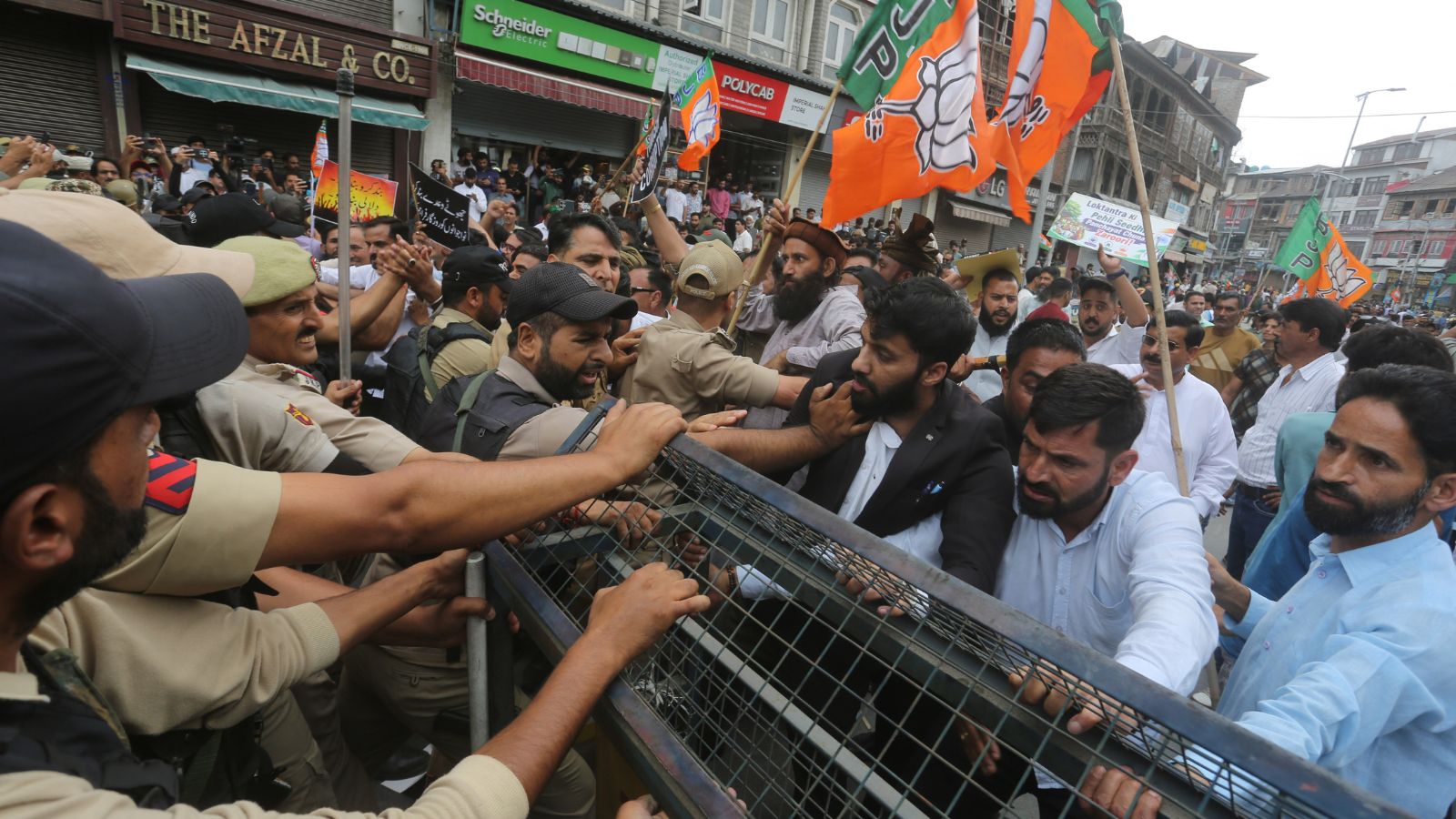
BJP, National Conference Hold Rival Protests Across Srinagar Streets
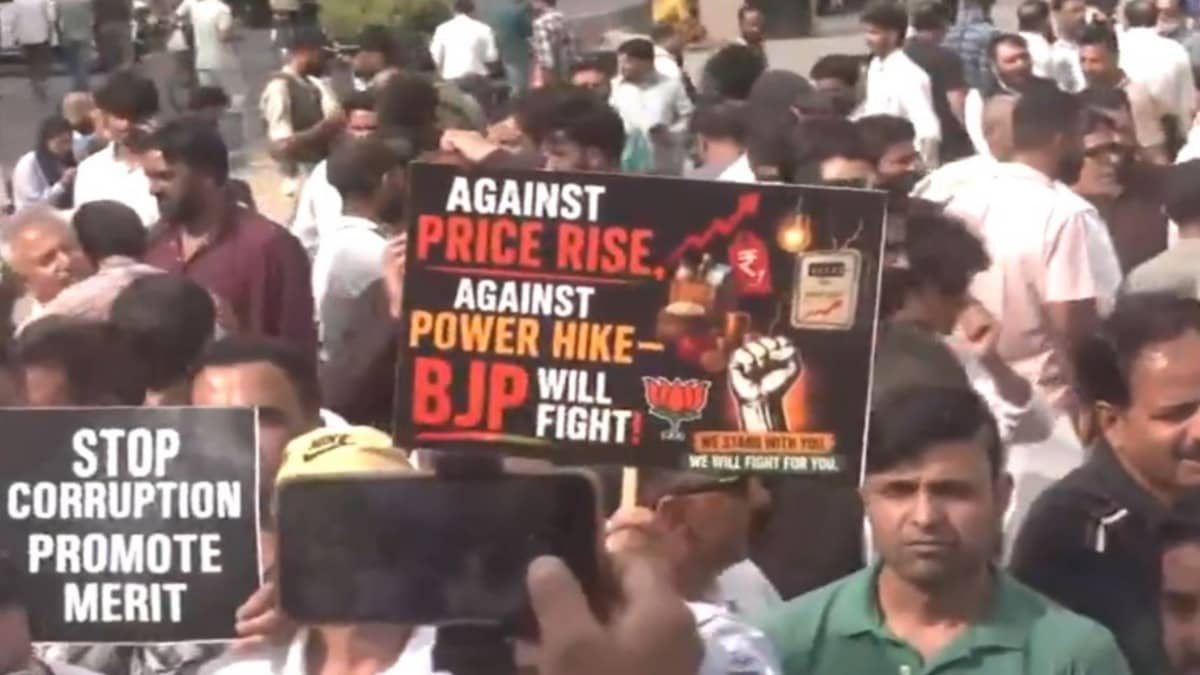
BJP Protests NC Govt Over Unemployment, Price Hike in J&K