2 weeks ago
Sharif Declares Every Drop of Pakistan's Water a 'Red Line'
India and Pakistan are neighboring countries that share big rivers.
A long time ago, in 1960, they made an agreement called the Indus Waters Treaty to share the river water fairly, with help from the World Bank.
The agreement gives Pakistan about 80 percent of the water and India about 20 percent.
In April 2025, after a very sad attack in Pahalgam that killed 26 people, India decided to pause the agreement.
India blamed the attack on terrorists it says were backed by Pakistan.
Since then, India has stopped telling Pakistan how high the water is in some rivers, which used to help Pakistan warn people about floods.
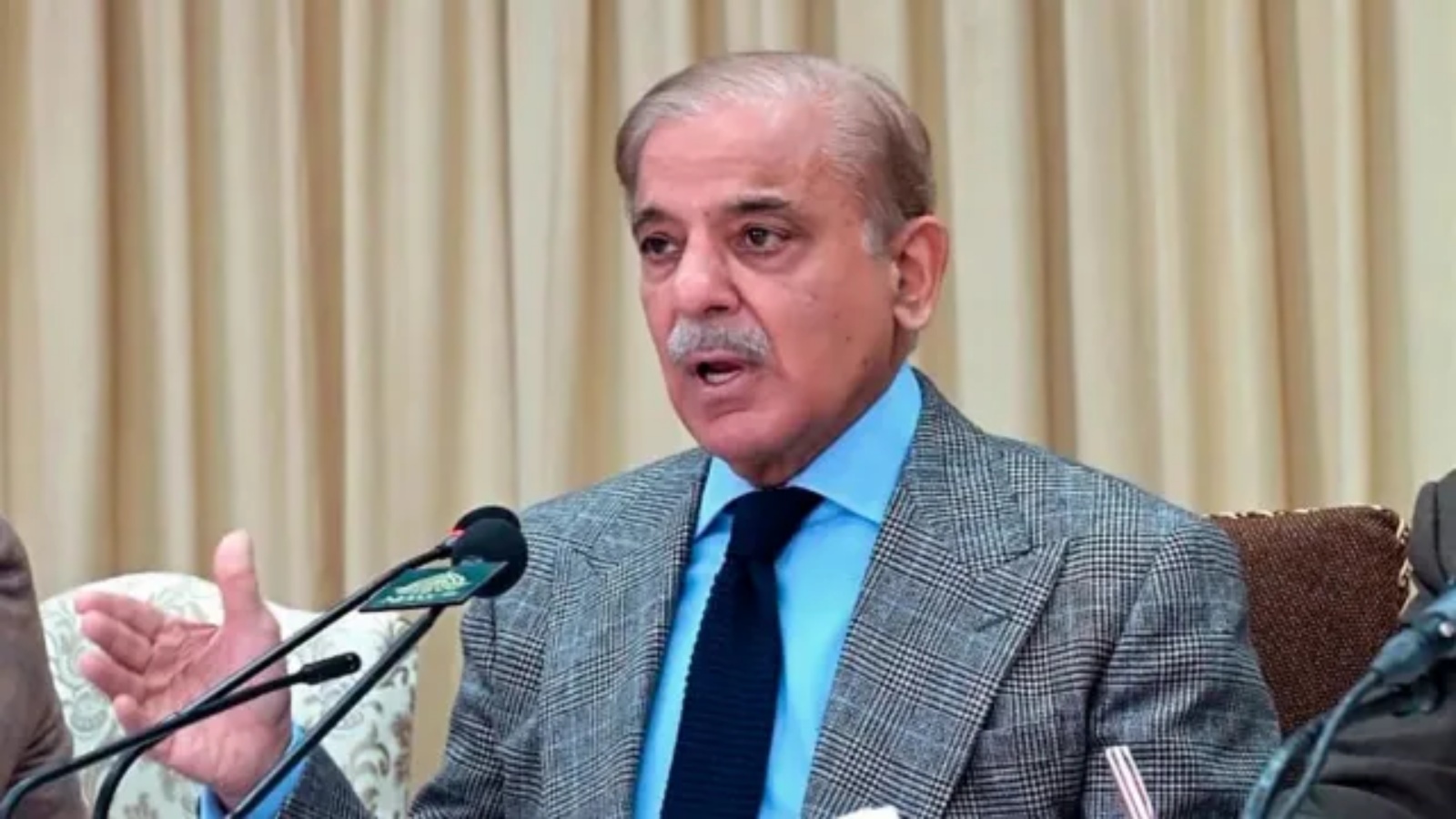
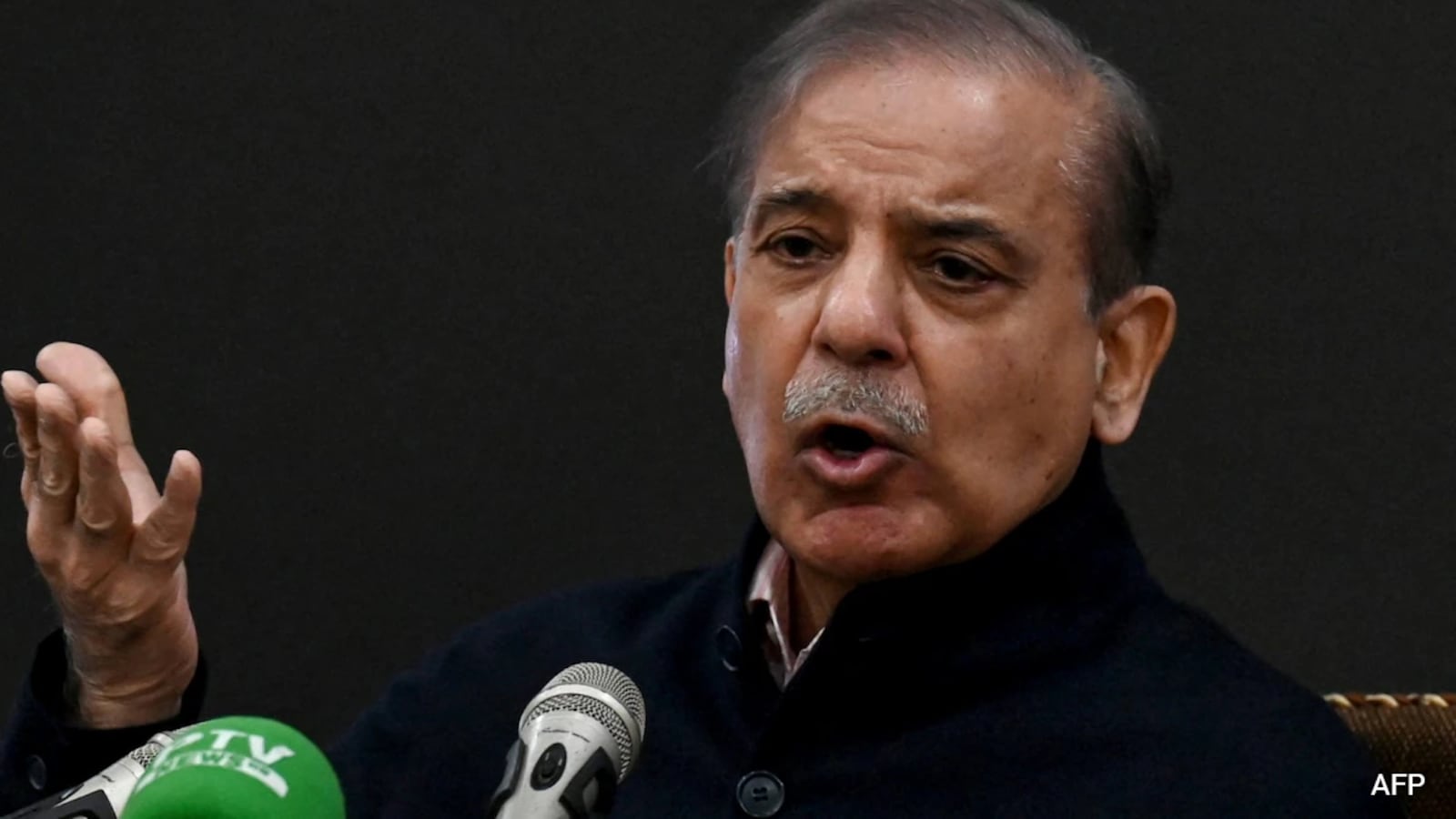
Pakistan's leader, Shehbaz Sharif, recently said that every single drop of Pakistan's water is a 'red line', meaning a limit that must never be crossed.
He warned that Pakistan would respond directly and strongly if India hurt Pakistan's water.
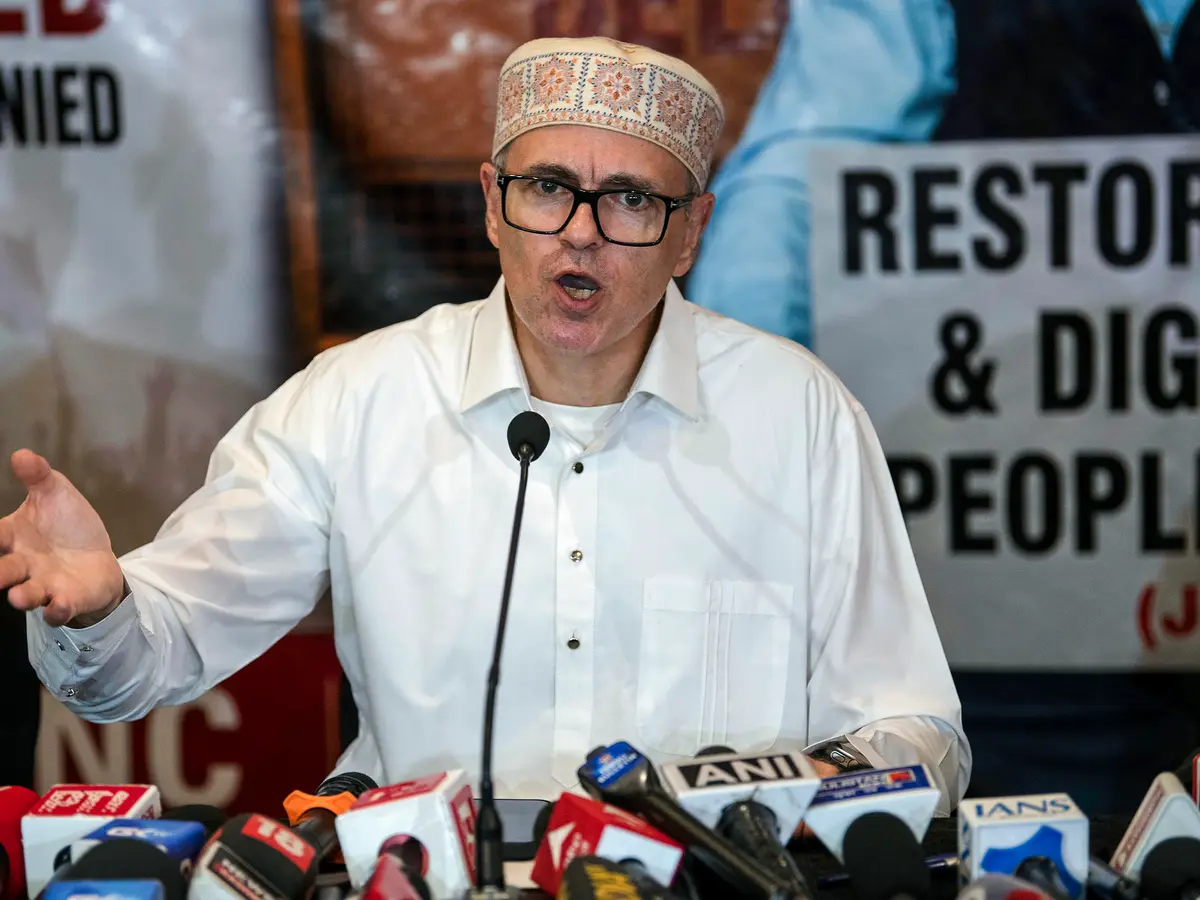
A leader in Indian-administered Kashmir, Omar Abdullah, said the old agreement has stopped Kashmir from using its own water and hopes it stays cancelled.
The two countries are still arguing, and water has become a very sensitive issue between them.

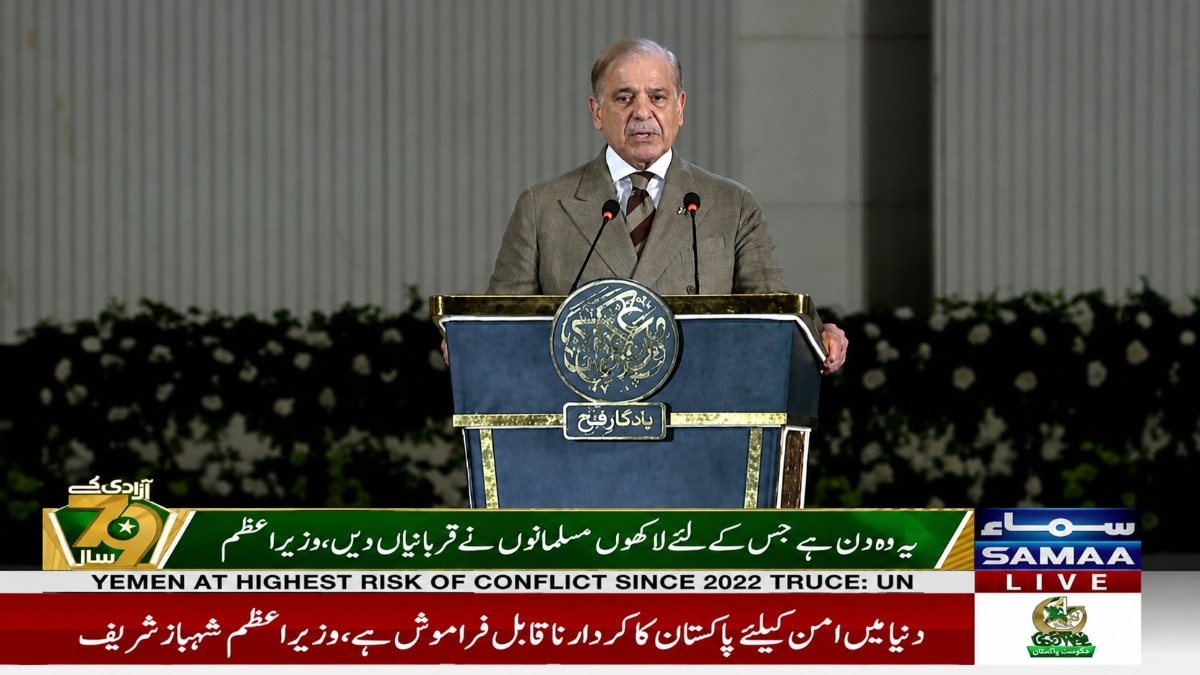
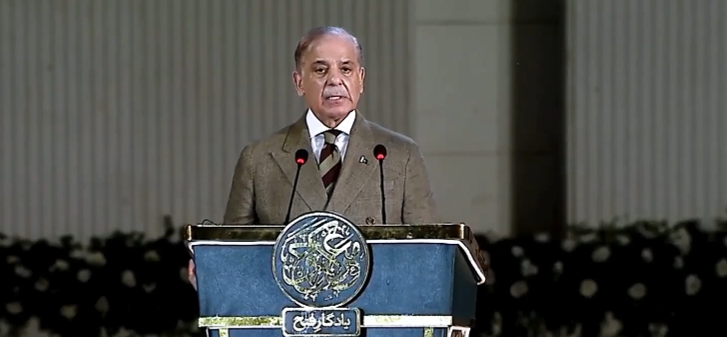
Pakistan PM Shehbaz Sharif declared "every single drop" of Pakistan's water a "red line" at the inauguration of the Yadgar-e-Fatah (Victory Monument) in Islamabad, a day before Pakistan's Independence Day.
Sharif warned India would receive a "direct response" if it did not "come to its senses," accusing New Delhi of "unilaterally and illegally" suspending the 1960 Indus Waters Treaty and becoming an "enemy of peace."
The World Bank-brokered treaty gives India 20% and Pakistan 80% of the Indus River System's water, allocating the eastern rivers (Ravi, Beas, Sutlej) to India and the western rivers (Indus, Jhelum, Chenab) largely to Pakistan.
India placed the treaty in abeyance in April 2025 as a punitive measure after the Pahalgam terror attack killed 26 civilians, and has since stopped sharing water-level and hydrological data that had helped warn people in low-lying areas of Punjab and Sindh about floods.
Jammu and Kashmir Chief Minister Omar Abdullah hit back, saying the treaty had drained the region's water resources, and said the treaty "should remain cancelled" so Kashmir can use its own water.
- Who
- Pakistan Prime Minister Shehbaz Sharif, with Jammu and Kashmir Chief Minister Omar Abdullah responding to his remarks.
- What
- Sharif declared 'every single drop' of Pakistan's water a 'red line' and warned India it would get a 'direct response' over the suspended Indus Waters Treaty.
- Where
- Islamabad, Pakistan, and over the Indus River System shared by India and Pakistan.
- When
- Thursday, at the inauguration of the Yadgar-e-Fatah (Victory Monument) in Islamabad, a day before Pakistan's Independence Day; India suspended the treaty in April 2025.
- Why
- India placed the 1960 Indus Waters Treaty in abeyance as a punitive measure after the April 2025 Pahalgam terror attack that killed 26 civilians, which it blamed on Pakistan-based or Pakistan-backed terrorists.
India's Position
Pakistan's Position
Legality of the treaty suspension
India's Position
India placed the Indus Waters Treaty in abeyance as a punitive measure after the April 2025 Pahalgam terror attack that killed 26 civilians, which it blamed on Pakistan-based or Pakistan-backed terrorists, and has rejected Pakistan's characterisation of the issue.
Pakistan's Position
Pakistan calls the suspension 'unilateral and illegal,' insists the treaty remains legally in force, and has repeatedly raised the issue at international forums.
Water security and data sharing
India's Position
India stopped sharing water-level and hydrological data with Pakistan as part of its measures and has defended its actions in the context of national security following the Pahalgam attack.
Pakistan's Position
Pakistan says every single drop of its water is a 'red line' and warns that losing India's early flood warnings endangers people in low-lying areas of Punjab and Sindh.
Ownership of the rivers' water
India's Position
Omar Abdullah says 'this water is ours... these are our rivers, and we had a rightful claim to them,' arguing the treaty has drained Jammu and Kashmir's water resources, pointing to restrictions on drawing drinking water from the Chenab, building a barrage at Tulbul and constructing large dams.
Pakistan's Position
Sharif asserts Pakistan's claim over the rivers by declaring every single drop a 'red line,' while Abdullah challenges Pakistan's self-image as a well-wisher of Kashmiris when it comes to water.
Key facts
- Treaty
- Indus Waters Treaty (1960)
- Brokered by
- World Bank
- Water allocation
- India 20%, Pakistan 80% of the Indus River System
- Western rivers (largely allocated to Pakistan)
- Indus, Jhelum, Chenab
- Eastern rivers (allocated to India)
- Ravi, Beas, Sutlej
- Current status
- Placed in 'abeyance' by India (April 2025)
- Trigger for suspension
- Pahalgam terror attack, April 2025, killing 26 civilians
- India's action since suspension
- Stopped sharing water-level and hydrological data with Pakistan
Quotes

Shehbaz Sharif
Prime Minister of Pakistan
“I declare in clear terms that every single drop of Pakistan's water is our red line. If India does not come to its senses, it will be responded to directly.”
 NDTV
NDTV
“Pakistan wanted peace and stability in the region but warned that its preference for peace should not be mistaken for weakness.”
 indianexpress.com
Sources
"Water Is Our Red Line": Pak PM Shehbaz Sharif's New Threat On Indus Water
‘Water is a red line’: Pak PM Shehbaz Sharif threatens direct response to India over Indus Waters Treaty
Shehbaz Sharif warns India over Indus waters, says every drop is ‘red line’; Omar Abdullah responds

Shehbaz Sharif Warns India Over Indus Waters, Says 'Every Single Drop' Is Pakistan's Red Line | VIDEO
Related news
India Keeps Indus Treaty Suspended as Pakistan Warns Region
Omar Abdullah Demands Permanent Suspension of the Indus Waters Treaty
Shehbaz Sharif Threatens Direct Response Over Indus Treaty Suspension

Omar Abdullah slams Pakistan over J&K river water rights
Pakistan Raises Indus Treaty Concerns as India Rejects Hague Ruling
Sharif Urges Water Treaty Respect at SCO Summit
Farooq Abdullah’s Threat Claims Ignite Fury Over Kashmir Statehood

Mehbooba Mufti Urges Omar Abdullah to Resolve Intern Stipend Dispute

Rival NC-BJP Protests Roil J&K as Police Halt Marches
Omar Abdullah Alleges Unequal Treatment of Srinagar Political Protests
BJP, National Conference Hold Rival Protests Across Srinagar Streets