

1 week ago
India's Examination Reform Task Force Urged to Prioritize Students
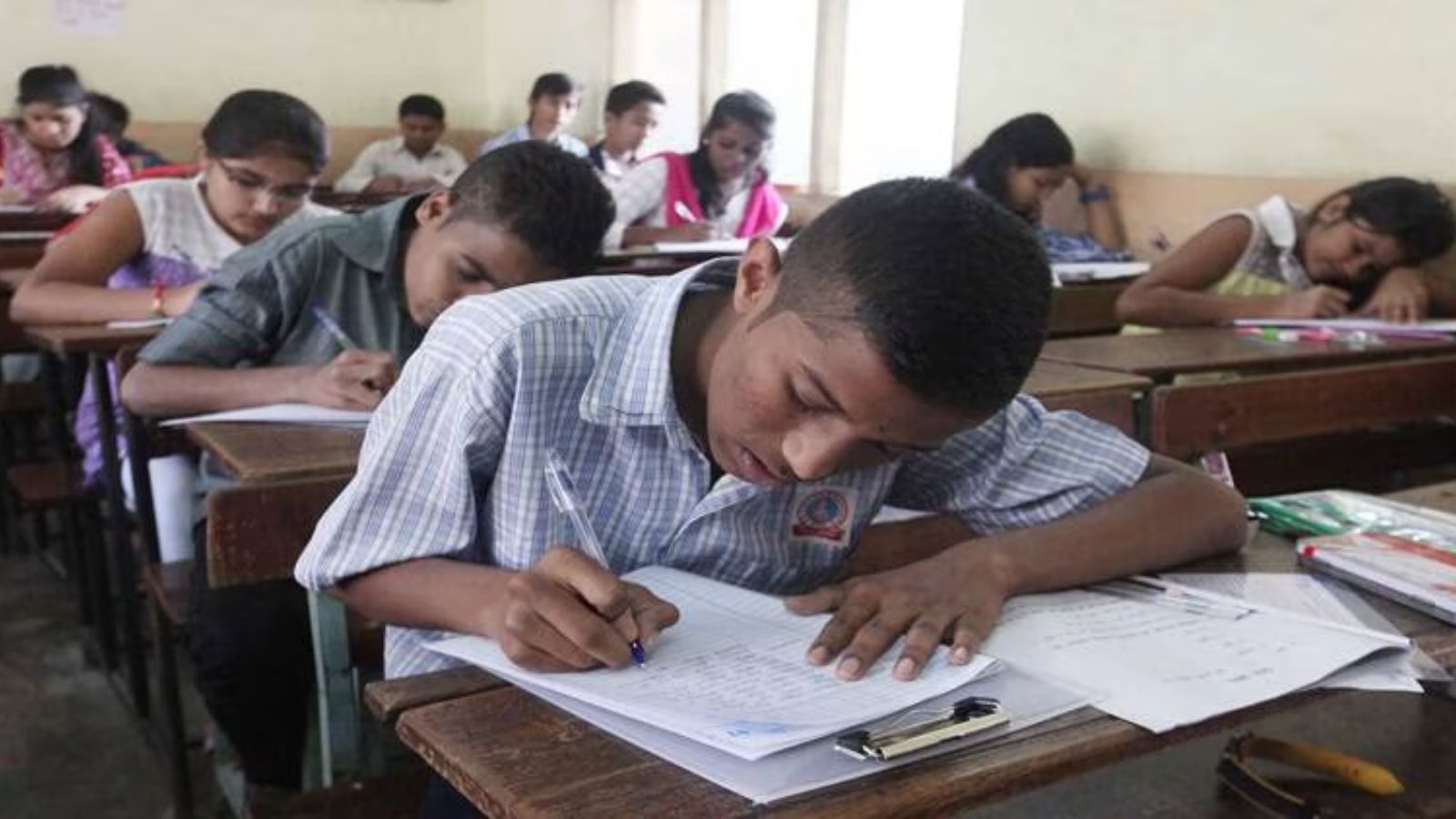
The authors say students in India often take many exams that test nearly the same skills.
Each exam can require more money, travel, coaching, and time.
They suggest keeping board exams for showing what students learned in school.
They also propose one common test for showing readiness for further education.
This test should be offered several times a year and in all 22 scheduled Indian languages.
Students should receive broad readiness levels instead of rankings that make tiny score differences seem extremely important.
Colleges should add their own tests only when they measure special skills, such as design or performance.
If exam authorities make serious mistakes, they should pay the costs and quickly provide a fair replacement.

Authors propose replacing overlapping high-stakes exams with board examinations and a common admissions assessment.
They recommend multiple annual test sittings, nearby centres, and assessments developed in all 22 Eighth Schedule languages.
Results should use broad readiness bands and capability profiles instead of exact scores and national ranks.
Additional institutional tests should be allowed only when they measure abilities not captured by the common assessment.
Exam leaks, cancellations, and major administrative failures should trigger refunds, travel support, replacement exams, and independent grievance processes.
- Who
- The proposal is written by mental health researcher Iti Bhargava and visiting scientist Nachiket Mor; it addresses India’s examination authorities and the task force led by Nandan Nilekani.
- What
- The authors propose a student-centred redesign of India’s examination system, including fewer overlapping exams, multiple test opportunities, readiness bands, and stronger protections after administrative failures.
- Where
- India, including examination centres serving students across the country.
- When
- The article describes an ordinary examination cycle from February through June and says the task force’s work is timely.
- Why
- The proposed changes aim to reduce duplicated costs, travel, pressure, false precision, and the harm caused when examinations are leaked, cancelled, or badly administered.
Security-Focused Reform
Student-Centred Reform
Task force mandate
Security-Focused Reform
The task force should prioritize examination security, digital delivery, and institutional accountability so tests cannot be compromised.
Student-Centred Reform
The task force should adopt a broader mandate that also examines whether assessments are fair, accessible, appropriately designed, and proportionate for students.
Assessment precision
Security-Focused Reform
Retaining exact scores and national ranks can help institutions distinguish among highly competitive candidates.
Student-Centred Reform
Broad readiness bands would better reflect the limits of what assessments can reliably distinguish and reduce the effects of tiny score differences.
Number of examinations
Security-Focused Reform
Institutions may use separate exams to select candidates according to their own requirements.
Student-Centred Reform
Separate exams should be used only when they measure capabilities not already captured by the common assessment and justify their added burden.
Key facts
- Proposed exam structure
- Board examinations would certify school learning, while a common admissions assessment would measure readiness for higher education.
- Language access
- Assessments should be developed and validated in English and all 22 Eighth Schedule languages.
- Test opportunities
- The common assessment should be offered several times a year, with one publicly funded second sitting available when genuinely needed.
- Result format
- Students should receive broad readiness bands and capability profiles rather than exact scores and national ranks.
- Institutional exams
- Additional tests should be permitted only when they demonstrate clear value beyond the common assessment.
- Failure protections
- Leaks, cancellations, and major administrative failures should trigger timely communication, refunds, travel support where required, replacement exams, and grievance redress.
- Task force leader
- The examination-reform task force is led by Nandan Nilekani.
Sources
Related news

India Needs Fewer Public Exams With Broader Applicability

India’s Exam Reform Must Begin in the Classroom

Exam Leaks Expose India’s Deeper Education and Jobs Crisis

Nilekani Panel Seeks Public Input on Examination Reforms
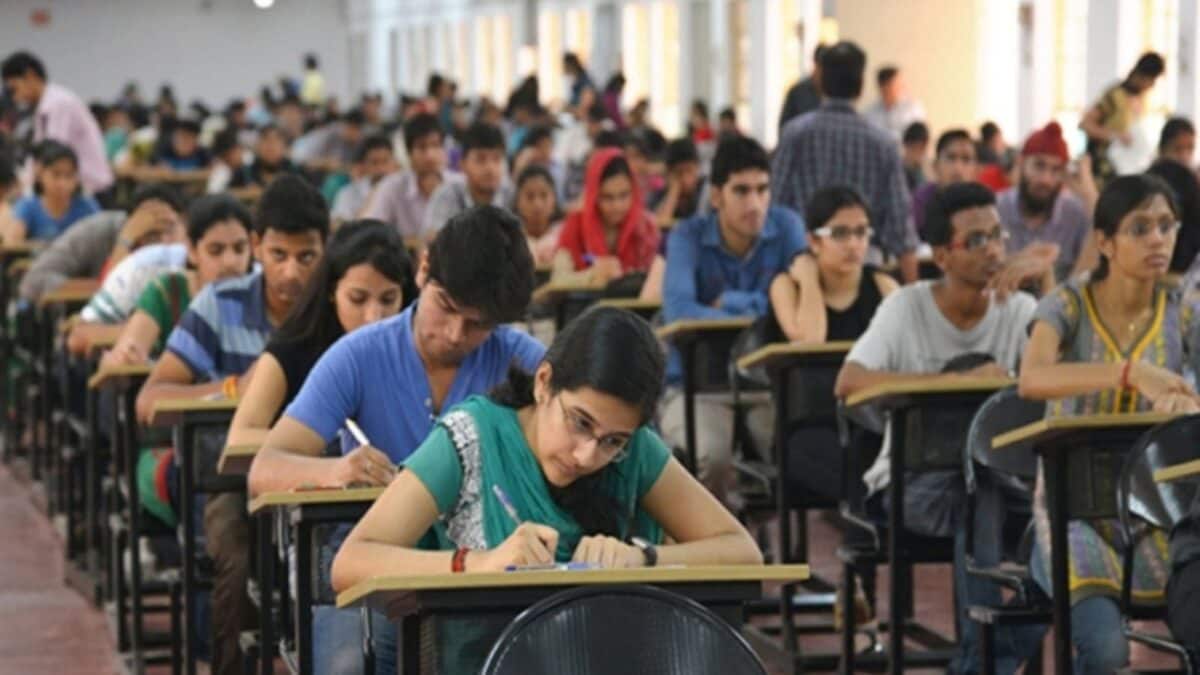
ABVP Urges Two-Stage Exams, Twice-Yearly NEET Reforms

Centre Invites Public Suggestions to Reform India’s Exam System
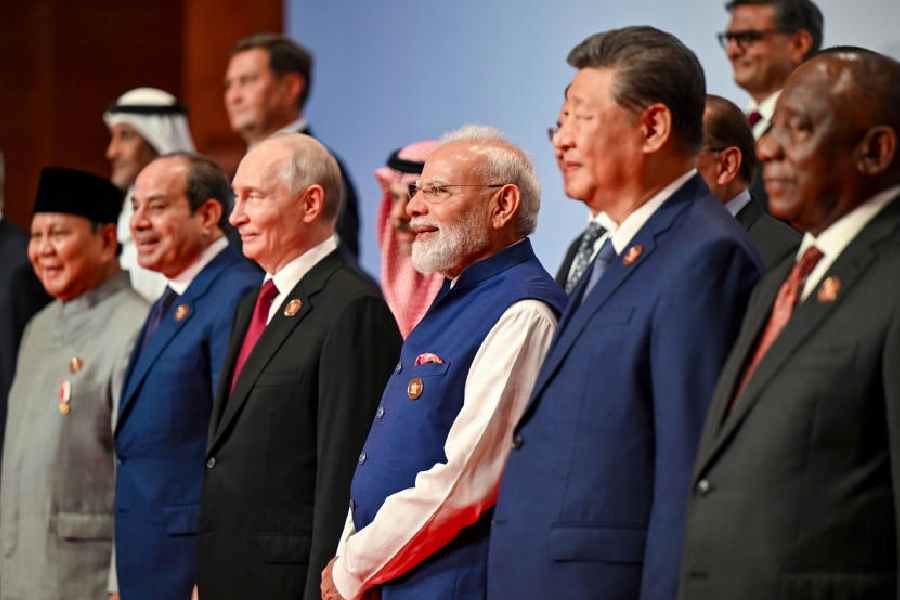
BRICS Summit Builds Bridges Despite Deep Global Divisions

Petrol, Diesel Prices Hold Steady Across Major Indian Cities

Meta Agrees to Report Child Abuse Cases Amid India Crackdown
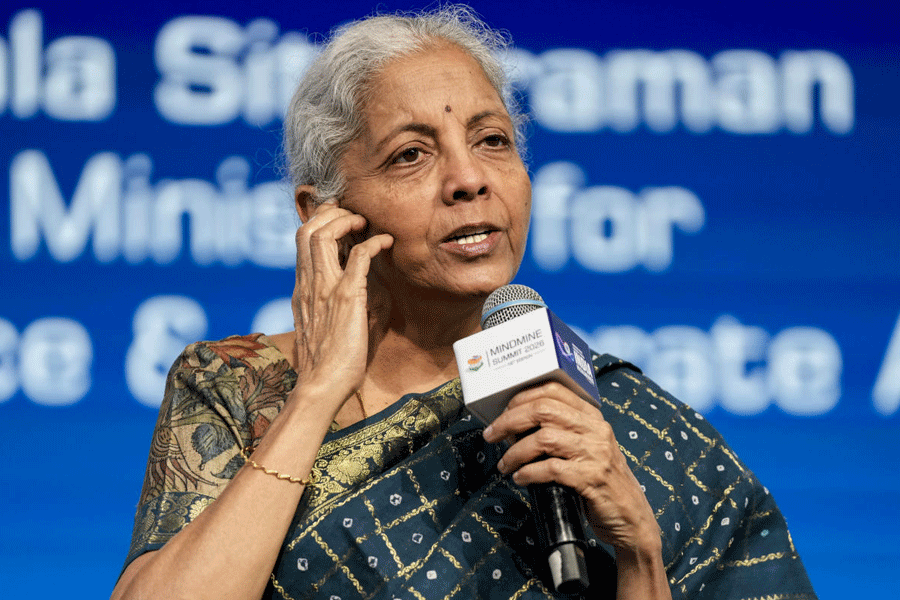
India's Intellectual Swaraj Faces Questions Over Government Control

Before Kashmir War, Pressure, Blockade and Covert Mobilisation Intensified
