6 days ago
Exam Leaks Expose India’s Deeper Education and Jobs Crisis

Two important exams in India had serious security problems this summer.
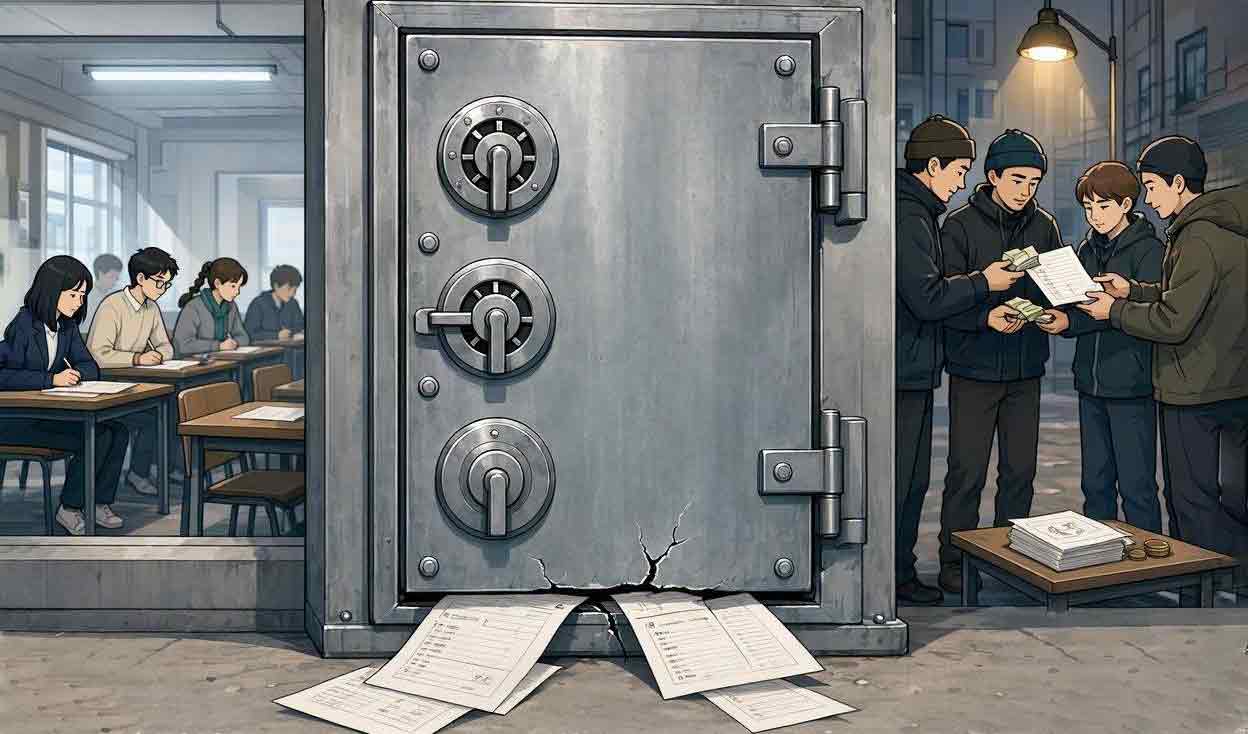
NEET UG was cancelled after questions reportedly appeared in a paper before the test.
The Maharashtra Teacher Eligibility Test was postponed after police found copies of its paper.
These events made students and families lose trust in the examination system.
The article says the problem is not necessarily having one common exam, but how the exam is created and transported.
It suggests using a large encrypted bank of questions so the final test is created only when the exam begins.
That could reduce paper leaks, but it would create new digital-security and fairness challenges.
The article also says coaching businesses and weak job prospects add to students’ frustration.
It argues that employers should value practical skills instead of requiring degrees for every job.

NEET UG was cancelled after a circulating guess paper reportedly overlapped with 120 to 140 actual questions.
A June NEET UG retest involved about 22.8 lakh candidates, while 13 people were charge-sheeted.
The Maharashtra Teacher Eligibility Test was postponed after police recovered question papers before the exam.
The article argues that common examinations should be improved rather than replaced by fragmented tests and institutional discretion.
It proposes encrypted question banks, stronger digital safeguards, coaching-sector oversight, and greater emphasis on demonstrable skills over degrees.
- Who
- Candidates, examination authorities, police, accused people, coaching providers, employers, and young job seekers are involved.
- What
- Two examination failures—the NEET UG cancellation and the postponement of the Maharashtra Teacher Eligibility Test—prompted wider criticism of India’s examination and employment system.
- Where
- The events concerned examinations in India; the Maharashtra paper was recovered in Bhiwandi.
- When
- The NEET UG exam was cancelled in May and retested in June; the Maharashtra test was postponed the evening before it was scheduled.
- Why
- The article attributes the anger to paper leaks, weak examination design, coaching-related criminal networks, credentialism, and limited trust in the jobs available after certification.
Reform the common examination
Replace or limit high-stakes testing
Role of a common test
Reform the common examination
A common examination can be fairer than separate tests, capitation fees, and opaque institutional decisions if its administration is improved.
Replace or limit high-stakes testing
Critics may view repeated failures in a single high-stakes system as evidence that the common-test model itself should be reconsidered.
Physical versus digital security
Reform the common examination
Creating the exam from an encrypted item bank at the scheduled start time could reduce the value of advance paper leaks.
Replace or limit high-stakes testing
Digital testing would shift risks to cybersecurity, hardware, access controls, auditability, and unequal screen conditions.
What should determine opportunity
Reform the common examination
Employers should emphasize demonstrated skills, practical experience, and credible certification rather than automatically requiring degrees.
Replace or limit high-stakes testing
Degrees remain a widely used hiring proxy, and the article notes that changing employer practices and social attitudes would be difficult.
Key facts
- NEET UG candidates
- About 22.8 lakh candidates took part in the June retest.
- NEET UG overlap
- A circulating guess paper reportedly overlapped with 120 to 140 actual questions.
- NEET UG prosecutions
- Thirteen people had been charge-sheeted, according to the article.
- Maharashtra test scale
- The Maharashtra Teacher Eligibility Test involved roughly six lakh candidates and more than 1,000 centres.
- Maharashtra arrests
- Arrests in the Maharashtra case eventually reached 14.
- Reported unemployment
- About 11 million graduates aged 20 to 29 were counted as unemployed in 2023.
- Proposed examination model
- The article recommends encrypted, validated item banks with questions assembled at the scheduled start time.
Sources
Related news
NEET-UG 2026 Paper Leak Crisis Exposes India's Exam Flaws
India's Exam Trust Crisis Brings Nilekani-Led Reform Task Force

Centre Forms Nandan Nilekani Panel to Overhaul India's Examination System

NTA Cancels UGC-NET Papers; Editorial Demands Total Overhaul
Professors Say UGC-NET Retest Cannot Replace Accountability

RBI Forex Swap Draws $136.4 Billion, Led by FCNR(B) Deposits
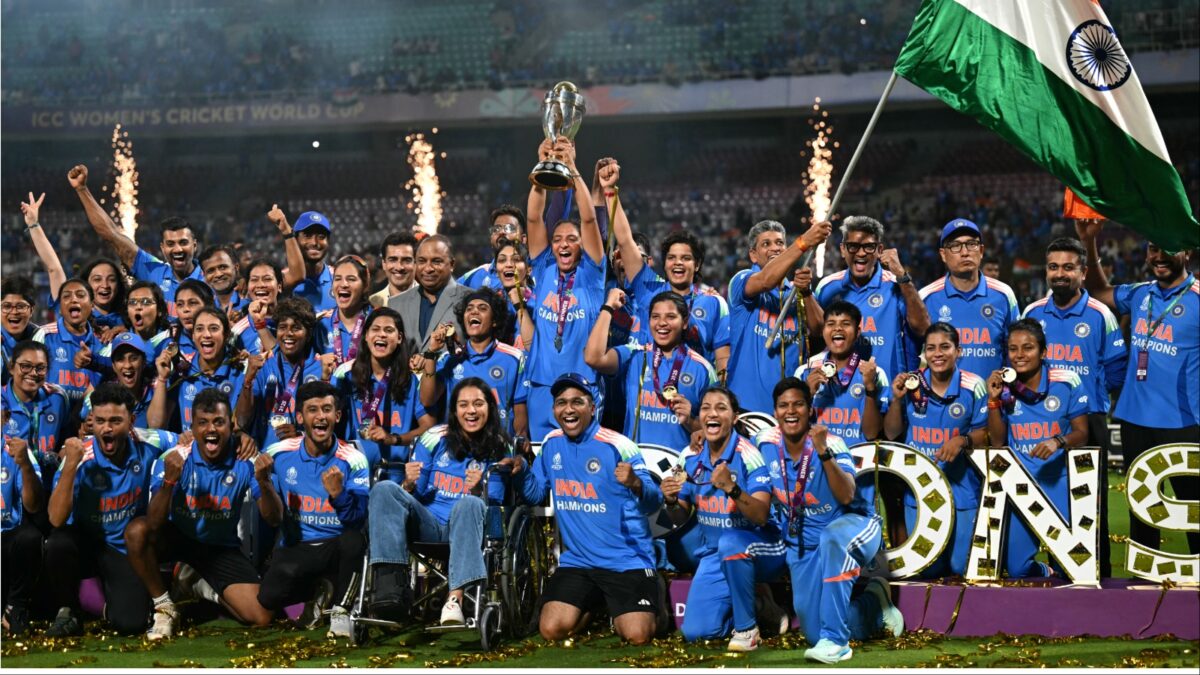
India to Host Inaugural Women's Champions Trophy in 2027

Amazon India Creates 1.6 Lakh Seasonal Jobs for Festive Rush

Two Years After RG Kar Doctor's Rape-Murder, Case Remains Unresolved

Auto Industry Urges Shift From Make to Create in India