

1 day ago
India’s Exam Reform Must Begin in the Classroom

Many students learn how to get high marks without fully understanding their subjects.
This happens when schools focus mostly on memorising answers for important exams.
Keeping exam papers safe is important, but it cannot fix this larger problem by itself.
Students should also show what they know through projects, classroom work, practical tasks and portfolios.
These activities can help teachers notice problems and improve learning early.
Good reading, maths and comprehension skills should be built from the beginning of school.
Teachers need training, time and support to use better assessment methods.
Different parts of India may need different ways to apply the same broad standards.
Exam reform will work best when education is about learning, not only about passing tests.

India’s examination crisis begins in classrooms where learning is often reduced to memorising and reproducing expected answers.
Secure examination systems are necessary, but they do not address deeper weaknesses in teaching and learning.
Schools should use continuous, competency-based assessment alongside written examinations.
The National Education Policy 2020 calls for competency-based, experiential and holistic education, but implementation remains uneven.
Successful reform requires better foundational learning, sustained teacher support and cooperation across India’s education system.
- Who
- Indian students, teachers, schools, governments, examination authorities, universities and civil society.
- What
- A call to reform examinations by improving classroom learning, continuous assessment, foundational education and teacher support.
- Where
- India, with an example from a classroom in a small town in Andhra Pradesh.
- When
- The article discusses reforms currently being introduced and refers to the National Education Policy 2020.
- Why
- Because high-stakes exams can reward memorisation and coaching while leaving students without strong understanding or foundational skills.
Key facts
- Core argument
- Examination reform must begin in classrooms rather than focusing only on exam security.
- Recommended assessment
- Continuous, competency-based assessment through projects, participation, practical tasks, portfolios and teacher observations.
- Role of written exams
- Written examinations should complement, not be replaced by, broader assessment.
- Policy reference
- The National Education Policy 2020 supports competency-based, experiential and holistic education.
- Foundational skills
- Reading, numeracy and comprehension are identified as essential to later independent learning.
- Teacher support
- Teachers need continuing professional learning, mentoring and institutional support.
- Implementation principle
- National standards should allow locally responsive implementation based on language, geography, infrastructure and institutional capacity.
Sources
Related news

India’s Schools Need Holistic Assessment Beyond Examination Scores

Free Coaching Cannot Solve India’s Deeper Education Crisis
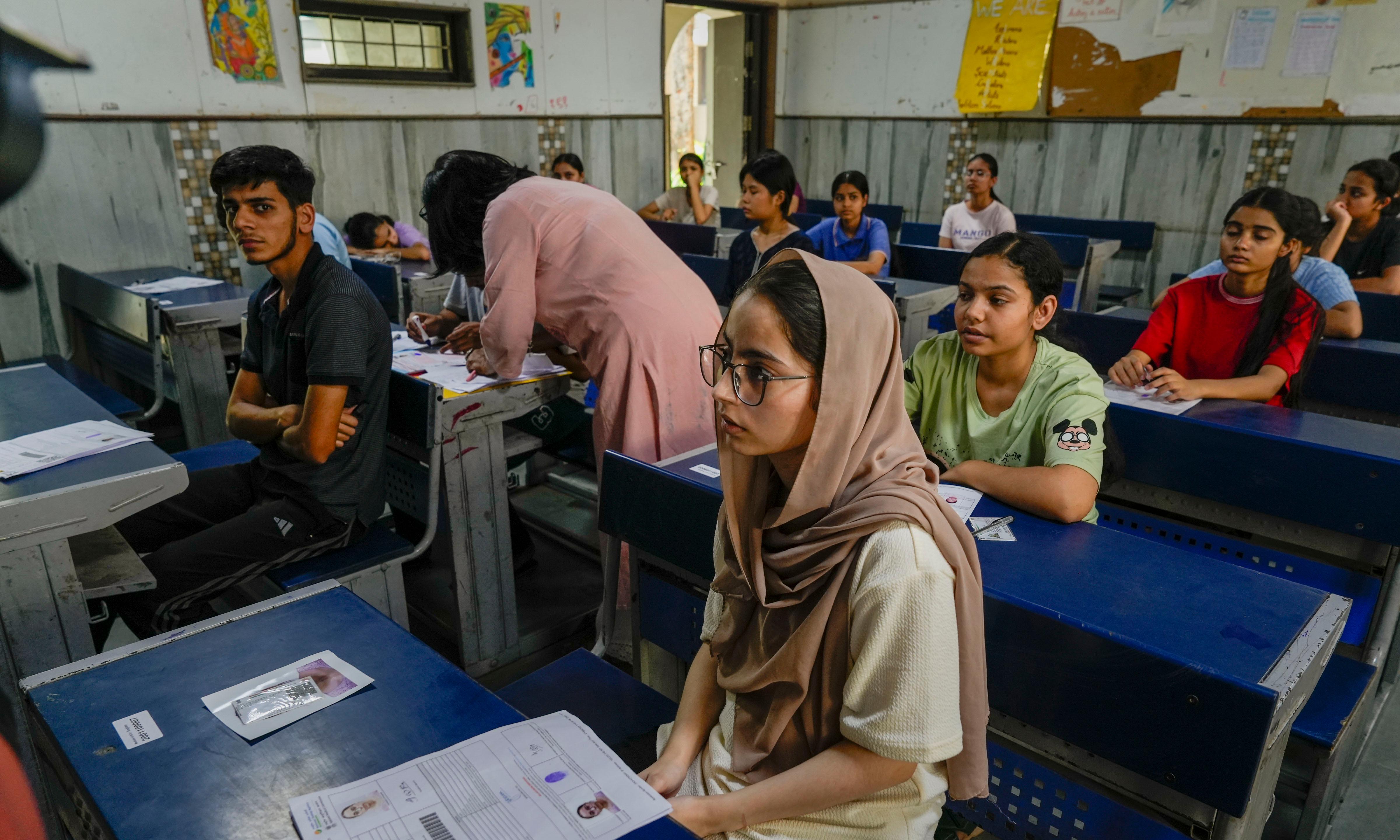
India's Exam Trust Crisis Brings Nilekani-Led Reform Task Force

Exam Leaks Expose India’s Deeper Education and Jobs Crisis

Centre Forms Nandan Nilekani Panel to Overhaul India's Examination System

NCERT Prepares Classes 10-12 Textbooks For Responsible AI Use

Ramesh Seeks Funds for 13 JNVs and Two AIIMS
Andhra Pradesh Government Schools Told to Prioritize Practical Skills

West Bengal, UNICEF Begin Workshop on Inclusive Education
