37 mins ago
BRICS Summit Builds Bridges Despite Deep Global Divisions
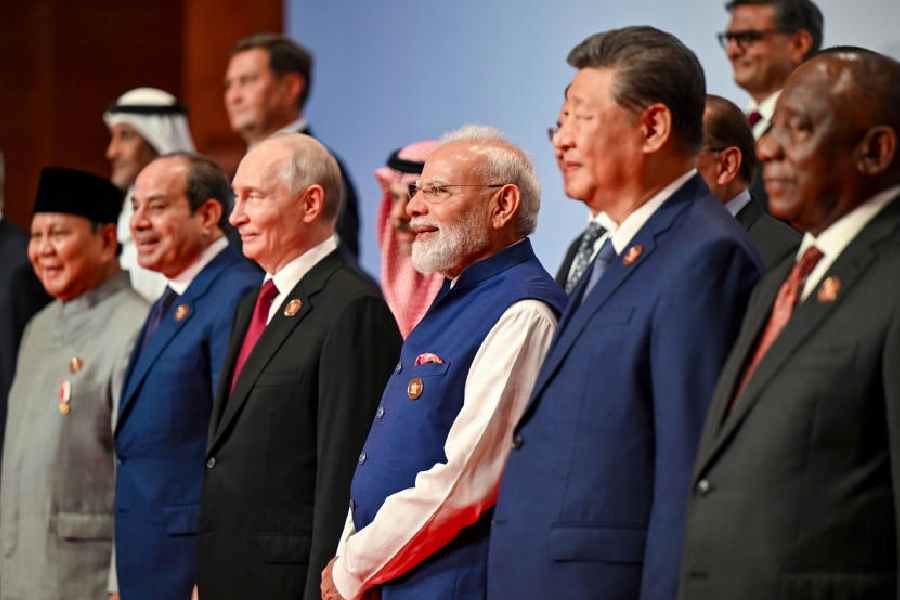
The BRICS countries met in New Delhi for a two-day summit.
They come from different sides of several serious conflicts.
Even so, India helped them agree on a joint declaration.
The declaration criticized terrorism, unilateral sanctions, and Israel’s war on Gaza.
It also mentioned the Pahalgam attack and concerns shared by many developing countries.
Some countries that are arguing with each other were able to sit in the same room and talk.
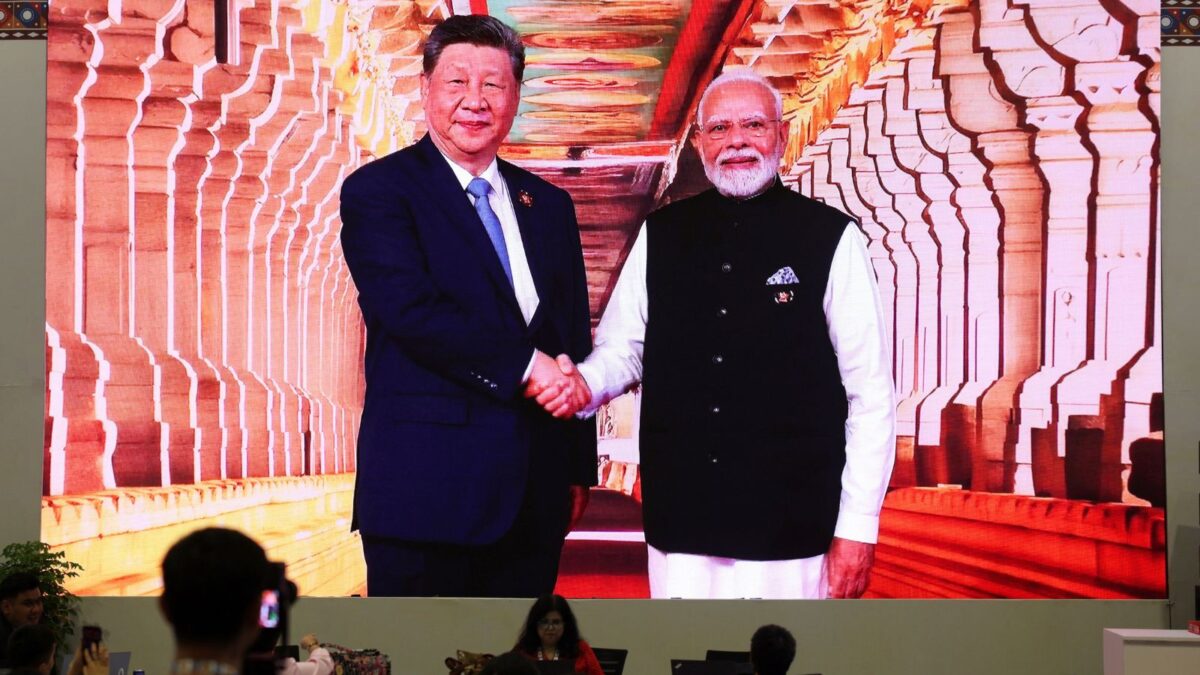
Narendra Modi and Xi Jinping used the meeting to continue cautious discussions between India and China.
However, disagreements made it difficult for BRICS to strongly condemn some wars and attacks.
The summit showed that BRICS can act as a bridge even when countries do not agree.

India secured a joint declaration at the two-day New Delhi BRICS Summit despite major disagreements among participating countries.
The declaration condemned terrorism, referenced the Pahalgam attack, opposed unilateral sanctions and economic warfare, and called for more diverse global institutions.
BRICS condemned Israel’s war on Gaza and attempts to annex the occupied West Bank.
The summit brought together countries with strained relationships, including India and China, Iran and the United Arab Emirates, and the Philippines and China.
The grouping’s divisions also limited its ability to take strong positions on the war involving Iran, attacks in the Gulf, and Russia’s war in Ukraine.
- Who
- India hosted BRICS members and other participating leaders and officials, including Narendra Modi, Xi Jinping, Ferdinand Marcos Jr, Iran’s president, and the foreign minister of Saudi Arabia.
- What
- The two-day BRICS Summit produced a joint declaration while providing a forum for countries with serious disagreements to meet.
- Where
- New Delhi, India.
- When
- During the two-day New Delhi summit; the articles do not provide specific dates.
- Why
- To address shared concerns and maintain dialogue among countries with strained relationships, despite disagreements over conflicts and global affairs.
Bridge-Building Achievement
Limits From Internal Divisions
Joint declaration
Bridge-Building Achievement
India’s ability to secure agreement on a declaration despite major differences showed diplomatic success.
Limits From Internal Divisions
Reaching consensus required language that avoided condemning some parties and conflicts directly.
Dialogue among rivals
Bridge-Building Achievement
The summit gave countries such as India and China, Iran and the United Arab Emirates, and the Philippines and China a platform to communicate.
Limits From Internal Divisions
The presence of competing interests can prevent BRICS from taking firm positions on critical global issues.
Response to conflicts
Bridge-Building Achievement
The declaration clearly addressed terrorism, sanctions, economic warfare, Gaza, and the occupied West Bank.
Limits From Internal Divisions
It avoided condemning the war involving the United States of America and Iran or the countries attacked in the Gulf, while Russia’s membership has limited BRICS’s role regarding the war in Ukraine.
Key facts
- Host
- India hosted the summit in New Delhi.
- Outcome
- Participating countries agreed to a joint declaration.
- Terrorism
- The declaration unambiguously condemned terrorism and referenced the Pahalgam attack.
- Global South concerns
- The declaration opposed unilateral sanctions and economic warfare and supported diversifying global institutions.
- Gaza and West Bank
- The declaration condemned Israel’s war on Gaza and attempts to annex the occupied West Bank.
- India-China dialogue
- Narendra Modi and Xi Jinping met amid cautious momentum following border-related talks.
- Major limitation
- Internal divisions restricted BRICS’s ability to take strong positions on the war involving Iran, Gulf attacks, and Russia’s war in Ukraine.
Sources
Related news
India Secures Unanimous BRICS Declaration After Overnight Diplomacy
BRICS Reaches New Delhi Consensus Despite Iran-UAE Divisions

BRICS Reaches Draft Declaration Ahead of New Delhi Summit

India Hosts BRICS Summit as Iran War Tests Unity

India Faces Impossible Task As BRICS Summit Confronts Internal Divisions
BRICS Declaration Hailed as Diplomatic Breakthrough for India

BJP Edges Congress by Less Than One Percent in Rajasthan Civic Polls

Political Leaders Join Nationwide Ganesh Chaturthi Celebrations and Prayers
North Bengal University explores green energy, battery and AI courses
China Endorses Modi’s Message on India-China Strategic Autonomy