1 hr ago
BRICS 2026: India Bridges West Asia Divides Through Diplomacy
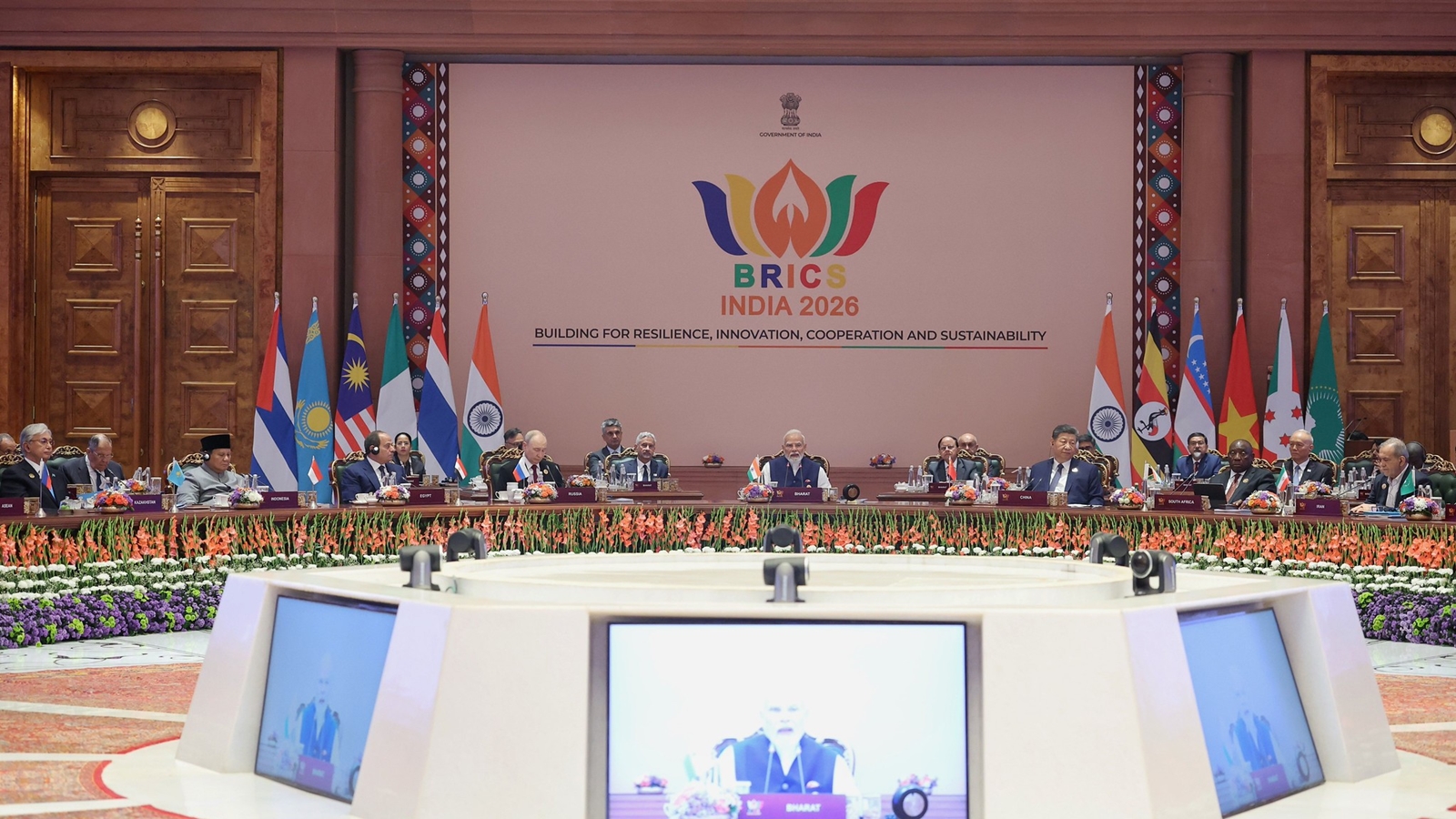
BRICS countries met in New Delhi while countries in West Asia were fighting and disagreeing.
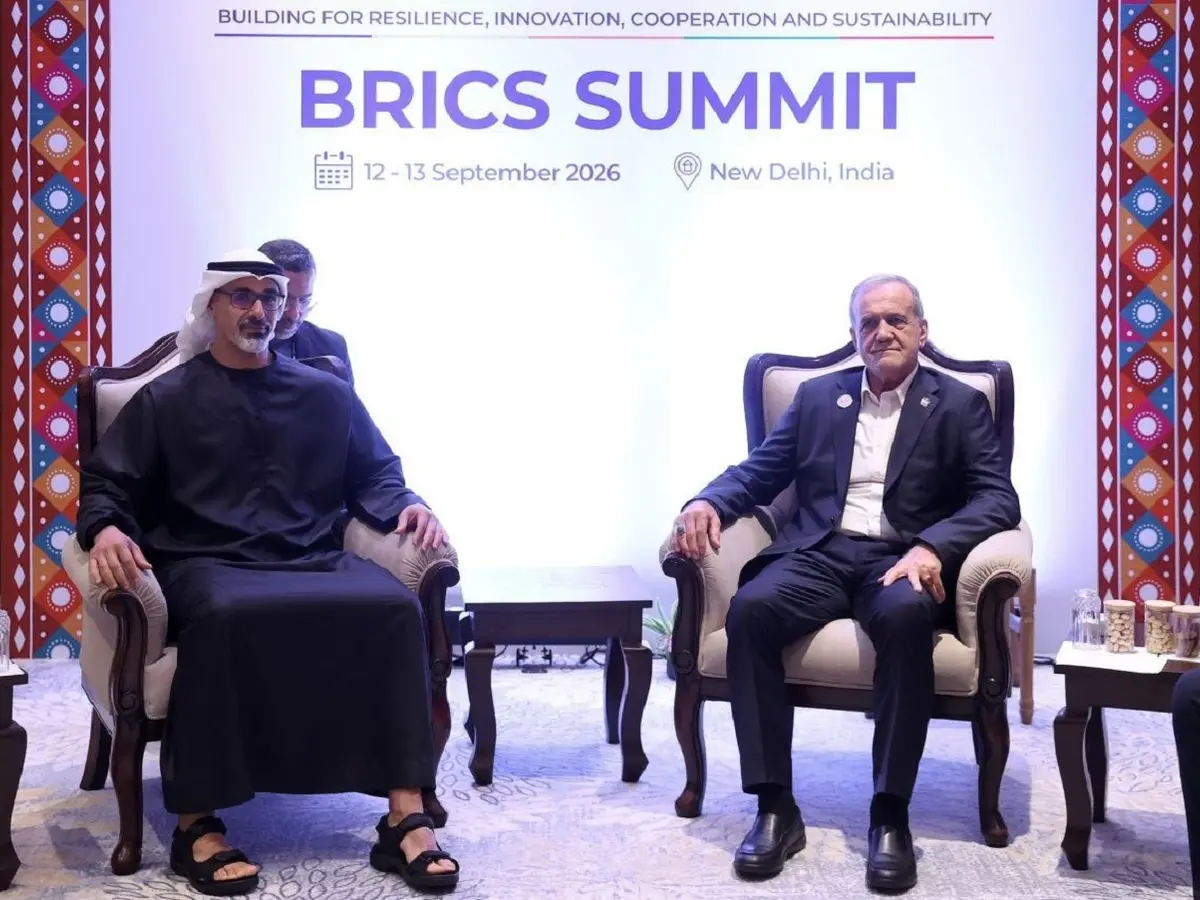
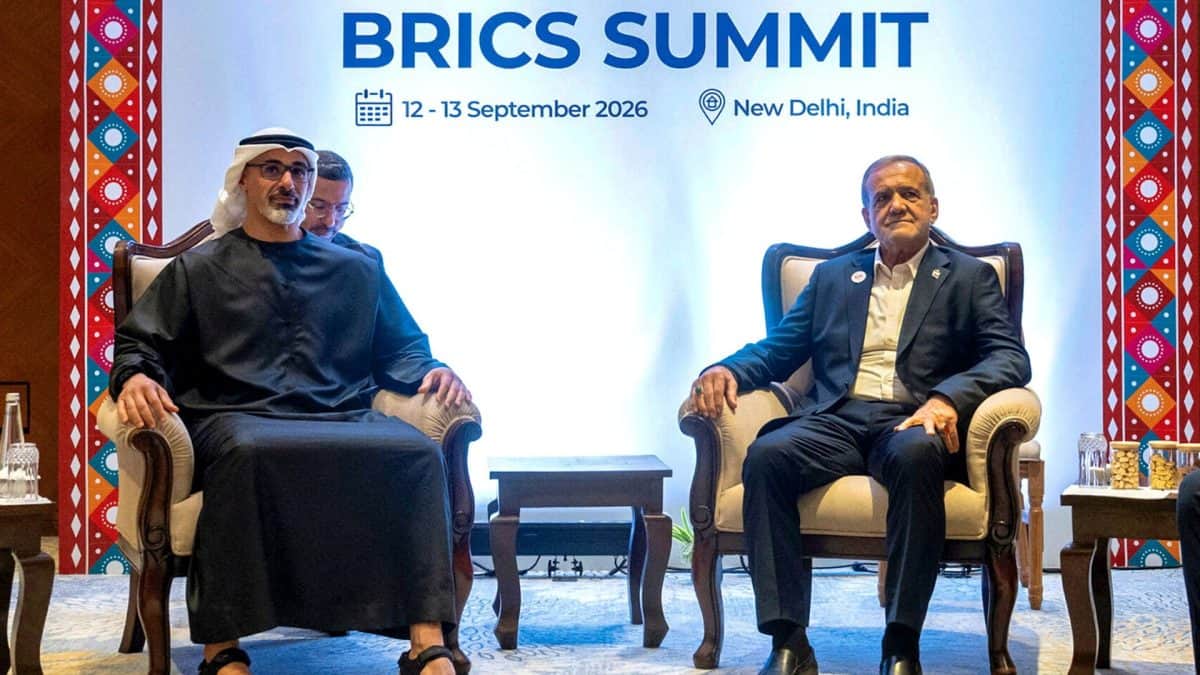
Iran and the United Arab Emirates used the meeting to hold an important conversation.
The countries could not agree on every part of the conflict.
Still, 11 members agreed on a shared declaration.
The declaration was less strongly worded than one made in 2025 because some BRICS members had become involved on different sides of the conflict.
India helped keep the discussion going because it has relationships with both Iran and Arab Gulf countries.
This shows that talking can be useful even before it produces a final peace agreement.
India did not become an official mediator.
Instead, it offered access and communication channels between countries that do not fully trust one another.

Iran and the United Arab Emirates held their first high-level bilateral meeting since the war began.
Eleven BRICS members adopted a New Delhi declaration by consensus after a failed May ministerial meeting.
The declaration used more cautious language than the 2025 Rio statement condemning attacks on Iran.
India used relationships with both Gulf Arab states and Iran to help preserve diplomatic space.
The summit did not make India a formal mediator, but it strengthened its role as a provider of trusted channels.
- Who
- India, as BRICS chair, worked with 11 member states; Iran and the United Arab Emirates also held a bilateral meeting.
- What
- BRICS members adopted a consensus declaration on West Asia and maintained dialogue despite divisions over the conflict.
- Where
- New Delhi, India.
- When
- The developments occurred around BRICS 2026, following a failed foreign ministers' meeting in May 2026; the summit discussion also referred to events since June 2025.
- Why
- The forum provided a setting for dialogue and helped preserve diplomatic space among members with conflicting positions.
Dialogue and diplomatic space
Immediate results and stronger language
How to judge BRICS
Dialogue and diplomatic space
Dialogue itself can be a meaningful outcome when countries are directly involved in a conflict and need a venue to communicate.
Immediate results and stronger language
Multilateral forums should primarily be judged by tangible results rather than by the opportunity they provide for discussion.
Strength of the 2026 declaration
Dialogue and diplomatic space
The softer wording was significant because members had become belligerents or had taken opposing positions, making the stronger 2025 formula unavailable.
Immediate results and stronger language
Compared with the Rio declaration, the New Delhi text can appear weaker because it did not directly condemn the military strikes against Iran.
India's diplomatic role
Dialogue and diplomatic space
India's ties with both Iran and the Arab Gulf gave it the ability to create trusted channels and enlarge space for accommodation.
Immediate results and stronger language
The summit did not make India a direct mediator because formal mediation requires acceptance by the parties, a mandate and a negotiating agenda.
Key facts
- Summit
- BRICS 2026 in New Delhi
- Consensus
- Eleven members adopted the New Delhi declaration
- Iran-UAE meeting
- The two countries held their first high-level bilateral meeting since the war began
- Earlier declaration
- The 2025 Rio declaration condemned military strikes against Iran as violations of international law and the UN Charter
- May 2026 meeting
- BRICS foreign ministers met in New Delhi but produced no declaration
- Agreed language
- Members reiterated the importance of the Palestinian question and the two-state solution
- India's role
- India offered political access and channels for accommodation, rather than formal mediation
Sources
Related news
Delhi Uses BRICS Summit For West Asia Diplomacy
India Helps Iran, UAE Bridge Divisions at BRICS Summit
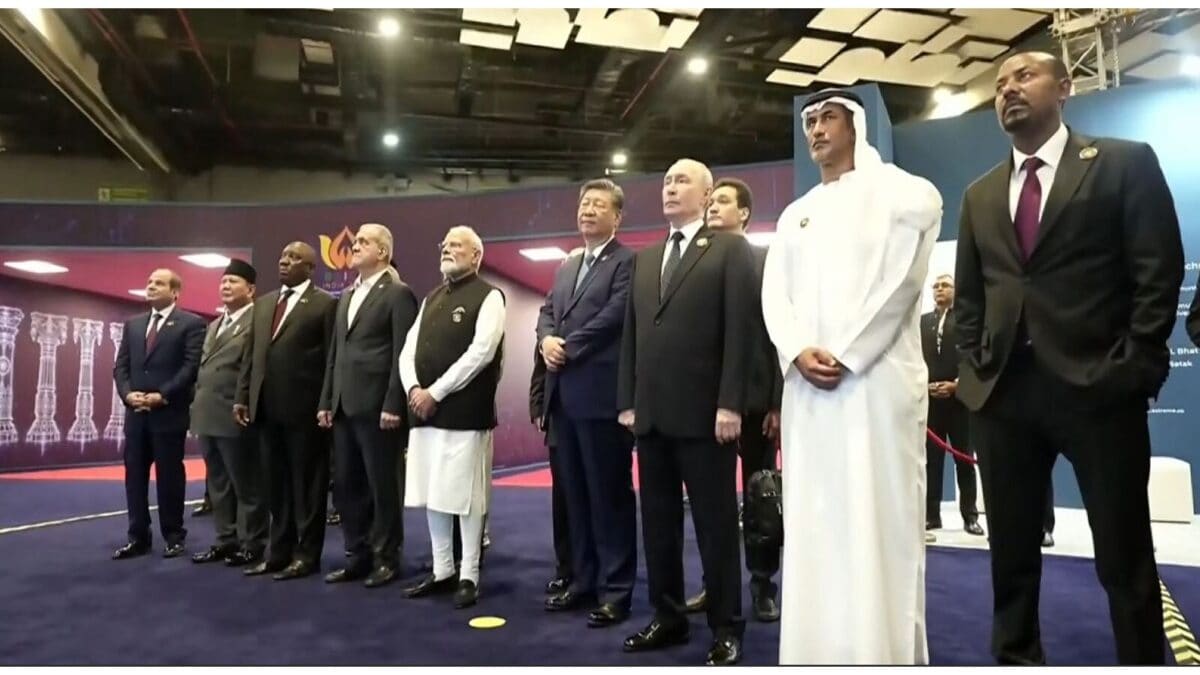
India Secures Unanimous BRICS Declaration After Overnight Diplomacy
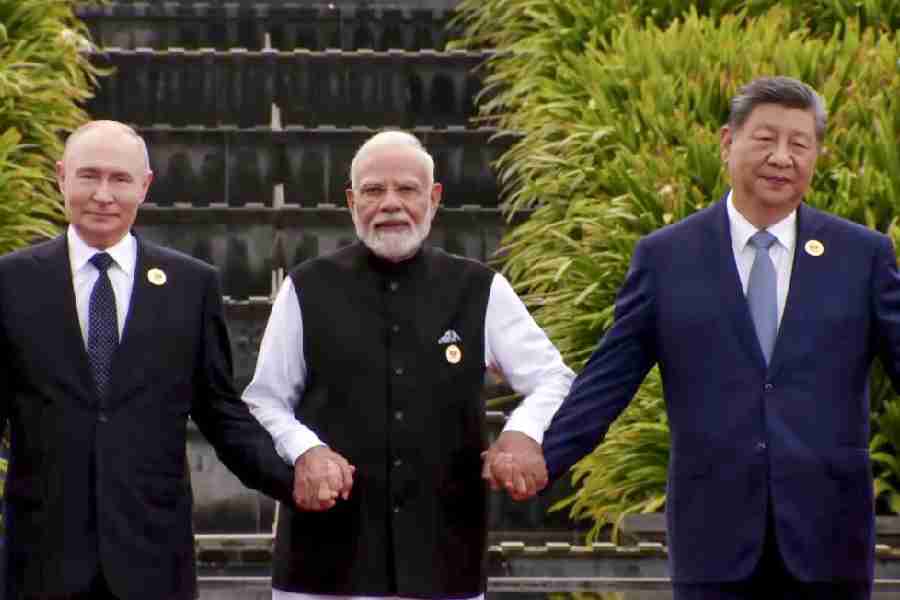
BRICS Reaches New Delhi Consensus Despite Iran-UAE Divisions

BRICS Declaration Reasserts Diplomacy, Cooperation and Unweaponised Trade
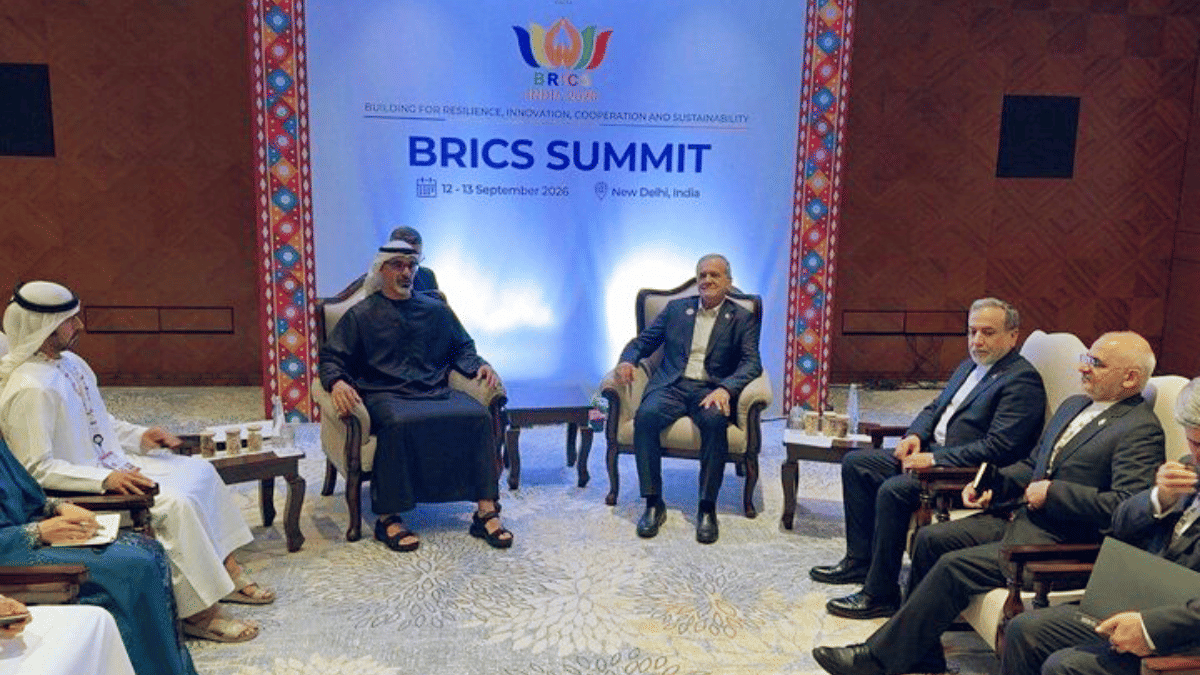
Iran and UAE Leaders Meet Amid War Tensions at BRICS

Samsung Reports Rapid Growth in India’s AI Appliances Demand
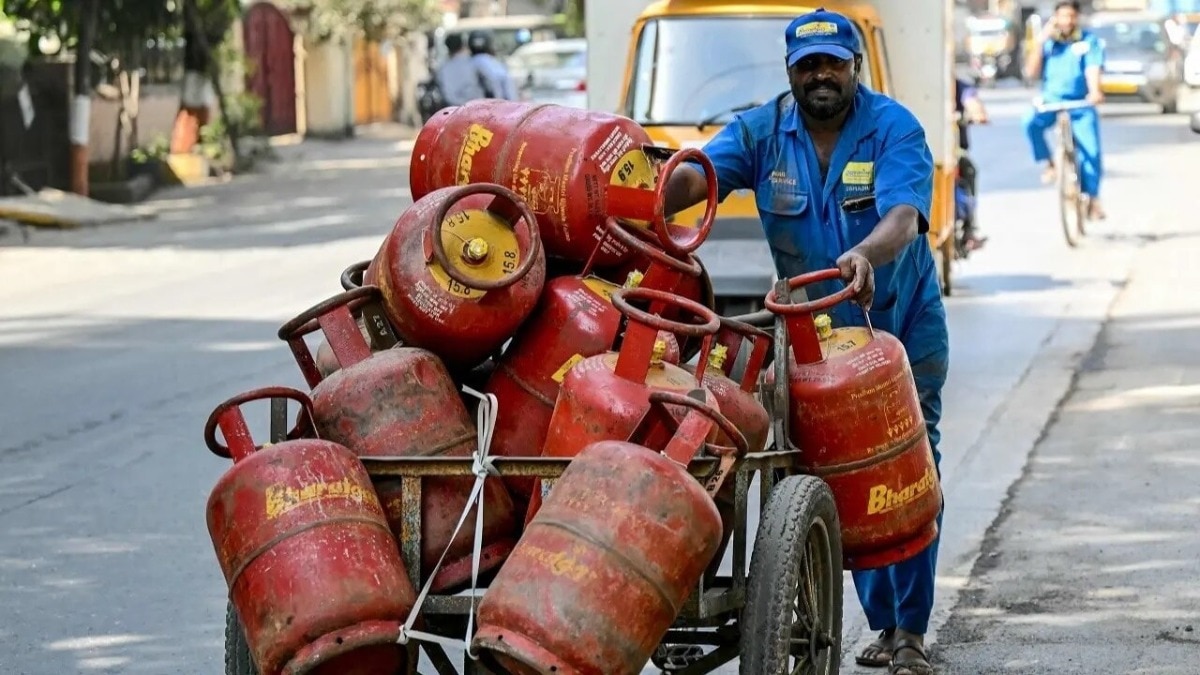
LPG, CNG and PNG Rates Amid West Asia Energy Tensions
South Korea Rules Out Troops Amid Trump’s Iran War Pressure
Moody’s Raises India FY27 Growth Forecast to 7% Amid Resilience