1 hr ago
BRICS Declaration Reasserts Diplomacy, Cooperation and Unweaponised Trade

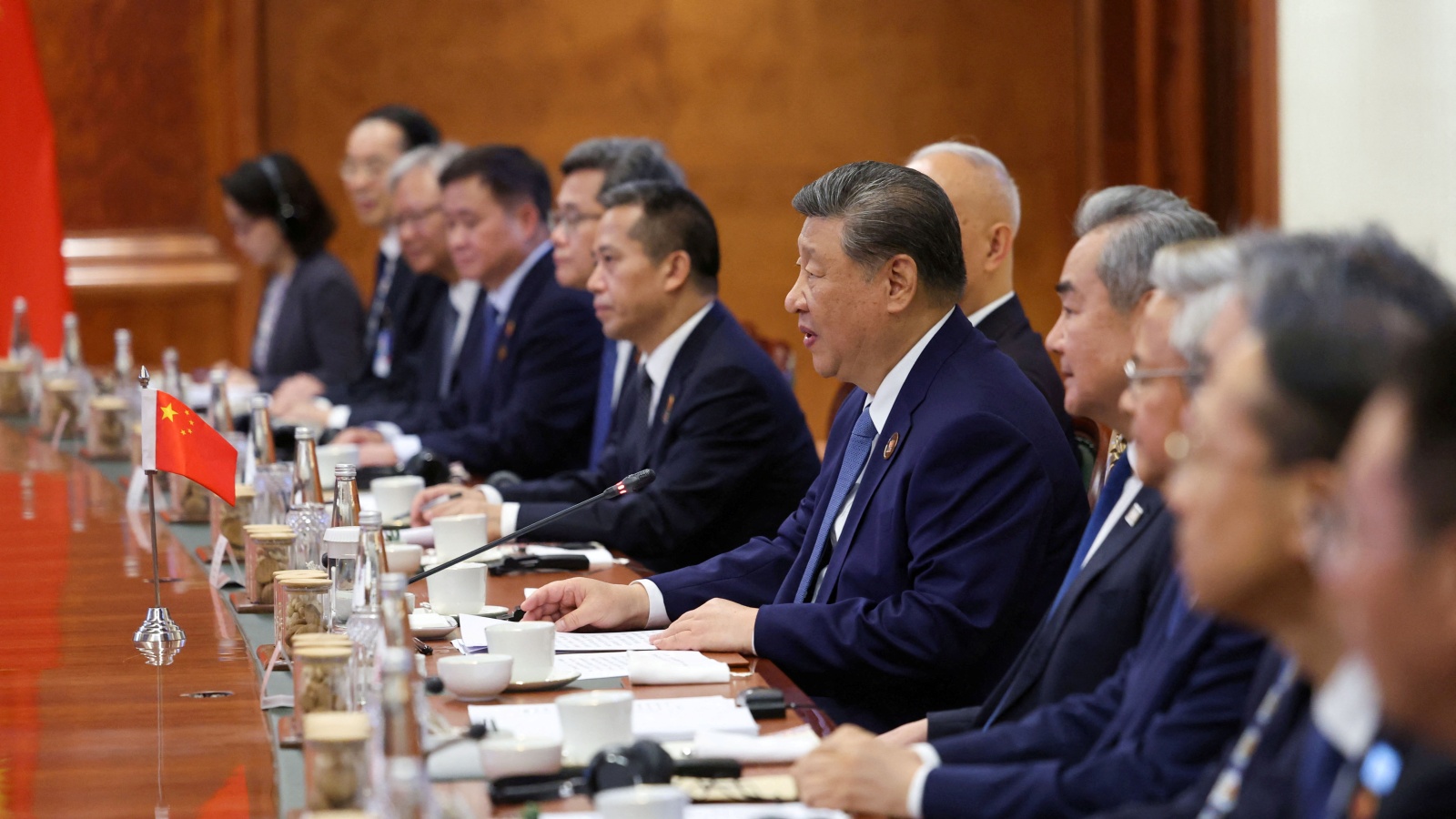
The BRICS countries issued a document called the New Delhi Declaration 2026.
It says countries with different political systems can still meet and cooperate.
It also says countries involved in conflicts can talk and agree on some issues.
Iran and the United Arab Emirates called for restraint so conflicts would not become worse.
The declaration criticises sanctions, blockades and other measures imposed by individual countries.
It says food, energy and other important goods should be able to move without being used as weapons.
Instead of creating one BRICS currency, the countries want to connect their payment systems.
The document also supports cooperation on artificial intelligence and digital resilience.

The New Delhi Declaration 2026 presents diplomacy and cooperation as alternatives to great-power rivalry.
BRICS members supported maximum restraint to avoid worsening conflicts involving Iran and the UAE.
The 45-page declaration strongly criticises unilateral sanctions, coercive measures and blockades.
The document says essential supply chains and trade routes, especially for hydrocarbons, should not be weaponised.
Rather than prioritising a BRICS currency, the declaration supports linking member payment systems and building AI capacity.
- Who
- BRICS member states, including Iran, the United Arab Emirates and India.
- What
- The group adopted the New Delhi Declaration 2026, emphasizing diplomacy, cooperation, restraint and more resilient trade and payment systems.
- Where
- At BRICS and in the context of conflicts across West Asia.
- When
- In 2026, according to the declaration's title.
- Why
- To preserve diplomatic engagement, oppose the weaponisation of trade and supply chains, and strengthen cooperation among developing countries.
Skeptical interpretation
Diplomatic interpretation
Purpose of multilateral forums
Skeptical interpretation
BRICS and similar forums can be viewed as ineffectual pageantry or as tools for great powers to expand hegemonic influence.
Diplomatic interpretation
The declaration demonstrates that countries with different systems and opposing military positions can still meet, cooperate and agree to disagree.
Future economic cooperation
Skeptical interpretation
A BRICS currency could be seen as the more ambitious direction for reducing dependence on existing financial systems.
Diplomatic interpretation
The declaration takes a more practical approach by focusing on linking existing payment systems, including India’s UPI architecture.
Sanctions and trade restrictions
Skeptical interpretation
The article presents Washington’s unilateral sanctions, coercive measures and blockades under Donald Trump as examples of great-power excesses.
Diplomatic interpretation
The declaration argues that trade routes and supply chains for essential goods, particularly hydrocarbons, should remain open and not be weaponised.
Key facts
- Document
- New Delhi Declaration 2026
- Length
- 45 pages
- Sanctions focus
- More than 130 paragraphs address unilateral coercive measures, sanctions and blockades.
- Conflict-related position
- Iran and the United Arab Emirates called for maximum restraint and avoidance of actions that could aggravate tensions.
- Trade position
- Essential supply chains and trade routes, especially for hydrocarbons, should not be weaponised.
- Payments
- The declaration prioritizes linking payment systems among member states rather than pursuing a BRICS currency.
- Technology
- The declaration emphasizes artificial-intelligence capacity building and digital resilience.
Quotes
Iran and the UAE
States whose consensus on restraint is cited in the BRICS declaration
“exercising maximum restraint, as well as avoiding actions that could further aggravate the situation”
 indianexpress.com
Sources
Related news
BRICS Reaches New Delhi Consensus Despite Iran-UAE Divisions
India Secures Unanimous BRICS Declaration After Overnight Diplomacy

BRICS Adopts New Delhi Declaration Despite West Asia Divisions
BRICS Declaration Balances Rivalries While Elevating Global South
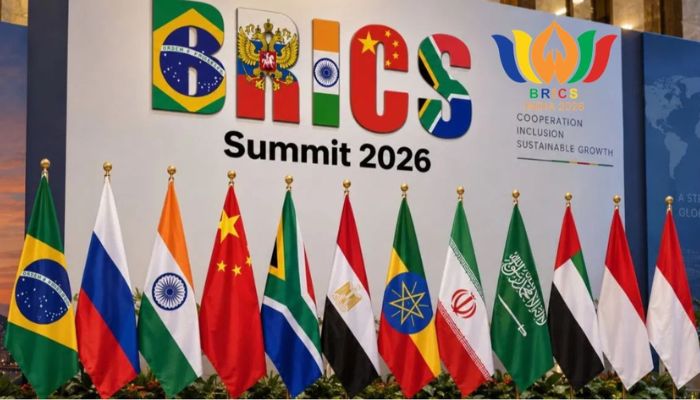
BRICS Adopts New Delhi Declaration Amid Global Divisions
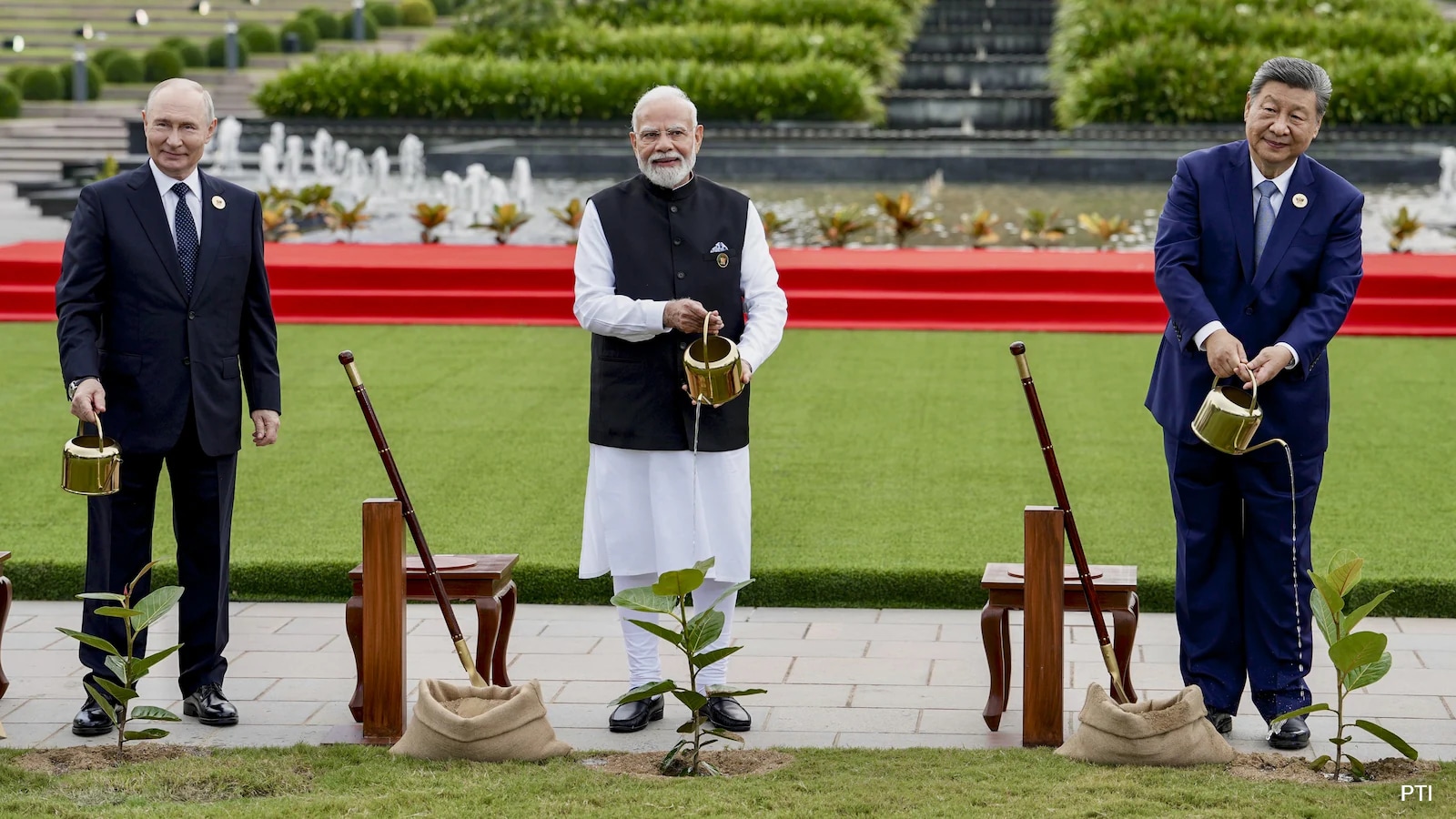
BRICS Summit Reaches Consensus Amid Global Tensions

India-Sri Lanka Asia Cup Final Leads September 14 School Headlines
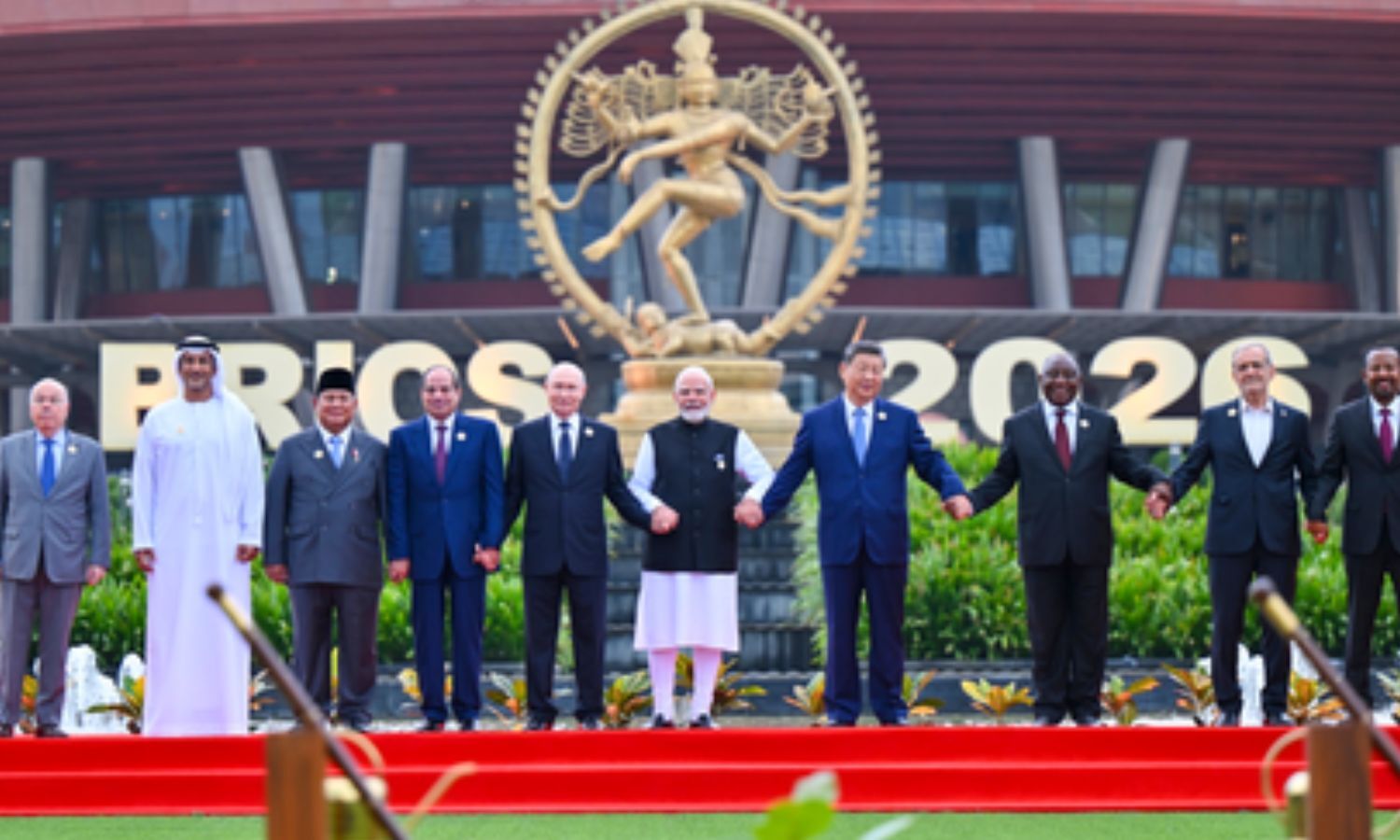
NDA Leaders Call BRICS Declaration Diplomatic Victory for India

India Secures BRICS Consensus on Trade Amid West Asia Rift
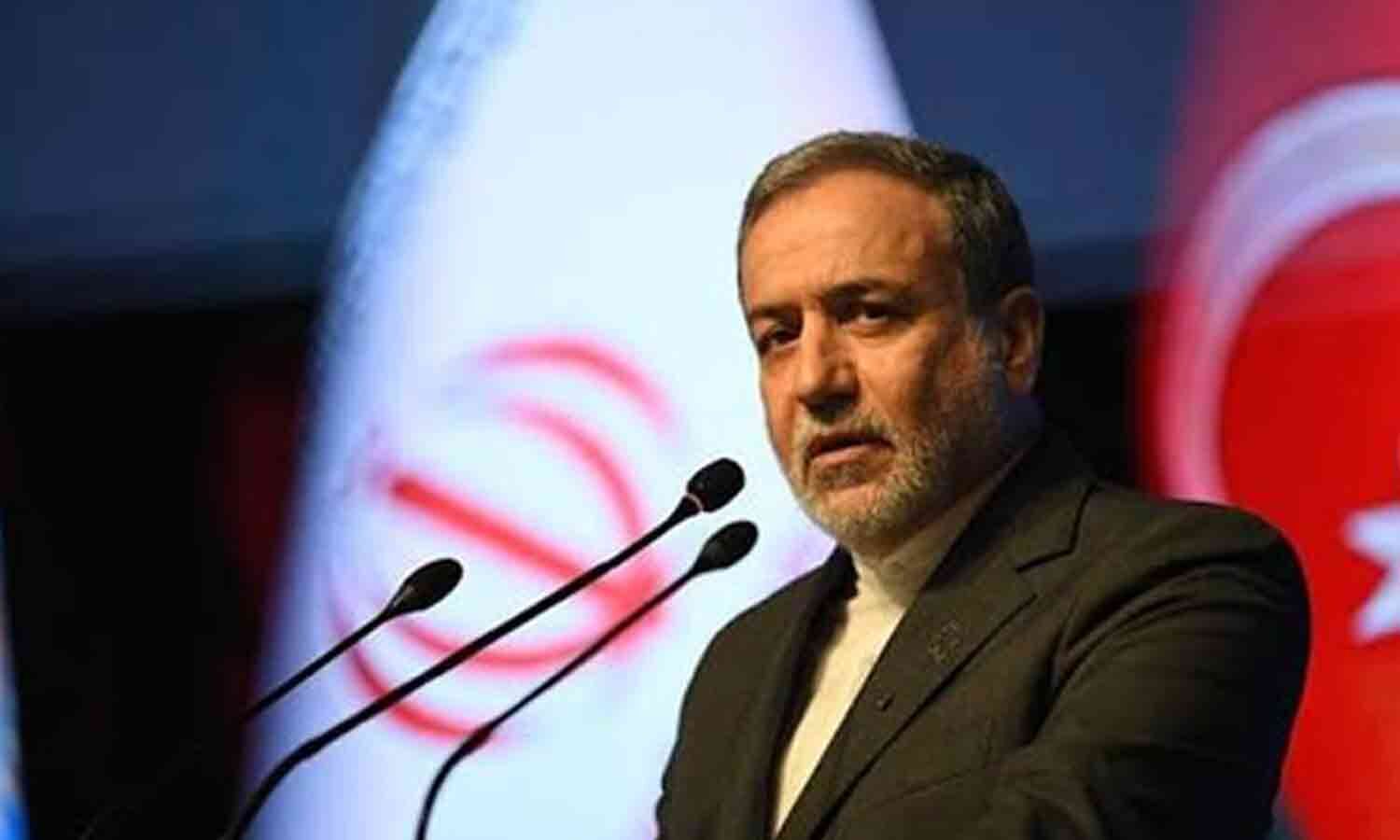
Iran, Iraq and Turkey Urge Restraint Amid West Asia Tensions