1 week ago
PV Sindhu’s Brain Wearable Tracks Cognitive Workload
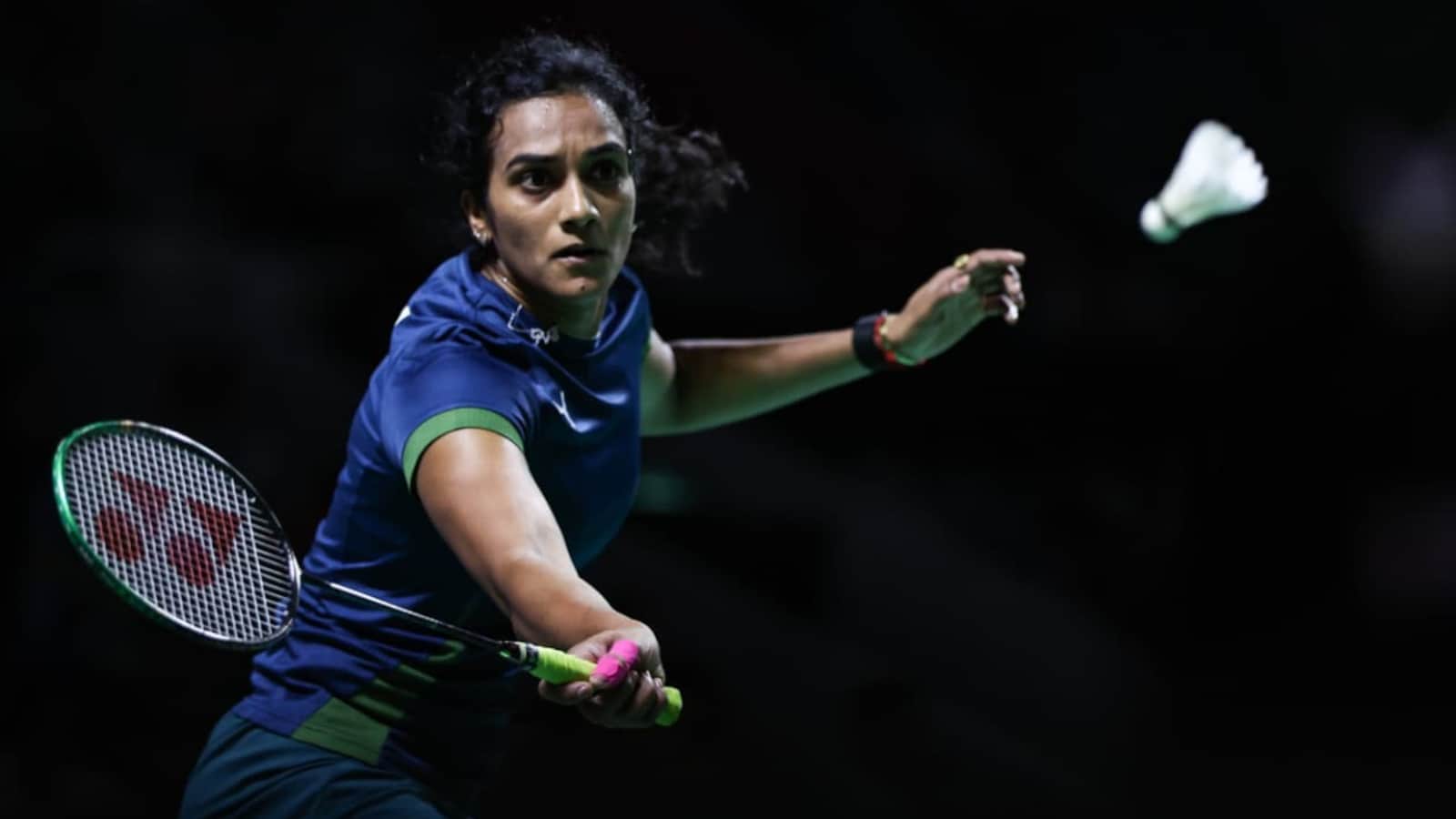
PV Sindhu wore a small device near her forehead while playing badminton.
The device is called Temple.
It may measure signals linked to blood flow and oxygen in the brain.
It may also estimate how hard the brain is working.
This could help show mental tiredness during difficult matches.
Regular fitness watches mostly measure things like heart rate, movement and sleep.
The device cannot read thoughts or diagnose an illness.
Scientists need to test it carefully and study its readings over a long time.

PV Sindhu was seen wearing Temple during the 2026 BWF World Championships in New Delhi.
The forehead-mounted device reportedly monitors cerebral blood flow, brain oxygenation and cognitive load.
Brain monitoring could reveal mental fatigue that conventional trackers measuring heart rate and movement may miss.
Experts say Temple is not an EEG, MRI or clinical neurological assessment and cannot diagnose brain conditions.
Its potential value depends on scientific validation and long-term comparisons with sleep, training, recovery and performance data.
- Who
- Indian badminton player PV Sindhu, with commentary from neurologist Dr Sanjay Pandey.
- What
- Sindhu was seen using Temple, an emerging brain-focused wearable that reportedly tracks cerebral blood flow, brain oxygenation and cognitive load.
- Where
- New Delhi, India, during the BWF World Championships.
- When
- During the BWF World Championships 2026; she had also reportedly worn it during the Thomas and Uber Cup in April.
- Why
- The technology is intended to provide information about how the brain responds to intense physical and cognitive demands, including fatigue and recovery.
Potential Benefits
Scientific Cautions
Monitoring fatigue
Potential Benefits
Brain-related measurements could reveal cognitive workload or mental fatigue that conventional physical trackers may not capture.
Scientific Cautions
A reading labelled cognitive load should not automatically be interpreted as neurological fatigue, brain injury or disease.
Measuring brain activity
Potential Benefits
Repeated data could help sports scientists understand recovery and guide training intensity for athletes with demanding schedules.
Scientific Cautions
Forehead signals can be affected by movement, skin characteristics, blood flow and environmental factors, while algorithms require careful validation.
Future of sports technology
Potential Benefits
Brain-focused wearables could expand sports monitoring beyond speed, movement, heart rate and other physical measures.
Scientific Cautions
The technology remains emerging, and its usefulness depends on accuracy and whether measurements consistently improve athlete health or performance.
Key facts
- Device
- Temple, a small wearable positioned near the temple or forehead
- Reported measurements
- Cerebral blood flow, brain oxygenation and cognitive load
- Athlete seen wearing it
- PV Sindhu
- Event
- BWF World Championships 2026 in New Delhi
- Earlier appearance
- The device was also reportedly seen during the Thomas and Uber Cup in April
- Medical status
- It is not an EEG, MRI or clinical neurological assessment
- Potential use
- Comparing brain-related signals over time with training, sleep, recovery and performance
Quotes
Dr Sanjay Pandey
Head, Neurology and Stroke Medicine, Amrita Hospital, Faridabad
“Badminton star PV Sindhu was seen wearing an experimental wearable called Temple that measures parameters like cerebral blood flow and cognitive load. This technology is attempting to measure how the brain responds to intense physical and cognitive demand, which is much harder than what your typical fitness tracker does.”
 NDTV
NDTV
Sources
Related news

PV Sindhu's 'Temple' Head Device Developed by Zomato Founder
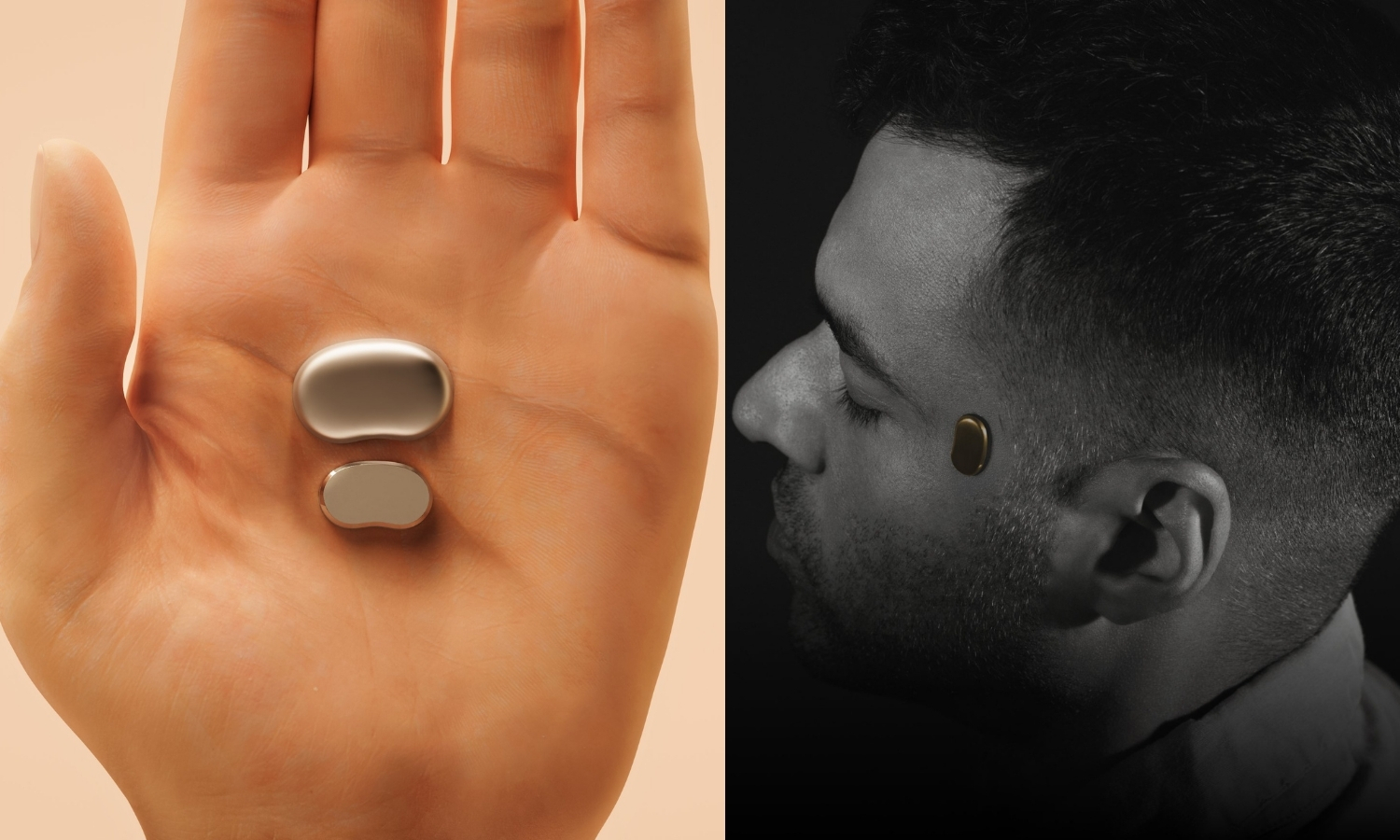
Deepinder Goyal Set to Launch Temple Wearable in India

Deepinder Goyal Says Temple Wearable Is Now Much Smaller

Sindhu reveals sports-science teamwork behind improved 2026 consistency
Smartwatches track health changes but cannot predict disease, doctors say
Karnataka Innovators Reach Samsung Solve for Tomorrow Top 40

MSCI Removal Puts Swiggy Shares Under Fresh Selling Pressure

India-Brazil Friendly Tickets Sell Out Amid Kolkata Football Fever
Sumadhura Group Plans ₹2,000 Crore Industrial Logistics Expansion
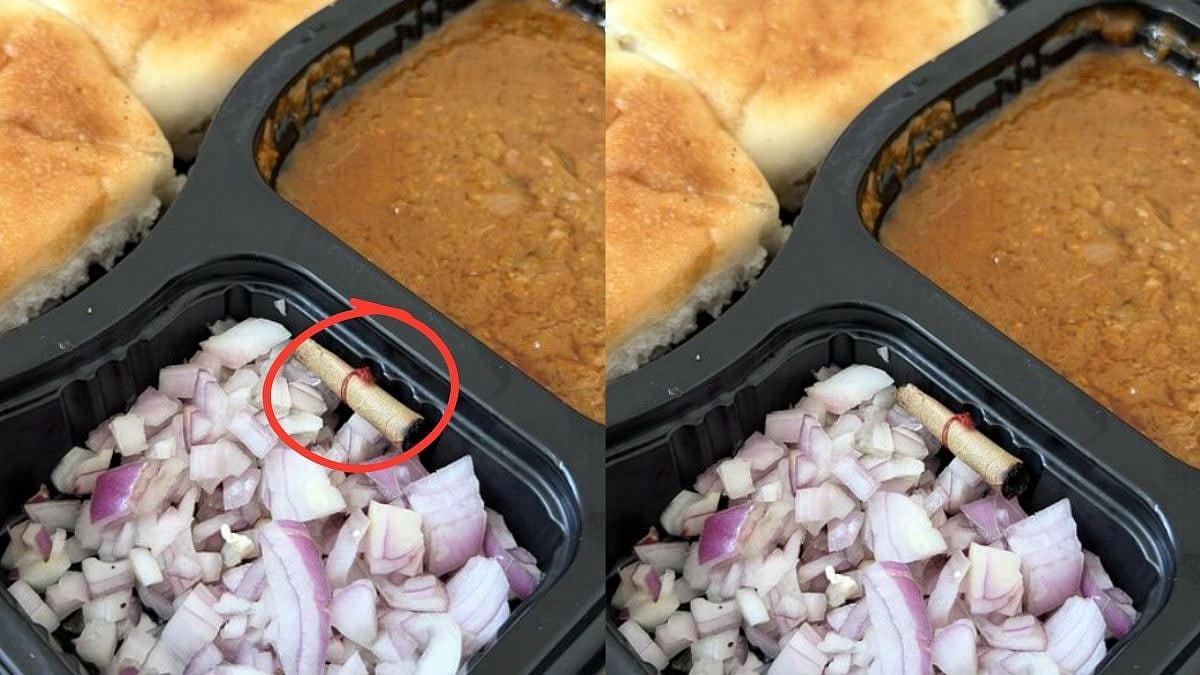
Bengaluru Man Says Zomato Pav Bhaji Came With Smoked Beedi

Zomato Bans Analogue Paneer Over Transparency Concerns