2 weeks ago
Smartwatches track health changes but cannot predict disease, doctors say
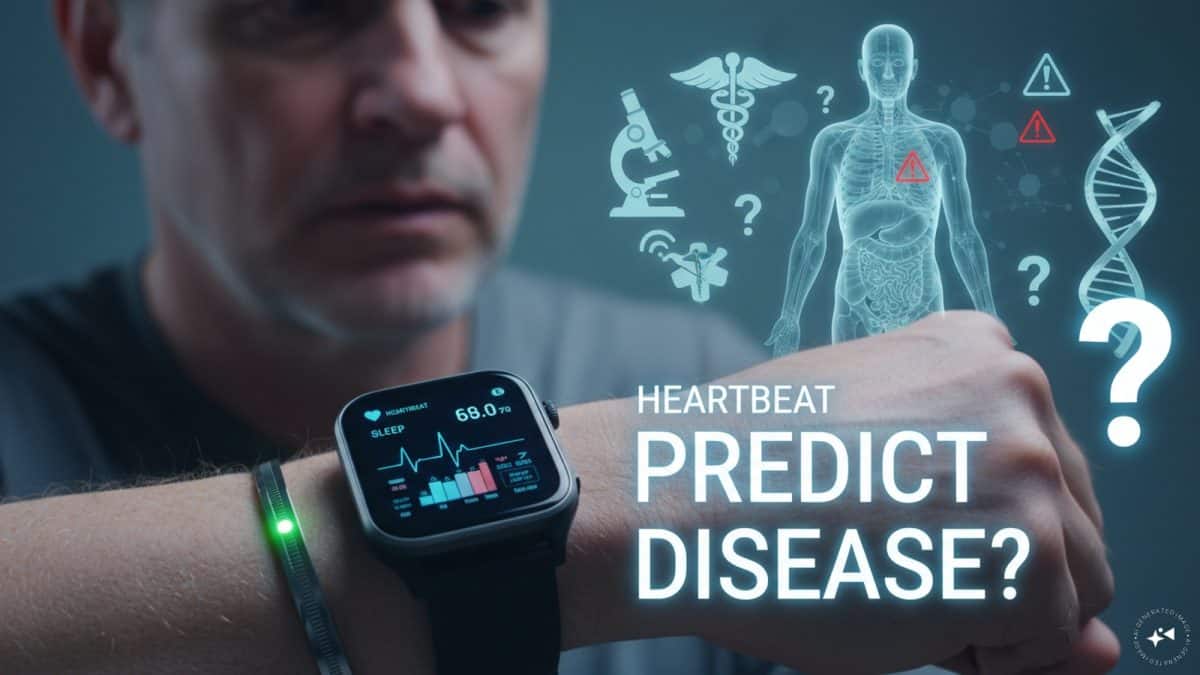
Smartwatches and fitness bands can watch your body while you sleep, checking your heartbeat, breathing and how much oxygen is in your blood.
They can notice when something changes, like a funny heartbeat or trouble sleeping.
Sometimes they help people visit a doctor before they feel sick.
But a smartwatch is not a doctor and cannot tell you for sure if you have a disease.
Predicting disease needs blood tests, family history and a real doctor's judgment.
The little heart-reading on a watch is also not as good as the big machines used at hospitals.
Readings can be wrong if the watch is loose or you move around a lot.
That's why doctors say you should look at changes over many days instead of one single number.
Wearables are helpers that work alongside doctors, not replacements for them.

Wearable devices continuously track heart rate, blood oxygen saturation (SpO₂), respiratory rate and sleep duration.
Doctors say wearables can flag early warning signs but cannot independently predict or diagnose disease.
Sleep-tracking and irregular heartbeat data have prompted symptom-free people to seek earlier medical evaluation.
Persistent changes in readings could point to conditions like sleep apnea, asthma exacerbations, COPD flare-ups or early heart failure.
Readings can be affected by device fit, skin pigmentation, movement, cold extremities and device quality, so long-term trends matter most.
- Who
- Dr Rachit Saxena of Yashoda Institute of Cardiac Sciences and Dr Abhijeet Singh of ShardaCare-HealthCity, who explained what wearables can and cannot tell users about their health.
- What
- An assessment of how smartwatches and wearable devices can track health changes and provide early warning signs while remaining unable to predict or diagnose disease.
- Where
- Not specified in the article; the experts quoted are affiliated with Indian hospitals.
- When
- Not specified in the article.
- Why
- Because continuous, real-world health data can encourage earlier medical evaluation, but clinical context such as family history, blood tests, imaging and physician judgment remains essential for diagnosis.
Key facts
- Experts quoted
- Dr Rachit Saxena (Yashoda Institute of Cardiac Sciences) and Dr Abhijeet Singh (ShardaCare-HealthCity)
- Metrics tracked
- Heart rate, blood oxygen saturation (SpO₂), respiratory rate and sleep duration
- Potential conditions flagged
- Sleep apnea, asthma exacerbations, COPD flare-ups, respiratory infections, early heart failure
- Role of wearables
- Screening and wellness tools, not diagnostic devices
- Main limitation
- Cannot predict or diagnose disease without clinical context, blood tests, imaging and physician judgment
- Factors affecting readings
- Improper fit, skin pigmentation, movement during sleep or exercise, cold extremities, device quality
- Key takeaway
- Long-term trends matter more than a single reading; wearables complement clinical care rather than replace it
- Expert quote
- "Wearables are a bridge to better healthcare, not a replacement for it."
Quotes
Dr Rachit Saxena
Director and Unit Head at Yashoda Institute of Cardiac Sciences
“"Heart rate variability trends may hint at stress or fatigue, but they cannot reliably forecast a heart attack or stroke."”
 firstpost.com
“"They can alert users to changes that warrant medical evaluation, but they cannot independently diagnose diseases."”
firstpost.com
Sources
Related news
Can Smartwatches Really Tell If Your Heart Is Healthy?

Dr Shriram Nene's 90-Day Smart Ring Experiment Reveals Health Patterns

Top Doctors Warn Against Trusting Every Smartwatch Health Reading
Premium AI Smartwatches Personalising Wellness: Top Models Experts Recommend
Google's Health Guardian Adds AI-Powered Blood Pressure and Insulin Trends

Google's Pixel Watch 5 detects breathing emergencies, auto-calls for help

Nana Patekar Says Emotional Shock Helped End Smoking

Howie Mandel’s Wife Urged Therapy as OCD Symptoms Worsened
Why Fever Alone Cannot Distinguish H1N1 From Dengue

Doctor Explains Why Exercising With A Fever Is Not Recommended