1 day ago
Zomato Bans Analogue Paneer Over Transparency Concerns
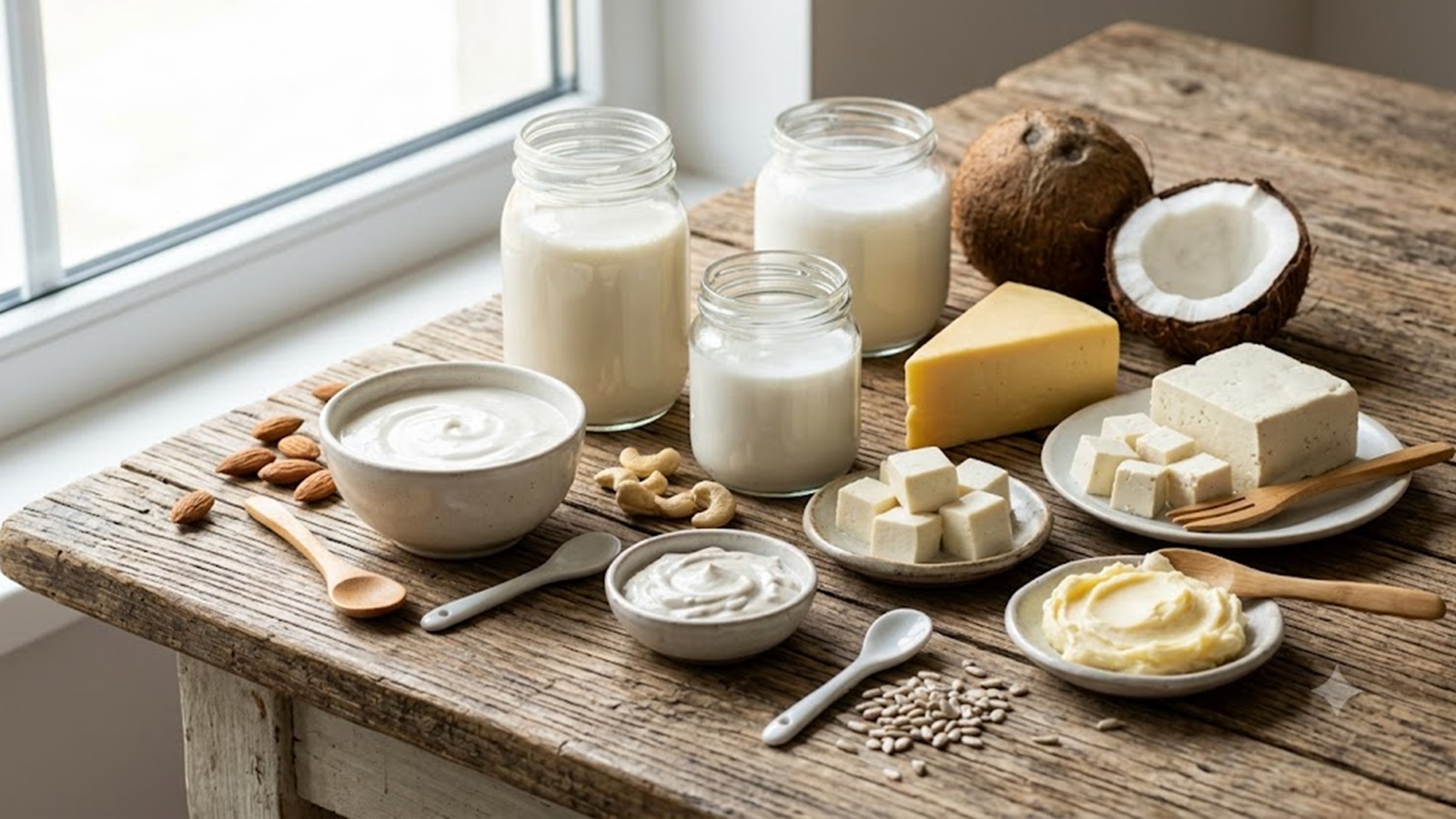
Traditional paneer is made from milk.
Analogue paneer is designed to look and feel similar, but it may use ingredients such as vegetable fats, starches or plant proteins.
This does not automatically make it dangerous.
However, it may have different nutrition from ordinary paneer.
The important issue is whether restaurants clearly tell customers what they are serving.
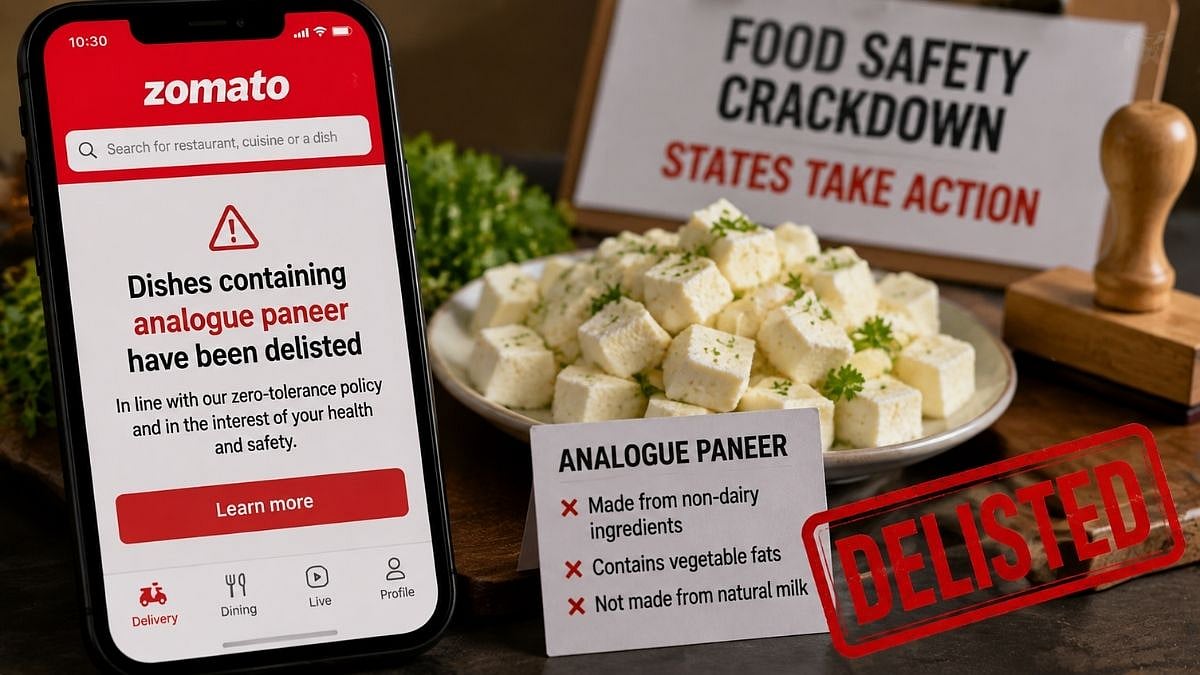
Zomato asked restaurants to use natural dairy paneer or remove the dishes from its platform.
Restaurants were also told to check supplier labels and ingredient lists.
Packaged products can be checked by reading their names and ingredients, but restaurant dishes are harder to verify.
Maharashtra separately announced a one-year ban after some samples failed required standards.

Zomato has told restaurants to stop using analogue dairy products or remove affected dishes from its platform.
Analogue paneer can contain vegetable oils or fats, starches, plant proteins, emulsifiers and stabilisers instead of some or all milk components.
Analogue paneer is not automatically unsafe, but its ingredients and nutritional profile can differ from traditional milk-based paneer.
The main concern is that customers may be served a non-dairy product while believing they ordered conventional paneer.
Maharashtra announced a one-year ban on making and selling artificial or analogue paneer after several samples failed prescribed standards.
- Who
- Zomato, restaurants using analogue dairy products, the Food Safety and Standards Authority of India, and Maharashtra authorities.
- What
- Zomato directed restaurants to replace analogue paneer and other analogue dairy products with natural dairy products or remove affected dishes from its platform.
- Where
- The policy applies to restaurants on Zomato's platform, while the separate ban was announced in Maharashtra, India.
- When
- The article does not provide a specific date; Maharashtra is described as having recently announced a one-year ban.
- Why
- To improve transparency and ensure that food described or expected as natural dairy is not made with undisclosed non-dairy ingredients.
Transparency and consumer protection
Product safety and formulation nuance
Why restrict analogue paneer?
Transparency and consumer protection
Customers ordering paneer may reasonably expect a conventional milk-based product, so restaurants should disclose non-dairy ingredients or stop selling the affected dishes.
Product safety and formulation nuance
An analogue product is not automatically adulterated or unsafe; its acceptability depends on its ingredients, production process and compliance with food-safety requirements.
Health implications
Transparency and consumer protection
Consumers may receive a product with a different nutritional profile, including vegetable fats, starches or plant proteins, without knowing it.
Product safety and formulation nuance
The article does not say that all analogue paneer is harmful; the main concern is undisclosed composition rather than the mere fact that it is an analogue product.
Key facts
- Analogue paneer
- A dairy-like product that resembles traditional paneer but may replace some or all milk components with non-dairy ingredients.
- Possible ingredients
- Vegetable oils or fats, starches, plant proteins, emulsifiers and stabilisers.
- Zomato instruction
- Restaurants must switch to natural dairy products or remove affected dishes from the platform.
- Consumer concern
- Misrepresentation may cause customers to believe they are receiving conventional dairy paneer.
- Safety
- Analogue paneer is not necessarily unsafe; safety depends on its ingredients, manufacturing process and compliance with food-safety standards.
- Maharashtra action
- The state announced a one-year ban on manufacturing and selling artificial or analogue paneer.
- Identification
- Packaged products should be checked by reading the product name and ingredient list rather than relying on appearance.
Quotes
Amreen Sheikh
Chief dietitian at KIMS Hospitals, Thane.
“With immediate effect, dishes that restaurant partners have declared as containing analogue dairy have been delisted from the platform. The move is a consumer-first step, driven by Zomato’s own commitment to transparency and food quality.”
 indianexpress.com
“On the contrary, clearly labelled plant-based alternatives can be of use to vegans and to those who deliberately avoid animal-based dairy.”
indianexpress.com
Zamurrud Patel
Chief dietitian at Gleneagles Hospital Parel.
“The term analogue dairy does not automatically mean that a product is unsafe or unhealthy. The concern is more about consumers knowing what they are actually eating and whether the product matches their nutritional expectations.”
indianexpress.com
Sources

Related news
Zomato Bans Analogue Dairy Dishes, Threatens Noncompliant Restaurants

States Restrict Analogue Paneer Over Health And Labeling Concerns
Maharashtra Bans Analogue Paneer for One Year After Test Failures

Maharashtra Bans Analogue Paneer for a Year Over Adulteration Concerns
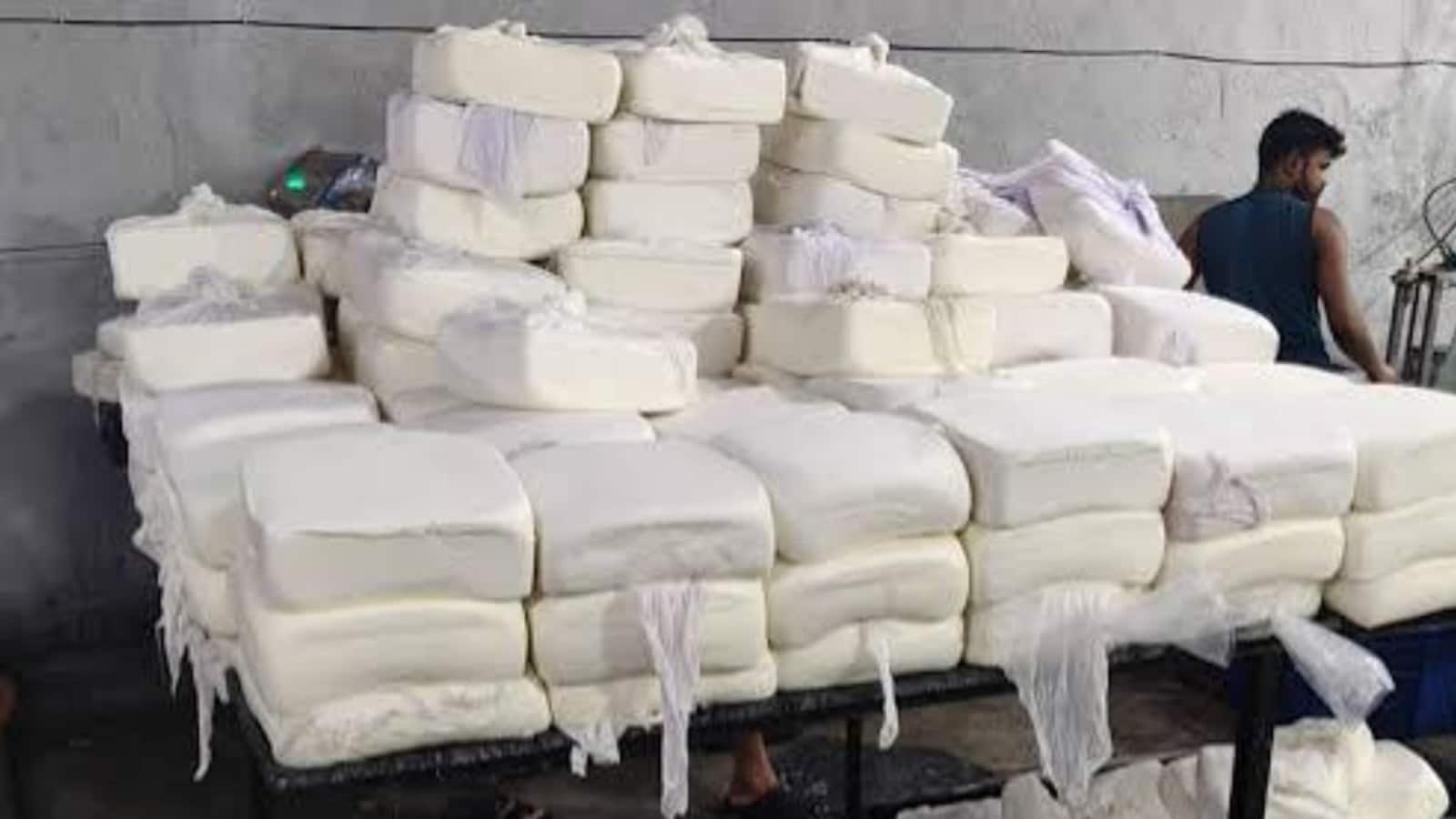
FSSAI Bans Analogue Paneer Over Health Concerns and Mislabelling

Sumadhura Group Plans ₹2,000 Crore Industrial Logistics Expansion
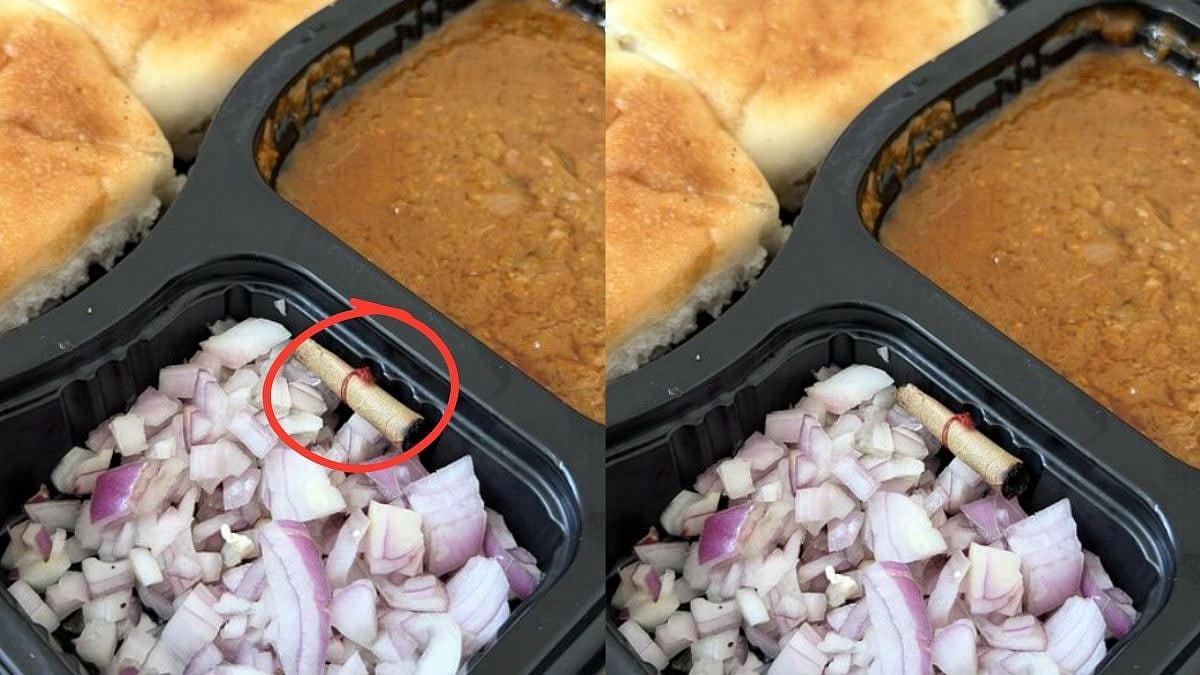
Bengaluru Man Says Zomato Pav Bhaji Came With Smoked Beedi
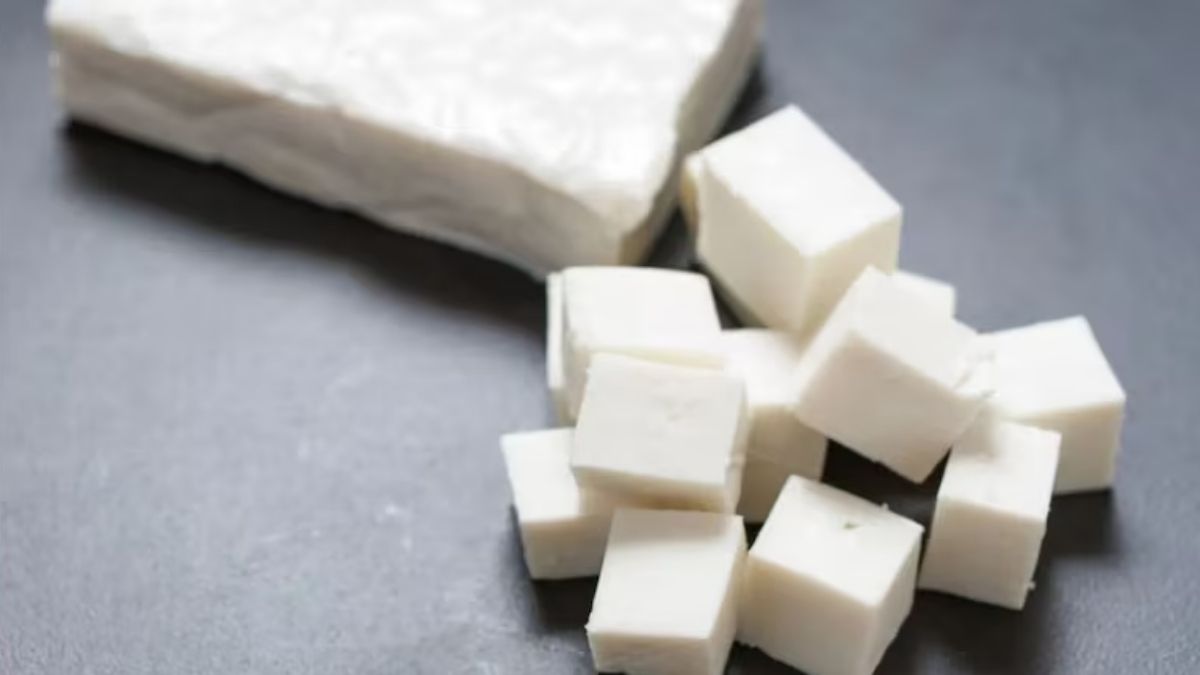
FSSAI Crackdown Could Expand India’s Organised Paneer Market

Adani Stocks Tumble as HDFC Bank Drags Nifty; Reliance Gains