

1 hr ago
Making Nuclear Power in Space Safe and Responsible
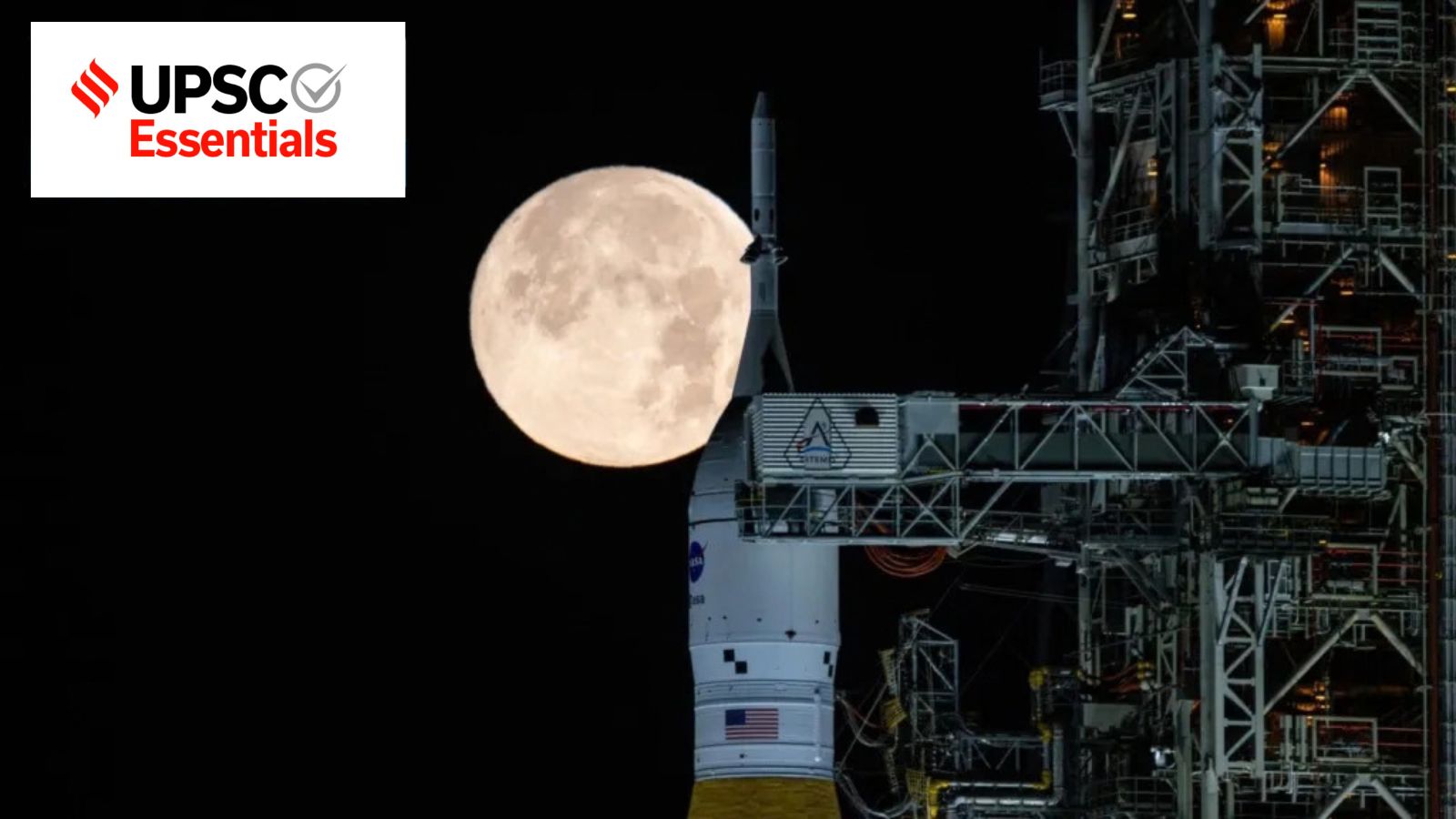
Spacecraft usually use sunlight to make power, but sunlight becomes weaker farther from the Sun.
Some places, such as dark areas near the Moon’s poles, receive little or no sunlight.
Nuclear systems can make power continuously without sunlight.
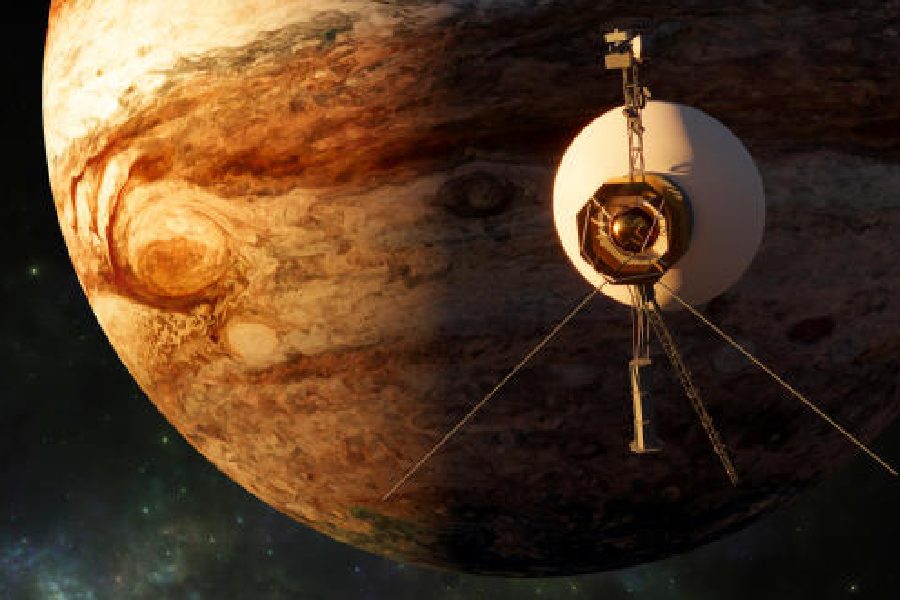
Small systems called RTGs have already powered missions such as Voyager and Mars rovers.
Larger fission reactors could one day power Moon or Mars bases.
Nuclear engines might also help spacecraft travel more efficiently.
However, nuclear equipment must be designed to survive rocket accidents and possible returns to Earth.
Countries also need to prevent harmful contamination and protect people and the environment.
International rules and cooperation could help make space nuclear power safer and more responsible.

Radioisotope systems have powered spacecraft since 1961, including Voyager and NASA’s Mars rovers.
Fission reactors could provide higher-power energy for lunar and Martian bases, life support and communications.
Nuclear thermal and electric propulsion could improve spacecraft efficiency and enable faster deep-space travel.
Launch failures, re-entry accidents, radiation, contamination and limited plutonium-238 supplies remain major concerns.
Existing treaties and UN-IAEA guidance provide a foundation, but experts argue stronger common standards are needed.
- Who
- The United States, China, Russia, India, NASA, ISRO and other spacefaring actors are developing or considering nuclear space systems.
- What
- Countries are developing radioisotope power systems, fission reactors and nuclear propulsion for spacecraft, lunar exploration and future space bases.
- Where
- The technologies are intended for spacecraft, deep space, the Moon, Mars and other destinations such as Saturn’s moon Titan.
- When
- Radioisotope systems have been used since 1961; cited future plans include lunar reactors around 2030 and additional systems in the 2030s.
- Why
- Nuclear power can provide continuous energy where sunlight is weak, unavailable or unreliable, and can support long-duration missions and propulsion.
Nuclear development
Safety-first governance
Benefits and risks
Nuclear development
Nuclear systems can provide reliable power in deep space and permanently shadowed regions, support habitats and life support, and improve propulsion efficiency.
Safety-first governance
Launch accidents, re-entry, radiation, contamination and reactor failures could create serious risks for people, spacecraft and celestial environments.
Current rules
Nuclear development
Existing treaties and guidance establish responsibilities, liability rules, safety assessments and notification procedures for nuclear space activities.
Safety-first governance
The existing framework does not fully address newer high-power reactors or nuclear propulsion, so common and stronger international standards are needed.
National missions
Nuclear development
The United States, China, Russia and India are pursuing increasingly ambitious lunar and deep-space goals that may require nuclear power.
Safety-first governance
As more countries develop these systems, international cooperation, shared safety standards and responsible regulation should expand alongside technological development.
Key facts
- Radioisotope power
- RTGs convert heat from radioactive decay, usually plutonium-238, into electricity and can operate for decades.
- Fission power
- Fission reactors use a controlled chain reaction to generate heat and can produce substantially more power than RTGs.
- Propulsion
- Nuclear thermal propulsion could provide about twice the propellant efficiency of the best chemical rockets, while nuclear electric propulsion offers high efficiency but low thrust.
- Existing missions
- Voyager 1 and 2 have used radioisotope power for nearly five decades, and NASA’s Dragonfly mission is planned to use a radioisotope generator.
- Lunar plans
- NASA announced plans for a fission surface power system of at least 100 kilowatts, while a United States memorandum targeted 20-kilowatt reactors in orbit by 2028 and on the Moon by 2030.
- Known accident
- The Soviet satellite Cosmos 954 re-entered over northern Canada in 1978 and scattered radioactive debris; the matter was settled in 1981 for C$3 million.
- International framework
- The 1967 Outer Space Treaty, 1992 UN principles and 2009 UN-IAEA safety framework address responsibility, liability, contamination and nuclear-source safety.
Sources
Related news

India Advances Artificial Sun Effort With New Gyrotron
India Weighs Lunar Ambitions Amid Rising Space Competition

Modi Urges Safe, Sustainable International Cooperation in Space
India's Nuclear Energy Path Highlights Thorium and Balanced Power Sources
India’s Scientist Urges Early Thorium Shift in PHWR Fleet
NASA Engineers Use “Big Bang” to Extend Aging Voyager Mission
US Rejects Iran Proposal to Reopen Strait of Hormuz

China Expands UN Influence as Trump Pulls Back

Iran Rejects Nuclear Concessions in Strait of Hormuz Proposal

Iranian President Rejects Nuclear Bomb Ambitions, Offers International Verification
