1 hr ago
Iran Rejects Nuclear Concessions Amid Strait of Hormuz Deal
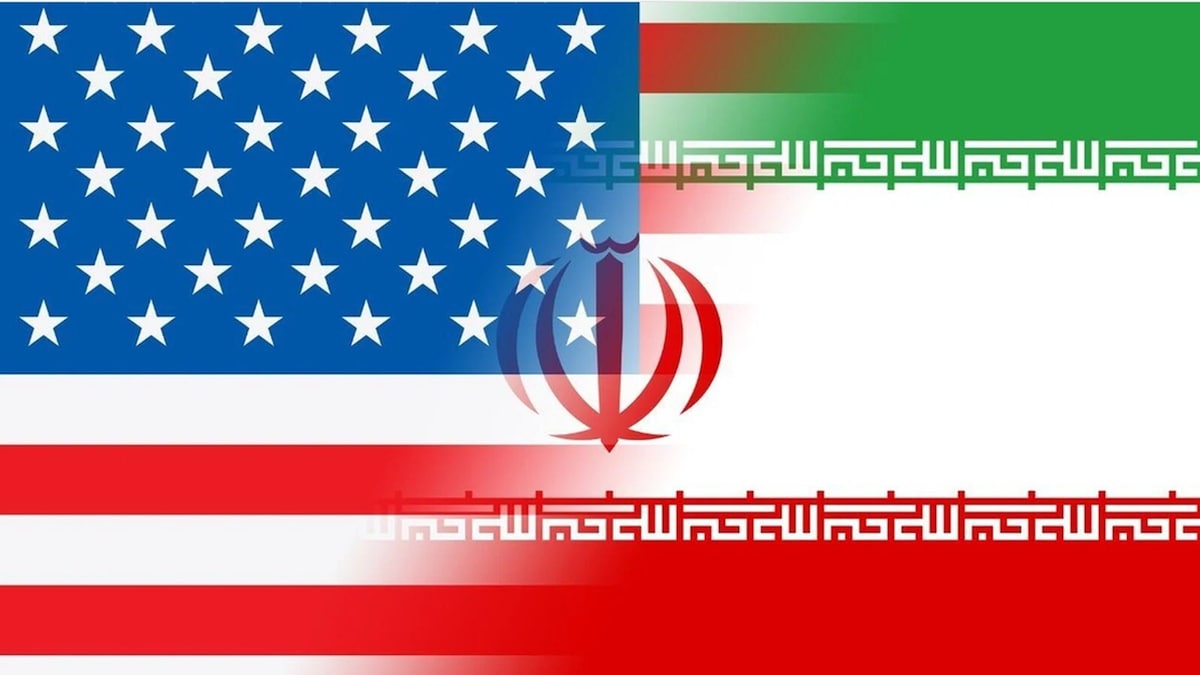
Iran and the United States are trying to make a deal to stop their fighting.
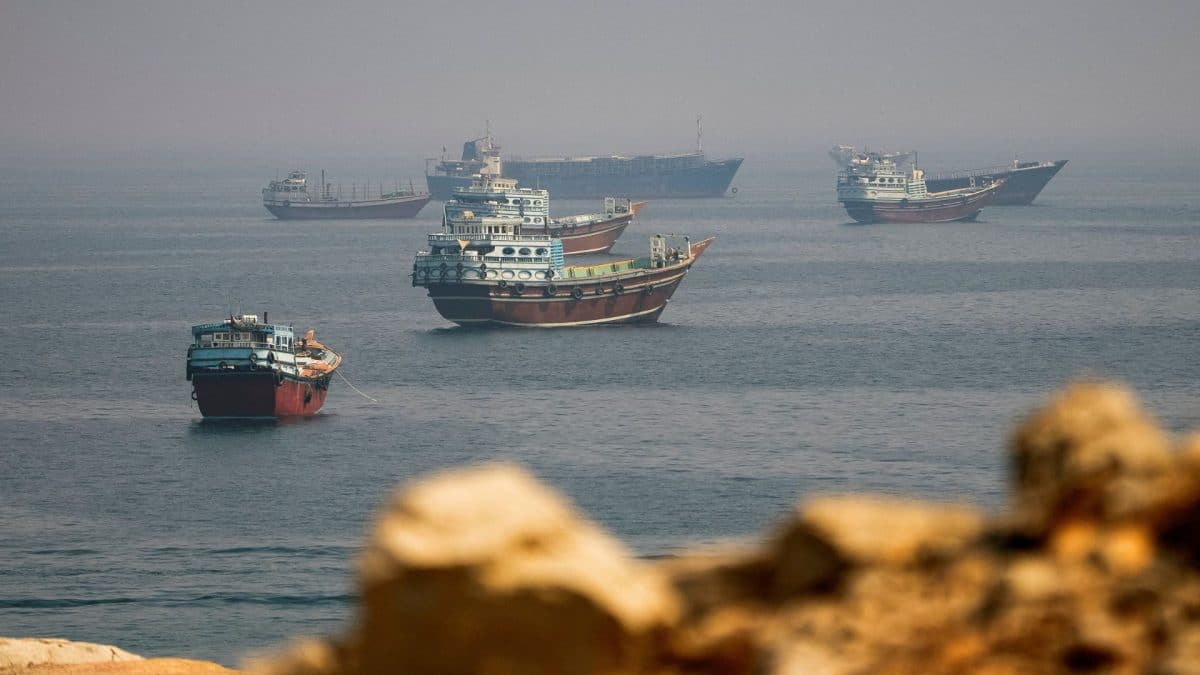
Iran controls access to the Strait of Hormuz, an important route for ships carrying oil.
Iran says it might reopen the strait if the United States ends its blockade, releases frozen money and removes oil sanctions.
Iran also wants fighting to stop on all fronts.
However, Iran says it will not give up its nuclear rights as part of the deal.
These rights include enriching uranium and keeping highly enriched uranium inside the country.
Iran says it would discuss its nuclear program only after the United States meets its other demands.
The United States and some other countries worry that Iran’s uranium enrichment could support nuclear weapons development.
Iran denies seeking nuclear weapons.

Iran says it would reopen the Strait of Hormuz only after the United States meets several conditions.
Those conditions include ending a naval blockade, releasing frozen Iranian funds and waiving oil sanctions.
Tehran says it would discuss its nuclear program only after those demands are fulfilled.
An Iranian official says the country will not surrender its right to enrich uranium or ship highly enriched uranium abroad.
Iran’s proposal follows months of conflict, while Washington seeks the reopening of the major oil-shipping route.
- Who
- Iran and the United States are the main parties; Iranian Foreign Minister Abbas Araqchi and President Masoud Pezeshkian discussed the proposal.
- What
- Iran has proposed reopening the Strait of Hormuz in exchange for United States concessions, while refusing nuclear concessions.
- Where
- The proposal was discussed on the sidelines of the United Nations General Assembly, while the Strait of Hormuz is the central bargaining point.
- When
- The proposal was reported on September 25; Pezeshkian discussed it with journalists on Thursday.
- Why
- Iran seeks relief from sanctions and the United States blockade, while Washington seeks free passage through the strait and negotiations over Iran’s nuclear program.
Iran’s Position
United States’ Position
Strait of Hormuz
Iran’s Position
Iran says the strait will remain closed until the United States fulfills its conditions, after which Tehran could reopen it.
United States’ Position
The United States seeks free passage for ships through the major global oil supply route.
Economic relief
Iran’s Position
Iran wants the United States blockade lifted, frozen funds released and oil sanctions waived before reopening the strait or holding detailed nuclear talks.
United States’ Position
Washington is described as seeking the strait’s reopening while using pressure related to the blockade and sanctions.
Nuclear program
Iran’s Position
Iran says it will not give up its right to enrich uranium or ship highly enriched uranium abroad, though Iranian authorities have said they could dilute their most highly enriched uranium.
United States’ Position
The United States and other Western countries demand limits on Iran’s nuclear activities, including shipping highly enriched uranium out of the country.
Key facts
- Iran’s conditions
- End the United States naval blockade, release frozen Iranian funds and waive oil sanctions.
- Strait of Hormuz
- Iran says it would reopen the waterway after all its conditions are met.
- Nuclear position
- Iran says it will make no concessions on uranium enrichment or shipping highly enriched uranium abroad.
- Negotiations
- Tehran says detailed nuclear talks would begin only after the United States meets its conditions.
- Conflict context
- The proposal follows seven months of war between Iran and the United States, according to the report.
- Uranium stockpile
- The International Atomic Energy Agency estimated Iran had 440.9 kilograms of uranium enriched to 60% when its nuclear facilities were attacked in June 2025.
Sources

Related news
Iran Offers Seven-Day Hormuz Reopening for U.S. Concessions
Iran Ties Hormuz Reopening and Talks to US Conditions
Iran Offers Seven-Day Plan for Hormuz, Nuclear Talks
Iran, US Envoys Discuss Conditions for Reopening Strait of Hormuz

Iran Says Hormuz Will Stay Closed Until Conditions Are Met
Iran Sets Conditions for Reopening Strait of Hormuz
Iran Mobilises Public While Seeking Conditions to End War
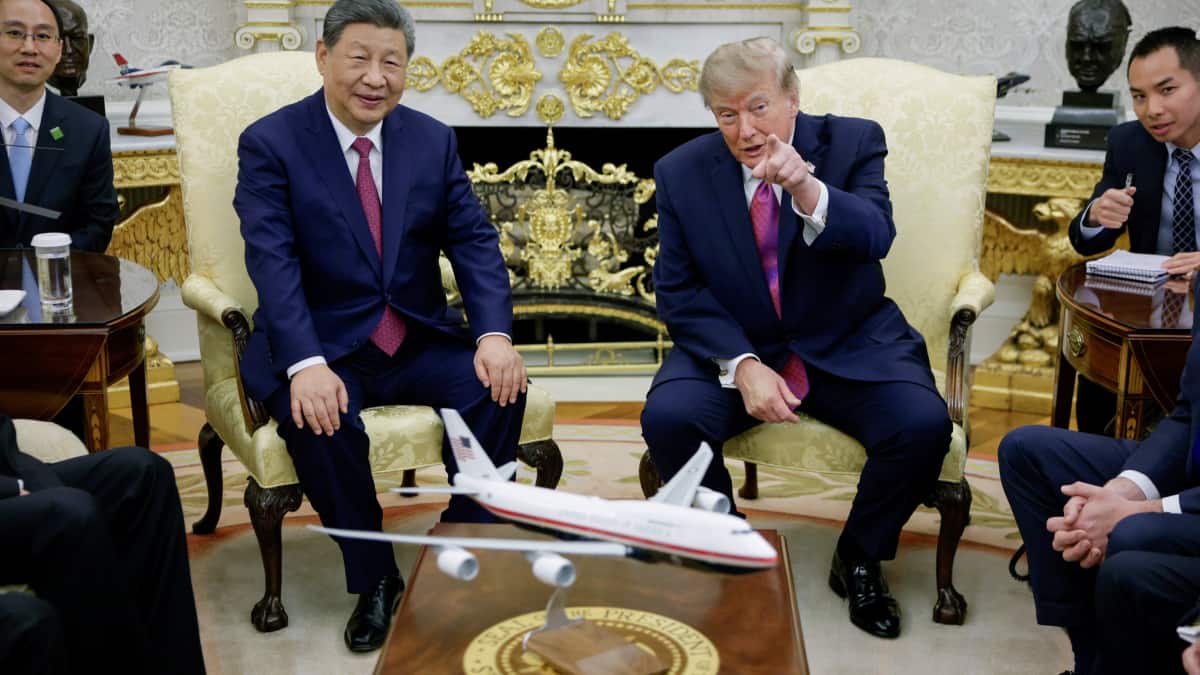
Trump Says US, China Made Progress During Xi Visit

India Turns to Record US LNG Imports Amid Hormuz Disruption