

5 days ago
India's Nuclear Energy Path Highlights Thorium and Balanced Power Sources
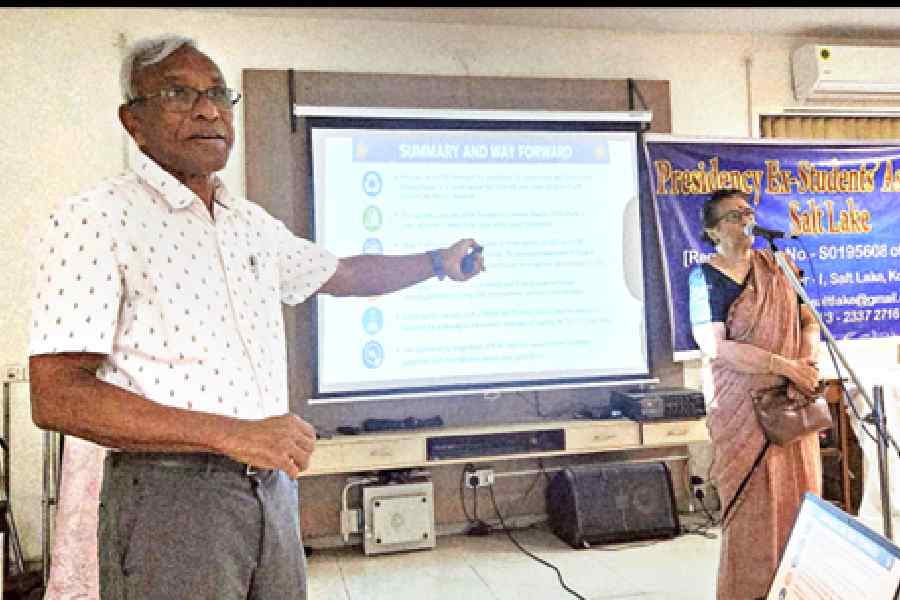
India needs a lot of energy, so one power source may not be enough.
Coal, oil, and gas can pollute the environment and will eventually run out.
Solar and wind power depend on weather and need storage and strong electricity networks.
Nuclear energy can produce a huge amount of energy from a small amount of fuel.
However, nuclear plants are expensive to build and create radioactive waste.
India has relatively little uranium but large amounts of thorium.
Thorium cannot be used directly, so India has designed a three-step plan to turn it into useful nuclear fuel.
The country has reached the second step after a reactor at Kalpakkam began a controlled chain reaction.
Experts still say India should use nuclear power alongside other energy sources.

Physicist Naba Kumar Mondal said India needs a balanced mix of energy sources rather than relying on one.
Nuclear fission produces vastly more energy from fuel than coal, oil, or natural gas.
India has about 25% of the world's known thorium reserves, but thorium cannot generate energy directly.
India's three-stage nuclear program aims to convert thorium into uranium-233 for power generation.
The Prototype Fast Breeder Reactor at Kalpakkam achieved first criticality on April 6, marking progress toward the second stage.
- Who
- Physicist Naba Kumar Mondal addressed alumni of the Presidency Ex-Students’ Association, with the lecture organized by the association.
- What
- The lecture explained India’s nuclear-energy development, its three-stage thorium program, and the benefits and limitations of nuclear power.
- Where
- The talk took place at the BE College Ex-students Club in CK Block, Salt Lake; the reactor is at Kalpakkam, Tamil Nadu.
- When
- The lecture was held recently; the article says the Prototype Fast Breeder Reactor achieved first criticality on April 6 of the referenced year.
- Why
- The event was organized to explain India’s nuclear progress, including the significance of the fast breeder reactor and thorium reserves.
Balanced Energy Portfolio
Nuclear Expansion
Role in India’s energy mix
Balanced Energy Portfolio
India should combine nuclear power with solar, wind, hydropower, and other sources because every source has limitations.
Nuclear Expansion
Nuclear power can provide very large amounts of energy from small quantities of fuel and could become especially important as India develops its thorium resources.
Costs and risks
Balanced Energy Portfolio
Nuclear plants require high initial investment, long construction periods, and careful management of radioactive waste.
Nuclear Expansion
India’s closed fuel-cycle strategy can recover and reuse valuable nuclear materials, while its thorium program offers a long-term opportunity.
Key facts
- Speaker
- Physicist Naba Kumar Mondal, a senior scientist at the Saha Institute of Nuclear Physics
- India’s thorium reserves
- About 25% of the world’s known thorium reserves
- Energy from uranium-235
- About 80 million megajoules from 1 kilogram of uranium-235 through fission
- India’s nuclear stage
- India is currently at stage two of its three-stage nuclear program
- Reactor milestone
- The Prototype Fast Breeder Reactor at Kalpakkam achieved first criticality on April 6
- Stage-one fuel
- Pressurised Heavy Water Reactors use uranium and produce plutonium-239 as a byproduct
- Stage-three objective
- Use uranium-233 with thorium to generate electricity
Quotes
Naba Kumar Mondal
Physicist and senior scientist at the Saha Institute of Nuclear Physics
“But thorium cannot produce energy directly, and hence India has a three-stage nuclear programme.”
 telegraphindia.com
“No single source is enough to meet India’s energy needs”
telegraphindia.com
Sources
Related news
Scientist Urges Earlier Thorium Use in India’s Nuclear Reactors

Thorium Could Shape India’s Nuclear Future Amid Uranium Supply Pressures
India’s Scientist Urges Early Thorium Shift in PHWR Fleet
India Secures Uranium From Uzbekistan, Australia Amid Nuclear Expansion
Modi Defends Nuclear Expansion, Challenges Critics Over Clean Energy

Nuclear Energy Exhibition Opens at Godavari Global University
UPSC Mains Practice: Nuclear Power and Railways Net-Zero Themes
India targets 100 GW nuclear power by 2047, says Modi
