

3 weeks ago
India Plans PLI Scheme for Polysilicon to Cut Solar Imports

Solar panels need a special material called polysilicon to turn sunlight into electricity.
Right now, India buys all of its polysilicon from other countries, mostly from China.
The Indian government is planning a new programme to help companies make polysilicon inside India.
If companies build these factories, the government will give them incentives, like rewards and financial help.
This will help India make its own solar panels from start to finish.
India already gives similar support for other solar parts, like solar cells and modules.
The new programme could support more than 10 GW of polysilicon production.
India has a big goal of creating 500 GW of clean energy by the year 2030.
Making polysilicon at home will help India reach that goal and depend less on other countries.

India is preparing a production-linked incentive (PLI) scheme to promote domestic manufacturing of polysilicon, a key raw material for solar photovoltaic panels.
The scheme aims to reduce India's dependence on imports, as the country currently relies entirely on imported polysilicon and China dominates global production.
The proposed programme could support more than 10 GW of polysilicon production capacity, though details of the financial support are yet to be disclosed.
India has already provided Rs 24,000 crore in manufacturing-linked incentives for solar cell and module production.
The move supports India's target of 500 GW of non-fossil fuel power capacity by 2030, with over 200 GW of module and more than 32 GW of cell capacity already built.
- Who
- Santosh Kumar Sarangi, Secretary of India's Ministry of New and Renewable Energy, speaking at a Confederation of Indian Industry (CII) event.
- What
- Announced India's plan for a production-linked incentive (PLI) scheme to boost domestic polysilicon manufacturing and reduce solar import dependence.
- Where
- New Delhi, India, at a Confederation of Indian Industry (CII) event.
- When
- Recent announcement made at a CII event; the article does not specify a date.
- Why
- To reduce dependence on Chinese-dominated polysilicon imports, build a complete solar manufacturing supply chain, and support India's 500 GW non-fossil fuel capacity target by 2030.
Key facts
- Proposal
- Production-linked incentive (PLI) scheme for polysilicon manufacturing
- Announced by
- Santosh Kumar Sarangi, Secretary, Ministry of New and Renewable Energy
- Expected capacity
- More than 10 GW of polysilicon production
- Current reliance
- 100% dependence on polysilicon imports; China dominates global production
- Existing solar incentives
- Rs 24,000 crore for solar cell and module production
- Built capacity
- Over 200 GW solar module capacity; more than 32 GW solar cell capacity
- Planned cell capacity
- Additional 100 GW of solar cell capacity expected within the next year
- National target
- 500 GW of non-fossil fuel power capacity by 2030
Quotes
Santosh Kumar Sarangi
Secretary, Ministry of New and Renewable Energy
“The upcoming incentive programme could support more than 10 GW of polysilicon production capacity, although details regarding the size of the financial support are yet to be disclosed.”
 thehansindia.com
Sources
Related news
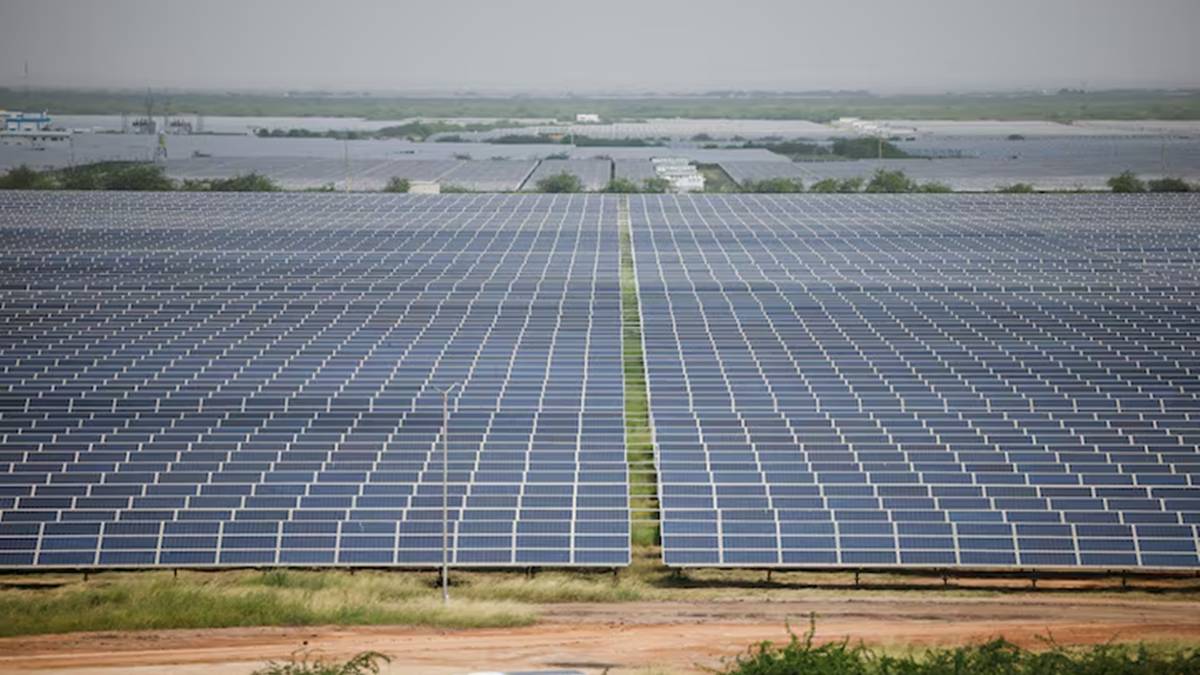
India Plans 10 GW Polysilicon Incentives to Cut China Dependence

India Plans New Scheme to Boost Domestic Polysilicon Manufacturing

India’s Solar Cell Imports Surge, Challenging Domestic Manufacturing
India Plans ₹13,000 Crore Battery Component Incentive Push

Indosol Solar to Launch India’s Only Operational Ingot Plant
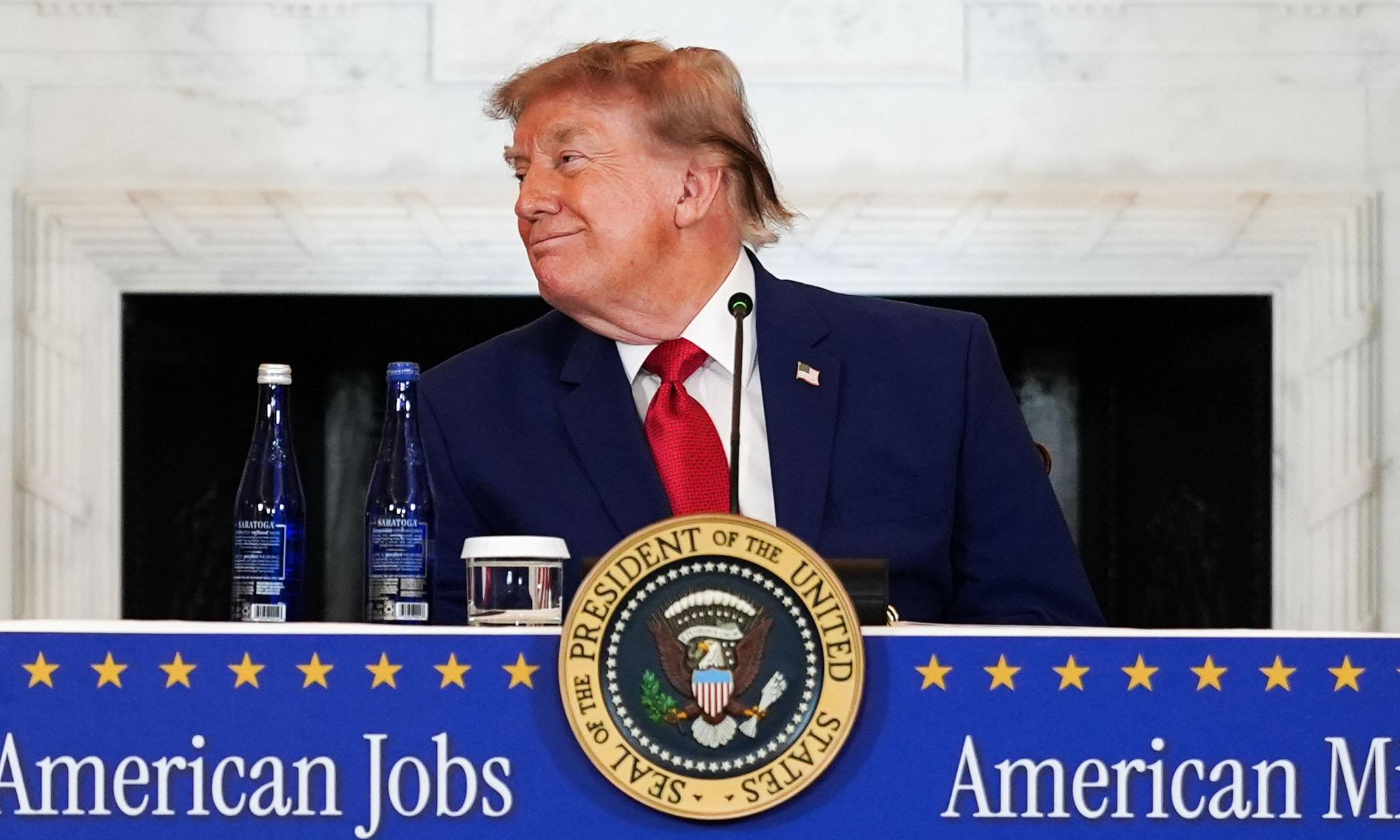
Trump orders 15% tariffs on imported polysilicon, solar panels
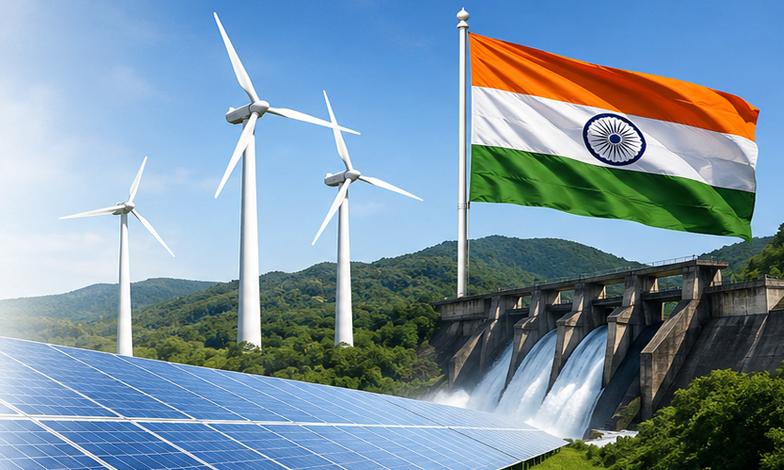
India’s Non-Fossil Capacity Crosses 300 GW as Centre Pushes Transition

Karnataka Accelerates Rooftop Solar Projects for Government Buildings
Economy Quiz Covers Solar Projects, Forex Deposits And PPPs
Rajasthan Targets 125 GW Renewable Capacity by 2030
PM Surya Ghar May Tie Support to Solar Performance
