3 weeks ago
Trump orders 15% tariffs on imported polysilicon, solar panels
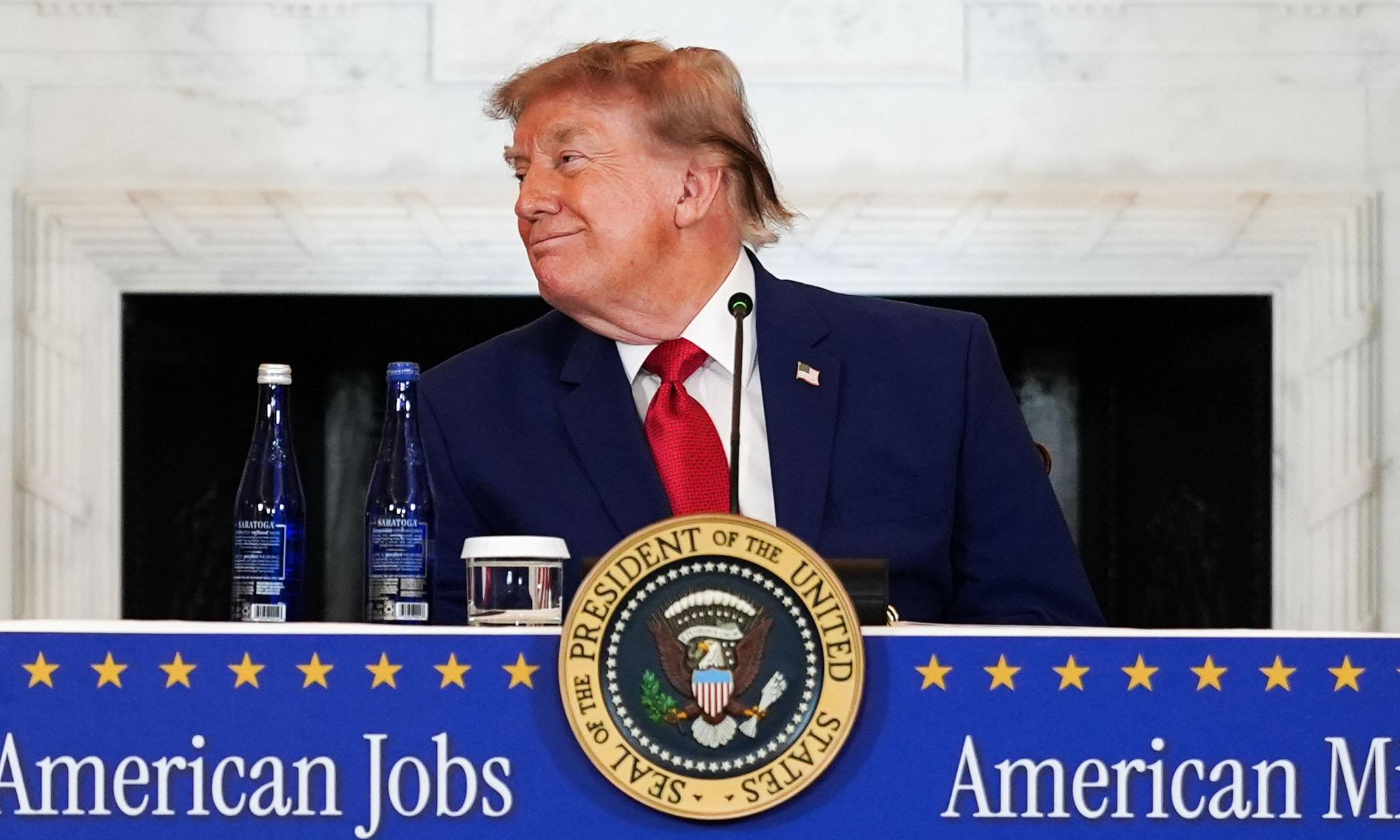
In the United States, an important leader named President Trump made a new rule.
The rule adds an extra fee, called a tariff, to certain things the US buys from other countries.
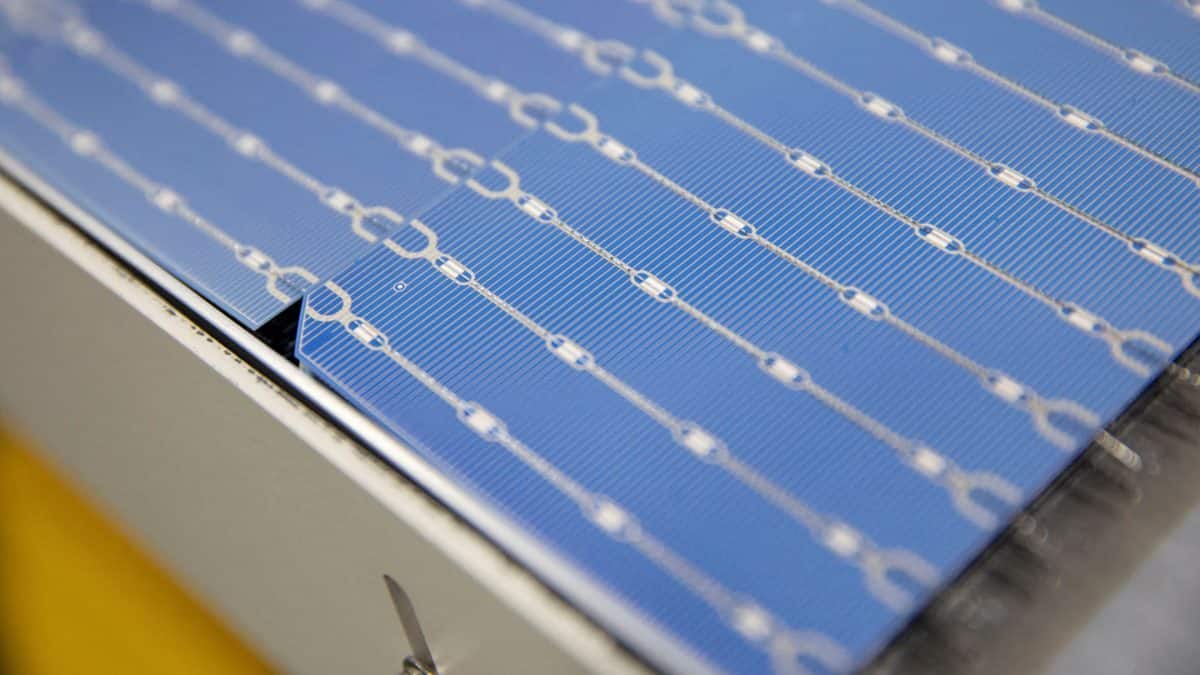
These things — polysilicon, wafers, solar cells and solar modules — help make solar panels and computer chips.
Most of the world's supply of this material comes from other countries, especially China.
The extra fee is 15 percent of the price.
The rule also sets a lowest possible price for some of these products, so they cannot be sold too cheaply.
President Trump wants American companies to make these products in the US instead of buying them from other countries.
He says depending on other countries for these supplies is risky for the country.
Some people worry the new fees will make solar panels more expensive.
The government says it will help companies that build factories in the US, and the new rules start on December 4.

US President Donald Trump signed a proclamation ordering 15% tariffs on imported polysilicon derivatives — silicon wafers, photovoltaic cells and solar modules — effective December 4.
The order sets minimum import prices: $21 per kilogram for polysilicon, $100 per kilogram for ingots and wafers, 22 cents per watt for solar cells and 38 cents per watt for solar modules.
Trump said US reliance on foreign polysilicon supplies threatens national security, and the tariffs aim to encourage domestic production and onshoring of a US solar supply chain.
The measures follow a Commerce Department investigation under Section 232 launched in July 2025; US polysilicon production capacity fell from 50% of the global share in 2005 to under 2% in 2024 as Chinese companies became the world's dominant producers.
Critics warn the tariffs will raise solar module costs for renewable developers already losing federal subsidies, while US manufacturers fear import stockpiling before December 4 — a practice the administration vows to restrict.
- Who
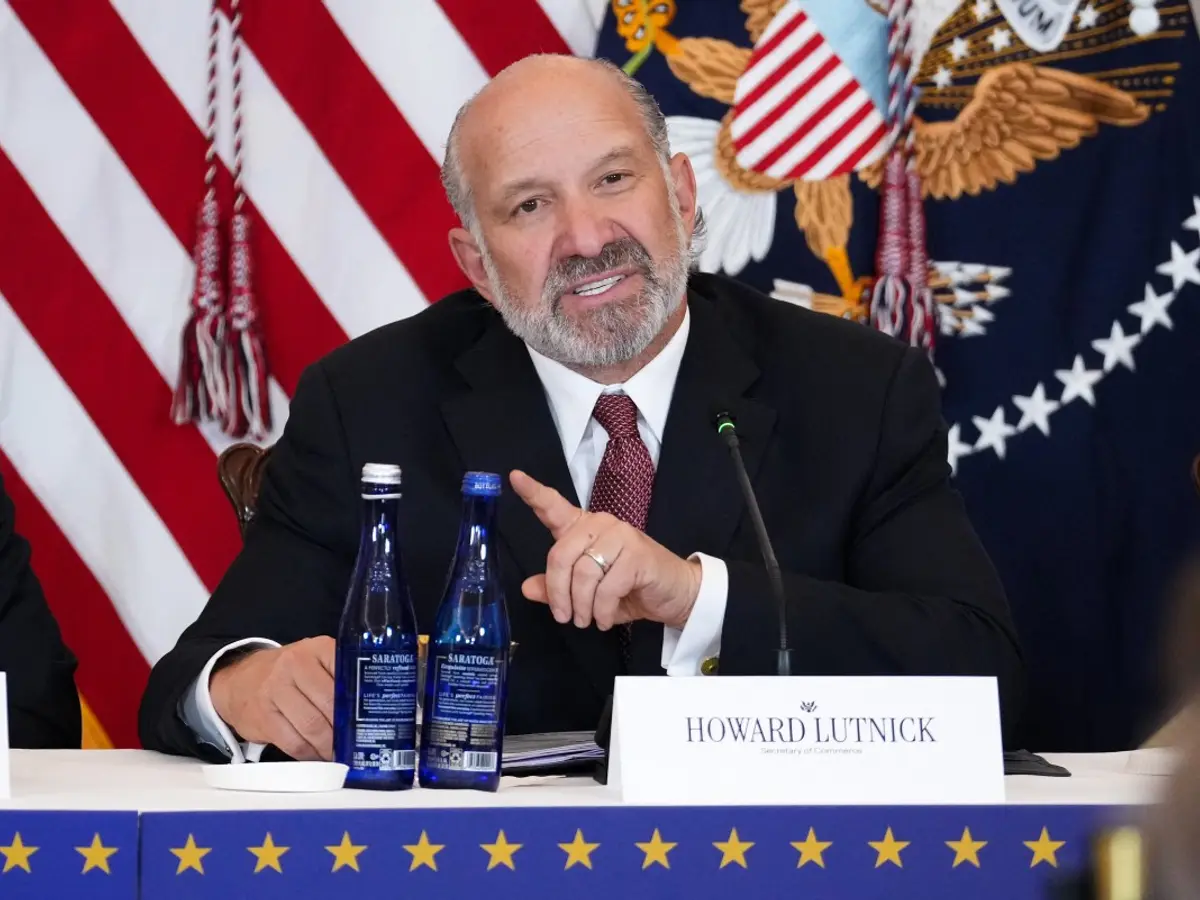
- US President Donald Trump, who signed the proclamation on Thursday; Commerce Secretary Howard Lutnick also announced the policy at the White House
- What
- 15% tariffs and minimum import prices on imported polysilicon and its derivatives, including silicon wafers, photovoltaic cells and solar modules
- Where
- United States; the measures apply to imported polysilicon and solar products from foreign suppliers
- When
- Signed Thursday (reported August 7, 2026); tariffs and price floors take effect December 4
- Why
- To reduce US reliance on foreign polysilicon supplies — which Trump said threatens national security — and to encourage domestic production
Tariff supporters
Tariff critics
Domestic production vs. renewable costs
Tariff supporters
The tariffs and price floors create a level playing field for American producers, stop Chinese dumping, and bring the supply chain for strategic goods like chips and solar panels back to the US.
Tariff critics
The import fees will raise the cost of solar modules, adding a headwind for renewable power developers already facing the loss of federal subsidies and a Trump administration pivot toward fossil fuels.
Timing and import stockpiling
Tariff supporters
The delayed December 4 implementation gives renewable developers time to surge cheap imports and stockpile duty-free equipment, undermining US manufacturers.
Tariff critics
The administration says it will police trade and restrict imports by companies found stockpiling polysilicon or its derivatives.
Key facts
- Tariff rate
- 15% on imported polysilicon derivatives
- Effective date
- December 4
- Polysilicon floor price
- $21 per kilogram
- Ingot and wafer floor price
- $100 per kilogram
- Solar cell floor price
- 22 cents per watt
- Solar module floor price
- 38 cents per watt
- Legal authority
- Section 232 of the Trade Expansion Act of 1962; survived a Supreme Court ruling that struck down other duties in February
- US production share
- Fell from 50% (2005) to under 2% (2024)
Quotes

Howard Lutnick
Commerce Secretary, U.S. Department of Commerce
“We're making the products here, but we need the supply chain here. So this will bring the supply chain here. We're setting prices so that the Chinese can't dump anymore, and we're setting tariffs to say build it here.”
 deccanchronicle.com
Sources

Related news
US Announces 15% Tariff on Polysilicon to Counter China

Trump Administration Weighs Broad New Tariffs on Semiconductors
Trump Administration Develops Semiconductor Tariff Relief Plan

Trump administration weighs chip tariffs amid AI industry warnings
Trump Announces Up To 100% Tariffs On Imported Drones
Putin Faces Western Isolation While Russia Builds Non-Western Ties
India’s Global Power Ambitions Face Economic and Democratic Setbacks

India’s 7.8% Growth Broad-Based, but Jobs Remain Challenge
India Pursues Global Mineral Pacts to Secure Supply Chains

Nepal Plans New Landslide Warning System Along China Border