3 weeks ago
Typhoon Dolphin makes landfall in China, triggers mass evacuations
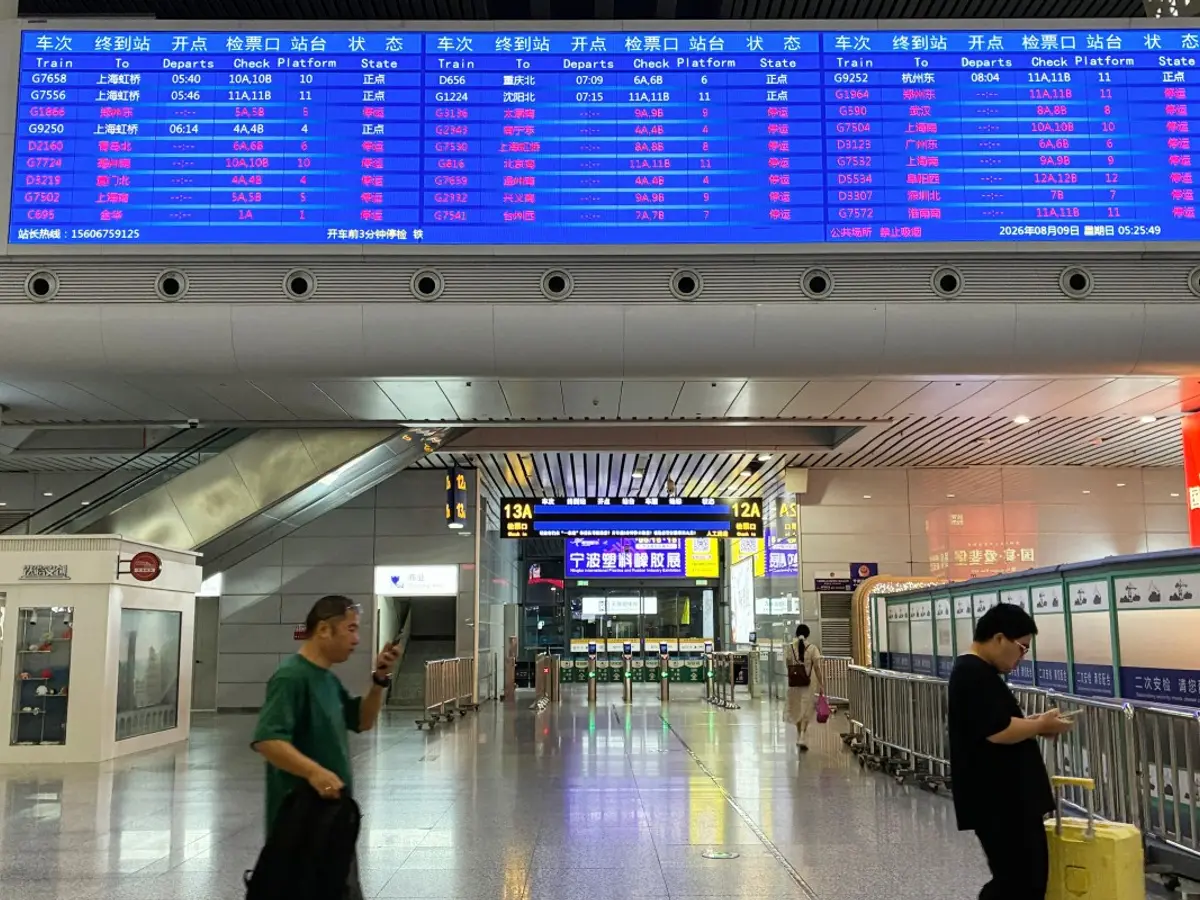
Typhoon Dolphin is a very big, strong storm that came to China.
It is the strongest storm to hit China this year.
Before reaching China, it passed near Japan, where it hurt six people and cut power to about 50,000 homes.
Then it hit the coast of China in Zhejiang province.
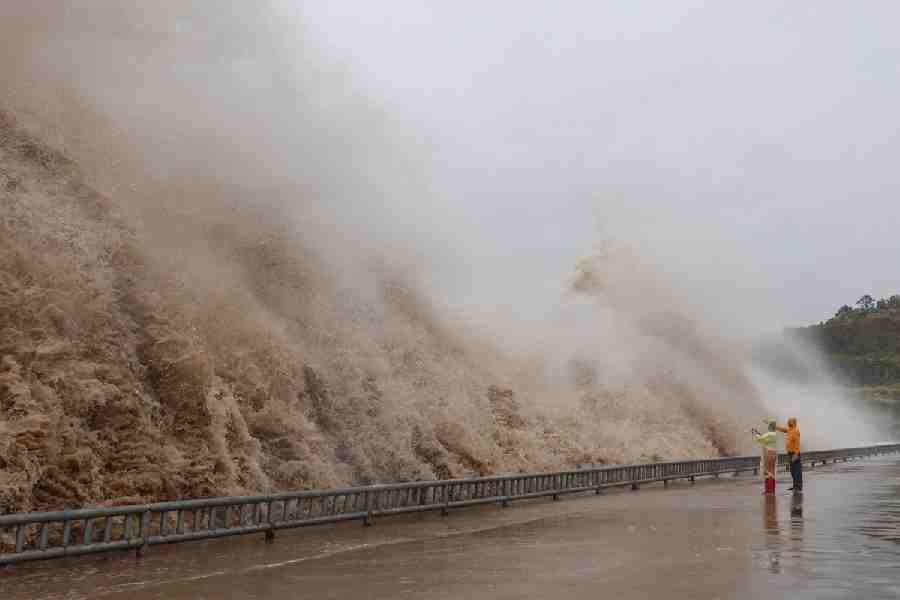
To keep people safe, airports in Shanghai cancelled more than 1,300 flights.
More than one million people were told to leave their homes because of the danger of floods and landslides.
The storm brings very heavy rain, which can make rivers overflow and cause flooding; mud and rocks can slide down hills in what is called a landslide.
In the Philippines, the storm made the seasonal monsoon rains stronger, causing floods and landslides that displaced more than 12,000 people.
Officials told people to follow evacuation orders and stay safe.
The storm should get weaker as it moves inland, but heavy rain may last for several more days.

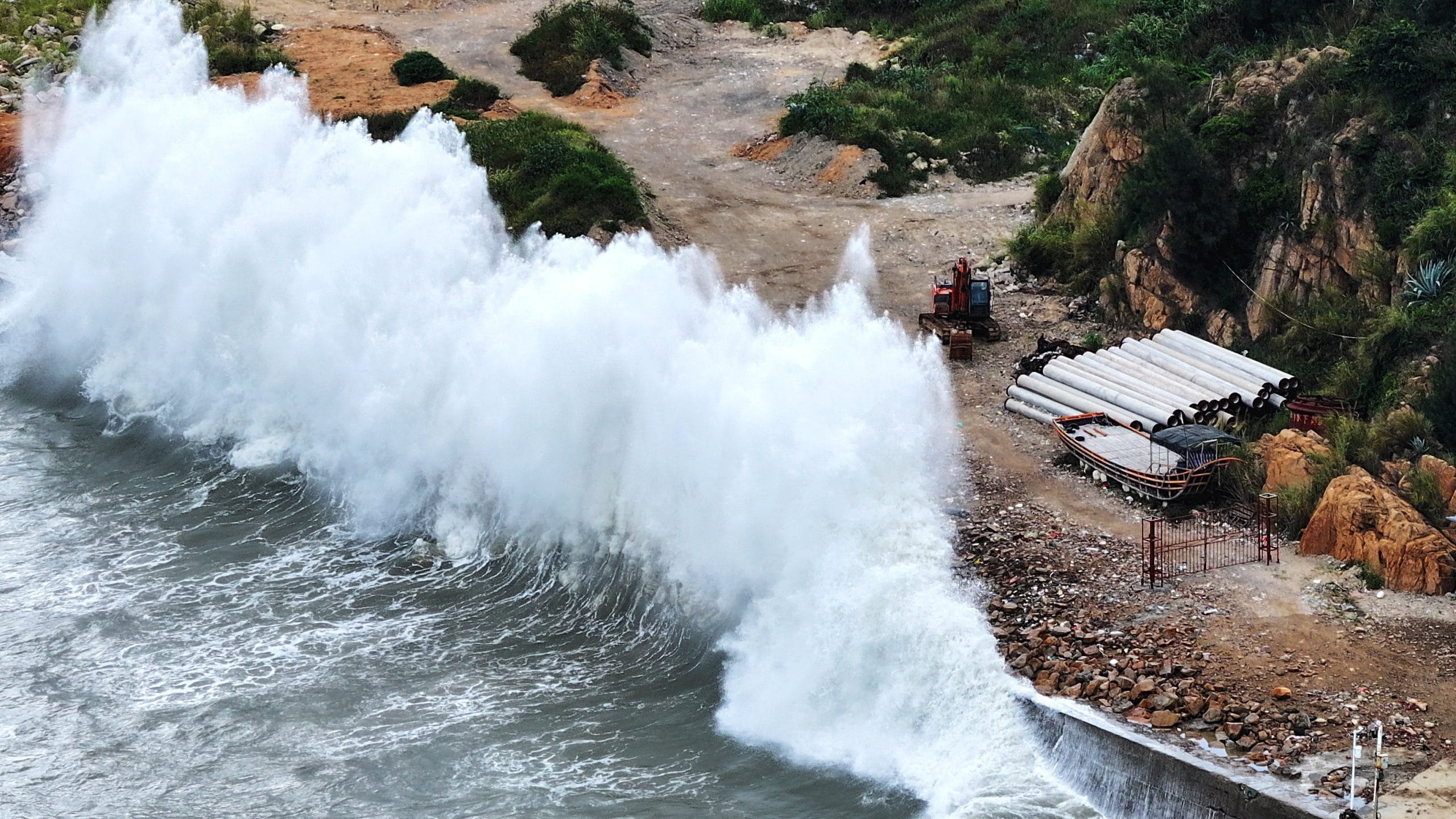
Typhoon Dolphin made landfall in Yuhuan, Zhejiang province, at about 5:30 pm local time on Sunday, August 9, becoming the most powerful tropical cyclone to strike China this year.
Roughly 1 million people were evacuated across eastern China, including about 390,000 in Taizhou, Zhejiang, and more than 30,000 in Shanghai.
More than 1,300 flights — about 60% of Sunday's schedule — were cancelled at Shanghai's Hongqiao and Pudong airports, with flight tracker VariFlight counting about 1,500.
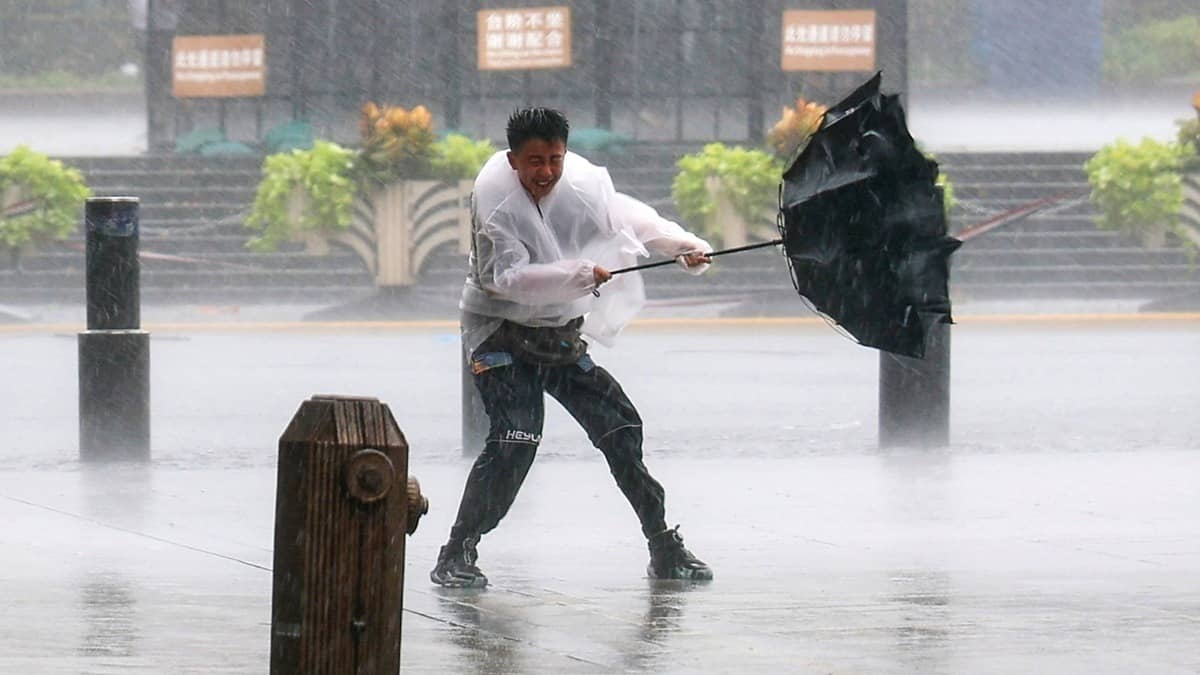
At landfall sustained winds were about 151 km/h, after the storm peaked at 162 km/h with gusts up to 216 km/h over Japan's southern islands, where six people were injured and power was cut to about 50,000 buildings.
Forecasters predicted 200–400 mm of rain — up to 500 mm in parts of Zhejiang — and warned of severe flooding and landslides, while monsoon rains intensified by Dolphin in the Philippines displaced more than 12,000 people.
- Who
- China's National Meteorological Centre (chief forecaster Wang Haiping quoted by CCTV), emergency authorities, and residents of Zhejiang, Shanghai, Fujian and other eastern provinces; the storm also affected northern Taiwan, Japan's Okinawa and the Philippines.
- What
- Typhoon Dolphin made landfall in eastern China, triggering a red alert, mass evacuations, flight cancellations, and flood and landslide warnings.
- Where
- Yuhuan, Zhejiang province, on China's eastern coast; heavy rain also expected in Shanghai, northern Fujian, Jiangxi, Anhui and much of Jiangsu.
- When
- Sunday, August 9, with landfall around 5:30 pm local time; torrential rain forecast through at least August 10.
- Why
- The typhoon's torrential rain and strong winds posed severe risks of flooding, landslides and other geological disasters in densely populated eastern China.
Key facts
- Landfall
- Yuhuan, Zhejiang province, at about 5:30 pm local time on Sunday, August 9
- Typhoon warning
- Red alert — highest level in China's typhoon warning system
- Sustained winds
- About 151 km/h at landfall; peaked at 162 km/h with gusts up to 216 km/h
- Flight cancellations
- More than 1,300 (about 60% of Sunday's flights) at Shanghai's Hongqiao and Pudong airports; about 1,500 per VariFlight
- People evacuated
- Roughly 1 million across eastern China, including about 390,000 in Taizhou and more than 30,000 in Shanghai
- Predicted rainfall
- 200–400 mm generally; 250–500 mm in parts of central and eastern Zhejiang
- Japan impact
- Okinawa: six people injured; power cut to about 50,000 buildings
- Philippines impact
- Monsoon floods and landslides displaced more than 12,000 people; five rescued and seven missing after a landslide in Baguio
Quotes
Wang Haiping
Chief forecaster at the National Meteorological Centre
“That could prolong heavy rain and raise the risk of flooding and landslides, especially in mountainous areas and along smaller rivers.”
 wionews.com
Sources
Typhoon Dolphin Hits China’s East Coast; 3 Lakh Evacuated, Shanghai Airports Cancel 1300 Flights
Shanghai cancels 1,300 flights as China prepares for Typhoon Dolphin - Telegraph India

Typhoon Dolphin: Shanghai cancels 1,300 flights as China issues red alert
Typhoon Dolphin makes landfall in China, triggers mass evacuation and flight cancellations
Related news
Typhoon Dolphin Hits China's Zhejiang: 1 Million Evacuated, Flights Cancelled
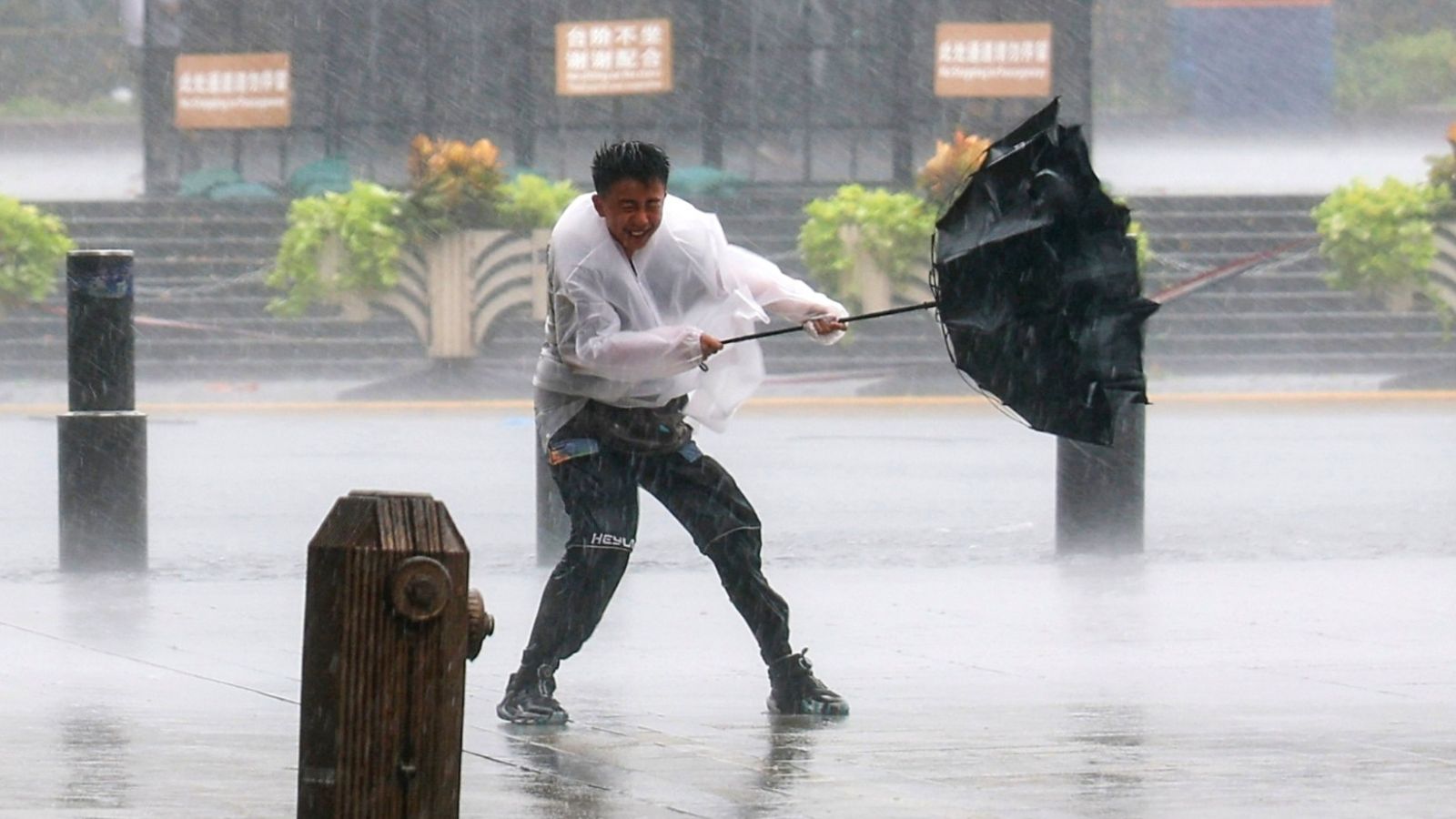
Typhoon Dolphin Forces Mass Evacuations Across Eastern China

Over 1 Million Evacuated as Typhoon Dolphin Hits Eastern China

Typhoon Dolphin Floods Central China, Shuts Airports, Displaces Thousands
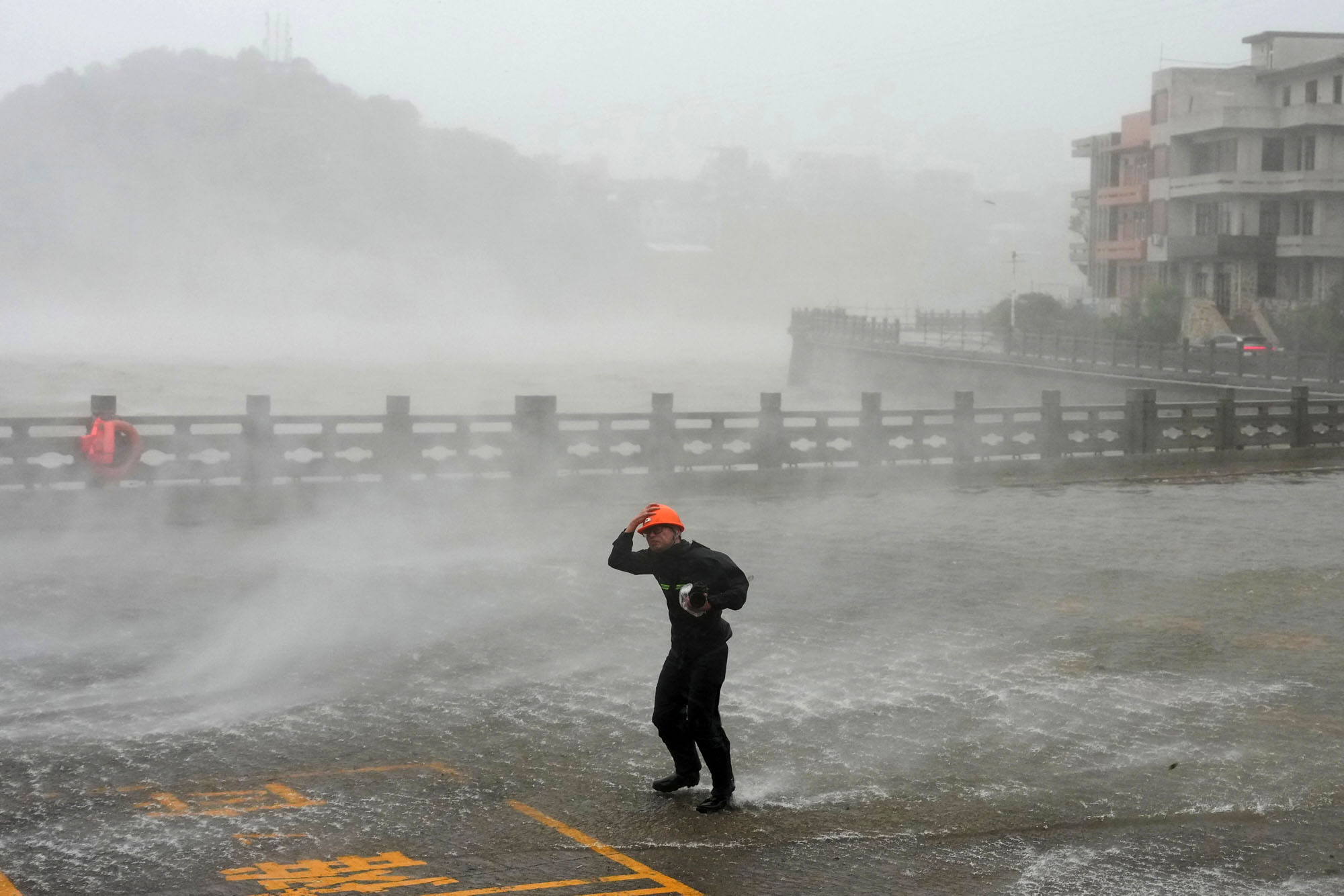
China issues red alert as Typhoon Dolphin hits eastern coast
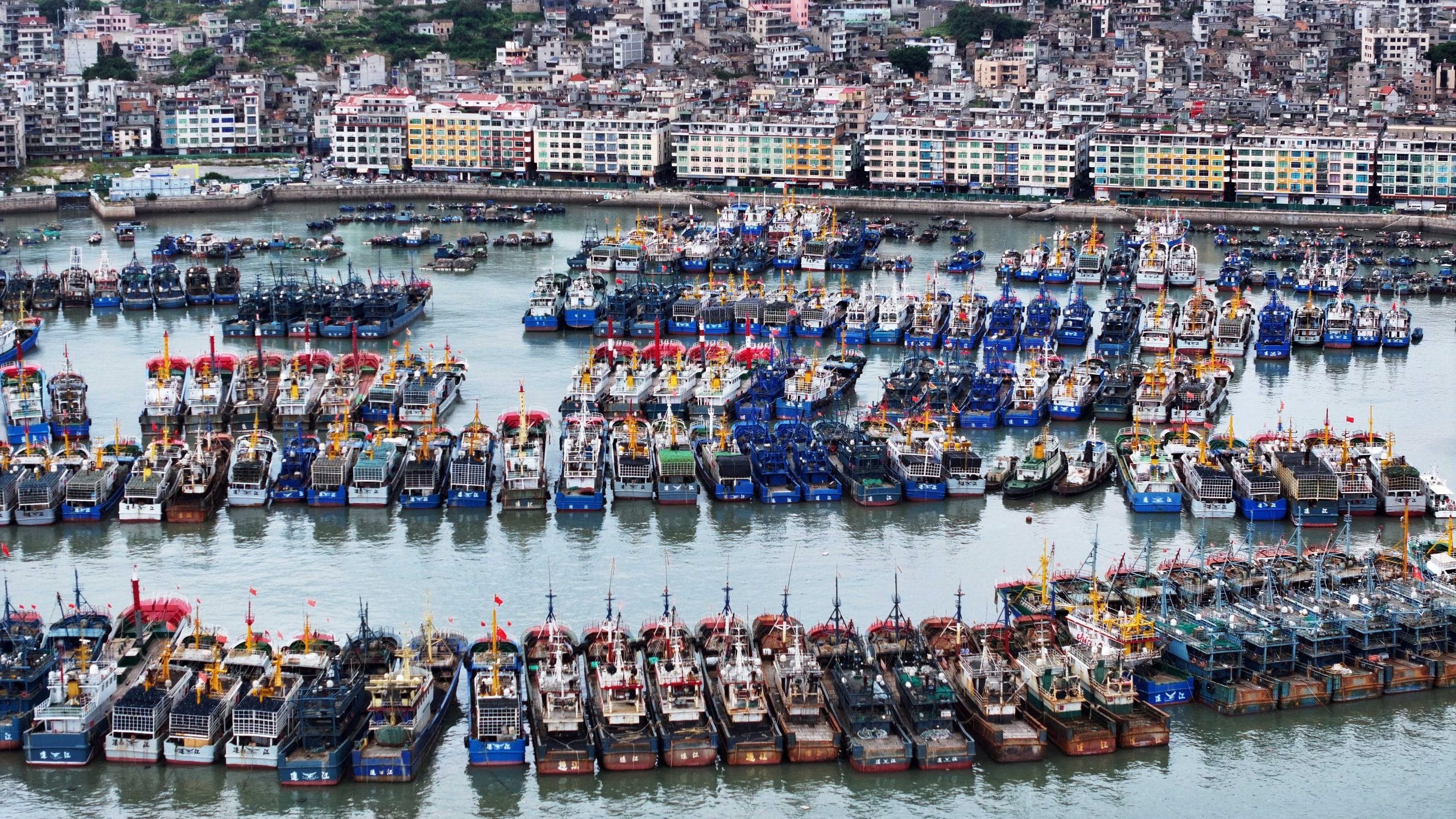
China Red Alert, Airports Cancel Flights as Typhoon Dolphin Nears

Trump administration weighs chip tariffs amid AI industry warnings

Why India Must Conserve Forex Despite Strong GDP Growth

CM Vijay Plans Britain Tour to Attract Tamil Nadu Investment

US and Australia Commit $580 Million for Pacific Islands

Tamil Nadu CM Vijay Plans UK Investment Outreach