3 weeks ago
Typhoon Dolphin Floods Central China, Shuts Airports, Displaces Thousands
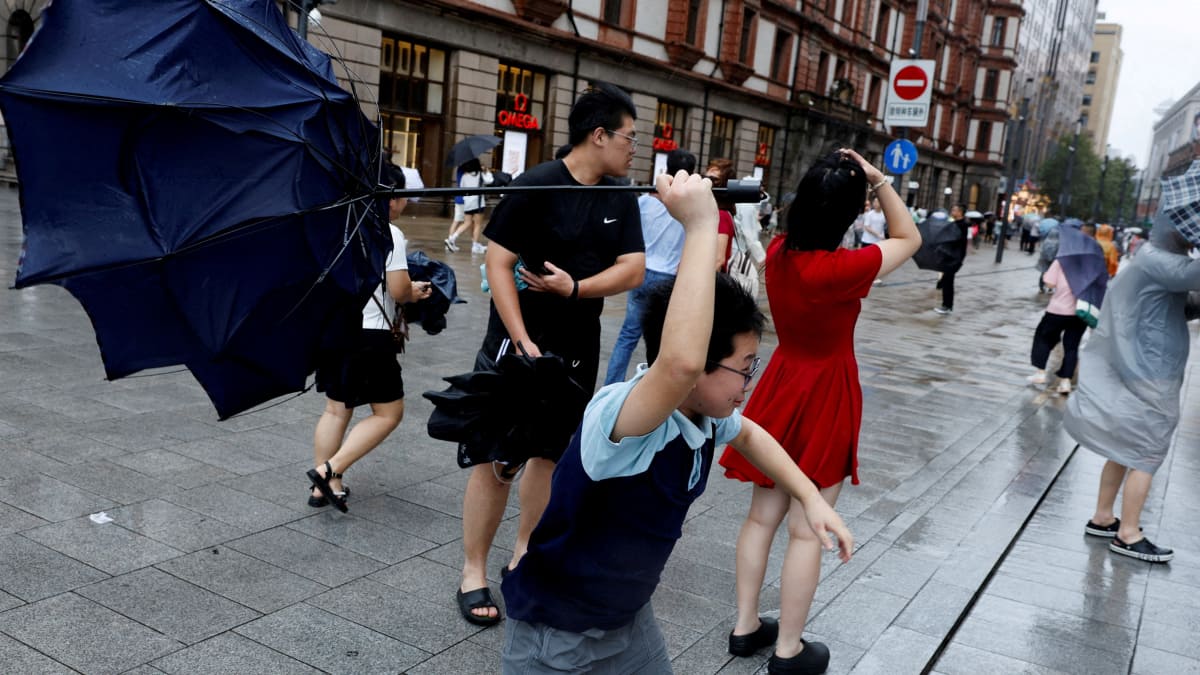
A really big storm called Typhoon Dolphin came to China and brought a lot of rain.
It started far away over the ocean and traveled a super long way before it reached the land.
When it arrived, it was the strongest storm China had seen all year.
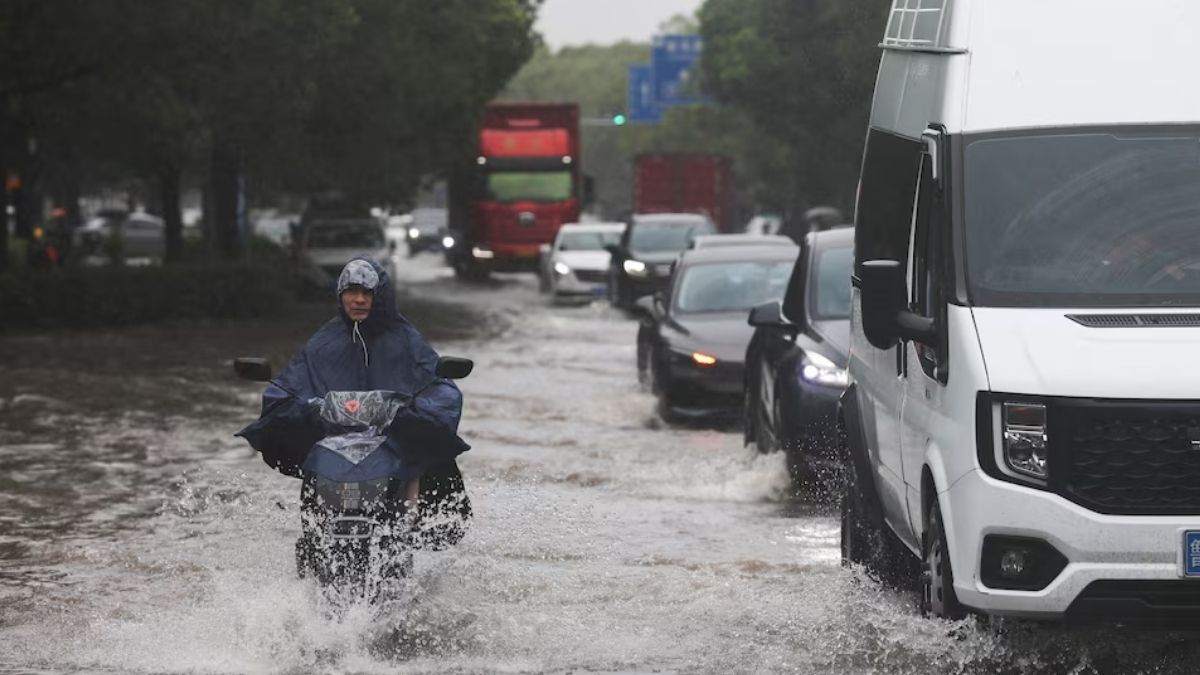
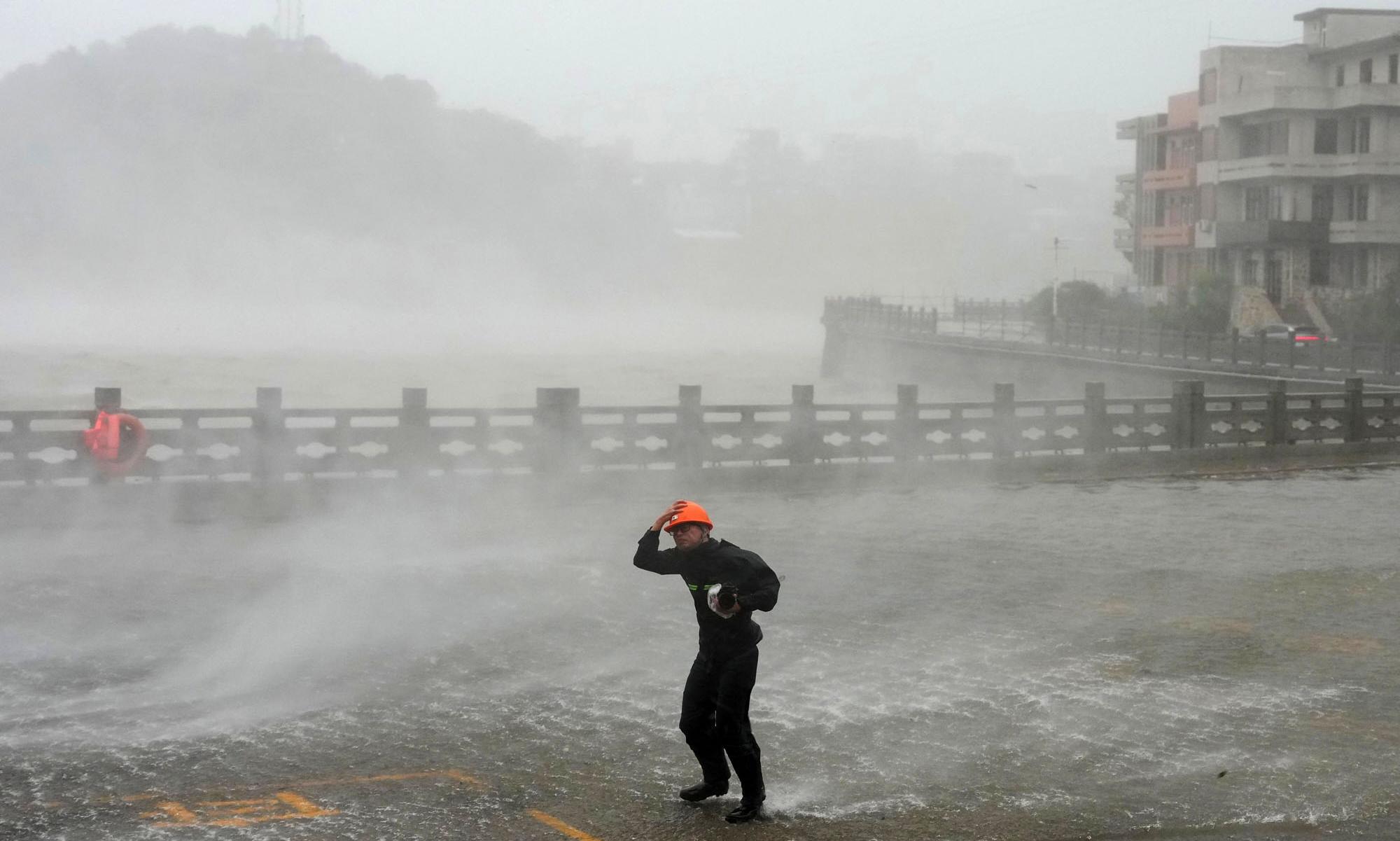
The wind blew hard, and the rain filled streets and rivers with water.
Many people had to leave their homes to go someplace safe.
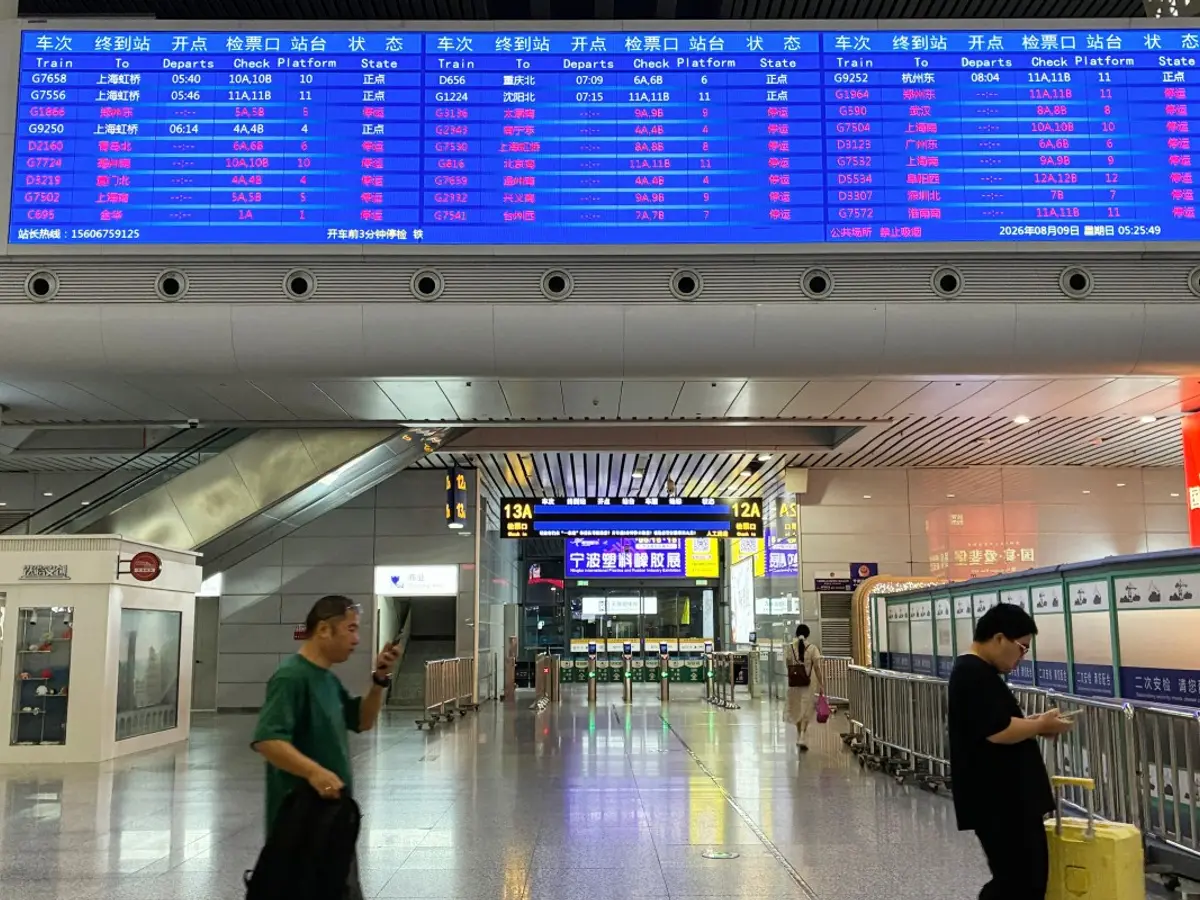
Airports had to stop many planes from flying, and some trains were cancelled too.
Roads flooded so badly that cars had to be very careful driving through the water.
The storm even made it rain a lot in other countries, like the Philippines.
In some places, the rain caused hills to move, which is called a landslide.
Now people in other parts of China are getting ready for more rain, hoping everyone stays safe.

Typhoon Dolphin made landfall in Taizhou, Zhejiang, on Sunday evening with winds of about 151 kmph, making it the strongest typhoon to hit China this year.
At least 760,000 people moved to safer areas, including more than 390,000 in Taizhou, over 210,000 in Shanghai and around 160,000 in Fujian province.
Shanghai's Hongqiao and Pudong airports cancelled over 900 flights in 24 hours (about 40% of scheduled), and China Railway Chengdu Group suspended 115 trains.
Hubei province faces severe flood risk, with up to 250 mm of rain expected in 24 hours and 9,705 people relocated in Xiangyang; tourist sites and 26 high-risk construction projects were shut.
The storm's wider impact included 19 deaths from monsoon flooding in the Philippines' northern Luzon region and heavy rain warnings in Henan and Beijing.
- Who
- Residents and authorities across eastern and central China, particularly in Zhejiang, Shanghai, Hubei, Fujian and Henan provinces, as well as people in the Philippines' northern Luzon region.
- What
- A powerful typhoon brought extreme rainfall, flooding, landslides and widespread travel disruption to China.
- Where
- Landfall was in Taizhou, Zhejiang province; flooding hit Hubei, Shanghai, Henan and Beijing, with monsoon effects in the Philippines.
- When
- Dolphin made landfall on Sunday evening and continued moving inland through Tuesday.
- Why
- The unusually large weather system travelled nearly 6,000 km, and its vast moisture field continued producing heavy rain far from the original landfall area.
Key facts
- Storm
- Typhoon Dolphin, the strongest typhoon to hit China so far this year
- Landfall
- Taizhou, Zhejiang province, Sunday evening, with winds of about 151 kmph
- People relocated
- At least 760,000, including 390,000+ in Taizhou, 210,000+ in Shanghai and 160,000 in Fujian
- Flight cancellations
- Over 900 flights (about 40% of scheduled) in Shanghai in 24 hours; about 1,300 the day before
- Trains suspended
- 115 trains suspended by China Railway Chengdu Group
- Rainfall warnings
- Up to 250 mm in 24 hours in parts of Hubei; up to 350 mm through Wednesday afternoon in Henan
- Hubei impact
- 9,705 people relocated in Xiangyang; 26 high-risk construction projects suspended; only 2 of 59 scenic spots open
- Philippines impact
- 19 deaths in northern Luzon; over one million people affected; about 98,000 displaced
Sources
Related news
Typhoon Dolphin floods central China, puts Beijing on alert
Typhoon Dolphin makes landfall in China, triggers mass evacuations
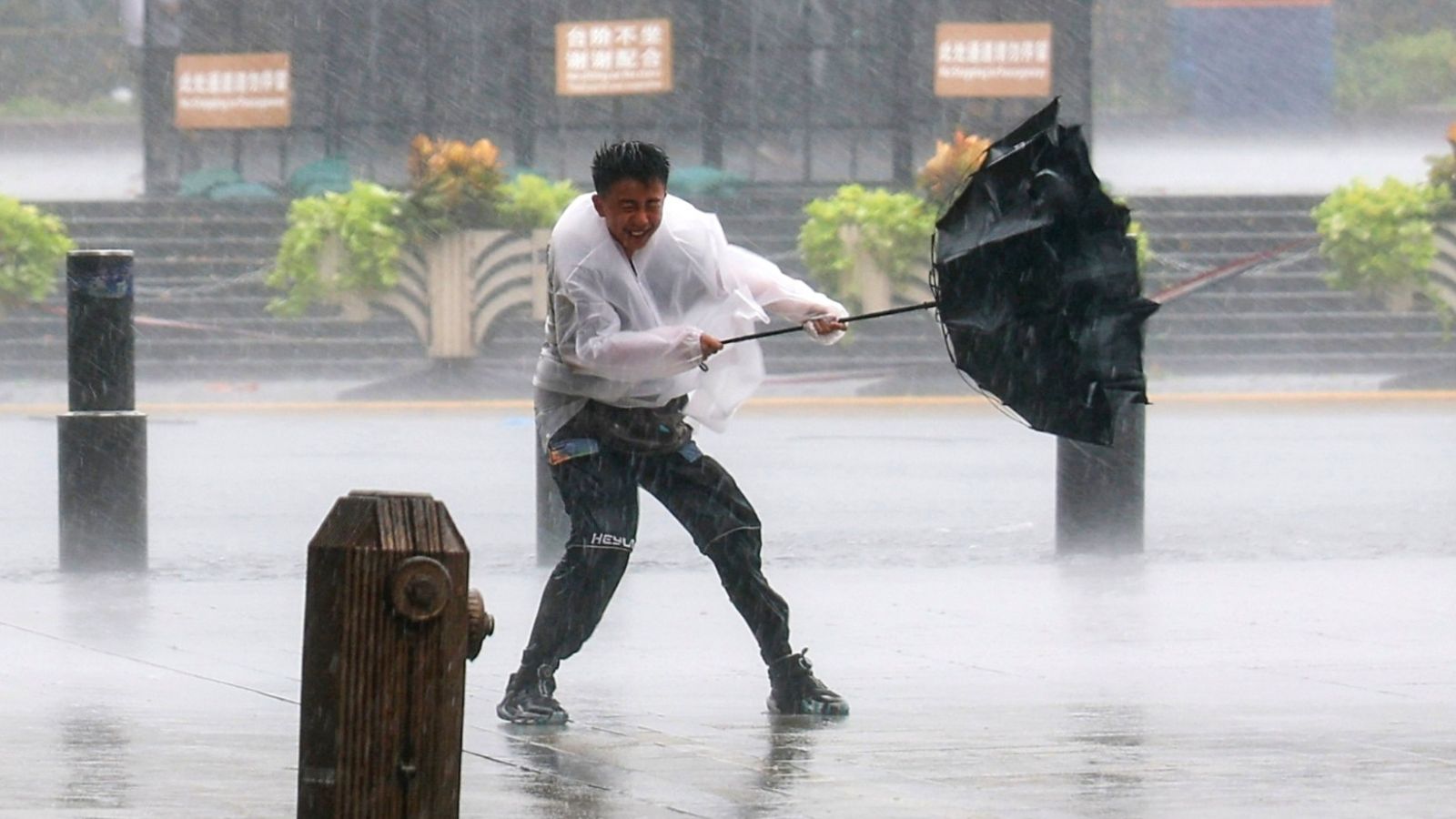
Typhoon Dolphin Forces Mass Evacuations Across Eastern China
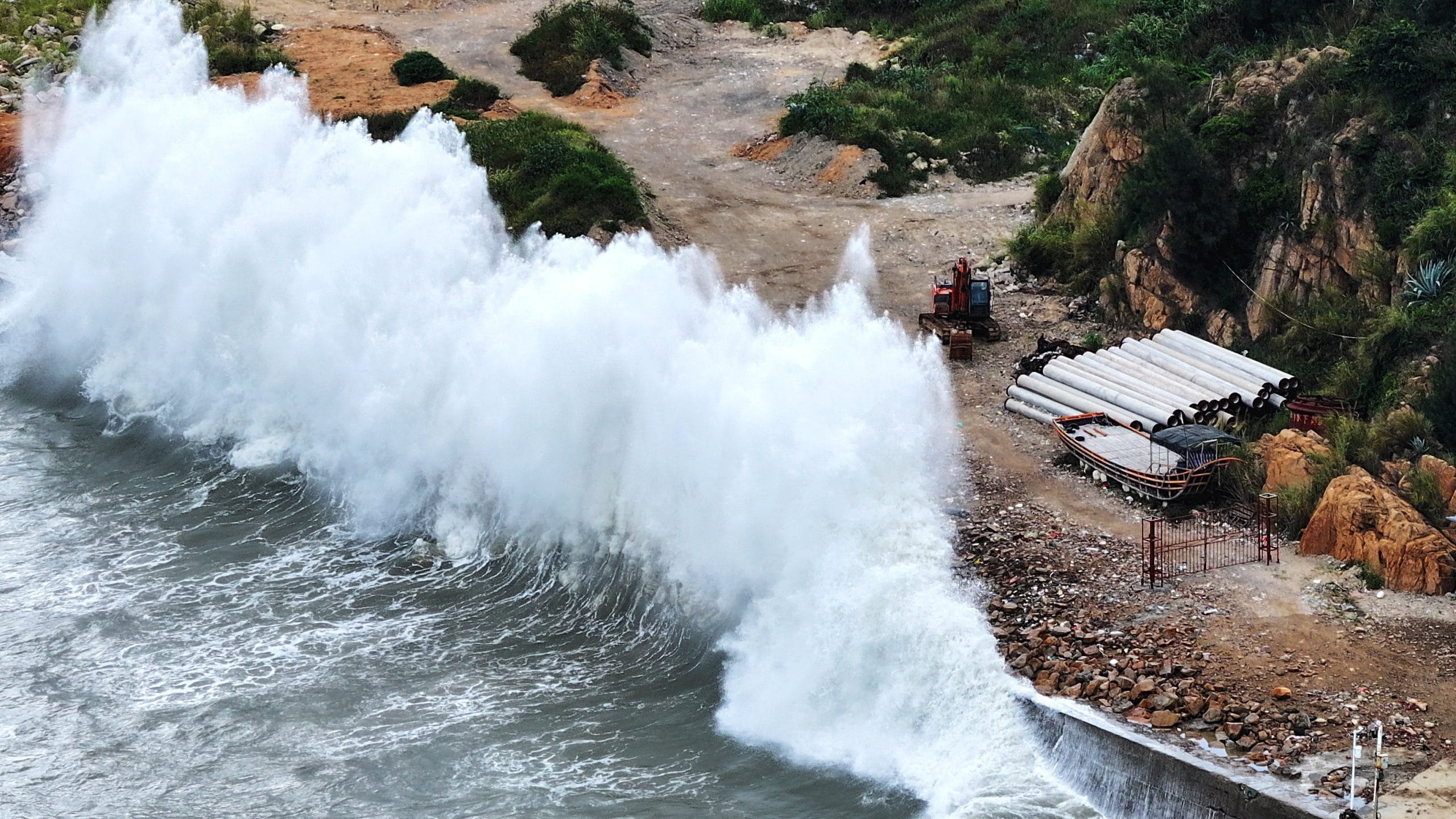
Typhoon Dolphin Hits China's Zhejiang: 1 Million Evacuated, Flights Cancelled

Over 1 Million Evacuated as Typhoon Dolphin Hits Eastern China