3 weeks ago
Typhoon Dolphin Hits China's Zhejiang: 1 Million Evacuated, Flights Cancelled
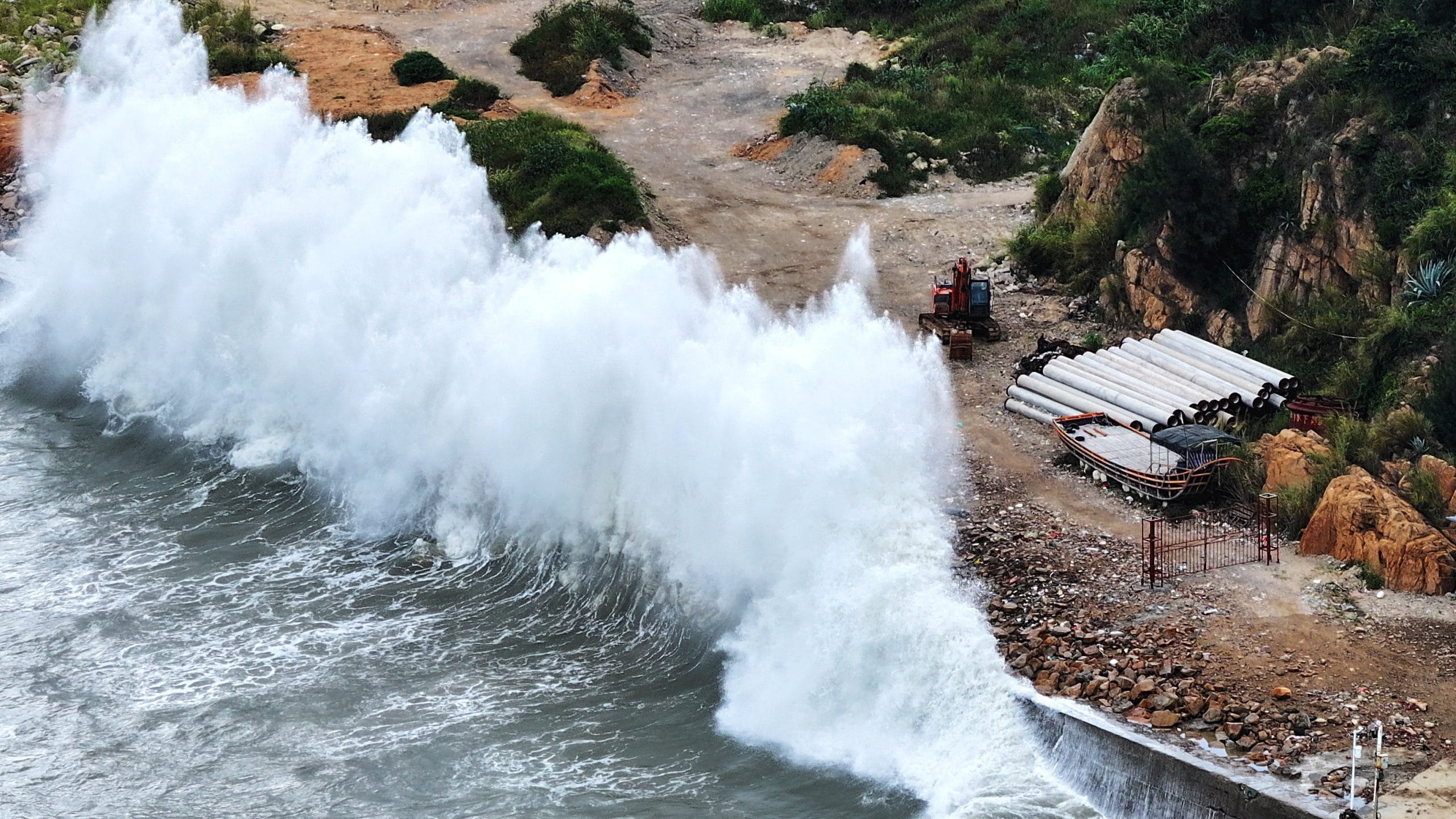
A typhoon is a giant, spinning storm that blows in from the ocean with very strong winds and heavy rain.
A big typhoon named Dolphin came ashore on the eastern coast of China on a Sunday.
It arrived near a city called Yuhuan in Zhejiang Province at around 5:30 in the evening.
The winds near the storm's centre blew faster than 150 kilometres per hour, which is as strong as a big hurricane.
Because the storm was so dangerous, more than one million people were moved to safer places.
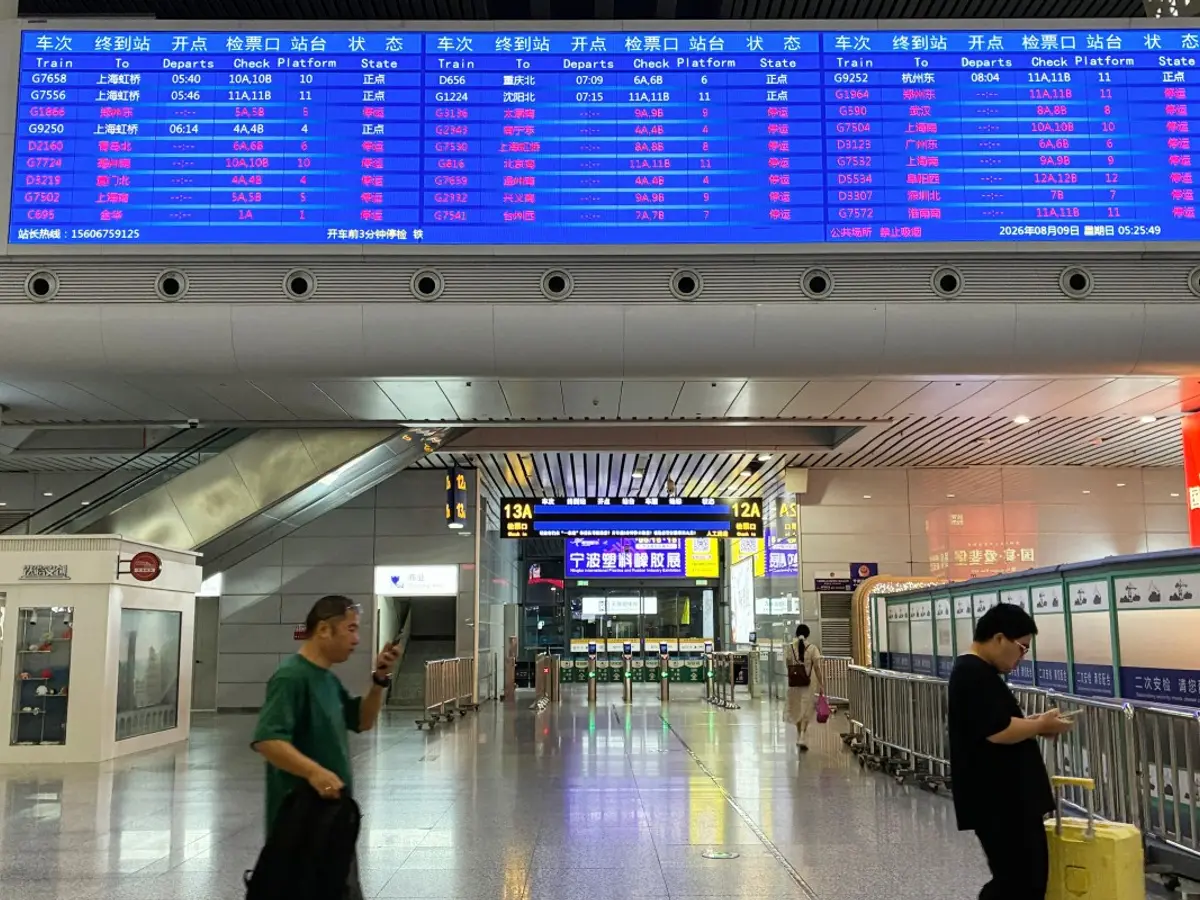
Many airplanes could not fly safely, so more than 1,600 flights were cancelled.
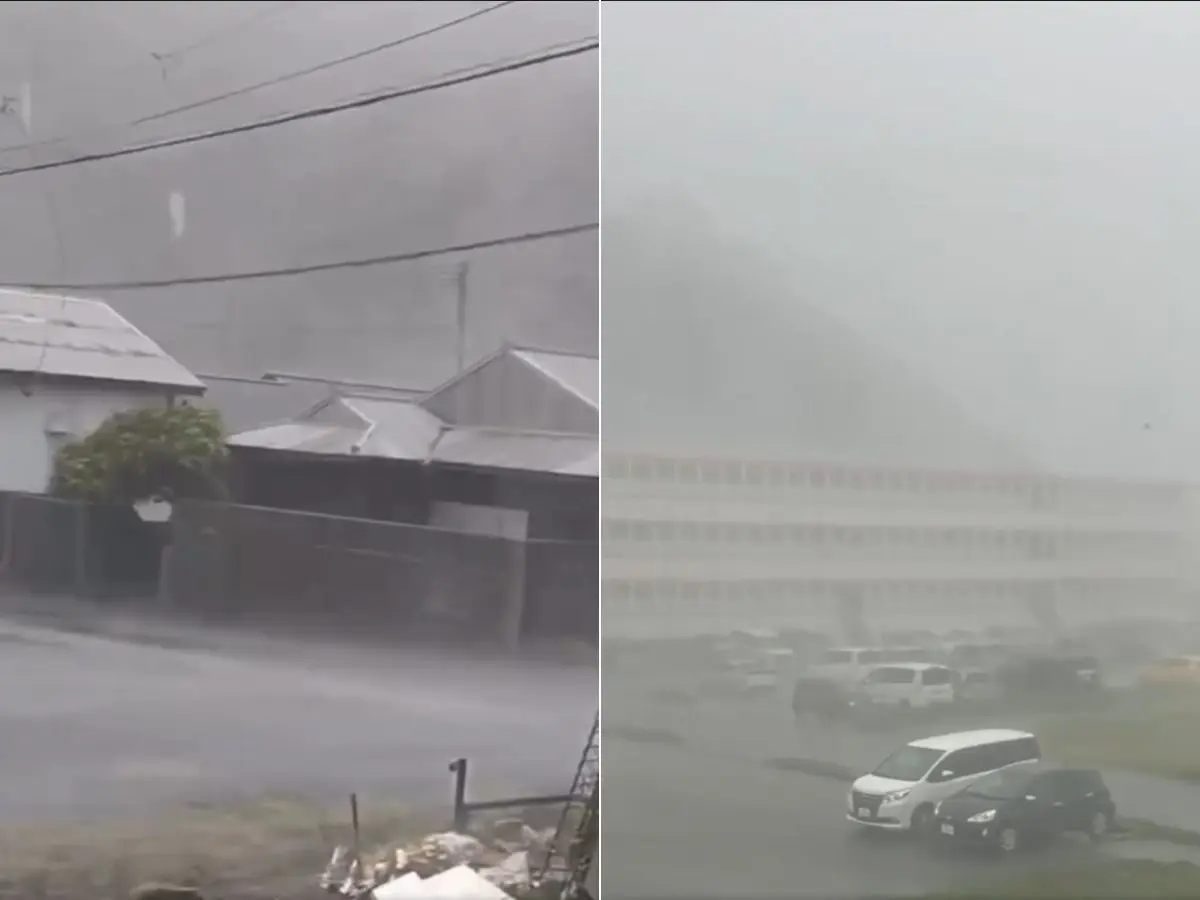
Before reaching China, the storm passed over Okinawa in Japan, where it hurt six people and turned off power for more than 50,000 buildings.
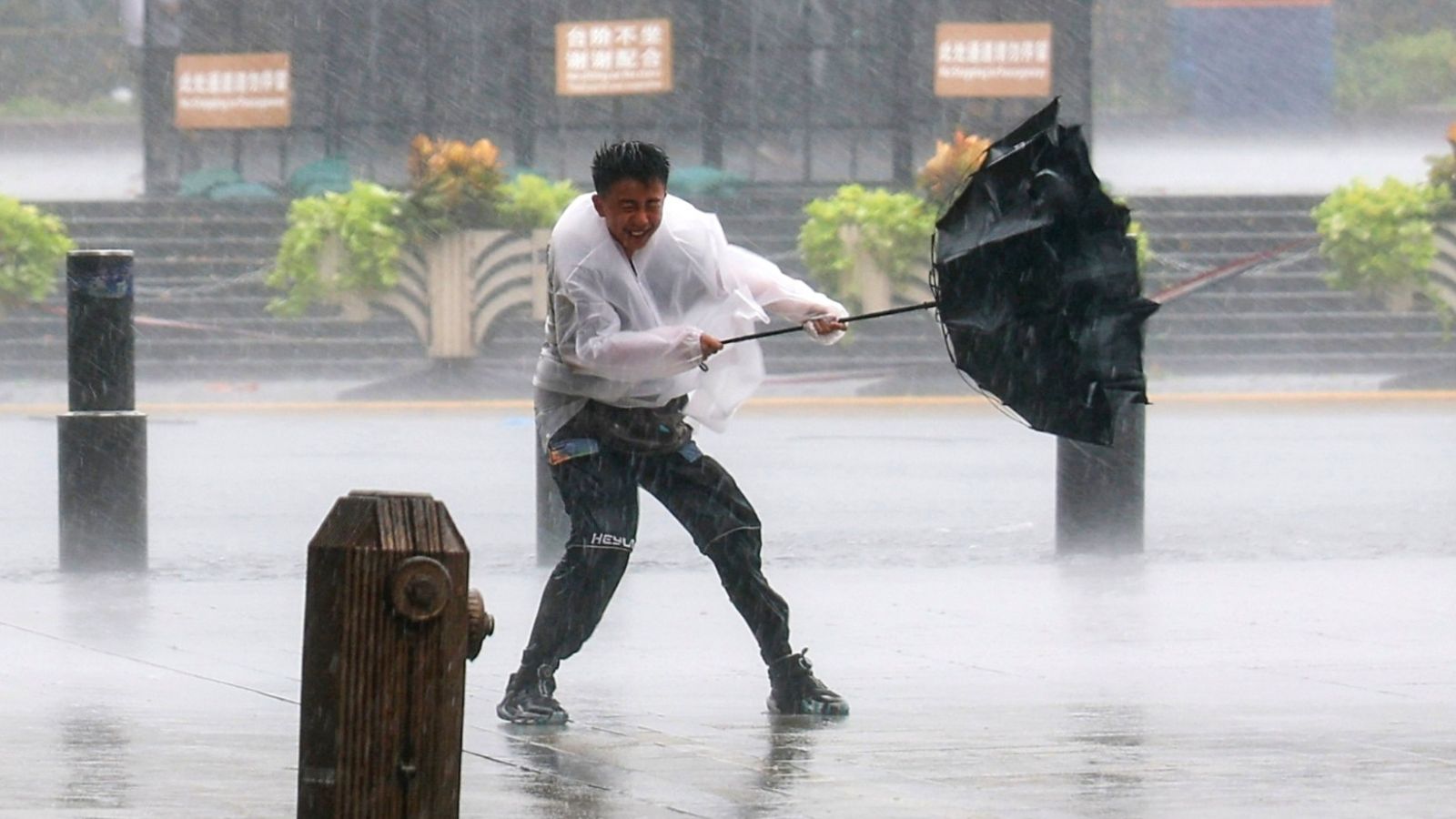
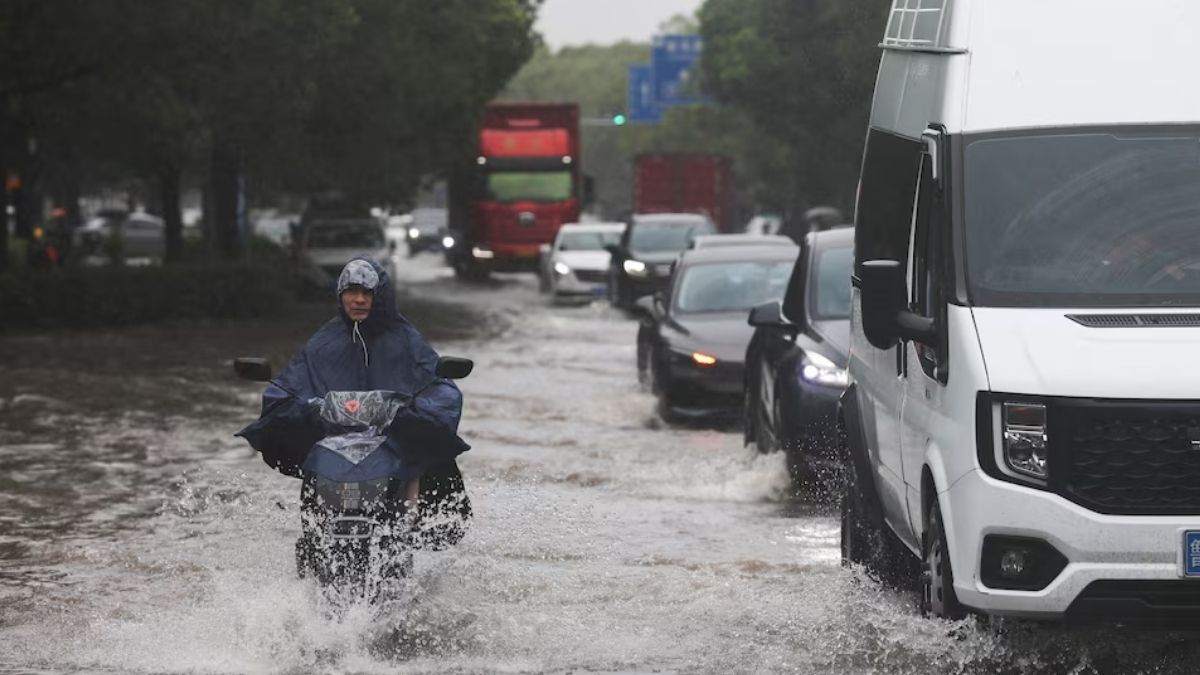
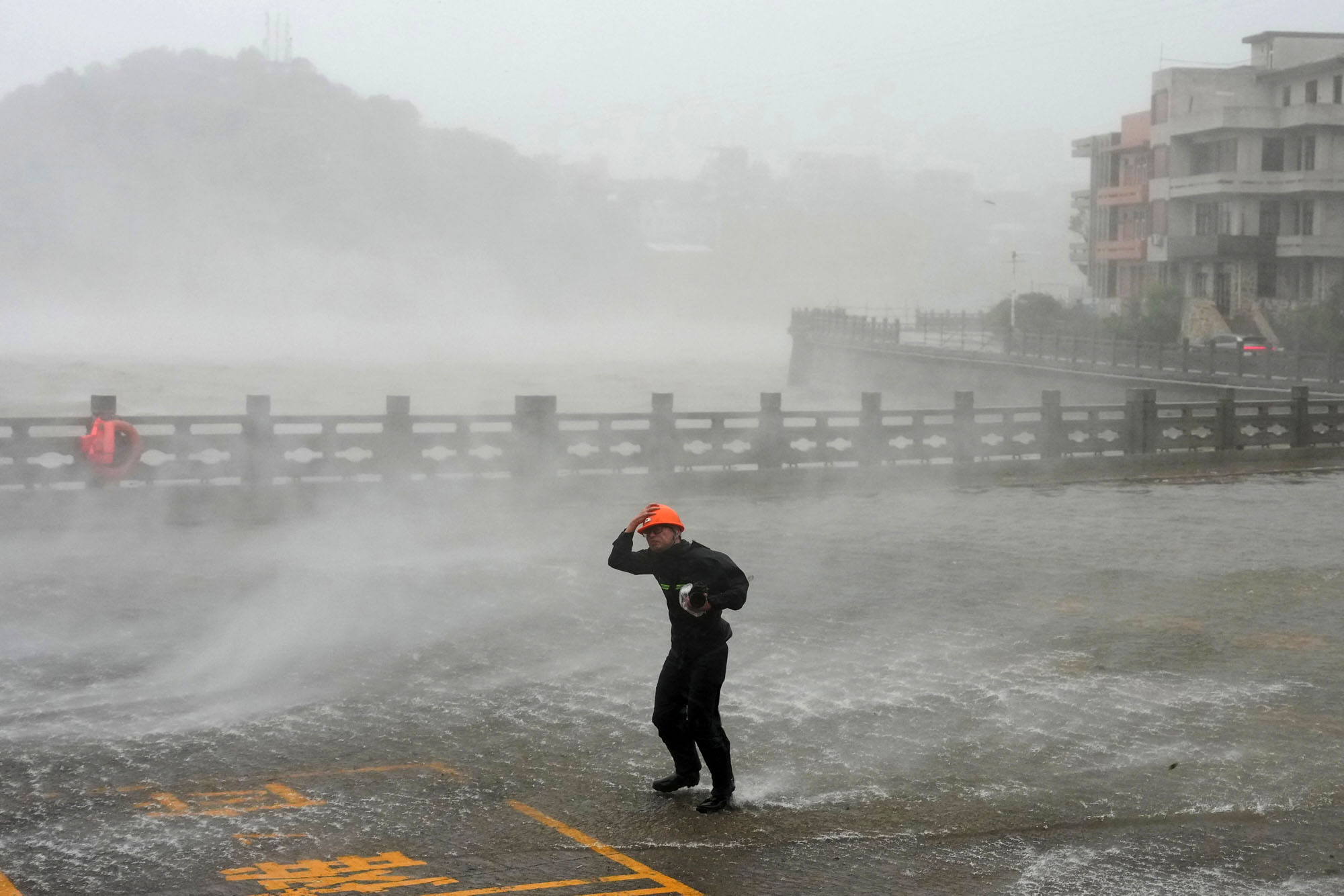
The storm brought very heavy rain, and officials worried about floods and landslides in the mountains.
Leaders had been preparing for days, stopping ferries and construction work along the storm's path.
People are hoping the winds slow down and everyone stays safe until the typhoon passes.

Typhoon Dolphin, the most powerful tropical cyclone to hit China this year, made landfall near Yuhuan City in Zhejiang Province at about 5:30 pm local time on Sunday.
Maximum sustained winds near the storm's centre reached 151 km/h (42 metres per second), the equivalent of a Category 1 hurricane.
More than 1 million people were evacuated from their homes, including over 900,000 in Wenzhou and 98,900 in Fujian province.
More than 1,600 flights were cancelled, including about 1,500 in Shanghai, while ferry routes, construction projects and port operations were suspended.
Before reaching China, Dolphin swept through Japan's Okinawa prefecture, injuring six people and cutting power to more than 50,000 buildings.
- Who
- Residents of China's eastern coast, particularly in Zhejiang, Shanghai and Fujian, along with authorities who carried out evacuations and suspended services.
- What
- Typhoon Dolphin, the most powerful tropical cyclone to hit China this year, made landfall with maximum winds of 151 km/h, triggering the evacuation of more than 1 million people and the cancellation of over 1,600 flights.
- Where
- Near Yuhuan City in eastern Zhejiang Province, on China's eastern coast.
- When
- Sunday, with landfall around 5:30 pm local time (0930 GMT); heavy rain is forecast through August 10.
- Why
- The powerful storm brought torrential rain and strong winds, prompting warnings of flooding, landslides and geological disasters across the region.
Key facts
- Disaster
- Typhoon Dolphin makes landfall in China's Zhejiang province
- Landfall location
- Near Yuhuan City, Zhejiang Province
- Landfall time
- Around 5:30 pm local time (0930 GMT), Sunday
- Maximum wind speed
- 151 km/h (42 m/s), equivalent to a Category 1 hurricane
- People evacuated
- More than 1 million (Wenzhou: 900,000+; Fujian: 98,900)
- Flights cancelled
- More than 1,600, including about 1,500 in Shanghai
- Earlier impact
- Okinawa, Japan: 6 injured and power cut to more than 50,000 buildings
- Rain forecast
- 250-500 mm in parts of central and eastern Zhejiang through August 10
Quotes
Chen, a 42‑year‑old Guangdong tourist
Tourist stranded in Shanghai during the typhoon
“To us Guangdong people, this typhoon is as ordinary as having a meal and feeling the wind. It’s just part of everyday life.”
 theprint.in
Sources

Related news
Typhoon Dolphin makes landfall in China, triggers mass evacuations
Typhoon Dolphin Forces Mass Evacuations Across Eastern China

Over 1 Million Evacuated as Typhoon Dolphin Hits Eastern China
Typhoon Dolphin Floods Central China, Shuts Airports, Displaces Thousands
Typhoon Dolphin hits Okinawa; China shuts ports ahead of landfall
China issues red alert as Typhoon Dolphin hits eastern coast

India’s SIP Boom Meets Years of Modest Market Returns

Americans Oppose Trump’s Canada Tariffs and Lake America Renaming

How Indian News Photographs Became National Visual Memory

Meta Removes Scam Ads After India Flags Porn Malware Bait

X’s Transparency Pledge Collides With India’s Secrecy Rules