6 hrs ago
AI Governance Needs China for a Truly Global Framework
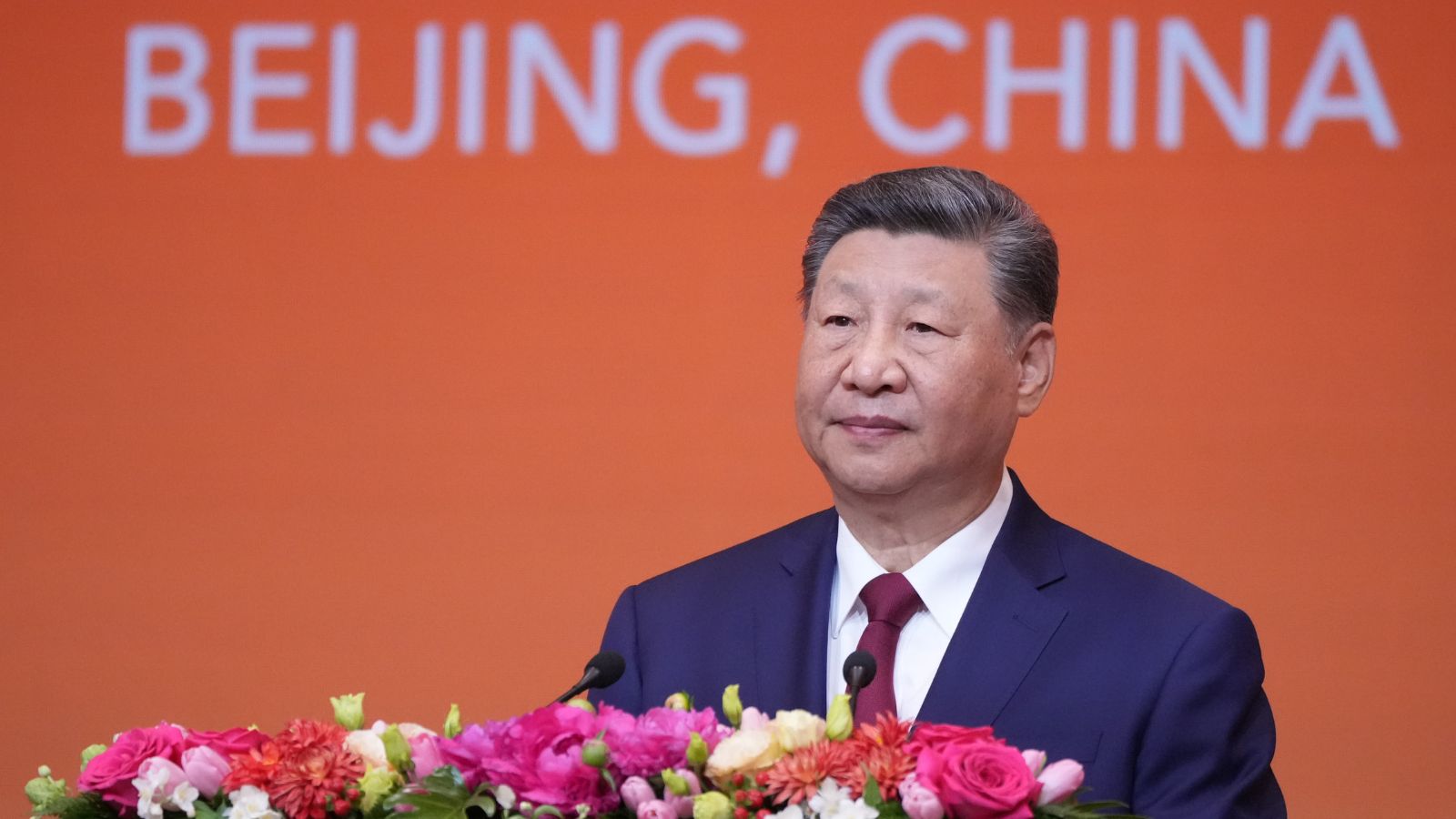

Recent AI debates exposed disagreement between calls for international oversight and U.S. support for voluntary industry commitments.
The United States and China agreed to create an AI incident communication mechanism, with a dedicated dialogue planned for November.
The European Union, United States, China and nonbinding international initiatives represent four competing governance models.
A proposed layered system would combine national laws, capability thresholds, incident reporting, scientific advice and verification for the most advanced systems.
The article argues that China must participate because its frontier models and alternative governance proposals influence countries beyond the West.
- Who
- The United States, China, the European Union, middle-power governments, technology companies and international institutions.
- What
- Governments and experts are debating a global system for governing advanced artificial intelligence.
- Where
- The discussions took place through the United Nations, the White House and international governance forums.
- When
- The debate intensified during the last fortnight; a dedicated United States-China AI dialogue is due in November.
- Why
- The article argues that advanced AI needs rules for safety, testing and incident reporting, and that these rules must include both major frontier powers.
International Oversight
National and Voluntary Control
Role of international institutions
International Oversight
Supporters favor a global oversight body or layered international framework to coordinate AI safety and keep systems under human control.
National and Voluntary Control
The United States rejects centralized international control and emphasizes national regulation and voluntary industry commitments.
Binding versus voluntary rules
International Oversight
The European Union and proponents of shared thresholds support binding laws, testing requirements and mandatory incident reporting.
National and Voluntary Control
The U.S. approach relies on companies’ voluntary pledges, including internal monitoring, outside audits and independent board oversight.
China’s participation
International Oversight
The article argues China must join because it has frontier capabilities, deploys open-weight models internationally and offers an approach attractive to many developing countries.
National and Voluntary Control
A framework led mainly by Western governments could proceed without China, although the article warns that exclusion could produce competing Chinese standards and institutions.
Key facts
- U.S. position
- The United States favors market-led, voluntary commitments rather than centralized international control.
- European Union position
- The European Union offers binding, risk-tiered AI legislation.
- China’s position
- China uses state-directed, sector-specific controls and promotes UN-centered international cooperation.
- Middle-power proposal
- Twenty countries and the European Union called for keeping AI under human control, potentially through a global oversight body.
- U.S.-China channel
- The two countries agreed on an AI incident communication mechanism, with a dedicated dialogue planned for November.
- Proposed architecture
- The article recommends national laws, capability thresholds, cross-border incident reporting, a scientific body and verification for the most capable systems.
- Cyber precedent
- UN cyber processes established 11 voluntary norms of responsible state behavior, but remained nonbinding.
Sources
Related news

Global AI Governance Splits as Nations Debate Voluntary Safeguards

Beijing Rejects Anthropic CEO’s Call to Curb China’s AI
US-China AI Dialogue Tests India’s Strategy and Strength
India’s AI Future Depends on Building Capability at Home
Trump’s AI Meeting With Tech CEOs Will Weigh Oversight

AI Leaders Urge UN Safeguards Amid Global Control Debate

Making Nuclear Power in Space Safe and Responsible
US Rejects Iran Proposal to Reopen Strait of Hormuz

China Expands UN Influence as Trump Pulls Back
Iran Rejects Nuclear Concessions in Strait of Hormuz Proposal