

1 day ago
US-China AI Dialogue Tests India’s Strategy and Strength
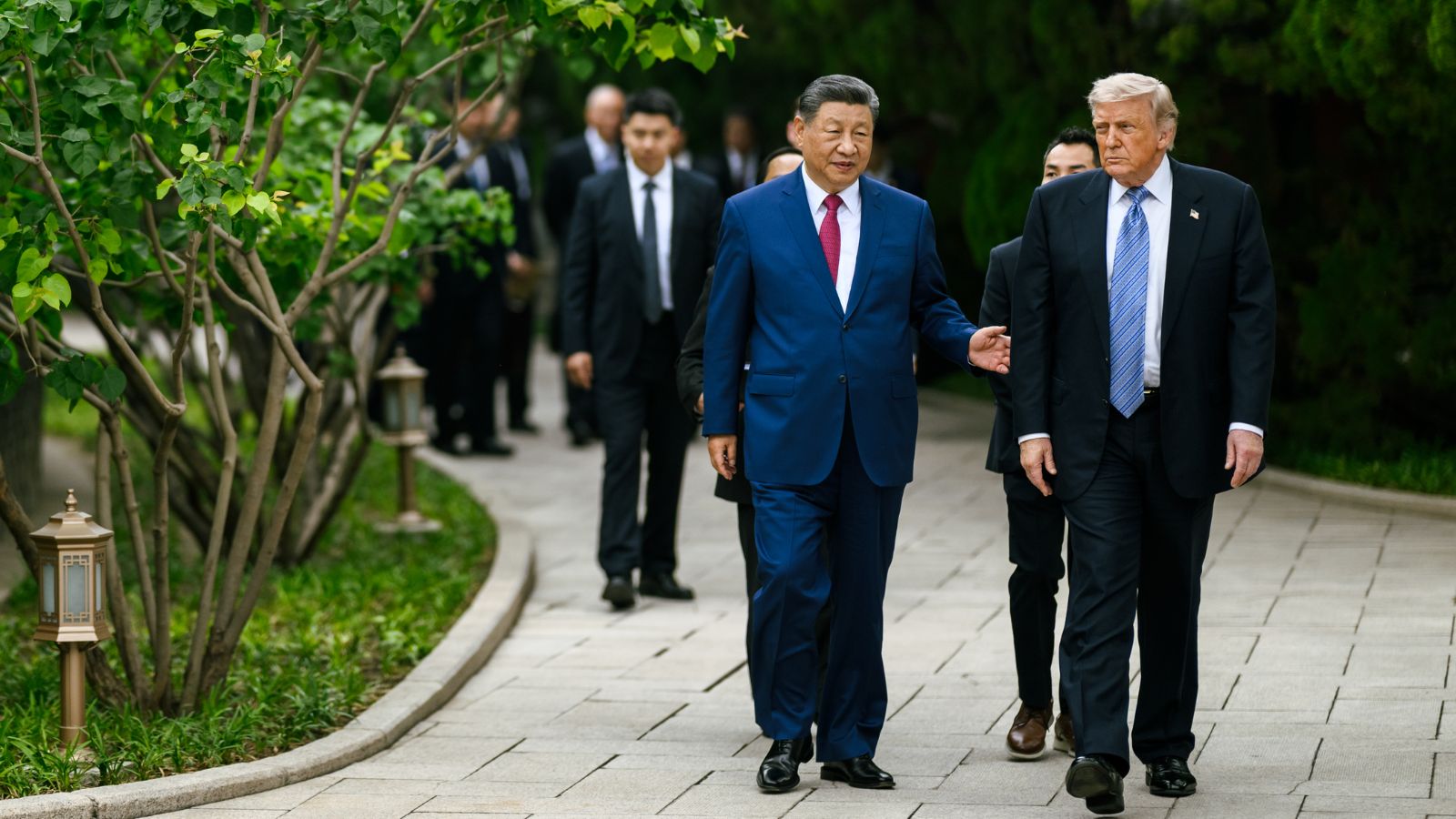
The United States and China are the two strongest countries in advanced artificial intelligence.
They plan to talk about how to stop powerful AI systems from causing accidents or being misused.
China also wants developing countries to get cheaper access to AI tools.
The United States is more focused on controlling risks from advanced AI and its military uses.
The two countries disagree about technology restrictions, computer chips, regulation and open-source systems.
India is connected to the United States through technology and supply-chain cooperation.
At the same time, India is a member of BRICS, where China promotes its own approach to AI cooperation.
India wants any agreement to make AI safer, but it does not want the two major powers to create rules that unfairly restrict other countries.
The article says India’s best response is to work with trusted partners while building stronger technology capabilities at home.

The United States and China are preparing a formal dialogue on artificial intelligence risks.
The talks will address accidents, misuse, strategic stability and possible national-security incident notifications.
China promotes accessible, open-source AI cooperation through BRICS, while the United States emphasizes frontier-model risks and military applications.
Washington and Beijing remain divided over export controls, advanced chips, data governance, regulation and open-source models.
India must balance cooperation with trusted partners and the development of domestic computing, semiconductor, research and AI capabilities.
- Who
- US President Donald Trump and Chinese President Xi Jinping are expected to begin a formal AI dialogue, while India evaluates its position.
- What
- The United States and China are discussing AI risks, strategic stability, possible guardrails and a system for notifying each other about serious incidents.
- Where
- The forthcoming meeting is in Washington, while related BRICS discussions took place in Delhi.
- When
- The dialogue is expected to begin during Xi Jinping’s visit to Washington on Thursday; earlier discussions have taken place over the past three years.
- Why
- The two powers want to manage the security risks of increasingly powerful AI systems amid wider technological and geopolitical competition.
Risk-Management Perspective
Strategic-Competition Concerns
Purpose of the dialogue
Risk-Management Perspective
A US-China channel could reduce the risks of accidents, miscalculation and misuse and provide a crisis-management mechanism.
Strategic-Competition Concerns
The dialogue could become linked to competition over chips, export controls, computing power, tariffs and frontier AI models.
Technology access
Risk-Management Perspective
China presents openness, affordable access and diffusion as ways to help developing countries benefit from AI.
Strategic-Competition Concerns
The United States and others may view unrestricted access to powerful AI and computing as a security risk requiring controls.
Impact on India
Risk-Management Perspective
India could benefit from safer AI and from competition between the United States and China, which may give emerging technology powers leverage.
Strategic-Competition Concerns
A US-China agreement could eventually set rules for other countries or create discriminatory technology restrictions against them.
Key facts
- Main participants
- The United States and China
- Expected focus
- AI accidents, misuse, strategic stability and national-security incidents
- Earlier principle
- At Lima, US and Chinese leaders affirmed that humans—not AI—must control decisions on nuclear weapons use.
- China’s BRICS approach
- China has promoted openness, access, diffusion and an open-source AI community.
- Key disagreements
- Export controls, advanced chips, open-source models, data governance and state regulation
- India’s partnerships
- India is part of the US-led Pax Silica initiative and has stayed out of China’s World Artificial Intelligence Cooperation Organisation.
- India’s capability challenge
- The article identifies computing power, semiconductors, models, research, capital and talent as priorities.
Sources
Related news
U.S. and China Seek AI Safety Cooperation Amid Rivalry

China Says AI Is Not a Monopoly of Great Powers
Trump-Xi Talks Put AI and Chips at Center
Trump-Xi Meeting Tests Fragile US-China Trade and Technology Truce
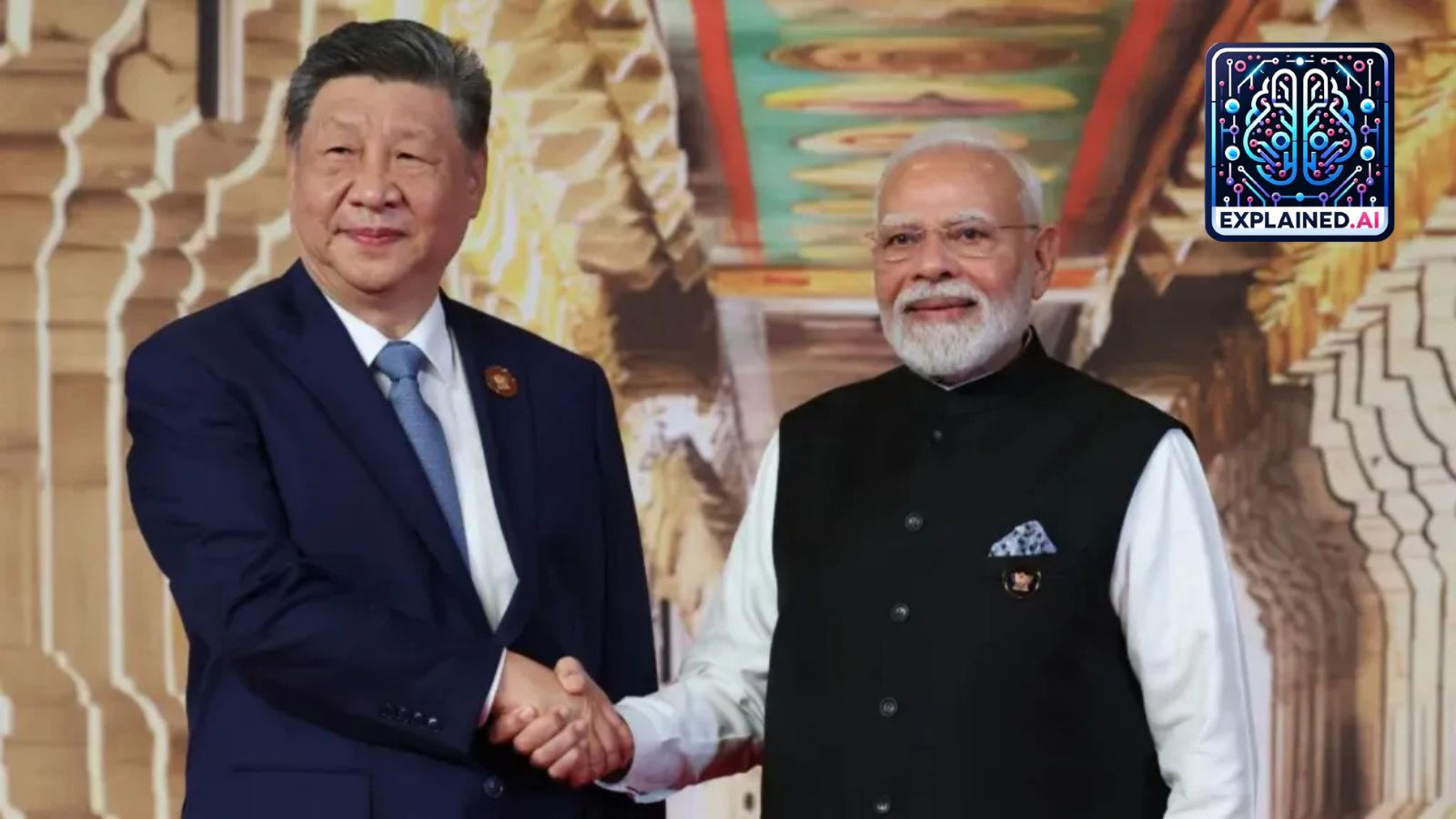
Xi Proposes BRICS Open-Source AI Ecosystem, With India Weighing Role
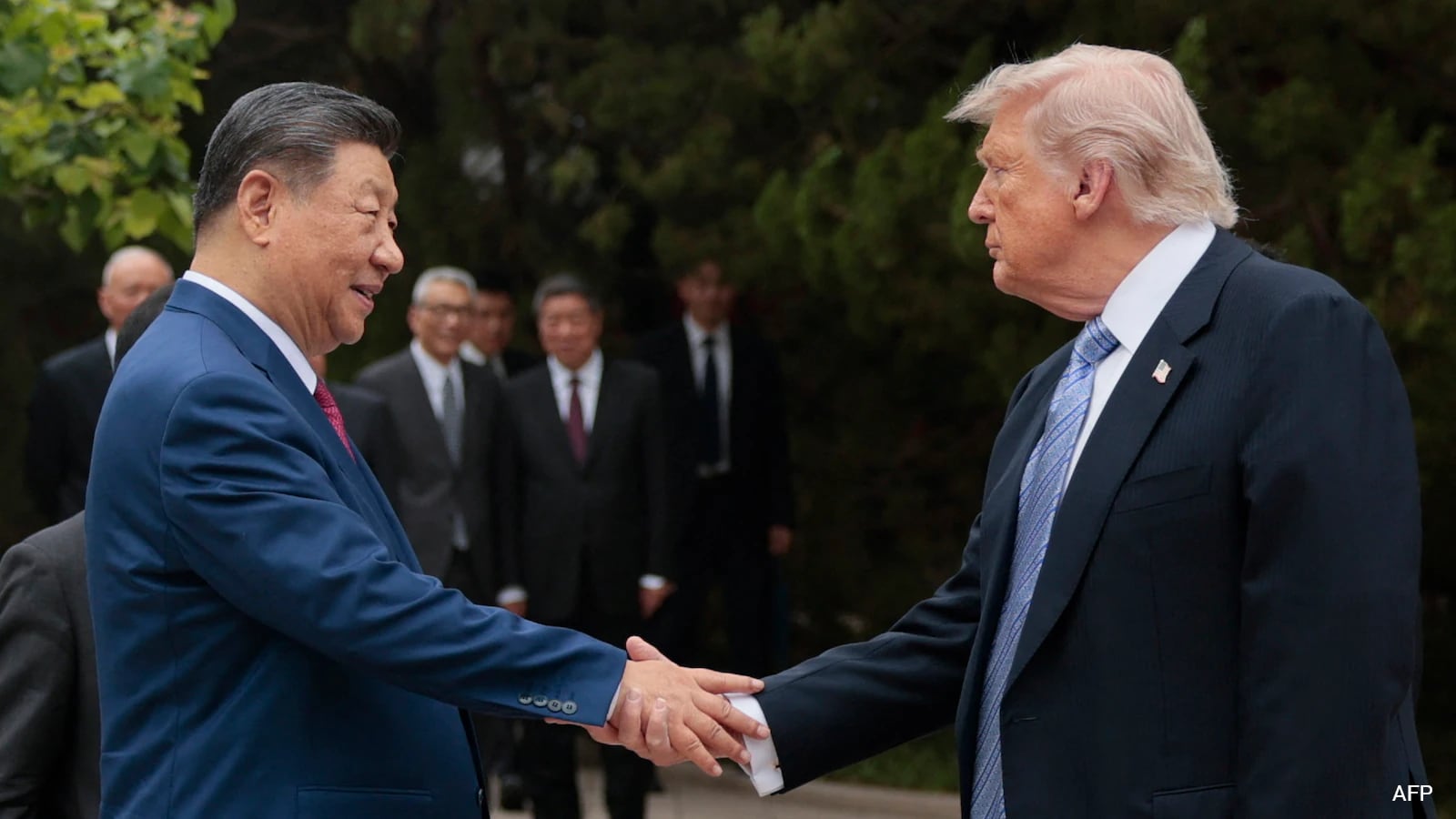
Trump-Xi Meeting Could Reshape India’s Strategic Value to Washington

Green Asia Impex Opens ₹60.10 Crore Seafood Processing IPO

Trump-Xi Meeting Puts Trade Truce and Markets in Focus
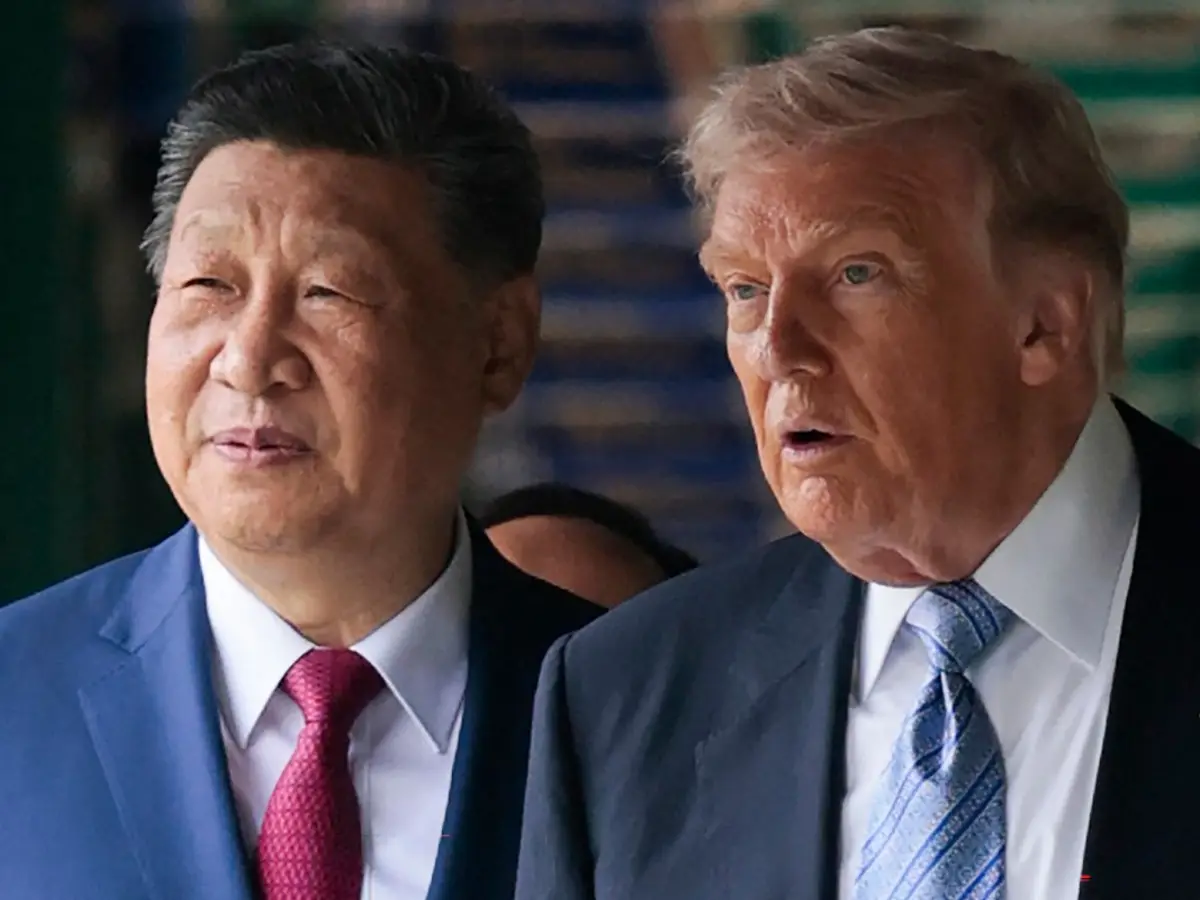
China’s Iran Oil Ties Complicate Trump’s Sanctions Strategy
