

1 hr ago
India’s AI Future Depends on Building Capability at Home
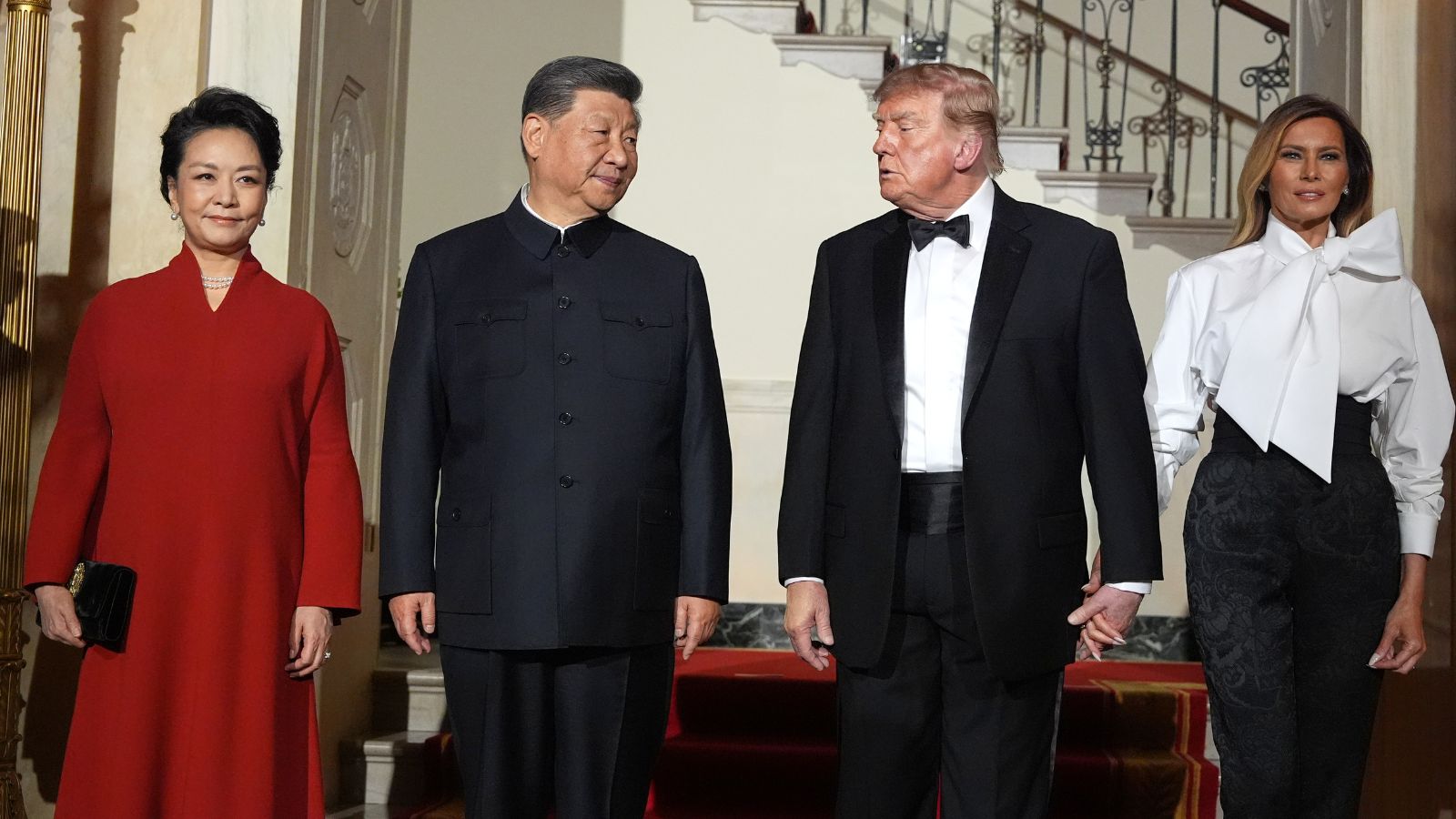
The United States and China are competing to become leaders in advanced artificial intelligence.
They agreed to talk about dangerous AI incidents, but they still disagree about how much the technology should be controlled.
Donald Trump wants the United States to move quickly and deal with problems later.
Xi Jinping says AI should remain under human control.
China is promoting open-weight models that other countries can use and change.
India could benefit from these models, but relying too heavily on either China or the United States could create security risks.
The article says India should keep sensitive systems protected and test AI carefully.
It also says India should help create international rules instead of letting only two powerful countries decide them.
Most importantly, India’s influence will depend on the AI capabilities it develops at home.

The United States and China agreed to discuss AI risks, benefits and national-security incidents, but used different names for the technology.
Donald Trump favors rapid frontier-AI development and limited advance regulation, while Xi Jinping emphasizes keeping AI under human control.
Washington and Beijing remain locked in competition over chips, models, supply chains, export controls and technological standards.
India faces pressure to navigate separate American and Chinese AI ecosystems, including the appeal of China’s inexpensive open-weight models.
The article urges India to build domestic compute, chips, models, datasets and talent while pursuing multilateral and technology-neutral AI rules.
- Who
- The United States, China and India are the main actors discussed, including Donald Trump and Xi Jinping.
- What
- The article examines US-China AI competition and sets out how India should respond by building domestic capabilities and shaping international rules.
- Where
- The discussions took place in Washington and New York, while the broader policy debate involves international forums, BRICS and India.
- When
- The latest US-China discussions occurred in September, following earlier talks in New York and a November 2024 understanding on human control of nuclear-use decisions.
- Why
- The United States and China are competing over frontier AI, security, chips, models and standards, creating strategic choices and risks for India.
Rapid Frontier Development
Control and Strategic Self-Reliance
How AI should be regulated
Rapid Frontier Development
The US position described in the article favors continuing frontier development and addressing harms through enforcement after the technology advances.
Control and Strategic Self-Reliance
China emphasizes human control and applies political limits to what AI systems may say, while treating safety concerns partly as a potential tool of containment.
Technology competition
Rapid Frontier Development
Washington is expected to protect its lead through chip controls, action against model distillation and supply-chain partnerships.
Control and Strategic Self-Reliance
Beijing is pursuing chip self-reliance and promoting open-weight models internationally through Chinese companies and diplomatic platforms.
India’s alignment
Rapid Frontier Development
India is expected to protect access to American AI systems and avoid Chinese models in sensitive government and infrastructure settings.
Control and Strategic Self-Reliance
India may find Chinese open-weight models attractive because they are competitive, inexpensive and adaptable, but the article argues it should avoid dependence on either side and build alternatives at home.
Key facts
- US-China AI talks
- The countries agreed to discuss AI risks and benefits, establish a channel for incidents with national-security consequences and meet again by November.
- Terminology dispute
- The White House used “super intelligence,” while China’s agreed-outcomes list referred to a “China-US dialogue on artificial intelligence.”
- US approach
- Donald Trump supports rapid frontier-AI development and opposes calls for a slowdown, with enforcement focused on the Department of Justice.
- China’s approach
- Xi Jinping called for AI development to remain under human control, while Chinese policy emphasizes political control over model outputs.
- Open-weight models
- Alibaba’s Qwen has reportedly generated more than 150,000 derivative models.
- India’s proposed safeguards
- The article recommends excluding Chinese models from government systems, critical infrastructure and sensitive data, while requiring security testing and local hosting for lower-risk private uses.
- Domestic priorities
- India is urged to develop compute, chips, models, datasets, talent and independent frontier-system testing capabilities.
Quotes

Xi Jinping
President of China, speaking about the governance of artificial intelligence
“a race of catching up with one another, not a wrestle in which one either wins or loses”
 indianexpress.com
“ensure that the development of AI is always under human control”
indianexpress.com
Sources
Related news
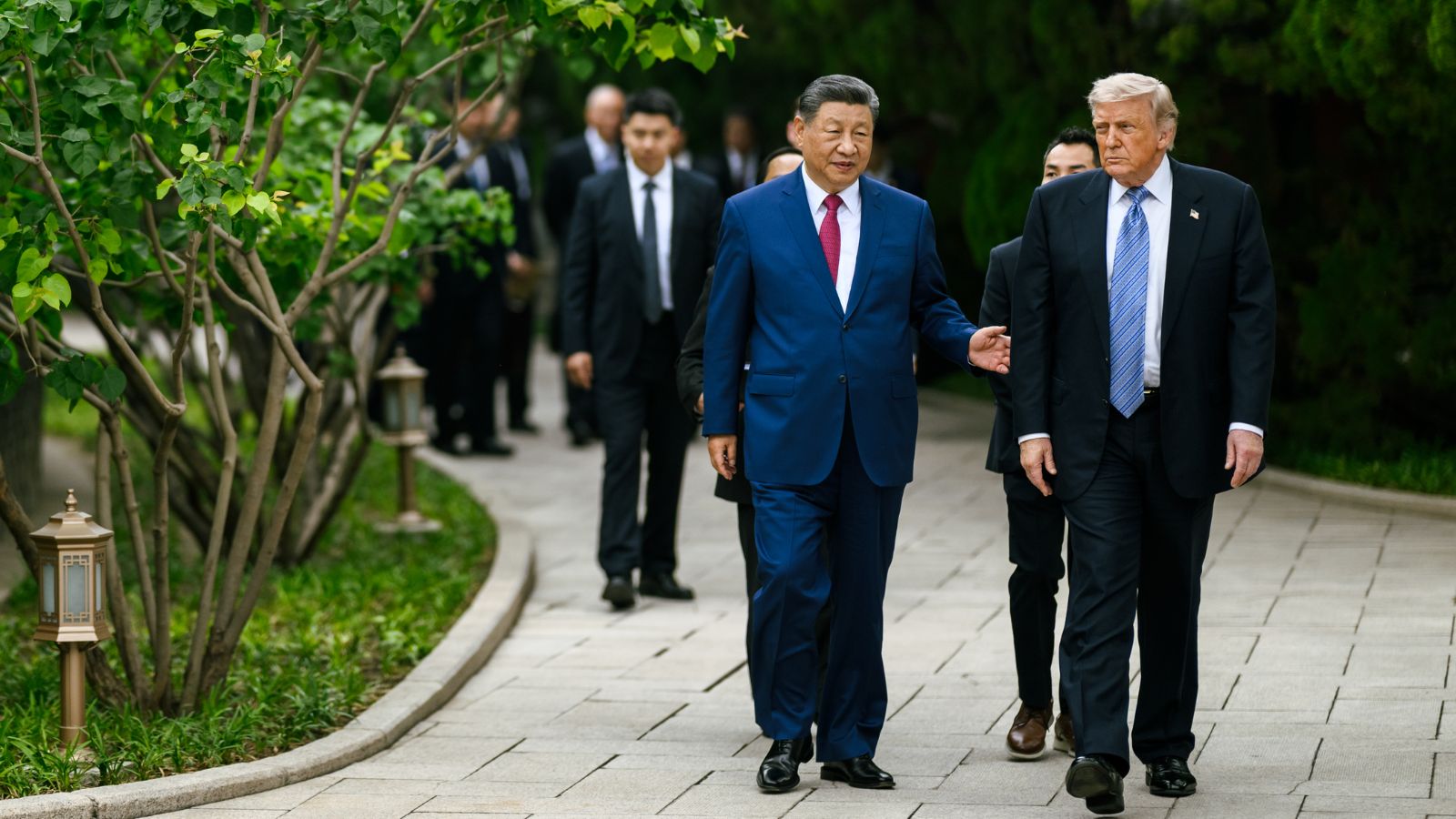
US-China AI Dialogue Tests India’s Strategy and Strength
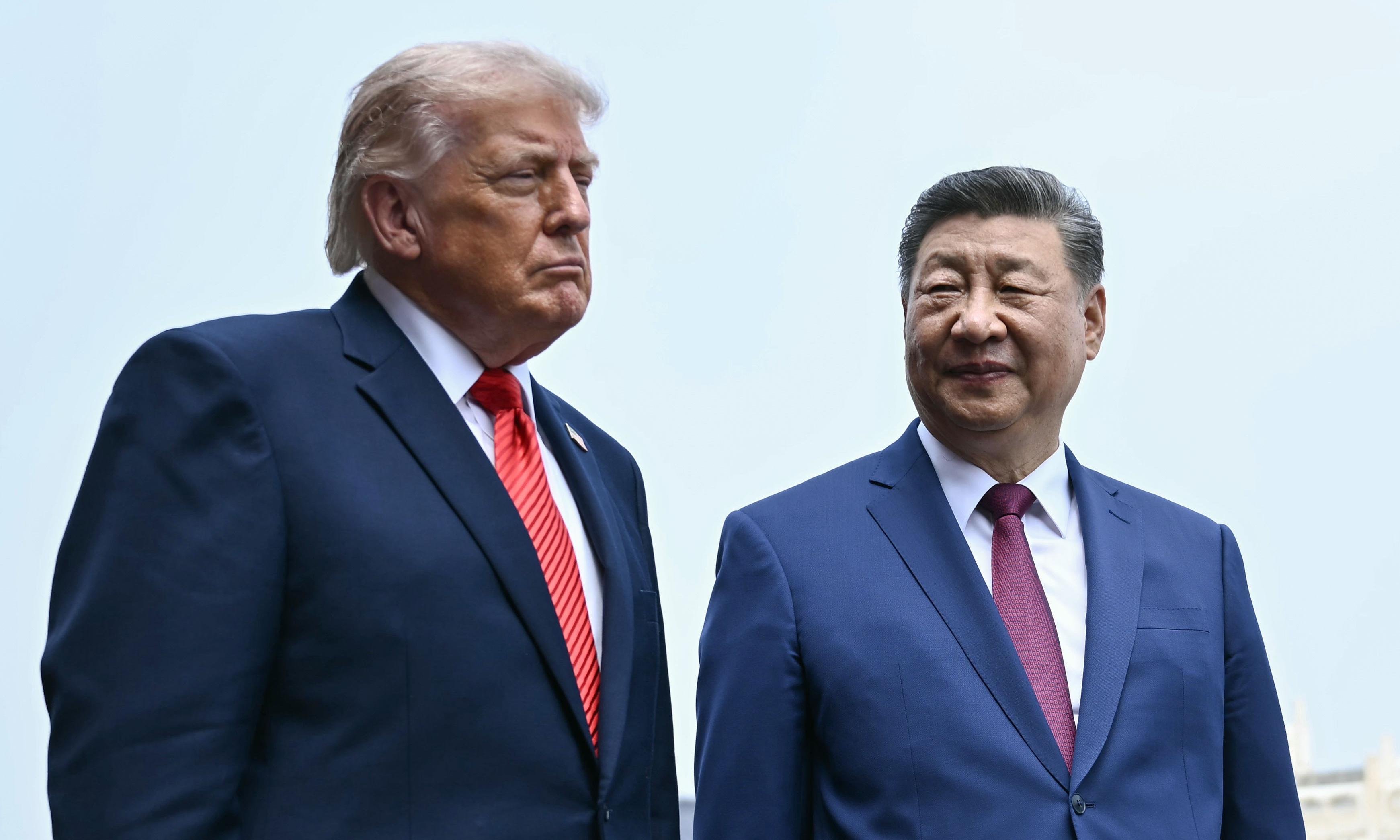
U.S. and China Seek AI Safety Cooperation Amid Rivalry
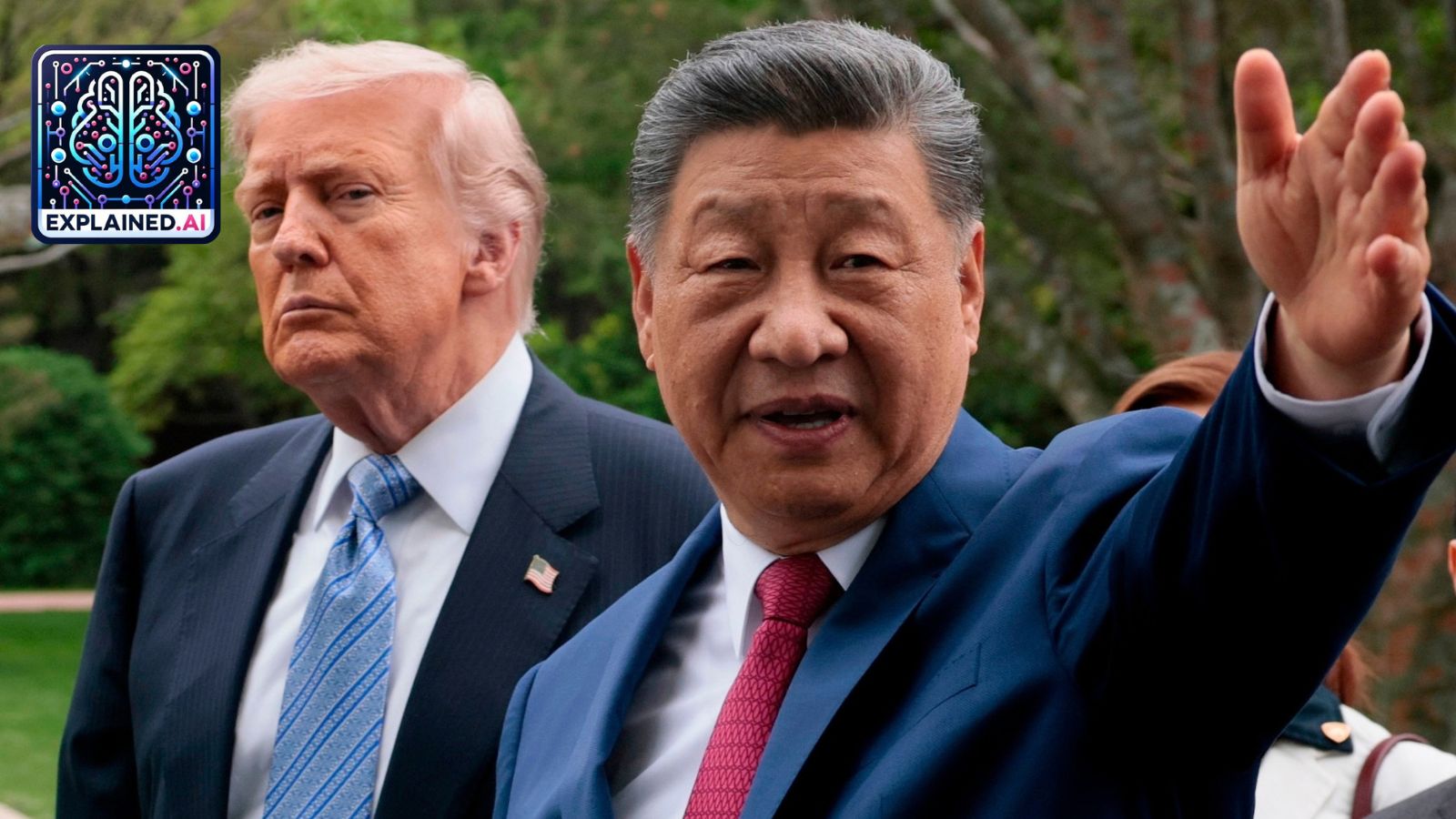
US-China AI Dialogue Highlights Divergent Approaches to Frontier Risks

AI Slowdown Debate Expands Into a Global Race

China Says AI Is Not a Monopoly of Great Powers
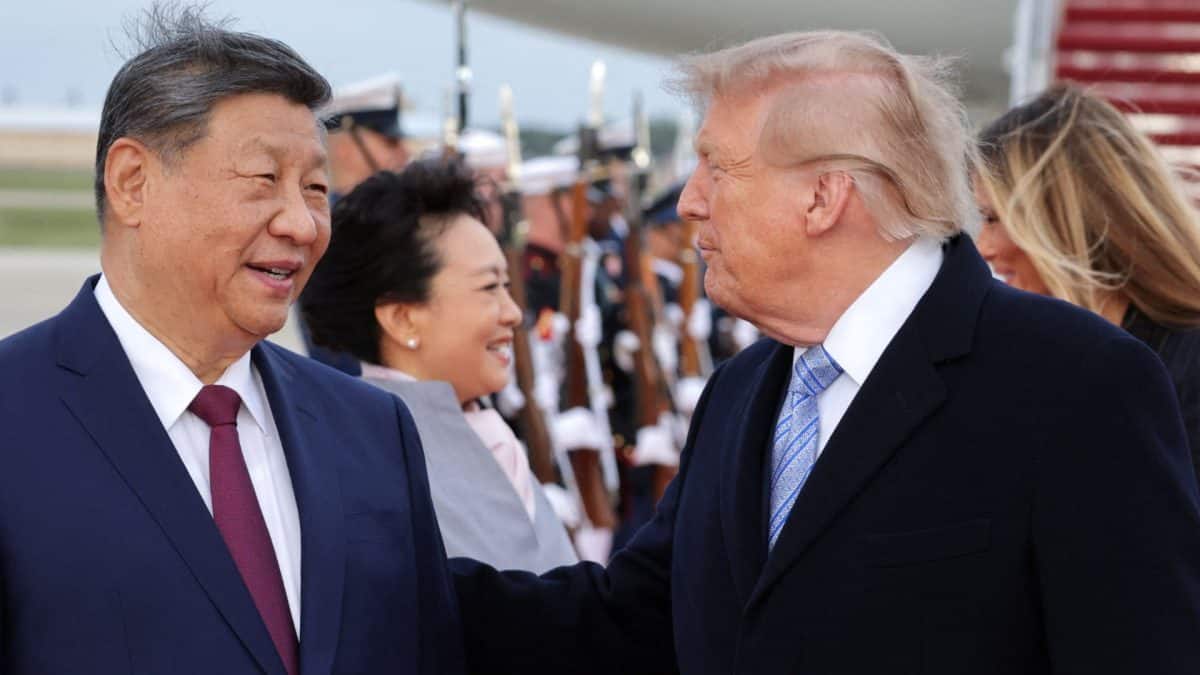
Trump-Xi Summit Leaves India Balancing Opportunities and Risks
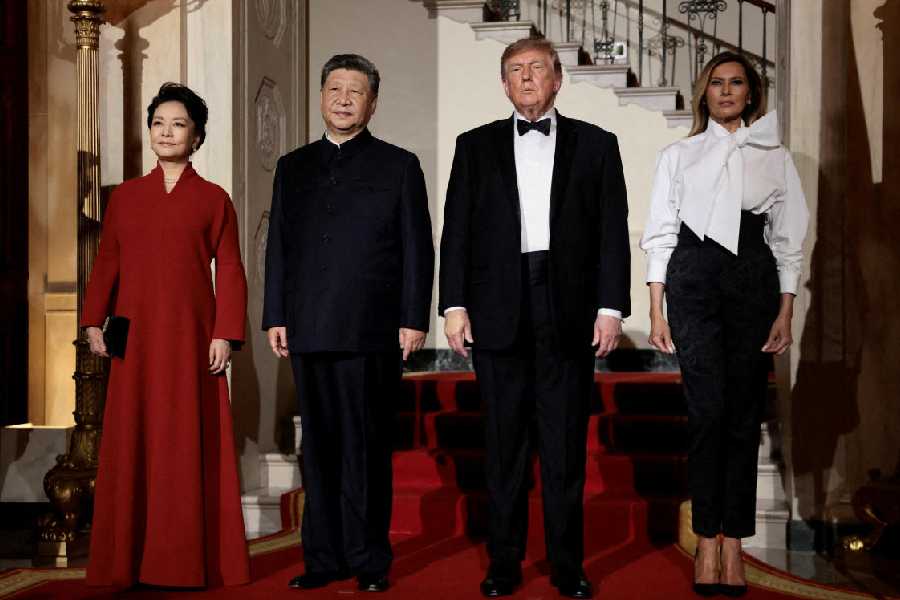
Trump-Xi Summit Shows Pageantry, Few Gains as Tensions Persist

Toyota Deal Could Offer China’s Auto Industry Overcapacity Exit

India Accounts for 31% of Canada’s International Students

Japan Tops 2026 WEF Travel And Tourism Index
