

3 hrs ago
China Challenges Western International Relations; India Seeks Intellectual Autonomy
For many years, Western scholars created many of the main ideas about how countries interact.
Chinese scholars are now offering different ideas about power, cooperation and world order.
One idea says relationships and trust help shape what countries want.
Another says countries should think about the whole world, not only their own borders.
A third says strong countries also need to be trusted and respected.
A fourth says countries can compete and cooperate at the same time.
These ideas could help explain the complicated relationship between India and China.
The article says India should study these theories and create its own ideas rather than simply copying China or the West.

Chinese scholars are developing theories that question Western dominance in international relations.
Qin Yaqing’s relational theory emphasizes relationships, history, trust, identity and repeated interaction.
Zhao Tingyang’s Tianxia theory starts with the world rather than sovereign states.
Yan Xuetong’s moral realism argues that power must be paired with credibility and attraction.
The article urges India to develop ideas supporting strategic and intellectual autonomy.
- Who
- Chinese international-relations scholars, India and its policymakers, and Western theorists are central to the discussion.
- What
- The article examines China’s emerging international-relations theories and argues that India needs its own intellectual framework.
- Where
- The discussion concerns the international system, with particular attention to India-China relations and institutions such as BRICS and the Shanghai Cooperation Organisation.
- When
- The debate is presented in the context of contemporary multipolar international politics, after decades of Western dominance in the field.
- Why
- The author argues that genuine strategic autonomy requires India to help define the ideas and rules of international politics, not merely respond to them.
Chinese theoretical challenge
Critical and Indian perspective
How international politics should be understood
Chinese theoretical challenge
Western state-centred theories may not adequately explain China or contemporary international politics; relational, world-centred and symbiotic approaches offer alternatives.
Critical and Indian perspective
New theories should be examined critically, because they could reproduce hierarchy or serve as substitutes for Chinese primacy rather than create a genuinely universal order.
Role of power and leadership
Chinese theoretical challenge
China’s growing economic, military and diplomatic influence makes its theories increasingly relevant, while moral leadership and credibility can supplement material power.
Critical and Indian perspective
Greater power does not automatically produce leadership; states that fear domination may balance against China, and India should build credible partnerships and an independent foreign policy.
India’s response
Chinese theoretical challenge
China has developed concepts including relationality, Tianxia, moral leadership and symbiosis to describe possible alternatives to the existing order.
Critical and Indian perspective
India should neither copy China nor dismiss its ideas, but use its own traditions, non-alignment and strategic autonomy to develop an internationally influential intellectual framework.
Key facts
- Main argument
- China is challenging Western intellectual dominance in international-relations theory, while India should develop its own framework.
- Relational theory
- Qin Yaqing’s approach emphasizes relationships, history, trust, identity and repeated interaction.
- Tianxia theory
- Zhao Tingyang’s concept, meaning “all under heaven,” begins with the world rather than the sovereign state.
- Moral realism
- Yan Xuetong argues that material power must be combined with political credibility and the ability to attract other states.
- Symbiotic theory
- The emerging approach holds that states can compete and cooperate simultaneously.
- India-China example
- The two countries compete over security, regional influence and a border dispute while also trading and participating in BRICS and the Shanghai Cooperation Organisation.
- Article status
- ThePrint says the subscriber contribution was published as received and was not edited or fact-checked.
Sources
Related news
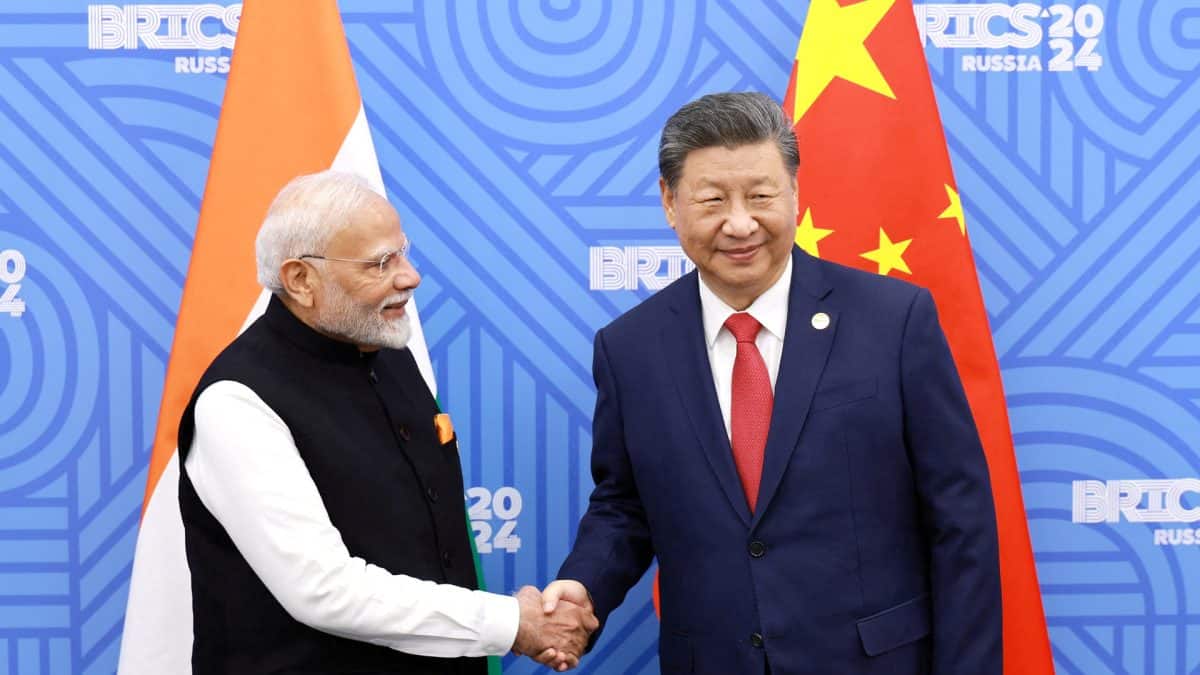
India and China Urged to Reset Ties Through Cooperation
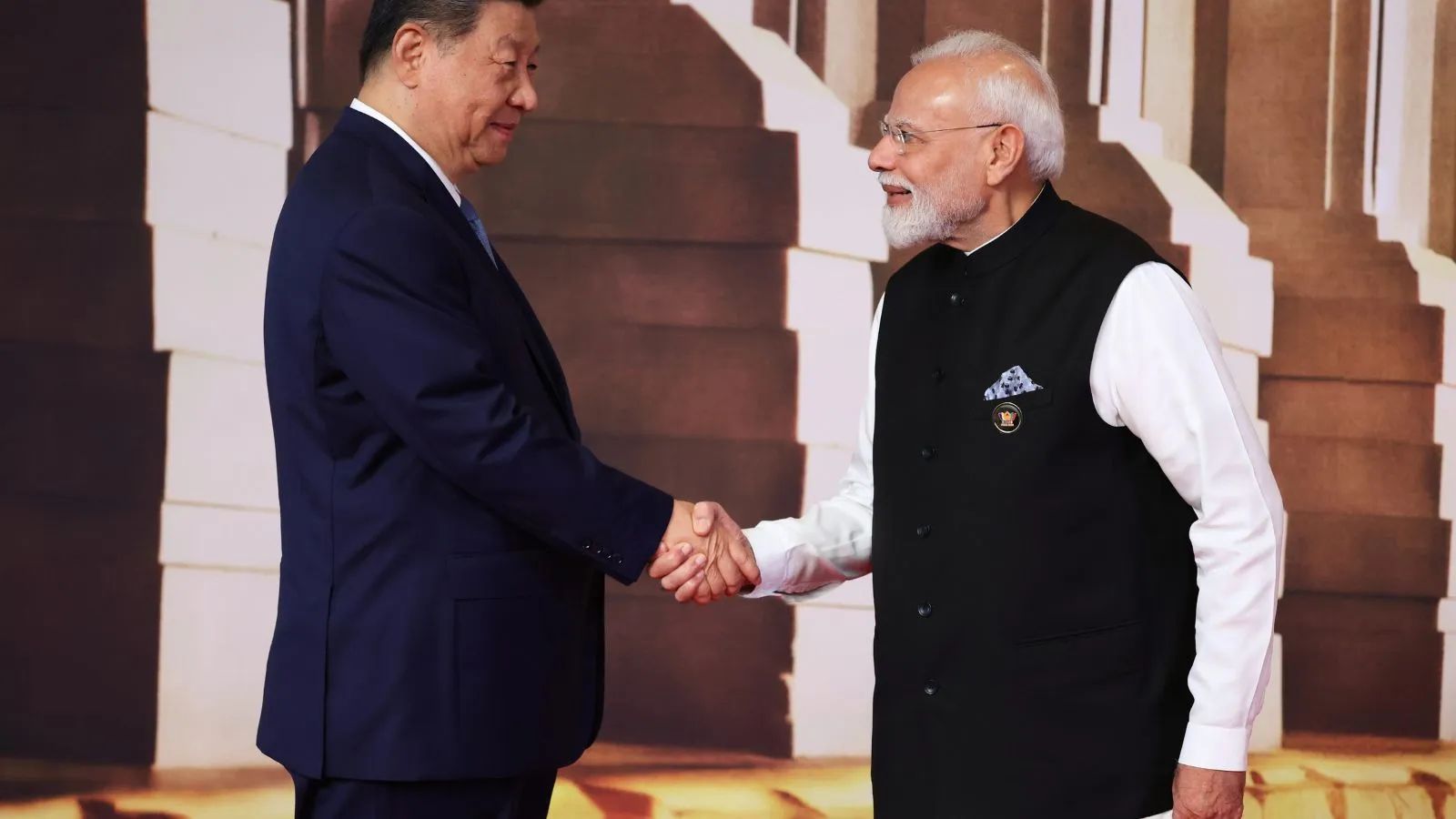
Modi-Xi Meeting Signals Managed Rivalry Amid Asia’s Return

Jeffrey Sachs Predicts India, China Will Lead Global Economy
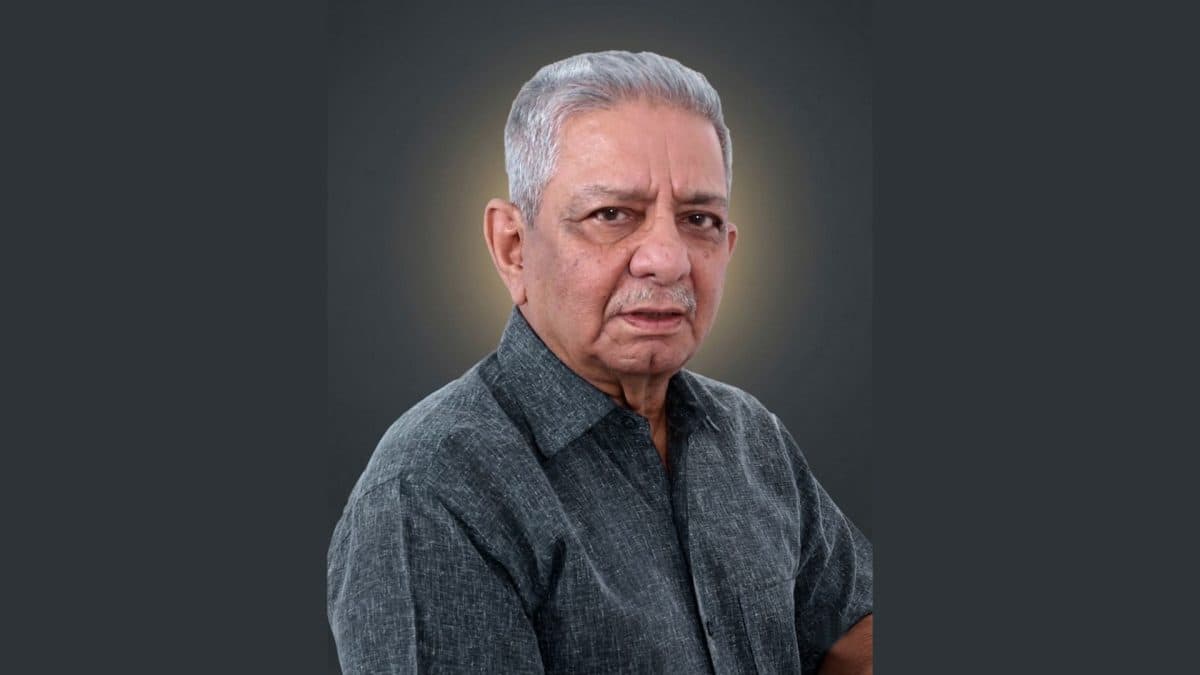
Rajiv Dogra Warns China’s Ambitions Challenge India and America
China’s Tactical India Rapprochement Is Shaped by US Ties

India Seeks Global South Voice Without Making BRICS Anti-West
Modi’s 25 Years in Public Service Framed as Seva

NCERT’s 2026 Textbooks Aim to Decolonise Indian Education
CJI Says Indian Judiciary Proactively Tackles Digital Arrest Scams
India’s Online Betting Debate: Regulation, Prohibition, and Household Costs
