3 days ago
CJI Says Indian Judiciary Proactively Tackles Digital Arrest Scams
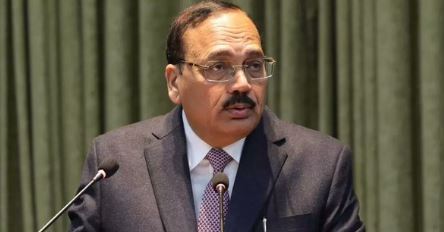
Chief Justice Surya Kant spoke about fighting financial crimes and digital arrest scams.
In these scams, criminals pretend to be police officers, judges or government officials on video calls.
They use these false identities to trick people.
The Supreme Court asked the Union and state governments to study how widespread the problem is.
It also suggested creating a separate offence with penalties suited to the harm caused.
The Chief Justice said India uses several laws and institutions to fight economic crime.
He also said courts must protect people’s rights while enforcing these laws.
He urged countries to cooperate to recover money taken through illegal activities.

Chief Justice of India Surya Kant said the judiciary acted against digital arrest scams without waiting for Parliament.
The Supreme Court took suo motu cognisance of fraudsters impersonating officials during video calls to deceive citizens.
The court directed the Union and state governments to assess the scam’s scale and consider creating a distinct offence.
Surya Kant described India’s economic-crime framework as involving the Prevention of Money Laundering Act, the Fugitive Economic Offenders Act and the Insolvency and Bankruptcy Code.
He acknowledged allegations of misuse of money-laundering laws while emphasizing due process, proportionality and the presumption of innocence.
- Who
- Chief Justice of India Surya Kant and the Supreme Court of India; the scams involve fraudsters impersonating officials.
- What
- Surya Kant described the judiciary’s response to digital arrest scams and India’s broader legal and institutional approach to economic crime.
- Where
- The 43rd International Symposium on Economic Crime in London, with the measures discussed applying to India.
- When
- August 29; the remarks were made on Saturday during a closing address.
- Why
- To address emerging fraud schemes, explain judicial safeguards and promote national and international cooperation against economic crime.
Judicial Safeguards
Enforcement Concerns
Use of economic-crime laws
Judicial Safeguards
The judiciary has upheld enforcement while requiring safeguards, including written grounds for arrest and protection against prolonged pre-trial detention becoming punishment.
Enforcement Concerns
Individuals have alleged misuse of the Prevention of Money Laundering Act process, including arrests without clearly stated reasons and custody extending beyond what the facts appeared to justify.
Response to digital arrest scams
Judicial Safeguards
The Supreme Court acted proactively by taking suo motu cognisance, asking governments to assess the problem and considering a separate offence.
Enforcement Concerns
The proposed distinct offence reflects the concern that emerging fraudulent schemes may require penalties specifically matched to their harm.
Key facts
- Speaker
- Chief Justice of India Surya Kant
- Event
- 43rd International Symposium on Economic Crime
- Scam discussed
- Digital arrest fraud involving impersonation of police officers, judicial officials or bureaucrats over video calls
- Supreme Court action
- The court took suo motu cognisance and directed the Union and states to evaluate the problem
- Proposed response
- A distinct offence with penalties proportionate to the harm inflicted
- Economic-crime laws cited
- Prevention of Money Laundering Act, 2002; Fugitive Economic Offenders Act, 2018; and Insolvency and Bankruptcy Code, 2016
- Judicial principles
- Due process, proportionality and the presumption of innocence
- International recovery
- Surya Kant said Mutual Legal Assistance Treaties bring recovered assets home more reliably than extradition
Quotes
Chief Justice of India Surya Kant
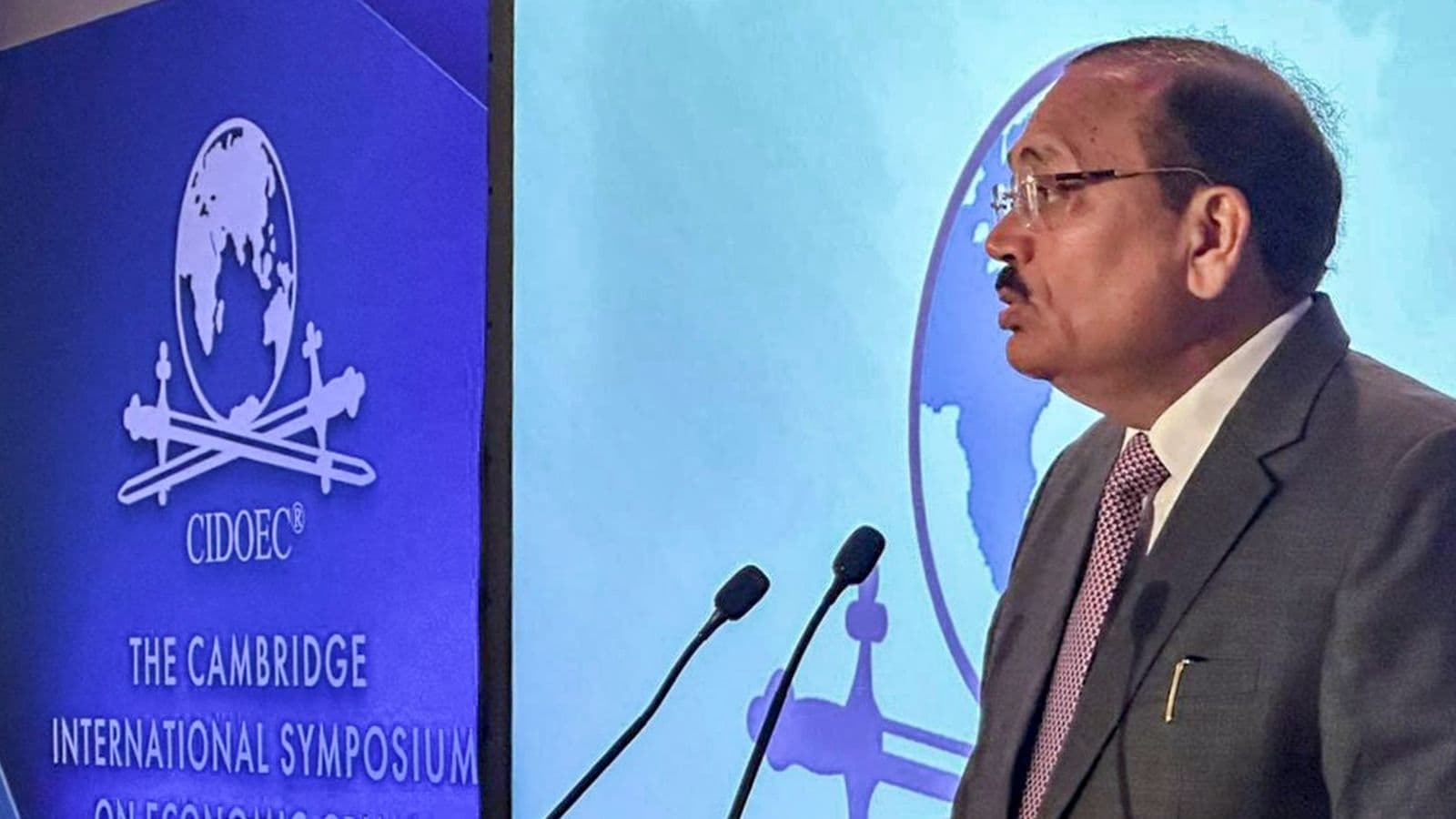
Chief Justice of India speaking at an international economic-crime symposium
“I must note that these are not infallible mechanisms. Numerous individuals have alleged misuse of the PMLA process by investigating authorities, including claims of arrests made without articulated reasons, and of custody extended beyond what the existing facts appear to justify. In each such instance, the judiciary has intervened to rectify the situation.”
 theprint.in
“In closing, I would say this: the measure of this Symposium's success will not be the eloquence with which we described the problem this week, but the diligence with which each of us, returning to our own jurisdictions, endeavours to put an end to it.”
 deccanchronicle.com
theprint.in
deccanchronicle.com
theprint.in
Sources

Related news
Chief Justice Warns Global Money Laundering Leaves Vast Wealth Unrecovered

Mumbai Police Bust 'Digital Arrest' Fraud Racket, Arrest Seven
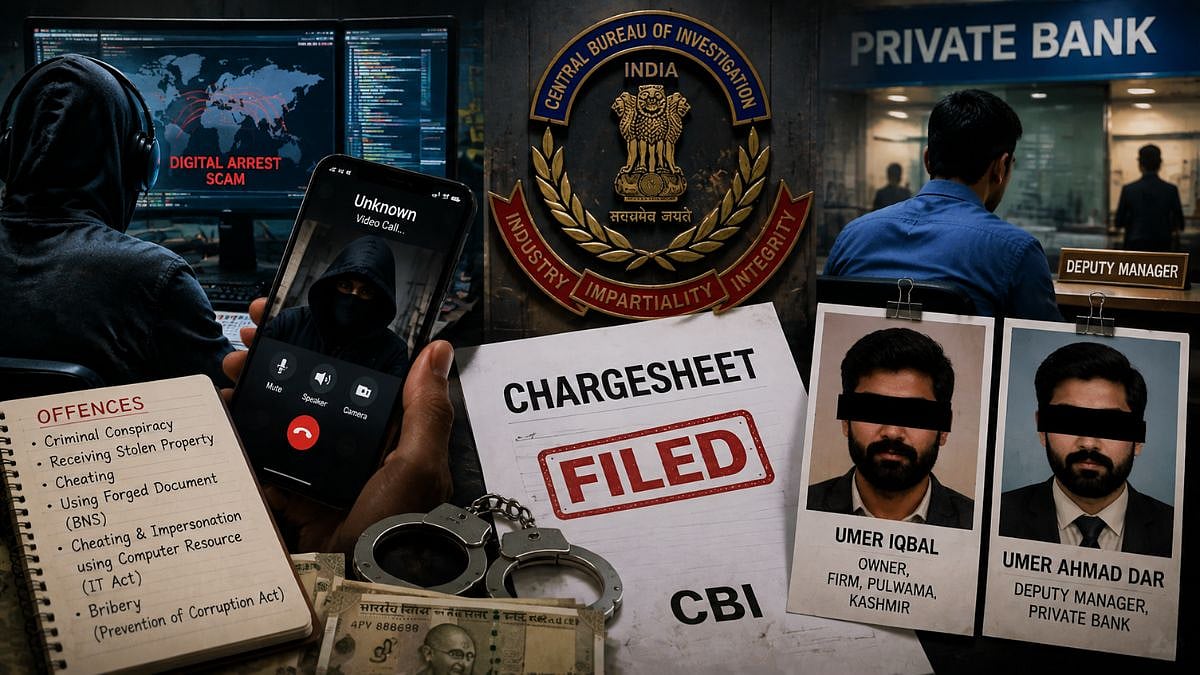
Charge sheet filed in Rs 1.6 crore digital arrest scam

India’s Online Betting Debate: Regulation, Prohibition, and Household Costs

5 Books That Will Change Your Perspective

Ancient Indian Texts' Wisdom on Governance and Economics

Travel Kits: Convenient Toiletries for On-the-Go Refreshing