2 days ago
India Proposes Vehicle-to-Vehicle Systems to Reduce Road Deaths
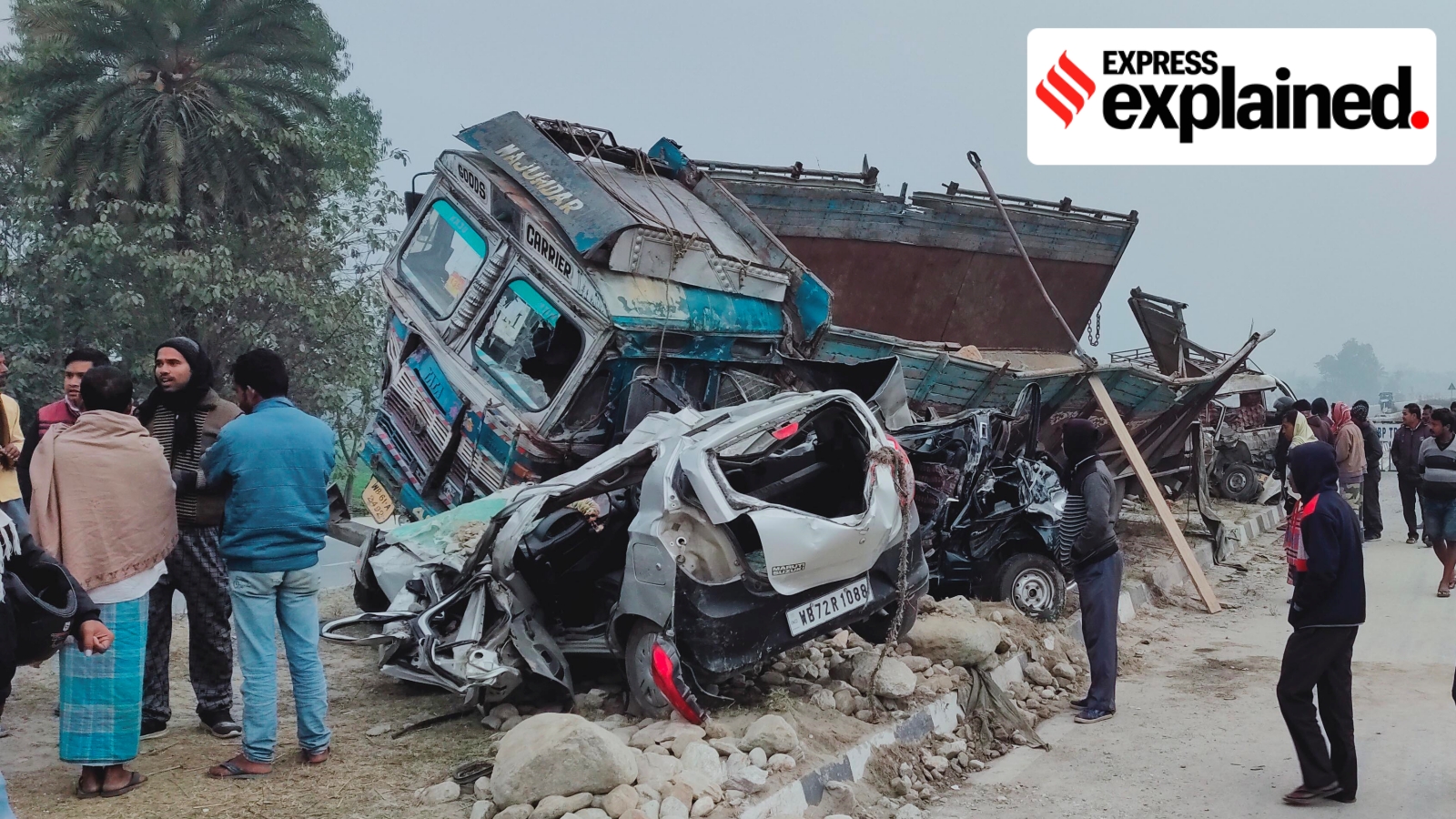
India wants cars, buses, trucks and some two- and three-wheelers to communicate with one another.
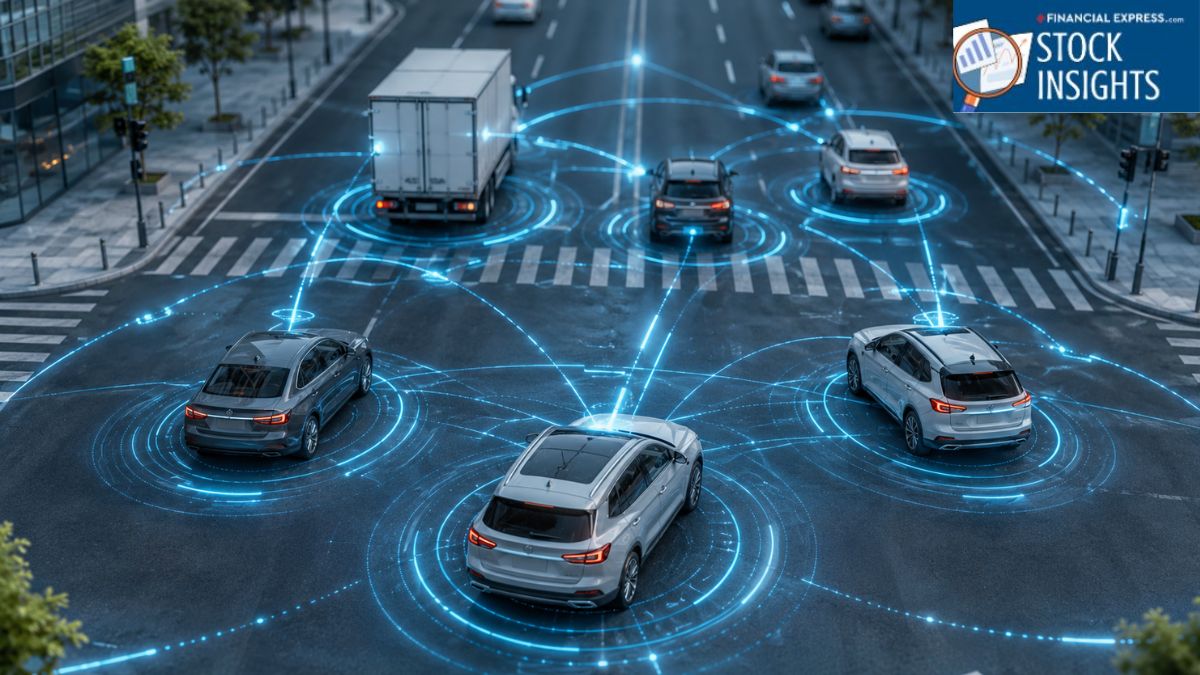
A small device in each vehicle would send wireless safety information to nearby vehicles.
It could warn drivers if another vehicle brakes suddenly or if there is a possible crash.
The system could also identify risks such as unsafe lane changes, parked vehicles, fog and wrong-way driving.
It may help drivers see dangers hidden around corners or behind large trucks.
This would work alongside camera-based safety systems that can only detect what is visible.
The proposed system is expected to become mandatory in new vehicles from October 1, 2028.
Experts and officials still need to address its cost, cybersecurity, privacy, frequency capacity and the possibility of misleading signals.

India recorded 1.83 lakh road deaths in 2025, about 6,000 more than the previous year.
The proposed rules would require new vehicles to adopt V2V communication from October 1, 2028.
Vehicles manufactured from October 1, 2027, would need to meet AIS-230 standards if fitted with V2V systems.
On-board units would use C-V2X technology to exchange vehicles’ speed, position, direction and acceleration wirelessly.
Officials estimate each on-board unit will cost between Rs 5,000 and Rs 7,000, while privacy and cybersecurity concerns remain.
- Who
- The Union Ministry of Road Transport and Highways proposed the rules, which would apply to manufacturers of categories L, M and N vehicles.
- What
- The ministry proposed requiring vehicle-to-vehicle communication systems that wirelessly warn drivers about collision risks.
- Where
- The proposal concerns vehicles operating on roads in India.
- When
- The draft rules were published on July 22, 2026; V2V systems would be required in specified new vehicles manufactured from October 1, 2028.
- Why
- The system is intended to reduce road crashes and deaths by warning drivers about hazards beyond their direct line of sight.
Potential Safety Benefits
Implementation Concerns
Crash prevention
Potential Safety Benefits
V2V could warn drivers about sudden braking, unsafe lane changes, obstacles, fog, wrong-way driving and other collision risks, including beyond their line of sight.
Implementation Concerns
Miscommunication or incorrect alerts could potentially contribute to road crashes.
Data and cybersecurity
Potential Safety Benefits
Continuous sharing of vehicle information could support an intelligent transport system and improve real-time warnings.
Implementation Concerns
The system would store substantial vehicle and location data, creating privacy and cyberattack risks that would require government regulation.
Deployment
Potential Safety Benefits
The system would complement existing camera-based ADAS and could be installed in new vehicles using the newly exempted frequency band.
Implementation Concerns
Questions remain about whether the allocated frequency band can support all vehicles, as well as the cost of installing the equipment.
Key facts
- Road deaths in 2025
- 1.83 lakh, around 6,000 more than in the previous year
- V2V compliance date
- Vehicles in categories L, M and N manufactured from October 1, 2028, would be required to have V2V systems
- AIS-230 date
- Vehicles manufactured from October 1, 2027, would need to comply with AIS-230 if fitted with V2V
- Communication technology
- Cellular Vehicle-to-Everything, or C-V2X
- Frequency band
- 5.875 GHz to 5.925 GHz, exempted from licensing requirements on June 10, 2026
- Typical communication range
- About 300 metres
- Estimated on-board unit cost
- Rs 5,000 to Rs 7,000
Sources
Related news

Indian Government Proposes Mandatory V2V Technology in Vehicles by 2028

India proposes mandatory vehicle-to-vehicle communication for new vehicles

Hyundai India targets 1 million connected car sales by 2027
India Proposes Mandatory V2V Communication in New Vehicles by 2028
UPSC Key Tracks Talking Cars, Glaciers, Treaties And Growth
Vodafone Idea Shares Rise as Brand Revamp Draws Investor Attention

Eutelsat OneWeb Seeks India Security Clearance Amid Launch Delays

Vodafone Idea Names Shah Rukh Khan Amid Financial Challenges
DoT Warns IMEI Tampering Can Bring Jail, ₹50 Lakh Fine