2 weeks ago
10 Natural Creatine Sources You Can Add to Your Diet
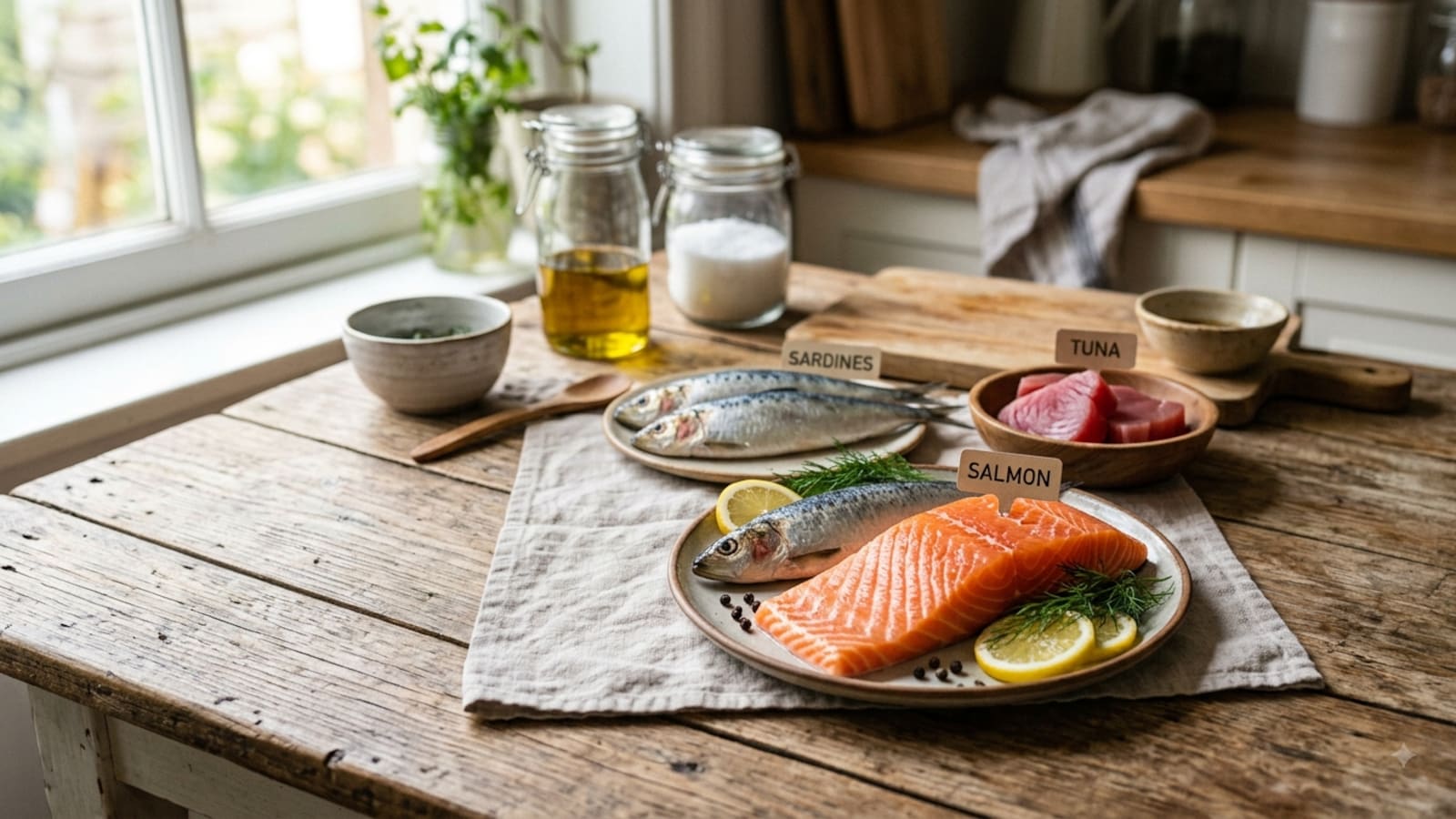
Creatine is something your body already makes, and it is also found in some foods.
It helps your muscles get energy when you run fast, lift weights, or exercise very hard.
Most of the best foods with creatine come from animals, like fish, chicken, and meat.
The article lists ten foods: salmon, tuna, chicken, turkey, lamb, cod, sardines, shrimp, mackerel, and eggs.
These foods also give you protein and other good nutrients like omega-3 fats.
If you do not eat meat or fish, you get less creatine from food, but your body can still make what it needs.
Cooking meat and fish can change some creatine into another substance, but cooked food is still good for you.
Eating creatine foods alone will not make you strong; you also need to exercise regularly and eat a balanced diet.
Before taking creatine supplements, especially if you have health problems, you should ask a doctor.

The body naturally produces creatine, and animal-based foods such as salmon, tuna, chicken, turkey, lamb, cod, sardines, shrimp, mackerel and eggs can provide it through diet.
Creatine is stored mainly in the muscles and helps provide energy during short bursts of intense physical activity like strength training, sprinting and resistance exercise.
Cooking can convert some creatine into creatinine, and the amount consumed depends on the food, portion size and cooking method.
Vegetarian and vegan diets are generally lower in creatine because plant foods like lentils, beans, chickpeas, nuts, seeds and dairy are not significant sources, though the body can make creatine from amino acids.
Eating creatine-rich foods alone will not build muscle; muscle growth requires resistance training combined with adequate protein, calories, carbohydrates, hydration and recovery.
- Who
- People interested in fitness and high-intensity exercise such as strength training, sprinting and resistance work, as well as vegetarians and vegans considering creatine intake.
- What
- A guide to 10 natural food sources of creatine - salmon, tuna, chicken, turkey, lamb, cod, sardines, shrimp, mackerel and eggs - and how cooking, diet and training affect creatine intake.
- Where
- Not specified; the guidance applies generally to diets, with the article published by NDTV.
- When
- No specific date is given in the article.
- Why
- To show that people can get creatine from natural foods rather than relying only on supplements, while noting that creatine alone does not build muscle.
Key facts
- Top natural sources
- Salmon, tuna, chicken, turkey, lamb, cod, sardines, shrimp, mackerel, eggs
- Creatine's role
- Stored mainly in muscles; provides energy during short bursts of intense physical activity
- Richest dietary sources
- Animal-based foods; amounts vary by food, portion size and cooking method
- Vegetarian diets
- Lentils, beans, chickpeas, nuts, seeds and dairy are not significant creatine sources; the body can synthesize creatine from amino acids
- Effect of cooking
- Some creatine can be converted into creatinine depending on temperature, cooking time and method
- Key caution
- Creatine-rich foods alone won't build muscle; resistance training and adequate nutrition are required
- Supplement advice
- Consult a healthcare professional before supplementation, especially with kidney concerns
- Publisher
- NDTV
Sources
Related news

Creatine Benefits Are Limited Despite Higher Muscle Stores
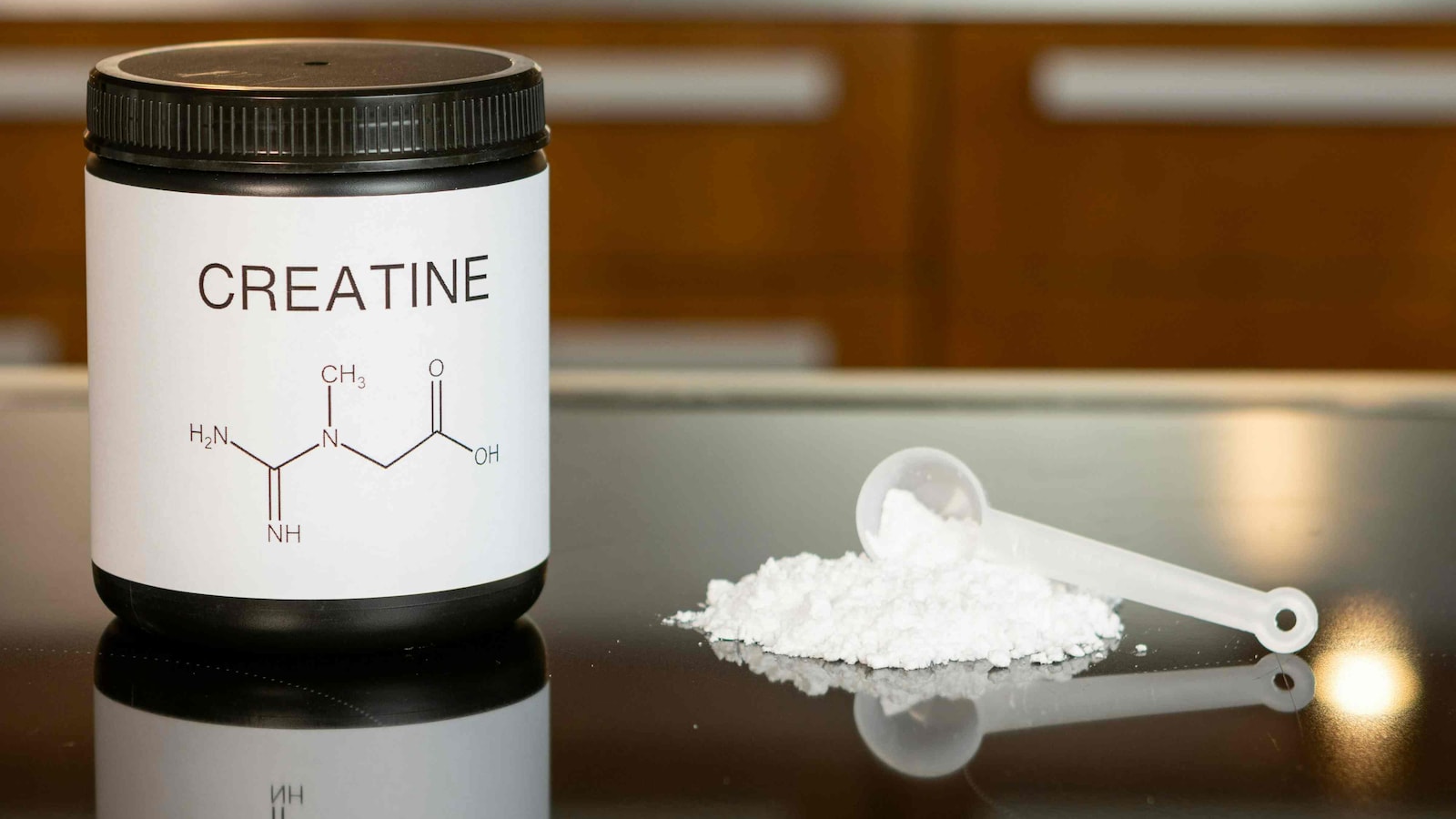
Stopping Creatine Usually Lowers Water Weight, Not Muscle

Yash’s Reported Diet Highlights Protein, Carbs, and Consistency
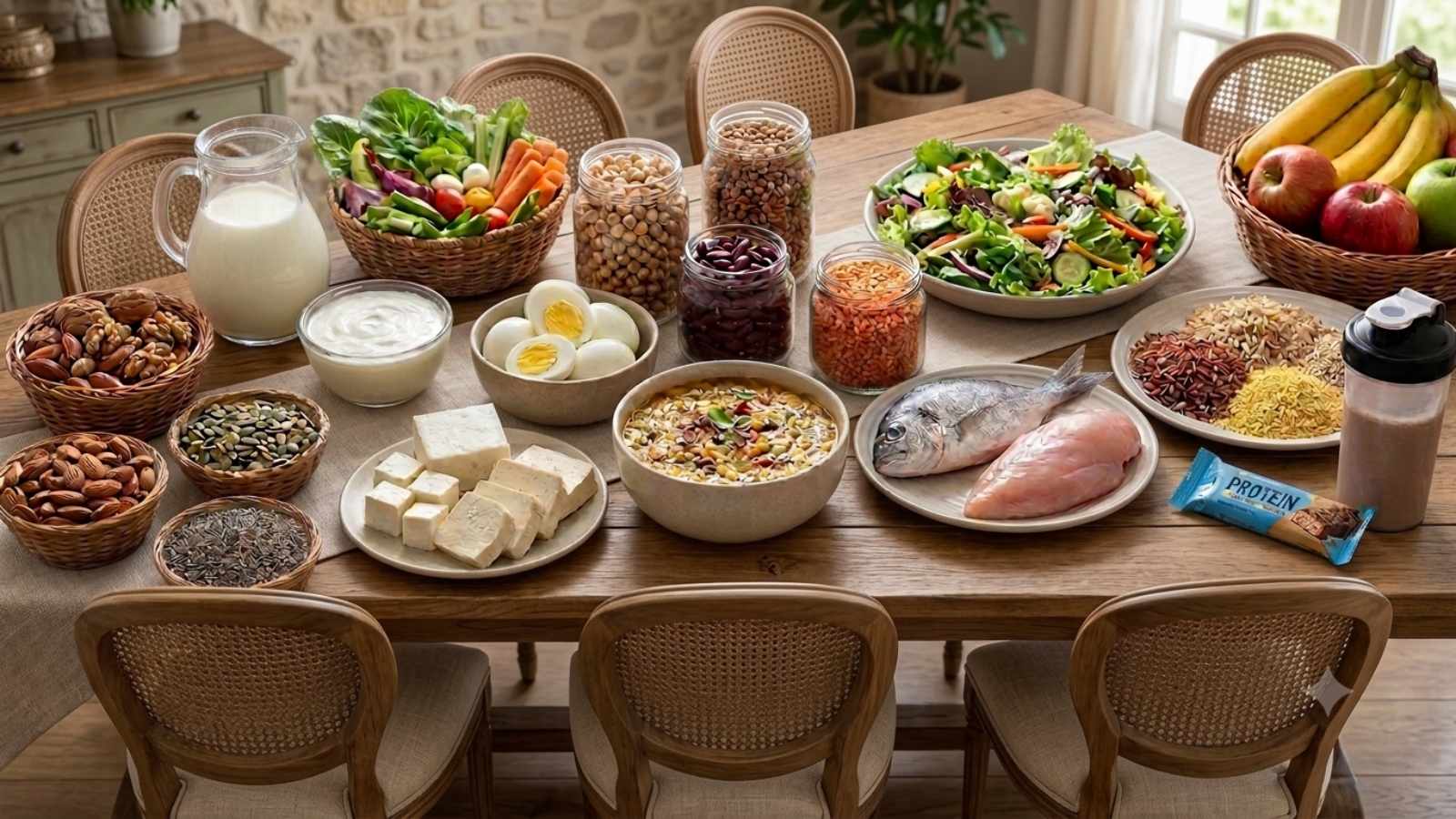
How to Increase Protein Intake Without Losing Dietary Balance

Neelam Kothari Soni Shares Her Protein-Rich Everyday Diet on YouTube

India’s 7.8% Growth Broad-Based, but Jobs Remain Challenge

Amish Tripathi Says Gen Z Tamer Than Older Generations

Three Foot And Ankle Pain Patterns That Need Attention

Helicopter Journey Reveals Nepal's Valley of Flood Devastation

Assam Man Survives 4 Days on Hill After Nepal Flood