2 hrs ago
Protected Water Project Offers Hope to A Konduru Kidney Patients
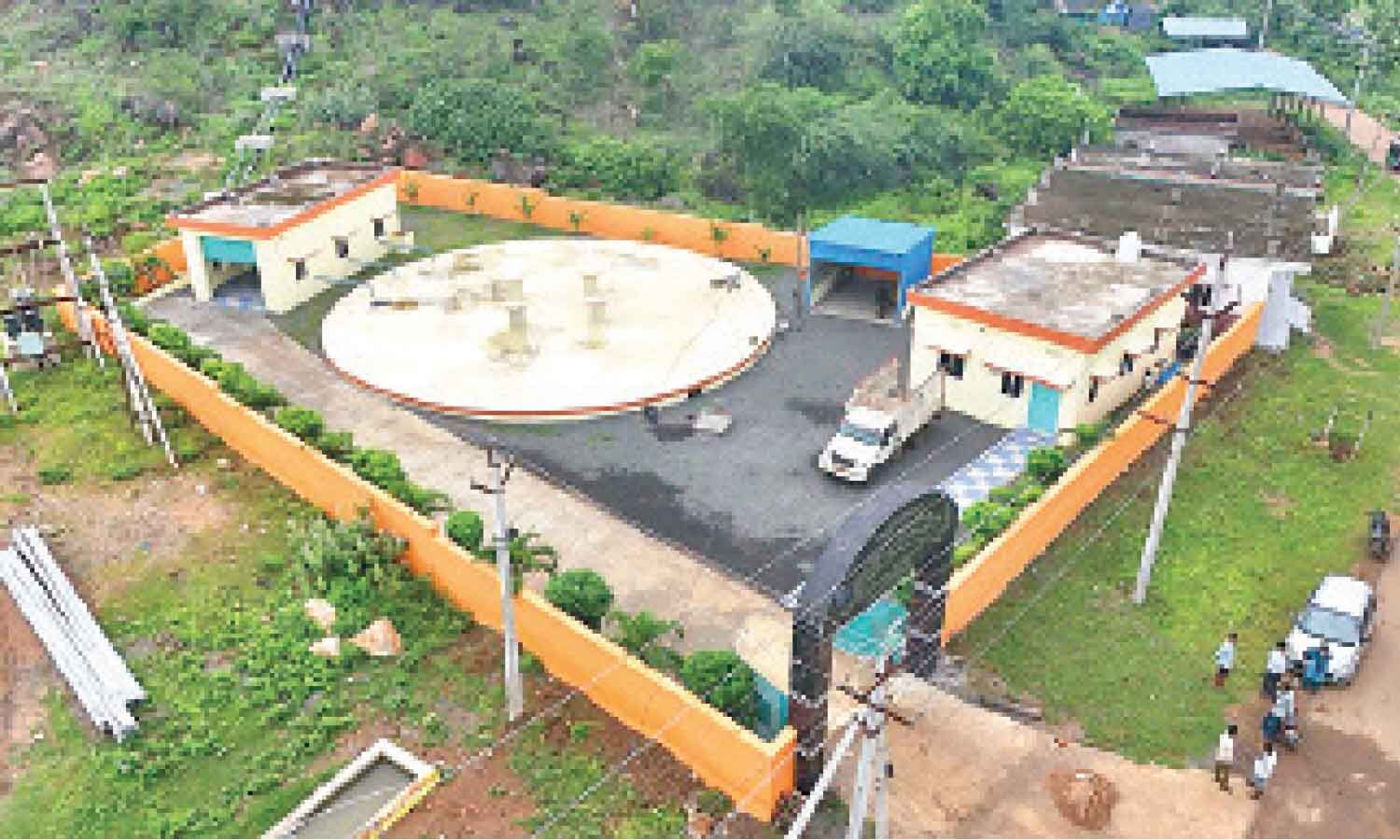
People in A Konduru have faced serious kidney disease problems for many years.
Many families had to use water that could be unsafe.
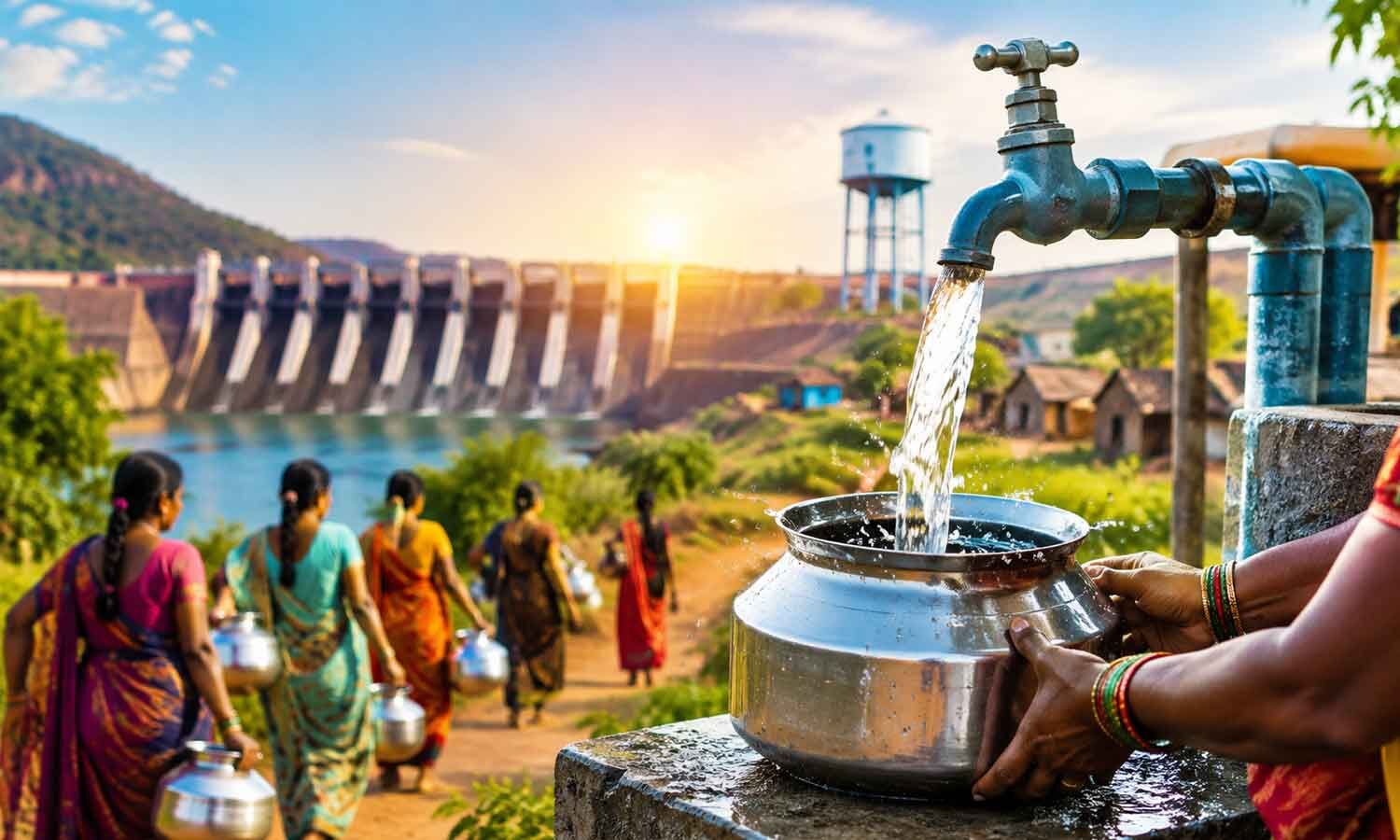
A new government project now brings treated Krishna water to their homes.
The water travels through a 130-kilometre pipeline system.
Twelve overhead tanks help store and distribute it.
Nearly 75,000 people in 38 habitations can receive 55 litres per person each day.
The project cost ₹49.94 crore and has been fully completed.
Deputy Chief Minister Pawan Kalyan helped monitor the work and coordinate approvals.
The government previously used water tankers, but the new system is intended to provide a more regular supply.

A ₹49.94-crore protected drinking water project has been completed in A Konduru mandal.
The project serves nearly 75,000 people across 38 habitations, including 15 tribal thandas.
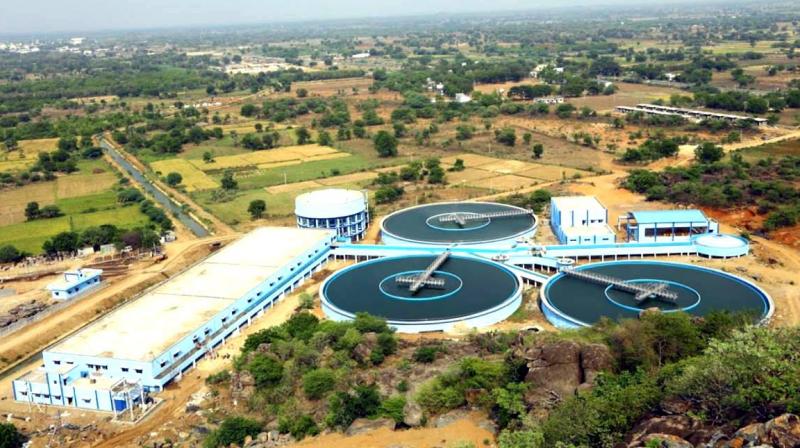
Krishna water is treated locally and delivered through 130 kilometres of pipelines and 12 overhead tanks.
Households are receiving 55 litres of safe drinking water per person per day through tap connections.
The project replaces tanker deliveries that previously cost the government about ₹2.5 crore annually.
- Who
- The Andhra Pradesh government, Deputy Chief Minister Pawan Kalyan, and the Rural Water Supply Department completed the project for residents of A Konduru.
- What
- A protected drinking water project was completed to supply treated water through household taps.
- Where
- A Konduru mandal in NTR district, using Krishna water drawn from the NTPC canal at Ibrahimpatnam.
- When
- The project was completed within 26 months; its earlier deadline had been March 2024.
- Why
- The project aims to provide safe drinking water to communities affected by chronic kidney disease and reduce reliance on tanker supplies.
Key facts
- Project cost
- Estimated at ₹49.94 crore.
- Population served
- Nearly 75,000 people.
- Coverage
- 38 habitations across 21 gram panchayats, including 15 tribal thandas.
- Water allocation
- 55 litres per person per day.
- Pipeline length
- 130 kilometres.
- Storage infrastructure
- 12 overhead tanks.
- Previous tanker expense
- About ₹2.5 crore annually.
Sources
Related news
Andhra Pradesh Sanctions ₹640 Crore for Tekkali Drinking Water Projects
Foundation Laid for ₹153 Crore Macherla Water Project
Government Allows 1.865 TMCs Water From Nagarjuna Sagar for Palnadu
Telangana Sanctions ₹20.96 Crore for Water Supply in 108 Habitations
Veligonda Phase-I Inauguration Spurs Andhra Water Credit Fight
Naidu Inaugurates Veligonda Phase-I, Releases Krishna River Water
Delhi CM launches electric buses, testing station and charging facilities
BJP President Emphasizes Performance Politics at Water Workshop
Sunetra Pawar Urges No Politicisation of Ajit Pawar's Death

Bhagwat’s Diversity Message Is Tactical, Not Ideological Hindutva Change
Gujarat Courts Investors as Trusted Partners Ahead of 2027 Summit