

1 month ago
Telangana's Solar Push Drives Clean Energy Transition

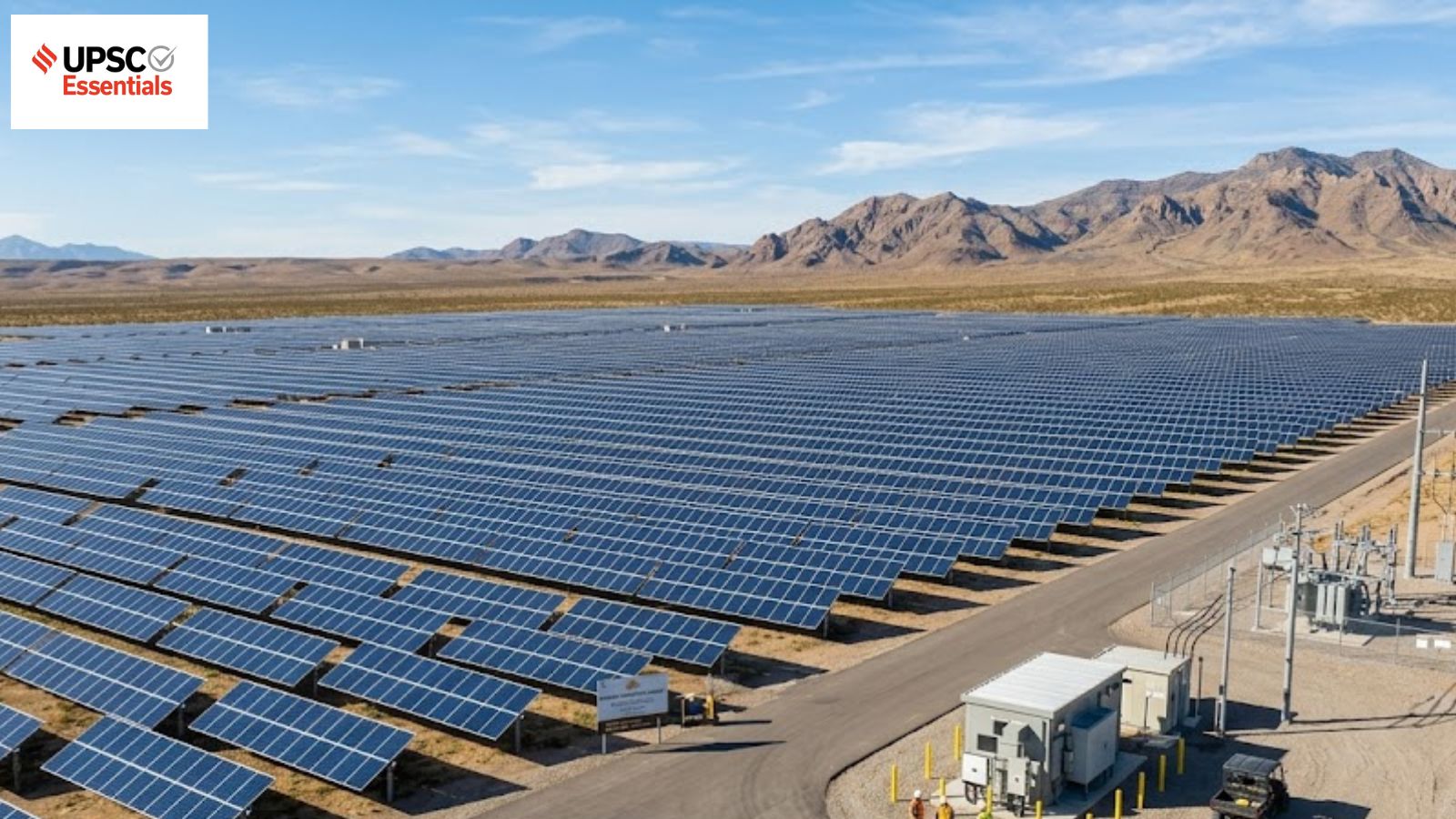
Telangana is making big moves towards using more solar energy.
The government is helping by giving money to build large solar farms and to help farmers switch from diesel pumps to solar-powered ones.
This not only makes farming cheaper and better for the environment but also gives farmers extra money by selling extra solar power back to the grid.
To make sure the power grid can handle all this new solar energy, they are also upgrading the grid with better technology.
This way, Telangana can use more clean energy and keep the lights on reliably.

Telangana is focusing on solar energy to reduce carbon emissions and ensure long-term resource sustainability.
The state is using a dual-track strategy: large-scale solar farms and decentralized rural energy solutions.
Government subsidies and central grants are helping to lower the cost of solar energy and attract private investment.
The PM-KUSUM scheme helps farmers switch to solar-powered irrigation, reducing costs and providing extra income.
Upgrades to the power grid, like automated substations and real-time monitoring, ensure reliable energy supply as solar capacity grows.
- Who
- Government of Telangana, Ministry of New and Renewable Energy, Farmers
- What
- Transition to renewable energy through solar power
- Where
- Telangana, India
- When
- Ongoing
- Why
- To achieve industrial decarbonization, resource sustainability, and economic benefits for farmers
Government and Private Sector
Farmers and Rural Communities
Investment and Infrastructure
Government and Private Sector
Government subsidies and private sector investments are crucial for developing large-scale solar infrastructure and ensuring grid reliability.
Farmers and Rural Communities
Farmers benefit from capital subsidies for solar-powered irrigation, reducing reliance on expensive diesel and providing additional income.
Key facts
- Location
- Telangana, India
- Key Initiatives
- Solar Park Scheme, PM-KUSUM, Green Energy Corridors
- Government Support
- Capital subsidies, viability gap funding, central grants
- Technical Upgrades
- Automated substations, real-time grid monitoring, advanced static compensators
- Impact on Farmers
- Transition to solar-powered irrigation, secondary income from selling surplus power
Sources
Related news

Duane Davis Found Guilty in Tupac Shakur Murder Case
Fake HDFC Bank call costs Delhi resident Rs 1 lakh
Delhi Police Arrest Two in Stolen Credit Card Gold Coin Fraud

Duane Davis Found Guilty in Tupac Shakur Murder

ASUS Expands TUF Gaming Laptops in India With New Models
PM Modi to Attend IIT Delhi Convocation, Inaugurate AI Supercomputer
India’s Non-Fossil Capacity Crosses 300 GW as Centre Pushes Transition

Karnataka Accelerates Rooftop Solar Projects for Government Buildings
Economy Quiz Covers Solar Projects, Forex Deposits And PPPs
Rajasthan Targets 125 GW Renewable Capacity by 2030
PM Surya Ghar May Tie Support to Solar Performance
