

3 weeks ago
84 Years After Quit India, Nation We Must Still Build
Long ago, a big country called India was ruled by the British.
In 1942, a kind leader named Mahatma Gandhi and his friends asked the British to leave India.
Gandhi said the people should remember 'Do or Die', meaning they would win freedom or keep trying until they died.
The British got worried and put many leaders in jail.
But that did not stop the people — students, farmers, workers and women protested in the streets.
Some towns even made their own small governments for a little while.
The British stopped the protests, but they learned that ruling India was too hard.
Five years later, in 1947, India became free.
A smart writer named Shashi Tharoor says building a good and fair country is still everyone's job today.

On August 8, 1942, the Indian National Congress launched the Quit India Movement at Gowalia Tank Maidan in Bombay with Mahatma Gandhi's call to 'Do or Die'.
The next day, August 9, 1942, British authorities arrested nearly the entire top Congress leadership, but the crackdown sparked a vast, decentralized wave of defiance.
Underground leaders including Aruna Asaf Ali, Jayaprakash Narayan, Ram Manohar Lohia and Usha Mehta kept the movement alive; Aruna Asaf Ali hoisted the Indian Tricolour at Gowalia Tank Maidan.
In Ballia, Tamluk and Satara, citizens briefly ousted imperial officials and set up parallel local governments before a state crackdown.
The movement is called the final countdown to independence in 1947, but the article notes that mass arrests let the Muslim League grow from 2 lakh to 2 crore members and make Partition inevitable.
- Who
- Mahatma Gandhi and the Indian National Congress leadership, including Jawaharlal Nehru, Sardar Vallabhbhai Patel and Maulana Abul Kalam Azad
- What
- Launched the Quit India Movement demanding immediate, complete independence (Purna Swaraj) from British rule, with the slogan 'Do or Die'
- Where
- Gowalia Tank Maidan in Bombay, with uprisings across India
- When
- August 8, 1942 — the 84th anniversary falls in 2026
- Why
- To end colonial subjugation after World War II brought the global crisis to India and the failure of the Cripps Mission ended hope for a peaceful wartime settlement
Celebratory perspective
Critical perspective
Legacy of the Quit India Movement
Celebratory perspective
The movement was the ultimate mass movement that rendered British rule untenable and served as the final countdown to independence in 1947.
Critical perspective
By going to jail in large numbers, Congress leaders ceded space to the Muslim League, which grew from 2 lakh to 2 crore members and made Partition inevitable.
Immediate impact of the revolt
Celebratory perspective
The sheer scale of public resistance showed that British moral and administrative authority had collapsed beyond repair.
Critical perspective
The immediate uprisings were forcefully suppressed within months, with tens of thousands arrested, military firings and strict censorship.
Key facts
- Launch date
- August 8, 1942
- Venue
- Gowalia Tank Maidan, Bombay
- Slogan
- Do or Die
- Core demand
- Immediate, complete independence (Purna Swaraj)
- Leadership arrests
- August 9, 1942 — nearly the entire Congress top leadership
- Parallel governments
- Ballia (Uttar Pradesh), Tamluk (Bengal), Satara (Maharashtra)
- Independence achieved
- 1947, five years after the movement
- Author
- Shashi Tharoor, Member of Parliament (opinion column)
Quotes

Mahatma Gandhi
Leader of the Indian independence movement
“"Do or Die."”
 NDTV
NDTV
Sources
Related news

Quit India Movement Day 2026: History, Significance and Key Facts

PM Modi Pays Tribute to Quit India Movement Heroes

Quit India Movement paved way for Independence, Congress leader says
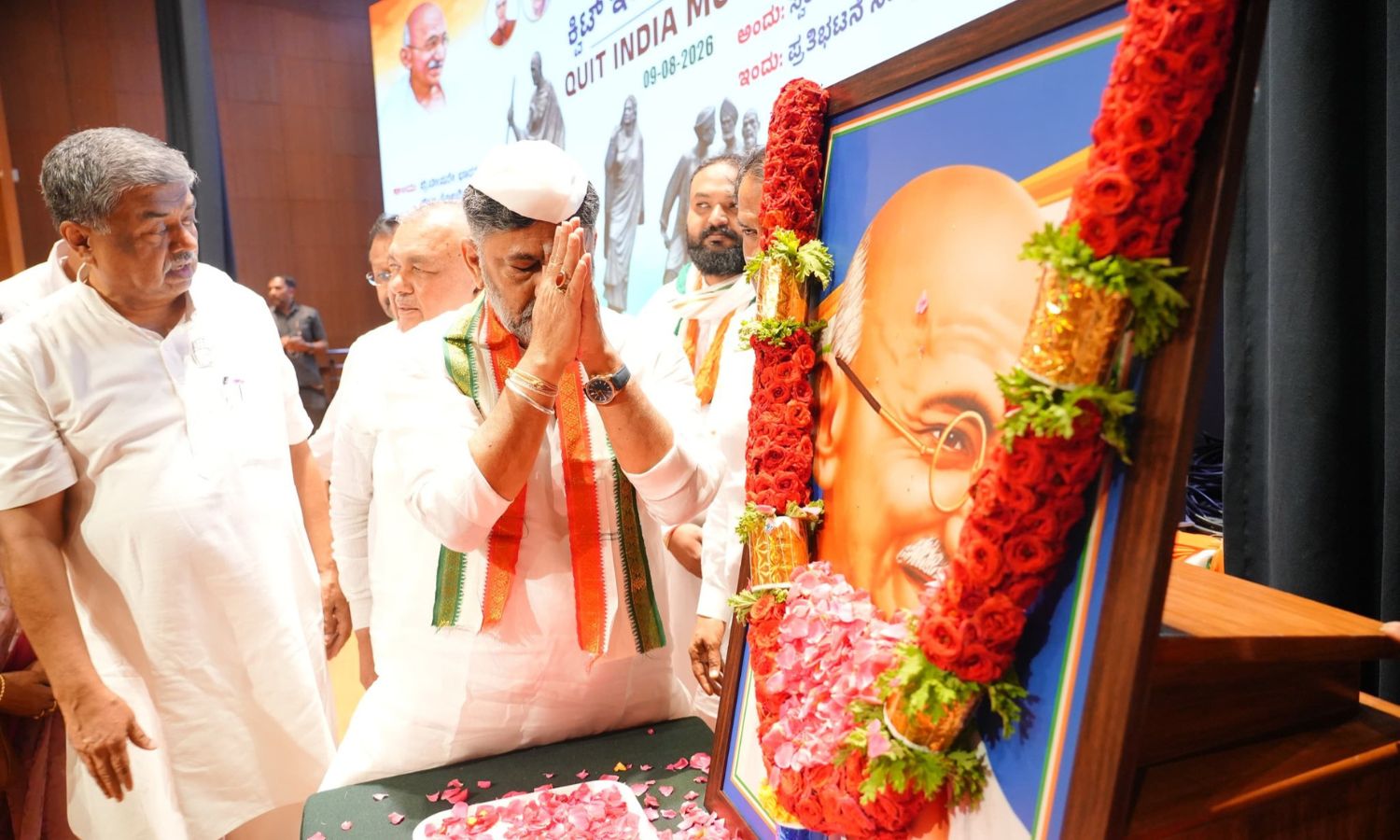
Karnataka Congress Marks 84th Anniversary of Quit India Movement
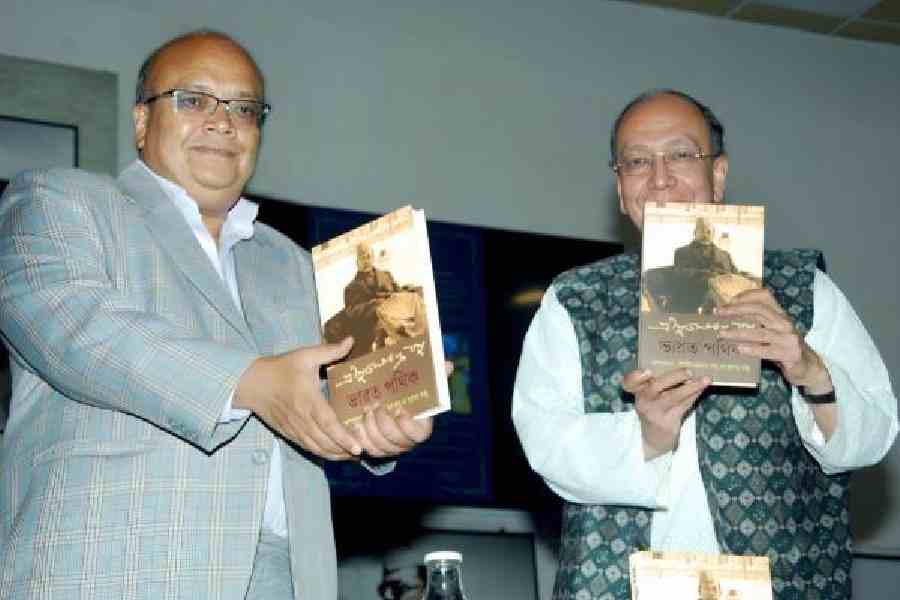
Netaji's grand-nephews recall Bengal's role in Quit India Movement
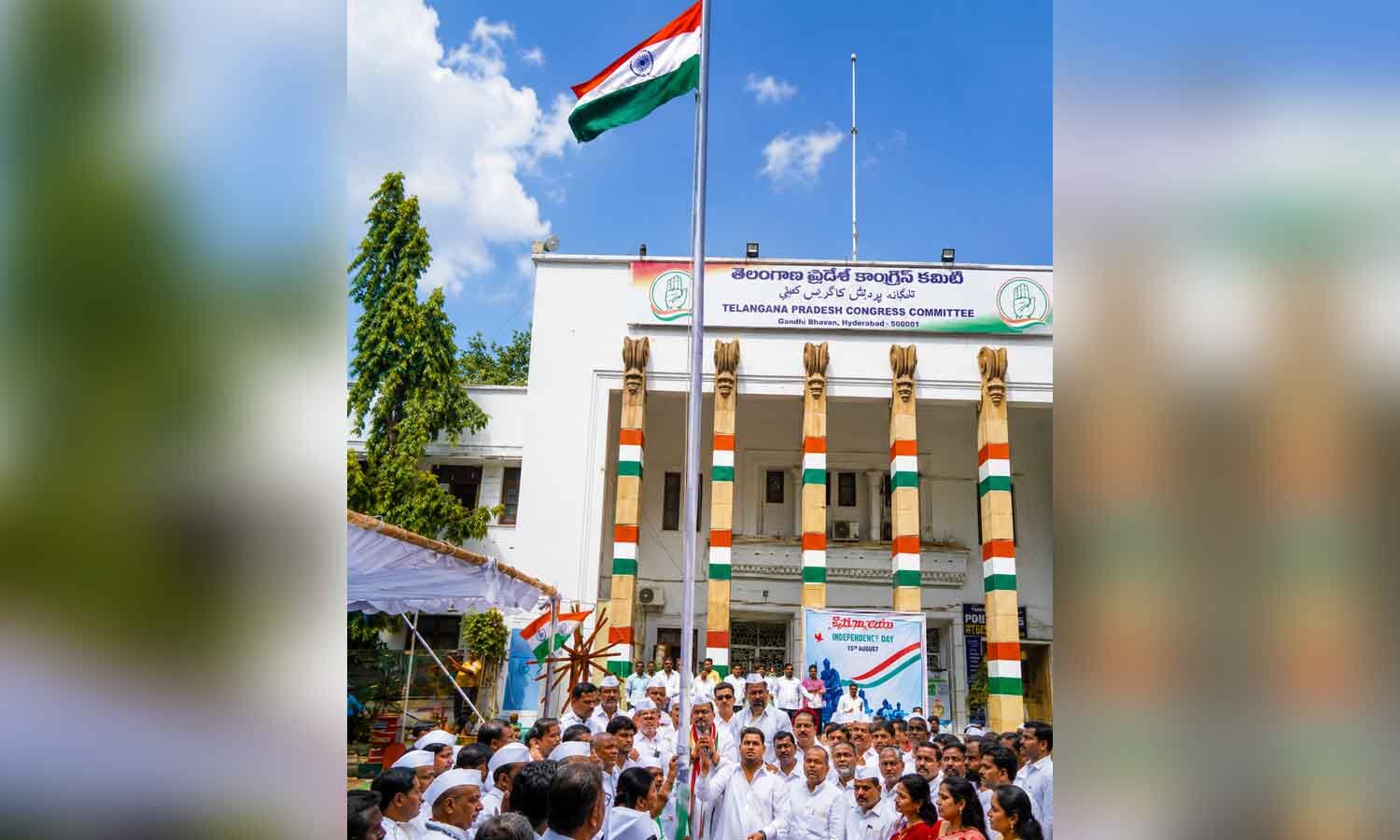
TPCC chief urges safeguarding Constitution with Quit India spirit
Minorities Weigh Mohan Bhagwat’s Hindu Rashtra Message
On Vande Mataram, Congress Hasn't Learnt From Its Past
IIT Kharagpur at 75, born in a former colonial prison
'New Kerala' Skips Vande Mataram, Backs Dissent and Dialogue
