

1 week ago
On Vande Mataram, Congress Hasn't Learnt From Its Past
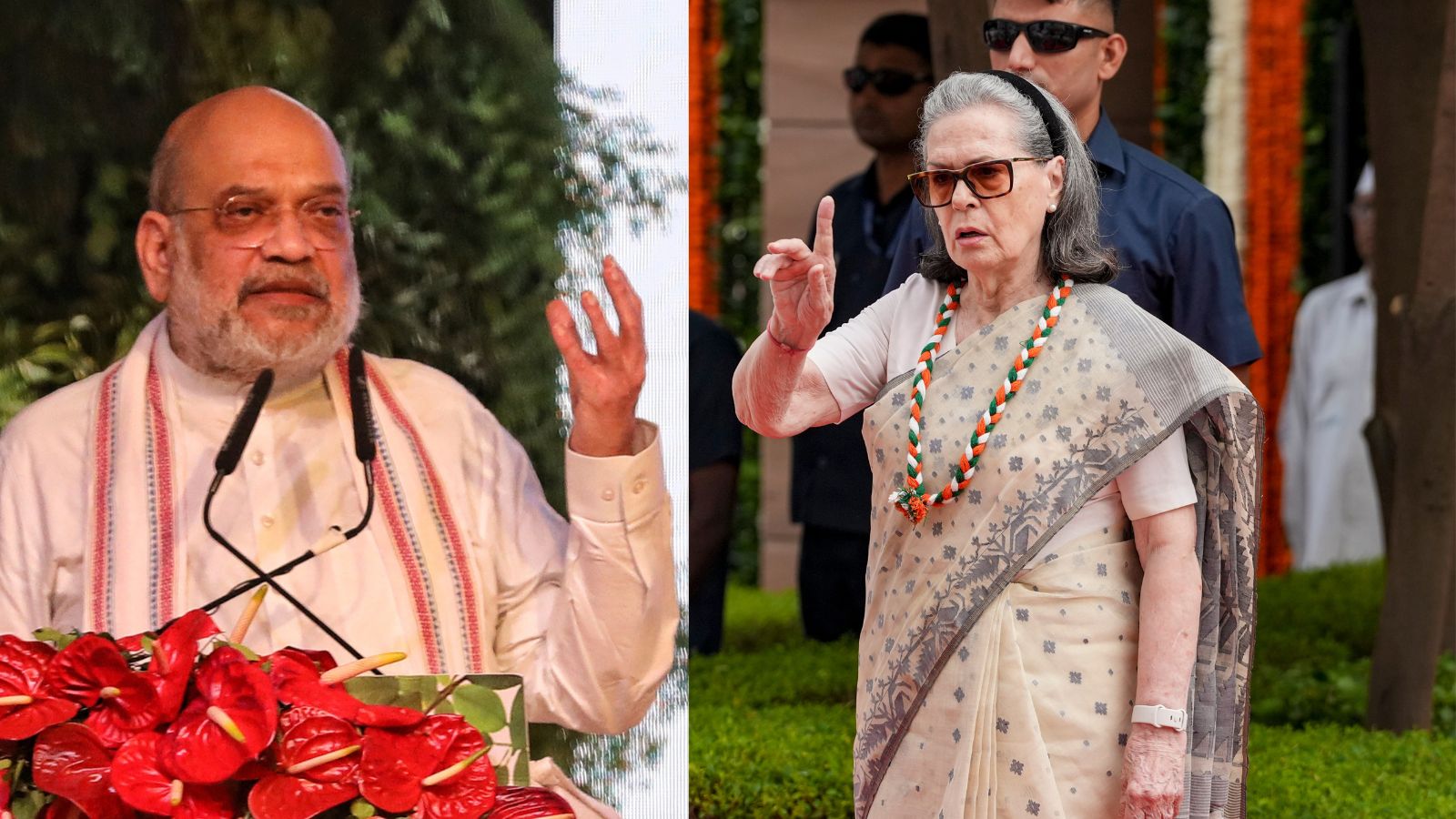
This opinion article discusses a disagreement over how much of “Vande Mataram” should be sung.
The song had been sung at Congress meetings for many years.
Some Muslim leaders objected to parts of it, especially references that they considered religiously unsuitable.
The article says Congress leaders decided in 1937 to use only part of the song.
It argues that this decision was an unnecessary compromise with communal politics.
The writer also says Congress gave too much importance to Muhammad Ali Jinnah.
According to the article, this hurt nationalist Muslims who supported a united India.
The writer believes Congress is making a similar mistake again by defending that earlier decision.

The article criticizes Congress for defending the 1937 decision to sing only part of “Vande Mataram.”
The song was first performed at a Congress session in 1896 and was associated with the anti-partition movement in Bengal.
Objections were raised by Muslim leaders, including Muhammad Ali at the 1923 Kakinada session, but the tradition continued for years.
The article says Jawaharlal Nehru and Rabindranath Tagore supported truncating the song in response to concerns about Muslim and monotheist sensibilities.
It argues that Congress’s accommodation of Muhammad Ali Jinnah weakened nationalist Muslims and contributed to the political conditions surrounding Partition.
- Who
- The article discusses the Indian National Congress, Jawaharlal Nehru, Rabindranath Tagore, Muhammad Ali Jinnah, and Muslim leaders who debated “Vande Mataram.”
- What
- It criticizes Congress’s 1937 decision to truncate “Vande Mataram” and links that decision to broader political appeasement of Jinnah.
- Where
- The debate is situated in Congress sessions and in India, including the 1923 session at Kakinada and the anti-partition movement in Bengal.
- When
- The main historical dispute occurred in 1937, following decades of the song’s use at Congress sessions; the article also addresses the current Congress position.
- Why
- The article argues that Congress altered the song to address Muslim objections and later repeated a pattern of accommodating communal forces.
Congress accommodation
Article’s criticism
Whether the song should be sung in full
Congress accommodation
The article says Congress leaders accepted that Muslim objections to the full song were genuine and supported singing only selected portions.
Article’s criticism
The writer argues that truncating the song was an unjustified surrender to communal pressure and that the objections were used as an alibi.
Meaning of the religious references
Congress accommodation
The concerns described in the article focused on references to Hindu deities and the claim that parts of the song conflicted with monotheistic beliefs.
Article’s criticism
The writer says these objections were irrational because the song primarily personified the nation and contained only limited references to Hindu deities.
Approach toward Muhammad Ali Jinnah
Congress accommodation
The article presents Congress leaders as giving weight to Jinnah’s objections in an effort to address Muslim political concerns.
Article’s criticism
The writer, citing Maulana Abul Kalam Azad and Khan Abdul Ghaffar Khan, argues that Congress gave Jinnah undue importance while neglecting nationalist Muslims.
Key facts
- Song discussed
- “Vande Mataram,” taken from Bankim Chandra Chattopadhyay’s novel Anandamath.
- First Congress performance
- Rabindranath Tagore sang the song at a Congress session in 1896.
- First objection cited
- Muslim League leader Maulana Muhammad Ali objected to its singing at the 1923 Congress session in Kakinada.
- 1937 decision
- The article says Congress began debating the song’s future and adopted a truncated version in 1937.
- Stated religious concern
- The article identifies references to Durga, Kamala, and Vani as the main elements cited in arguments about idolatry.
- Historical consequence argued
- The writer links Congress’s accommodation of Jinnah to the weakening of nationalist Muslim voices and the eventual Partition.
Quotes

Maulana Abul Kalam Azad
Nationalist Muslim leader and former Congress president quoted from India Wins Freedom.
“Jinnah had lost much of his political importance after he left the Congress in the 1920s. It was largely due to Gandhi’s acts of commission and omission that Jinnah regained his importance in Indian political life”
 indianexpress.com
“You have thrown us to the wolves. Which Muslims, who joined you, will ever trust you?”
indianexpress.com
Sources
Related news

Congress Vande Mataram Resolution Revives Debate Over National Song
Shah Attacks Congress Over Two-Stanza Vande Mataram Decision
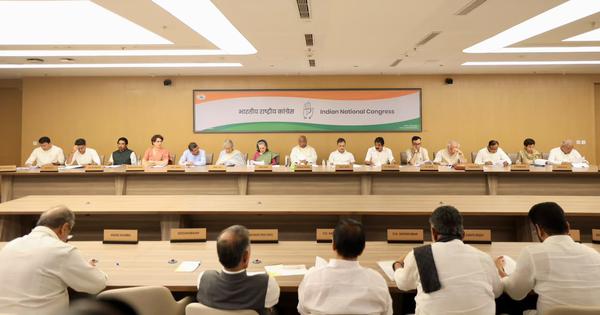
Congress Sticks to Two-Stanza Vande Mataram as BJP Attacks
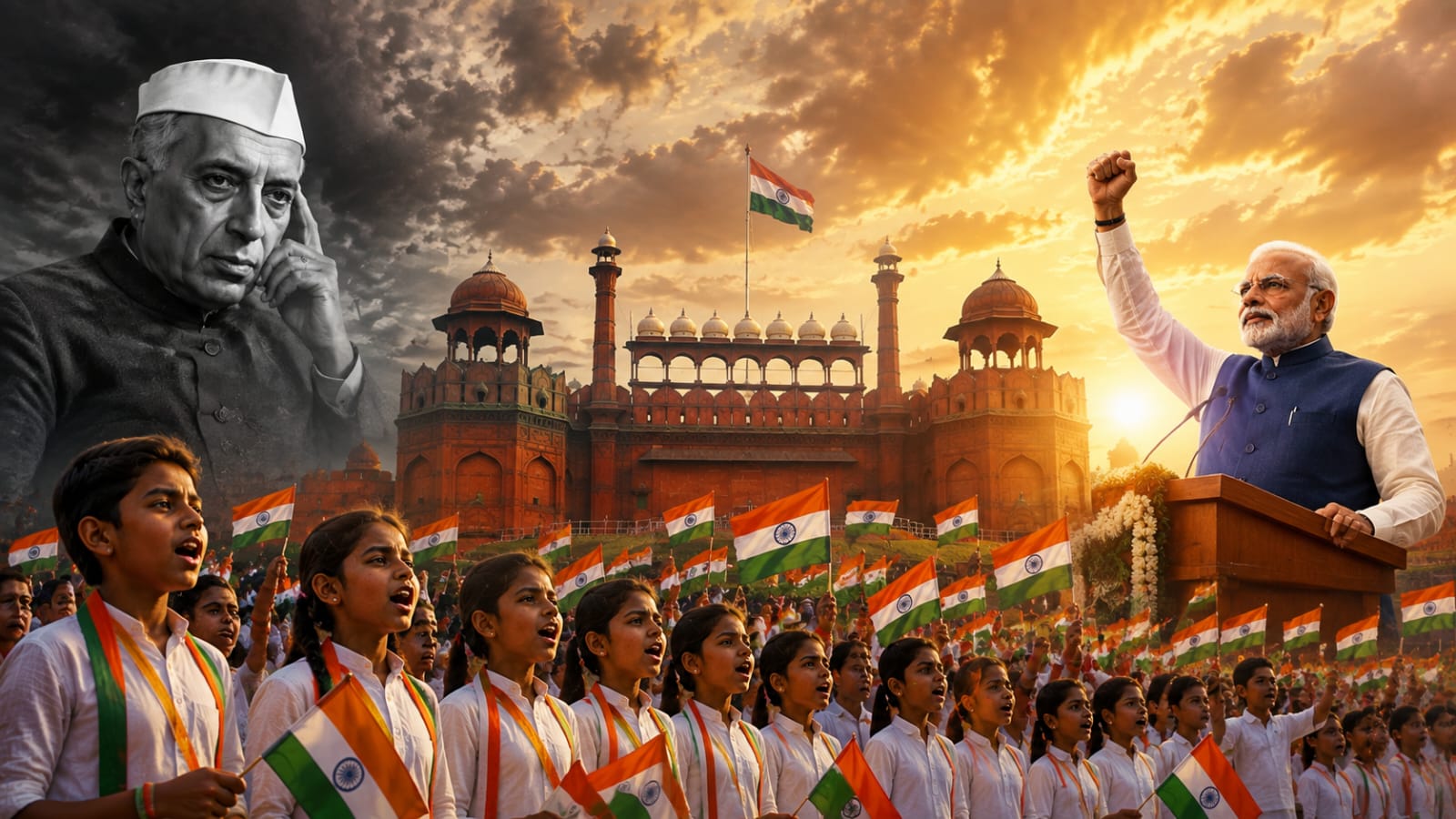
Kerala Congress Refuses Full Vande Mataram Ahead of Independence Day

BJP Accuses Congress of Appeasement Over Vande Mataram Decision
Congress, BJP Clash Over Two-Stanza Vande Mataram Dispute
Minorities Weigh Mohan Bhagwat’s Hindu Rashtra Message
IIT Kharagpur at 75, born in a former colonial prison
'New Kerala' Skips Vande Mataram, Backs Dissent and Dialogue
TPCC chief urges safeguarding Constitution with Quit India spirit
