2 weeks ago
Study: Western Himalaya Warming Faster Than Central, Eastern Stretches
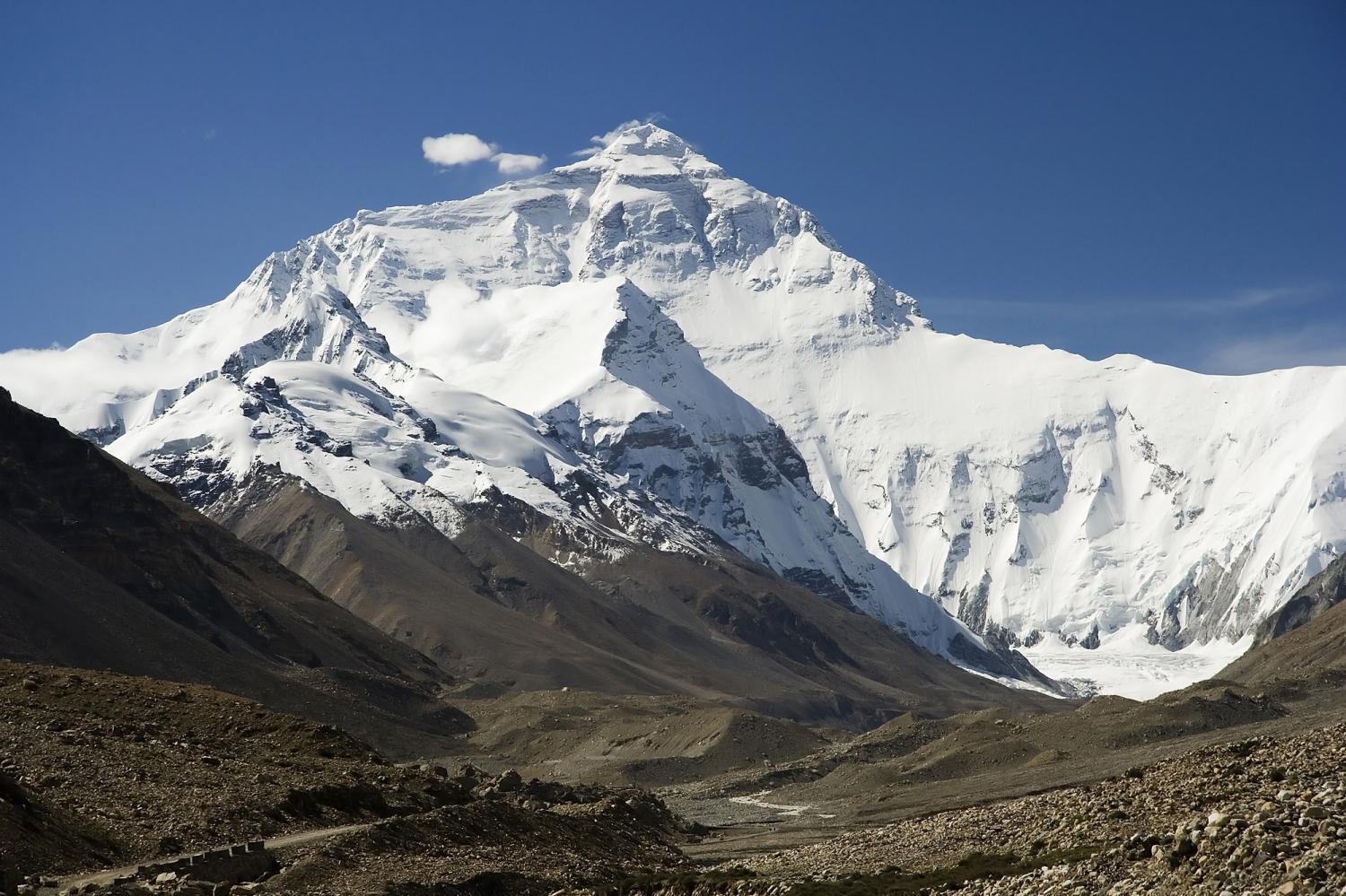
The Himalaya is a huge mountain range with snowy peaks.
Scientists in India studied how climate change affects it.
They looked at temperature measurements from the last 120 years.
They also used computer models to imagine different possible futures.
They found that the western part of the Himalaya is getting hotter the fastest.
That area includes Ladakh, Jammu and Kashmir, and Himachal Pradesh.
In that region, winters and nights are warming faster than springs and days.
The study also found that more snow melts in spring, especially in the west.
If the world keeps polluting a lot, spring snow loss there could be three times bigger.
That matters because melting snow affects water and nature for many people.

The western Himalaya, spanning Ladakh, Jammu and Kashmir and Himachal Pradesh, is warming faster than the central and eastern stretches of the range.
In the western Himalaya, winter is warming faster than spring, and night-time temperatures are rising faster than daytime highs.
The study, 'Vulnerability of the Himalayan region under the climate change', was published in the Journal of Earth System Science.
Researchers used 120 years of temperature records (1901-2020) and eight global climate models run to 2100 under five emission scenarios.
Springtime snow loss over the western Himalaya could be three times larger under a high-emission pathway than a low-emission one by the end of the century.
- Who
- A study led by Protyusha Mukhopadhyay of the Department of Remote Sensing and Geoinformatics, Birla Institute of Technology (BIT), Ranchi, with the Indian Institute of Tropical Meteorology (IITM), Pune, and Ashoka University.
- What
- A study finding that the western Himalaya is warming faster than the central and eastern stretches, with faster winter and night-time warming and greater spring snow loss.
- Where
- The western Himalaya, spanning Ladakh, Jammu and Kashmir and Himachal Pradesh; the authors are based at institutions in Ranchi, Pune and Sonipat (Ashoka University).
- When
- The study was made public on Monday and analyzed temperature records from 1901 to 2020, with model projections to 2100.
- Why
- To assess the vulnerability of the Himalayan region under climate change and how different emission pathways could affect it.
Key facts
- Study title
- Vulnerability of the Himalayan region under the climate change
- Journal
- Journal of Earth System Science
- Lead institution
- Department of Remote Sensing and Geoinformatics, Birla Institute of Technology (BIT), Ranchi
- Collaborating institutions
- Indian Institute of Tropical Meteorology (IITM), Pune; Ashoka University
- Temperature data span
- 1901-2020 (120 years of actual measurements)
- Climate models used
- 8 global climate models run to 2100 under 5 emission scenarios
- Lead author
- Protyusha Mukhopadhyay (BIT)
- Key finding on snow
- Spring snow loss over the western Himalaya could be 3x larger under a high-emission pathway than a low-emission one by 2100
Quotes
Protyusha Mukhopadhyay
Lead author, Department of Remote Sensing and Geoinformatics, Birla Institute of Technology, Ranchi
“"The Himalaya is often discussed as a single system, but our observations and models both say otherwise."”
 deccanchronicle.com
Sources
Related news
IIT Kharagpur Finds Rapid Warming in High-Altitude Jammu and Kashmir

Himalayan Glacier Loss Raised Nepal Flood Disaster Risks
Study Finds 219 Hanging Glaciers in Uttarakhand, Many Unstable
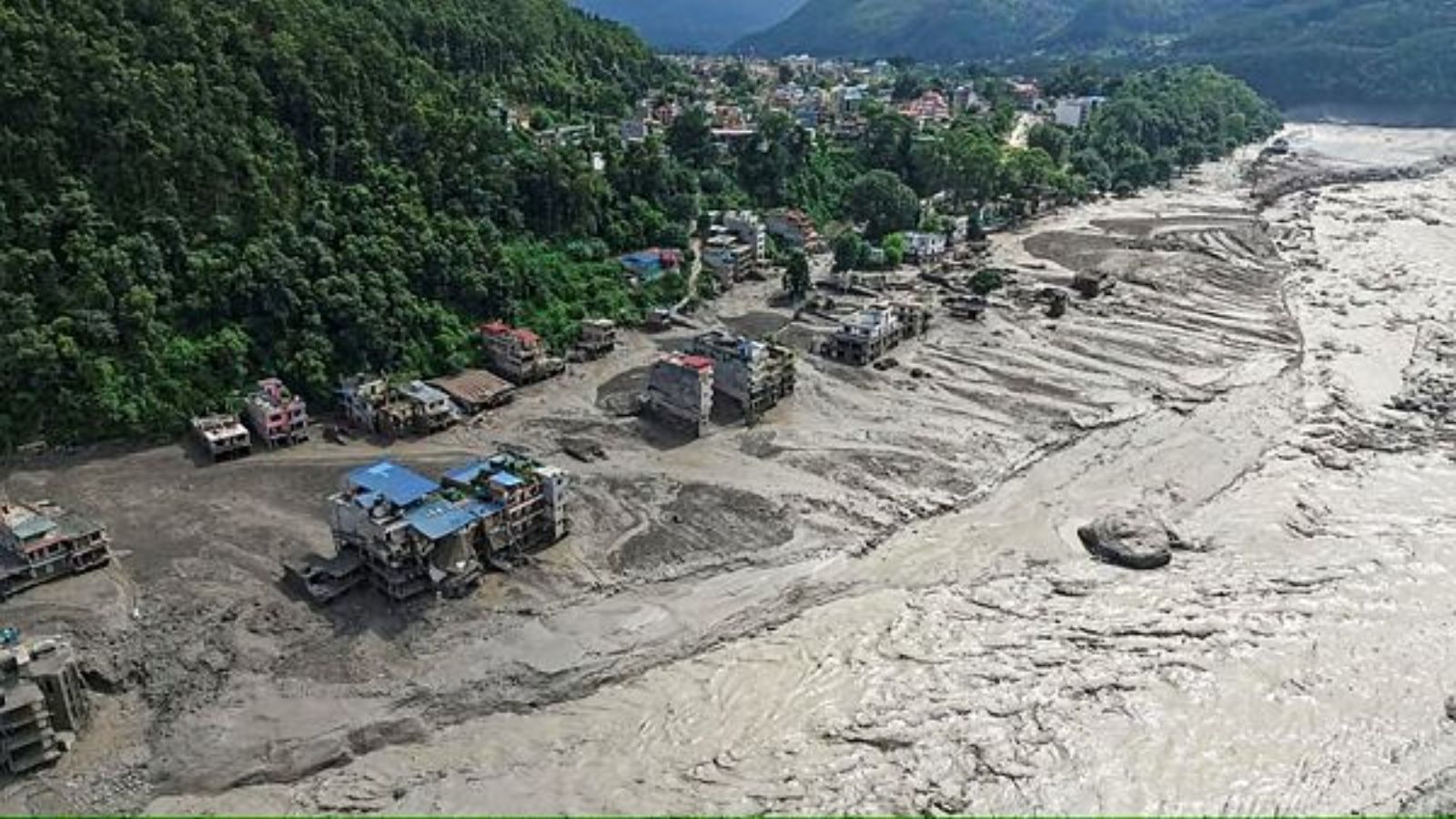
Bhote Koshi Flood Exposes Growing Himalayan Climate Risks
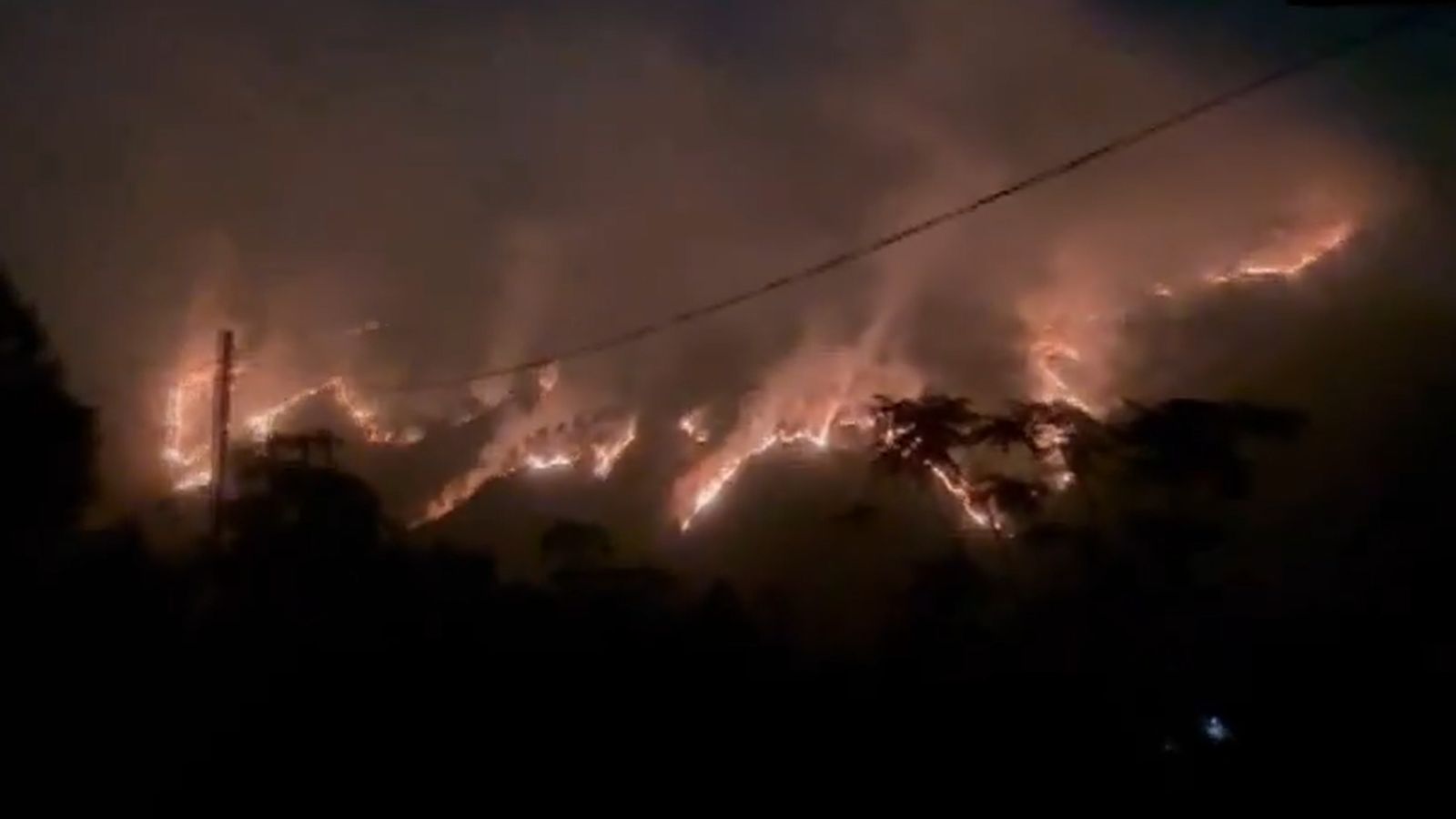
India panel urges geostationary satellite for Himalayan forest fire monitoring

Hyderabad Startup’s Drone Interceptor Sets 498-kmph Speed Record

G.D. Birla Linked Enterprise and Production to Living Standards

National Workshop Promotes Additive Manufacturing for Sustainable Waste Recycling

Vishal Mega Mart Shares Jump After Kapur Reappointment
altM Turns Crop Residue Into A New Materials Industry