4 days ago
Kashmiris Experience Climate Change, But Climate Literacy Lags
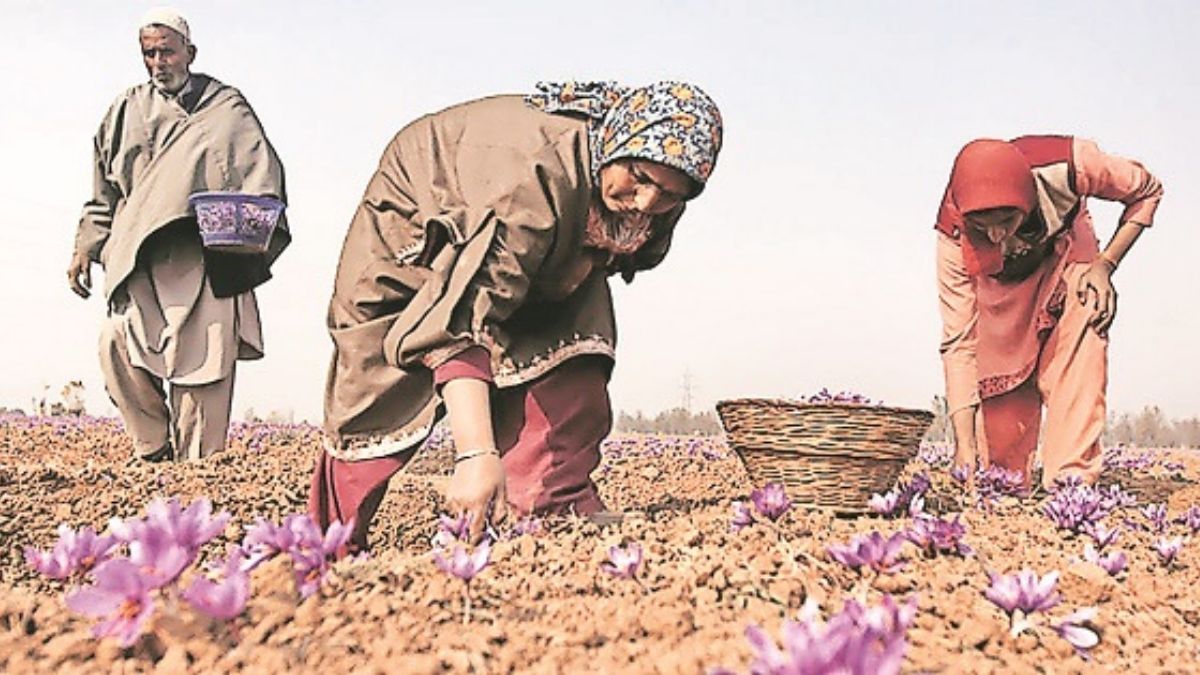
People in Kashmir are noticing that the weather is changing.
Winters are warmer, snow arrives later and disappears sooner.
Farmers say unusual rain and temperatures are hurting crops such as apples and saffron.
Tourism workers are concerned that shorter snow seasons may affect their jobs.
People have also experienced floods, hailstorms and other extreme weather.
However, many residents do not know why these changes are happening.
Schools often teach climate change only briefly and without connecting it to local life.
Officials and community leaders say better climate education could help people prepare for the future.

Kashmir residents report warmer winters, less snowfall, erratic rainfall and more extreme weather.
Changing weather is affecting apple and saffron production, tourism and water resources.
Many residents recognize environmental changes but do not understand the science of climate change.
Teachers and students say school curricula provide limited, locally relevant climate education.
The Jammu and Kashmir Climate Change Action Plan calls for awareness, training and community participation.
- Who
- Kashmir residents, farmers, teachers, students, tourism workers and policymakers are discussed.
- What
- The article examines climate-change impacts in Kashmir and a widespread gap in climate literacy.
- Where
- Kashmir, including Shopian, Pulwama, Ganderbal and Srinagar, in Jammu and Kashmir, India.
- When
- The changes have been observed over many years; the article also cites a recent survey and current policy proposals.
- Why
- Warmer and less predictable conditions are affecting livelihoods, while limited climate understanding may hinder adaptation and preparedness.
Key facts
- Observed changes
- Residents report warmer winters, delayed and reduced snowfall, erratic rainfall and rising temperatures.
- Affected livelihoods
- Apple and saffron farming, tourism and water resources are being affected.
- Extreme weather
- The article mentions flash floods, hailstorms, cloudbursts and unusually warm winters.
- Climate literacy survey
- A Yale Program on Climate Change Communication survey found that 58% of Indians said they knew little or nothing about climate change.
- Education gap
- Teachers and students say climate science is generally taught briefly within the prescribed syllabus.
- Policy response
- The Jammu and Kashmir Climate Change Action Plan proposes training, awareness workshops and community capacity building.
Quotes
Sajad Mir
Apple farmer from Shopian in southern Kashmir
“Our elders narrate how there used to be heavy snowfall in winters… But we are now witnessing less snowfall and warmer winters, but we don’t exactly know why it is happening”
 financialexpress.com
Sources
Related news
IIT Kharagpur Finds Rapid Warming in High-Altitude Jammu and Kashmir

Seven Years After Article 370, Peace and Development Reshape Kashmir
Nepal PM Urges Climate Action After Himalayan Flood Disaster
Nepal Floods Raise Alarms Over Himalayan Disaster Risks

Joint Forces Bust Shopian Terror Hideout, Recover Arms Cache

Eight Suspected Terror Associates Arrested in Three Kashmir Operations
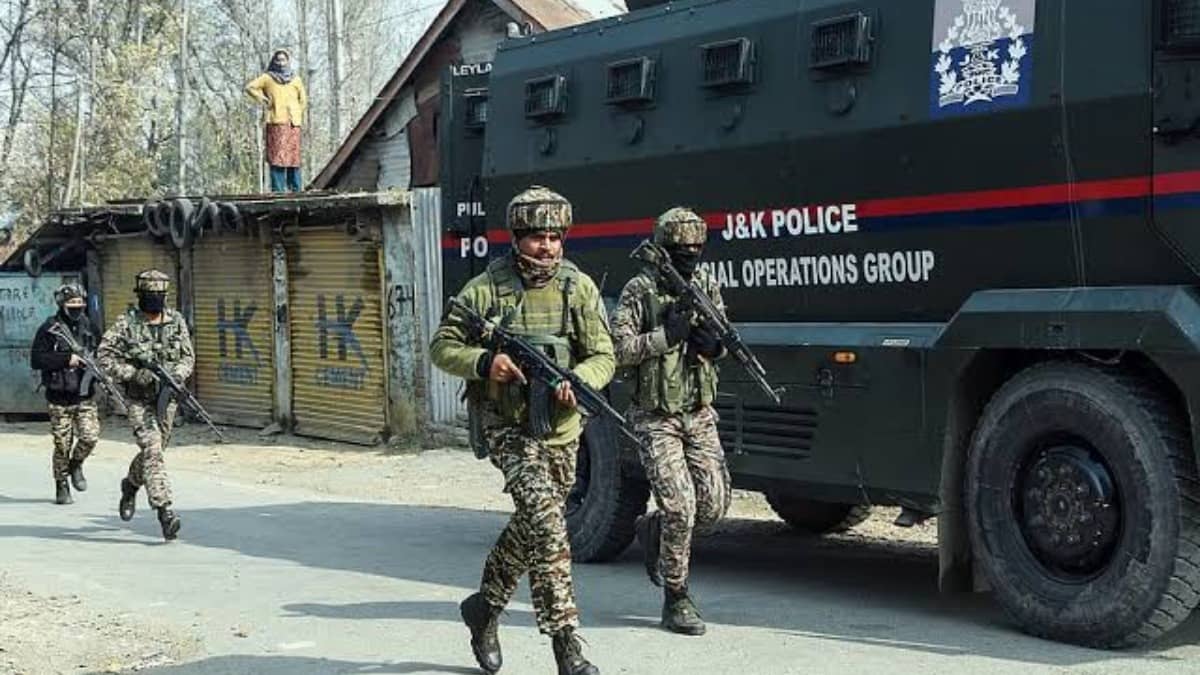
J-K Police, Army and CRPF Apprehend Six Terror Associates in Shopian

Kashmir Apple Growers Count Losses as Highway Closures Strand Trucks