

3 weeks ago
BMC Gets Final Nod for 103 Hectares of Mangrove Diversion
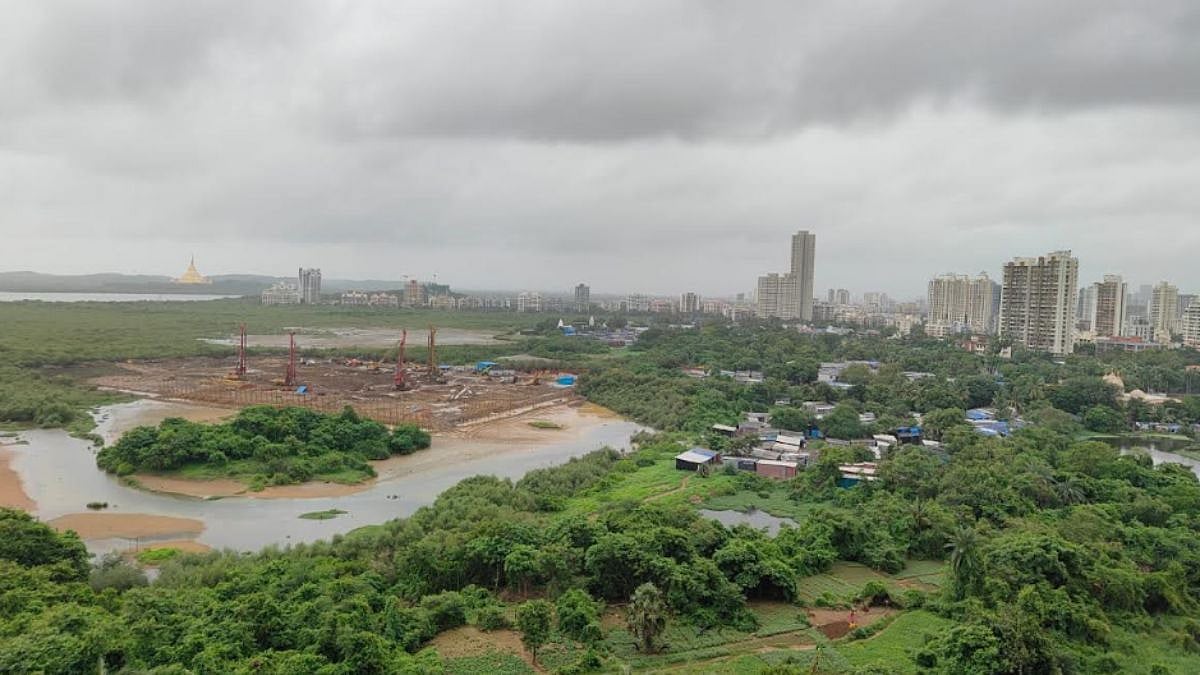
Mumbai is a very big city in India.
The government wants to build a big new road along the coast, from Versova to Bhayandar.
To build the road, they need to use land where mangrove trees grow.
Mangroves are special trees that grow near the water and help protect the land from waves and floods.
The city body that builds roads, called the BMC, just got the final permission from the government to use this land.
The BMC says it only cut a few trees on the edges before, and that it had permission for that work.
The project promises to plant many new mangroves, about 137,000 trees, in other places like Bhayandar and Palghar.
But nature lovers and people who live nearby are very upset.
They say trees were cut without full permission and that the damage is very bad.
They are worried that without the mangroves, the area could flood and even drown by 2030.
The road is supposed to be finished by December 2028.

The BMC received Stage II final environmental clearance from the Ministry of Environment, Forest and Climate Change (MoEFCC) to divert 103.6554 hectares of mangrove forest land for the Versova to Bhayandar Coastal Road North project.
Authorities aim to complete the Coastal Road North project by December 2028.
Compensatory afforestation of 1.37 lakh mangroves will be carried out on 255 hectares, with plantations on 31 hectares in Bhayandar already begun and 244 hectares in Palghar to begin soon.
A BMC officer said only peripheral mangroves were removed under working permission, a claim disputed by environmental activists and local residents.
Vanashakti director Stalin D called the process a 'farce,' alleging large swathes of mangroves were chopped without Stage II clearance, while a Malad West resident fears the area will drown by 2030.
- Who
- The Brihanmumbai Municipal Corporation (BMC), the Ministry of Environment, Forest and Climate Change (MoEFCC), environmental activists and residents, including Vanashakti director Stalin D.
- What
- The BMC received the final Stage II environmental clearance to divert 103.6554 hectares of mangrove forest land for the Versova to Bhayandar Coastal Road North project.
- Where
- Mumbai, Maharashtra, India, along the Versova to Bhayandar coastal stretch, with compensatory plantation sites in Bhayandar and Palghar.
- When
- The Stage II clearance was recently received; the project is targeted for completion by December 2028.
- Why
- To allow mangrove removal and construction work for the Coastal Road North link road to proceed with final government approval.
Environmental Activists and Residents
BMC and Project Authorities
Lawfulness of Mangrove Cutting
Environmental Activists and Residents
Activists and residents claim mangroves were cut on a large scale 'under the garb of working permission' before the Stage II clearance, with Vanashakti director Stalin D calling the entire process a 'farce.'
BMC and Project Authorities
A BMC officer said only mangroves in peripheral areas were removed and that the authorities had working permission for that work, and that the final clearance has put complaints to rest.
Environmental Impact
Environmental Activists and Residents
Activists say the loss to the environment is 'phenomenal' and could have been avoided, and a Malad West resident fears the area will drown by 2030 due to the destruction of the green cover.
BMC and Project Authorities
Authorities are proceeding with the approved project, citing mandatory compensatory afforestation of 1.37 lakh mangroves on 255 hectares of land.
Key facts
- Project
- Coastal Road North (Versova to Bhayandar link road)
- Mangrove land to be diverted
- 103.6554 hectares
- Clearance authority
- Ministry of Environment, Forest and Climate Change (MoEFCC) - Stage II final clearance
- Target completion
- December 2028
- Compensatory afforestation
- 1.37 lakh mangroves on 255 hectares
- Plantation sites
- 31 hectares in Bhayandar (begun); 244 hectares in Palghar (to begin)
- Implementing body
- Brihanmumbai Municipal Corporation (BMC)
Quotes
BMC officer
BMC official involved in the Coastal Road North project
“We have received the Stage II Enviornment Clearance. It has also put to rest the complaints by activists and residents that authorities are cutting mangroves without final approval.”
 freepressjournal.in
“Massive mangrove belt at Malad West is being cut for Coastal Road North project. Seeing the green cover destruction, we fear that the area will drown by 2030.”
freepressjournal.in
Sources
Related news

Mumbai Coastal Road North Targets December 2028 Completion
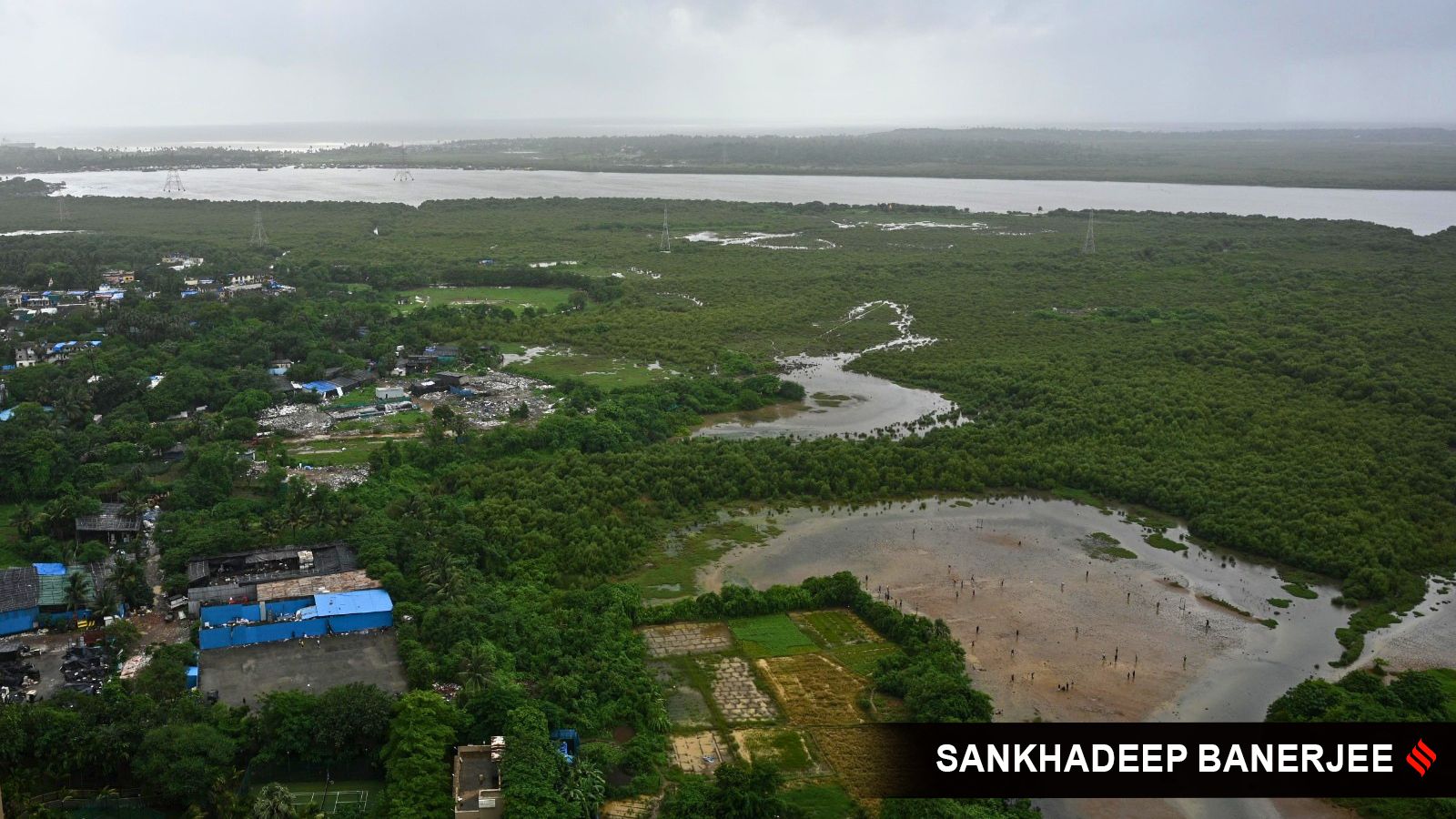
Bombay High Court restricts distant compensatory afforestation for mangrove felling

Bombay High Court Approves Tata Power’s 220 KV Line Upgrade

BMC Tree Authority to Decide Felling of 35 Ghatkopar Trees
RPF Books Six Over Dangerous Stunts At Bhayandar Railway Bridge
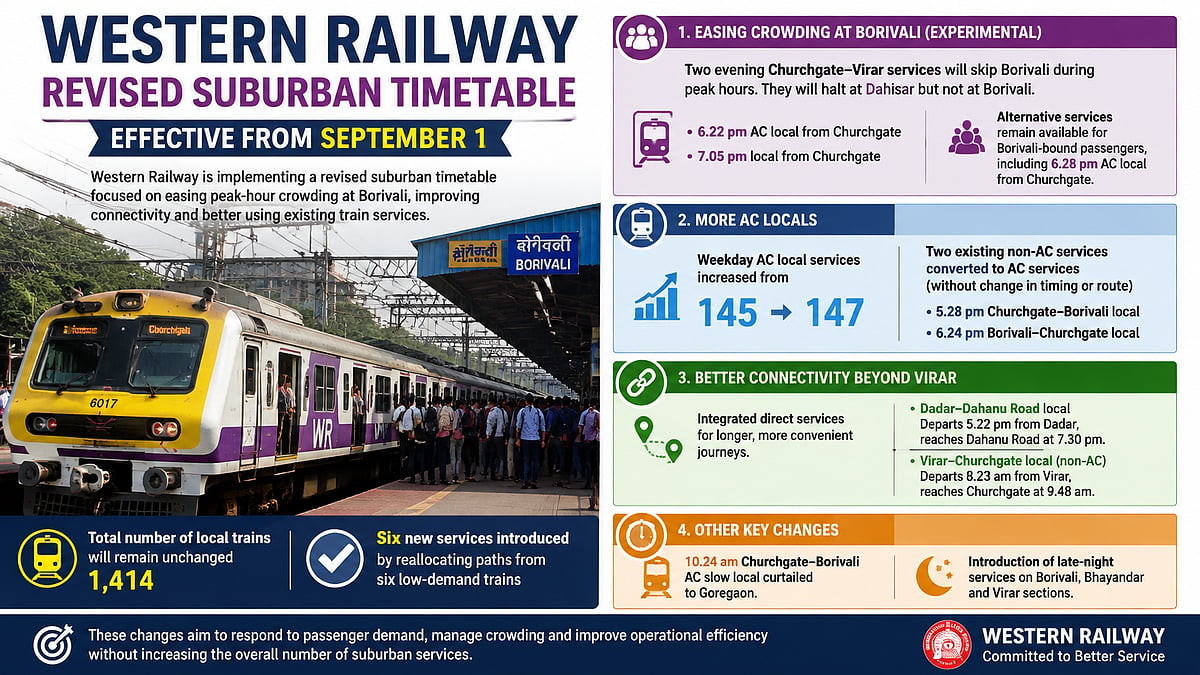
Western Railway Revises Mumbai Local Timetable To Ease Crowding
Maharashtra Approves ₹17,725-Crore Metro Line 13 Project
Metro 13 Promises Faster Links Across Mumbai’s Northern Suburbs
