3 weeks ago
Bombay High Court restricts distant compensatory afforestation for mangrove felling
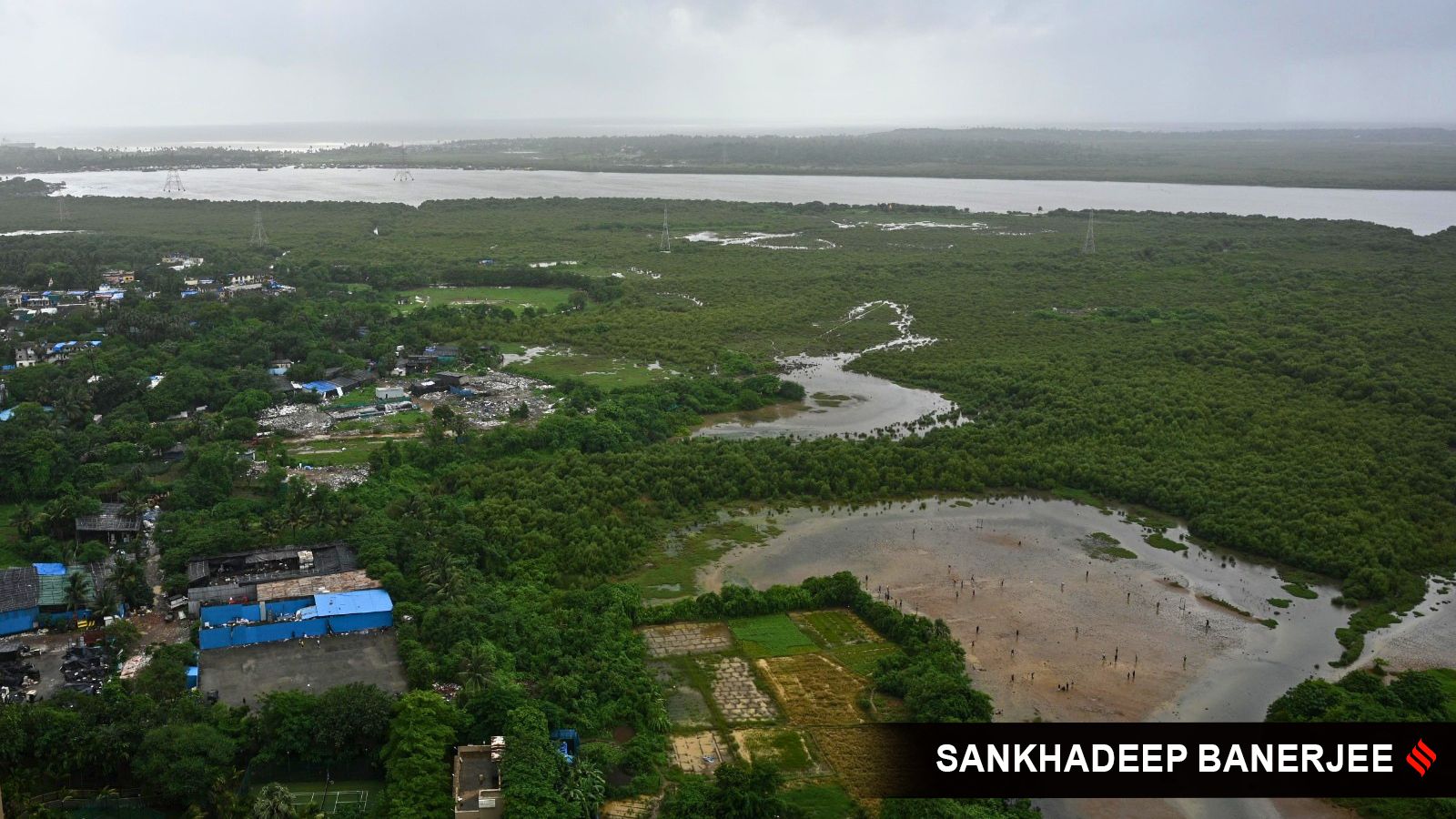
Mangroves are special trees that grow near the sea and help protect the coast.
To build big things like roads, trains, and ports, people sometimes have to cut mangroves down.
The law says when trees are cut, new trees must be planted to make up for them.
The Bombay High Court decides if cutting mangroves in Maharashtra is allowed, and a 2018 ruling made mangroves protected forest.
Some companies wanted to plant replacement trees hundreds of kilometers away, far from where the mangroves were cut.
The court said that is not a good idea, because the place that loses trees should get new ones nearby.
It allowed far-away planting once as a special exception, but said it will not become a normal rule.
The court also said it will keep checking until the government creates special land banks for planting new trees.
This way, the court is trying to protect nature while still letting important projects happen.

Bombay High Court allowed MahaTransco to fell 847 mangrove trees in Palghar for a Mumbai-Ahmedabad Bullet Train-linked transmission line, with non-mangrove compensatory afforestation in Solapur, over 400 km away.
The court called the distant afforestation an 'exceptional measure' that would not be treated as a precedent.
The court said it will not permit compensatory afforestation at far-off locations until Maharashtra complies with earlier directions on creating land banks and a monitoring mechanism.
On December 12, 2025, the court permitted felling 45,675 mangroves for the Versova Bhayandar Coastal Road and accepted afforestation in Chandrapur, over 800 km away, despite BEAG's objections.
Former Supreme Court judge Justice Abhay S Oka said the basic principle of compensatory afforestation is that the area losing its green cover should itself be compensated.
Since 2022, the court has ordered mangrove plantations in Palghar, Vasai, and Surai village for various Mumbai projects, including 1,10,000 saplings for the bullet train project.
- Who
- The Bombay High Court, environmental group BEAG (Bombay Environmental Action Group), MahaTransco, and former Supreme Court judge Justice Abhay S Oka.
- What
- The court permitted mangrove felling for Mumbai-area infrastructure projects but ruled that compensatory afforestation at distant locations is an 'exceptional measure' and not a precedent.
- Where
- Mumbai, Palghar, and other districts of Maharashtra, India.
- When
- Recent rulings include a December 12, 2025 order on the Versova Bhayandar Coastal Road; the court's oversight is grounded in a 2018 mangrove judgment.
- Why
- To ensure areas that lose their green cover are compensated locally and to push the Maharashtra government to create land banks and a monitoring mechanism.
Environmental advocates
Infrastructure developers
Where replacement trees should be planted
Environmental advocates
Compensatory afforestation must happen near the affected area, 'albeit in smaller proportions', so the lost green cover is genuinely compensated; distant plantations may not survive or replicate ecological benefits.
Infrastructure developers
Distant plantation sites are acceptable because suitable land near projects is unavailable, and compensatory afforestation satisfies the legal requirement while allowing infrastructure to proceed.
Mangrove felling for public projects
Environmental advocates
Mangroves are reserve forest and should only be cut in exceptional cases, with restoration close to the damage site.
Infrastructure developers
Felling is justified by 'demonstrably required public interest' for critical infrastructure such as coastal roads, ports, and transmission lines.
Key facts
- Court
- Bombay High Court
- Palghar transmission project
- 847 mangrove trees felled; non-mangrove afforestation in Solapur, over 400 km away
- Versova Bhayandar Coastal Road
- 45,675 mangroves felled; afforestation accepted in Chandrapur, over 800 km away
- Vadhavan port highway
- 208 mangrove trees; afforestation in Dhule and Pimpalner forest ranges
- Other distant afforestation sites
- Dhule (~300 km), Gadchiroli (~900 km), Jalgaon (~400 km)
- 2022 bullet train project order
- 1,10,000 mangrove saplings to be planted in Palghar for felling of nearly 22,000 mangroves
- 2018 landmark ruling
- Mangroves declared reserve forest; felling requires High Court approval under the Forest (Conservation) Act
Quotes
Justice Abhay S Oka
Former Supreme Court judge and former Chief Justice of Karnataka High Court
““The reason is that whenever you fell trees, the basic idea of compensatory afforestation is that the area should be compensated for the green cover it lost. So this is fundamental.””
 indianexpress.com
Sources
Related news

Bombay High Court Approves Tata Power’s 220 KV Line Upgrade
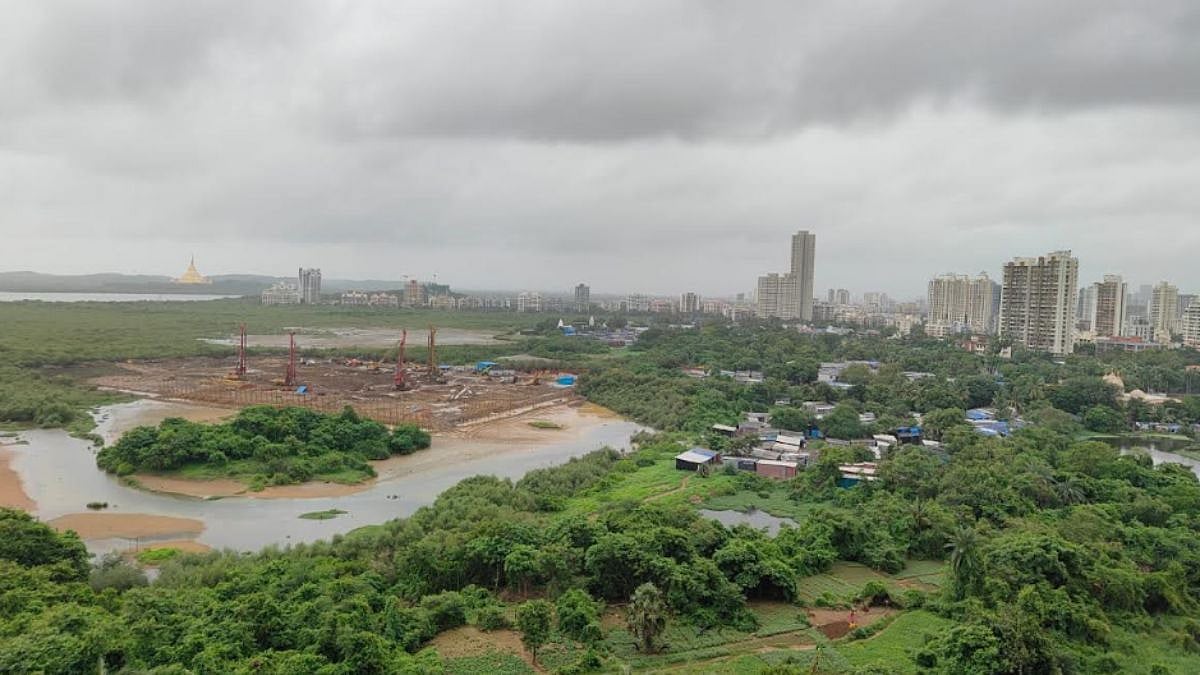
BMC Gets Final Nod for 103 Hectares of Mangrove Diversion

BMC Tree Authority to Decide Felling of 35 Ghatkopar Trees
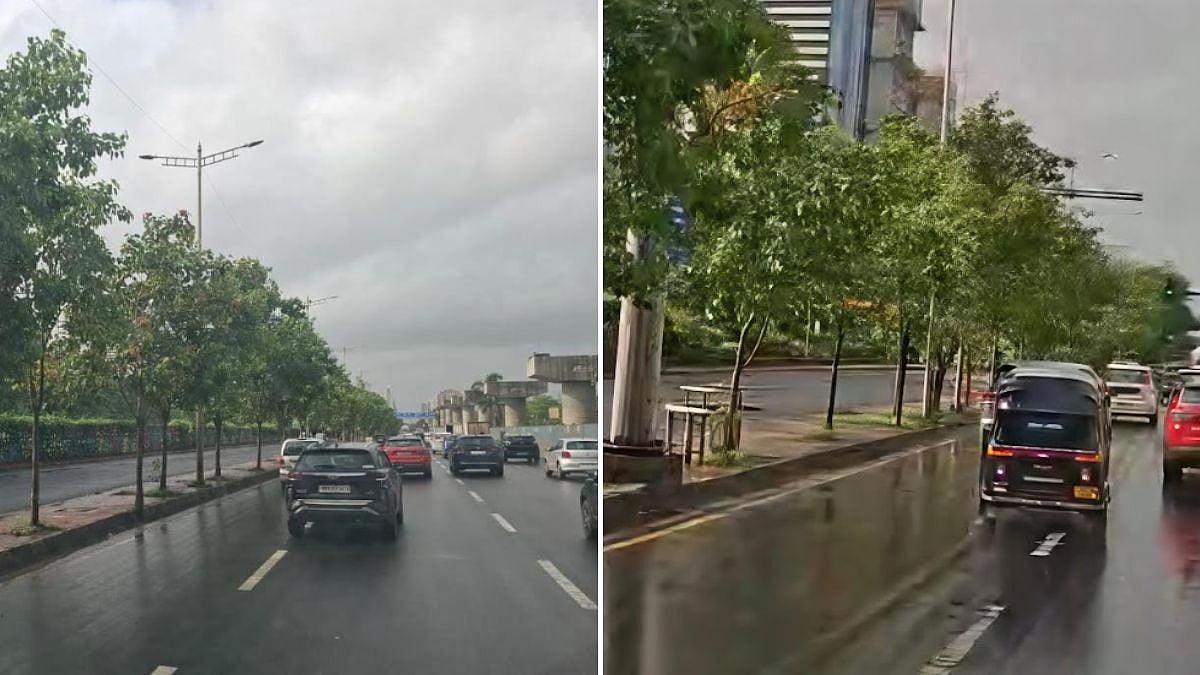
Congress Launches 'Protect Mumbai Trees' Campaign After Chembur Tragedy
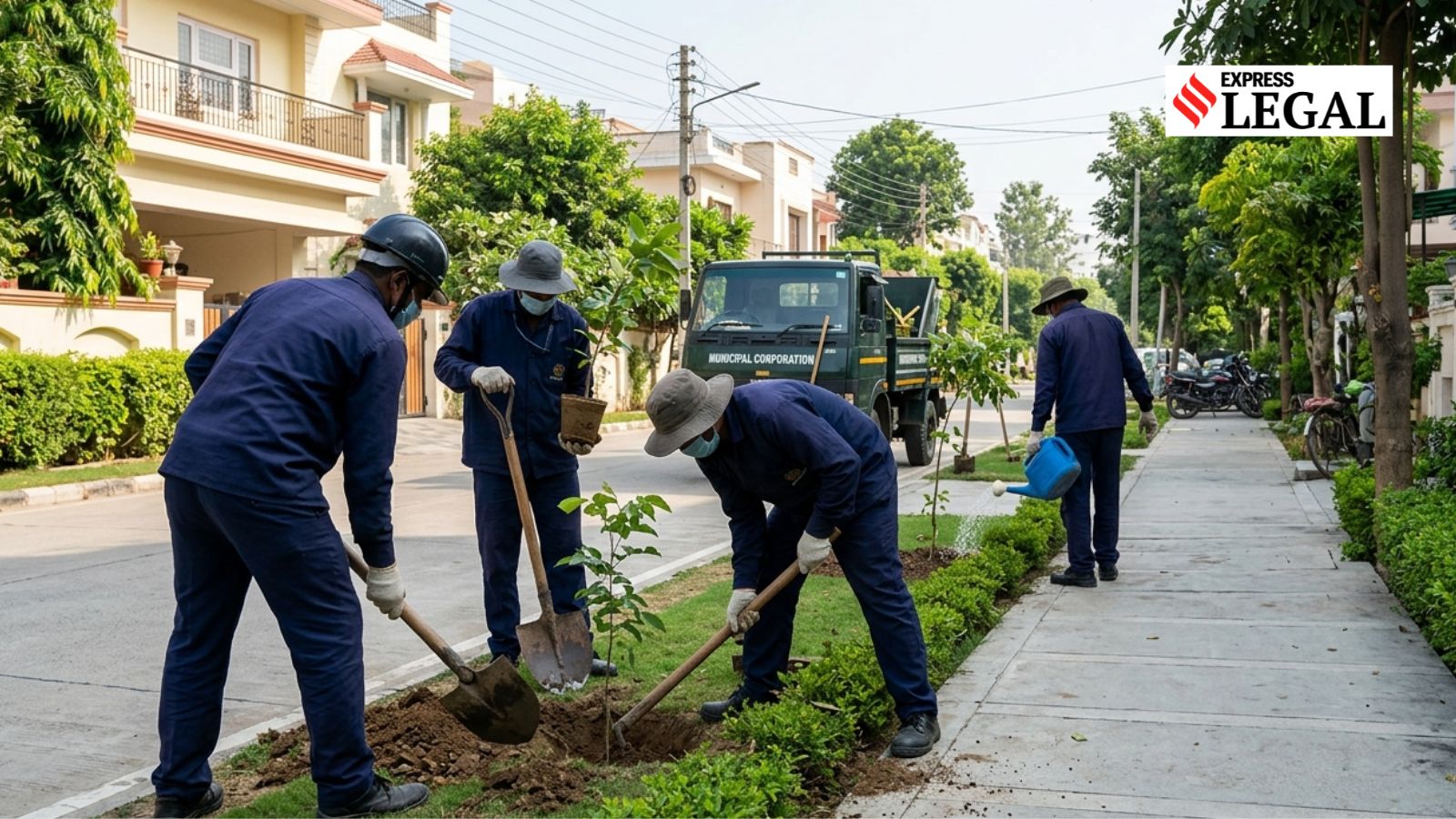
Rajasthan High Court Halts Road Demolitions, Orders Tenfold Tree Planting
Mumbai Trains Election Officials Amid Statewide Electoral Roll Revision

Bombay Gymkhana Squash Finals Set After Junior Semifinals
NMMC Launches Navi Mumbai Drive to Protect Existing Trees

Maharashtra Ministers Seek End to Jarange Patil’s Maratha Quota Fast

Bhiwandi JCB Operator Assault Spurs Warehouse Work Dispute Investigation