2 hrs ago
Revised Stroke Guidelines Urge Earlier, Gentler Rehabilitation
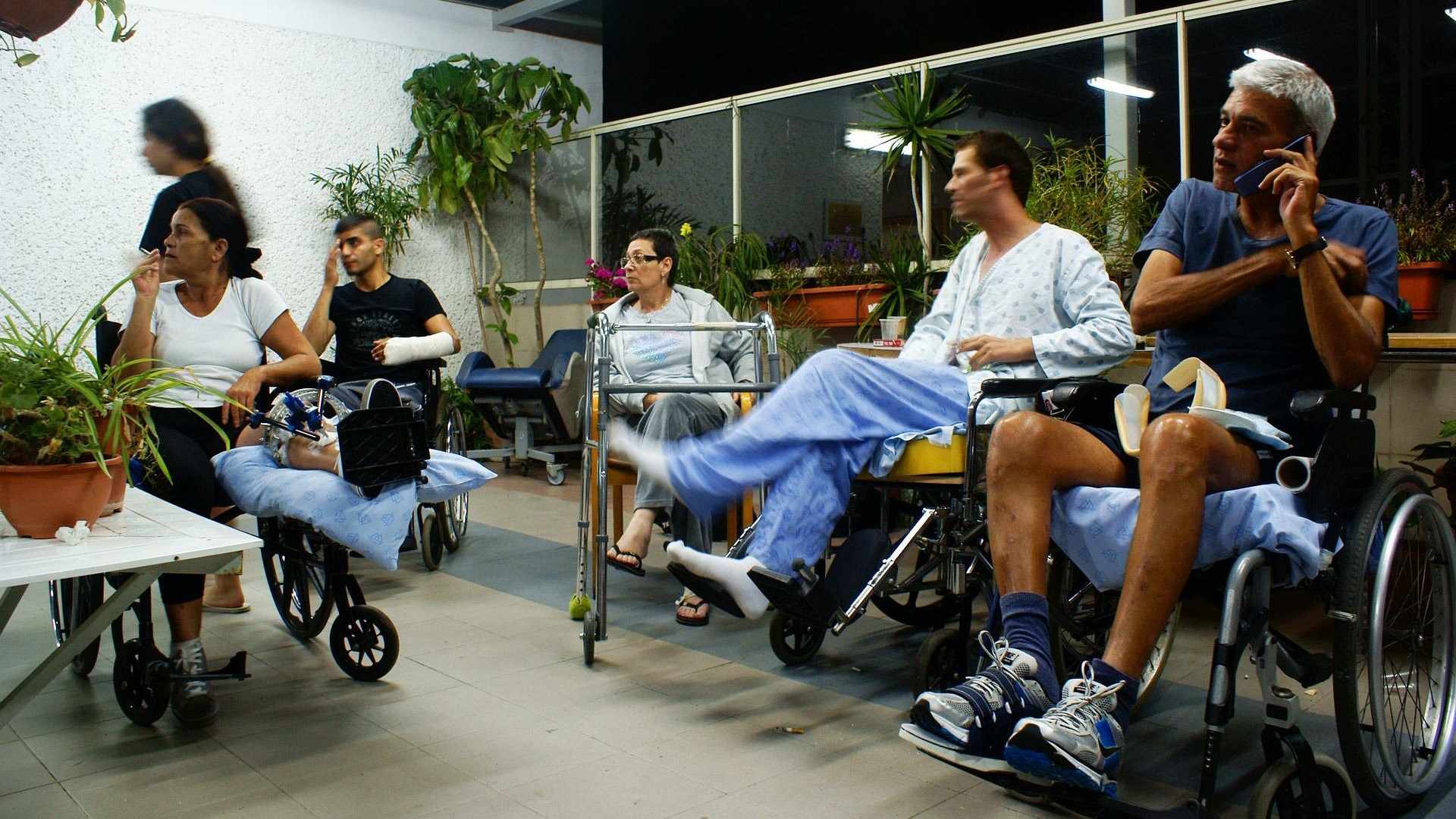
New stroke guidelines say recovery exercises do not always need to wait until someone leaves the hospital.
They can begin gently when the person is medically stable.
This might include changing position, sitting with help, checking swallowing and practising small movements.
It does not mean forcing the person to stand or walk too soon.
Doctors must adjust activities to the stroke’s severity and the patient’s condition.
Walking is only one part of recovery because people may also have trouble speaking, thinking, swallowing or feeling energetic.
Depression and anxiety can make rehabilitation harder and should be noticed early.
Families need help learning how to support the person safely at home.
Recovery can take months and may improve in stops and starts.

The 2026 American Heart Association/American Stroke Association guidelines say rehabilitation can begin before hospital discharge.
Rehabilitation may start once a patient is medically stable, including after clot-dissolving treatment or catheter-based clot removal.
Early rehabilitation involves controlled activities such as positioning, supported sitting, swallowing assessment and simple movements—not aggressive mobilisation.
Recovery must address speech, swallowing, thinking, fatigue, mental health and daily activities, not just walking ability.
Rehabilitation continues after discharge, with caregiver education and changing goals as recovery progresses.
- Who
- Adults recovering from stroke, their families and rehabilitation clinicians; the guidance was issued by the American Heart Association and American Stroke Association.
- What
- The revised guidance recommends beginning individualized stroke rehabilitation as soon as the patient is medically stable, while avoiding overly aggressive mobilisation.
- Where
- In the hospital initially, followed by continued rehabilitation at home or in later care settings after discharge.
- When
- The guidelines were published on August 27, 2026; rehabilitation may begin during the hospital stay when medically appropriate.
- Why
- Early, carefully paced rehabilitation may help address movement, communication, swallowing, cognition and everyday independence while reducing problems associated with prolonged immobility.
Key facts
- Guidance
- 2026 American Heart Association/American Stroke Association Guidelines for Adult Stroke Rehabilitation and Recovery
- Publication
- Published August 27, 2026
- Starting point
- Rehabilitation can begin once the patient is medically stable
- Early activities
- Positioning, supported sitting, swallowing assessment, maintaining movement and simple functional activities
- Important distinction
- Early rehabilitation does not mean aggressive mobilisation
- Recovery focus
- Movement, speech, swallowing, cognition, fatigue, mental health and everyday function
- After discharge
- Rehabilitation continues, with caregiver education and evolving goals
Quotes
Dr Vinit Suri
Senior consultant in neurology at Indraprastha Apollo Hospital, Delhi
“Stroke rehabilitation can start as soon as the patient is medically stable, including soon after an emergency clot-dissolving procedure by drugs or a removal procedure via catheter to restore blood flow to the brain.”
 indianexpress.com
Sources
Related news

New Stroke Guidelines Call for Rehabilitation Within 48 Hours
Early Stroke Rehabilitation Supports Mobility and Long-Term Independence

How Rehabilitation Helps People Return to Community Life

Why Physiotherapy Recovery Can Become a Mental Battle

India's First Neuro-Oncology Rehabilitation Centre Opens in Mumbai

Specialised Physiotherapy Expands Beyond Injury Treatment

Pune Runner’s Death Highlights Cardiac Arrest Risks After Angioplasty
World Physiotherapy Day 2026 Highlights Seven Heart-Healthy Exercises
Blood Pressure Reading of 137/86: What It Means

Body Signals That Show When You Need More Rest