1 hr ago
Britain’s Union Faces Mounting Pressure From Devolution Leaders

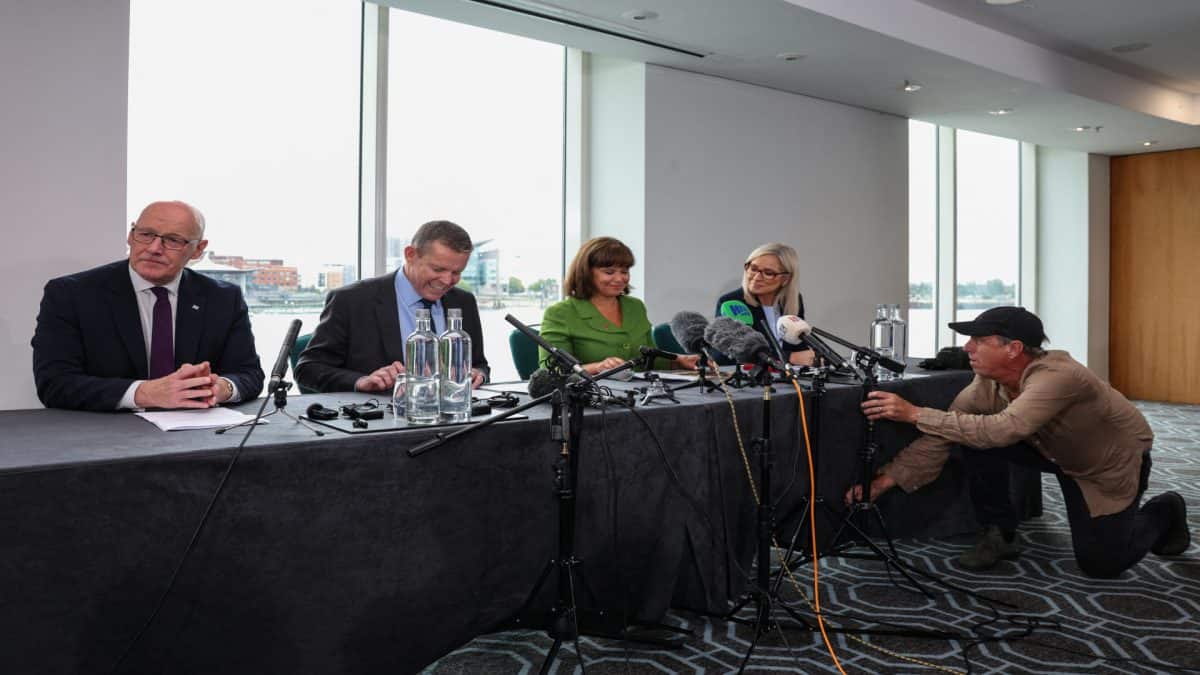
Leaders from Scotland, Wales and Northern Ireland met to discuss their nations’ futures.
Their political parties support breaking away from the United Kingdom in different ways.
This does not mean the United Kingdom will definitely break apart.
Scotland voted against independence in 2014, and another vote has been resisted by the United Kingdom government.
Northern Ireland has special rules for a possible border poll.
Wales is not yet as close to an independence vote.
The debate is becoming more common and important in mainstream politics.
Supporters of the Union say it can provide stability and prosperity.
Independence supporters say their nations should have more control and respect for their democratic choices.
The future may depend on whether Westminster can renew the Union through cooperation rather than refusal.

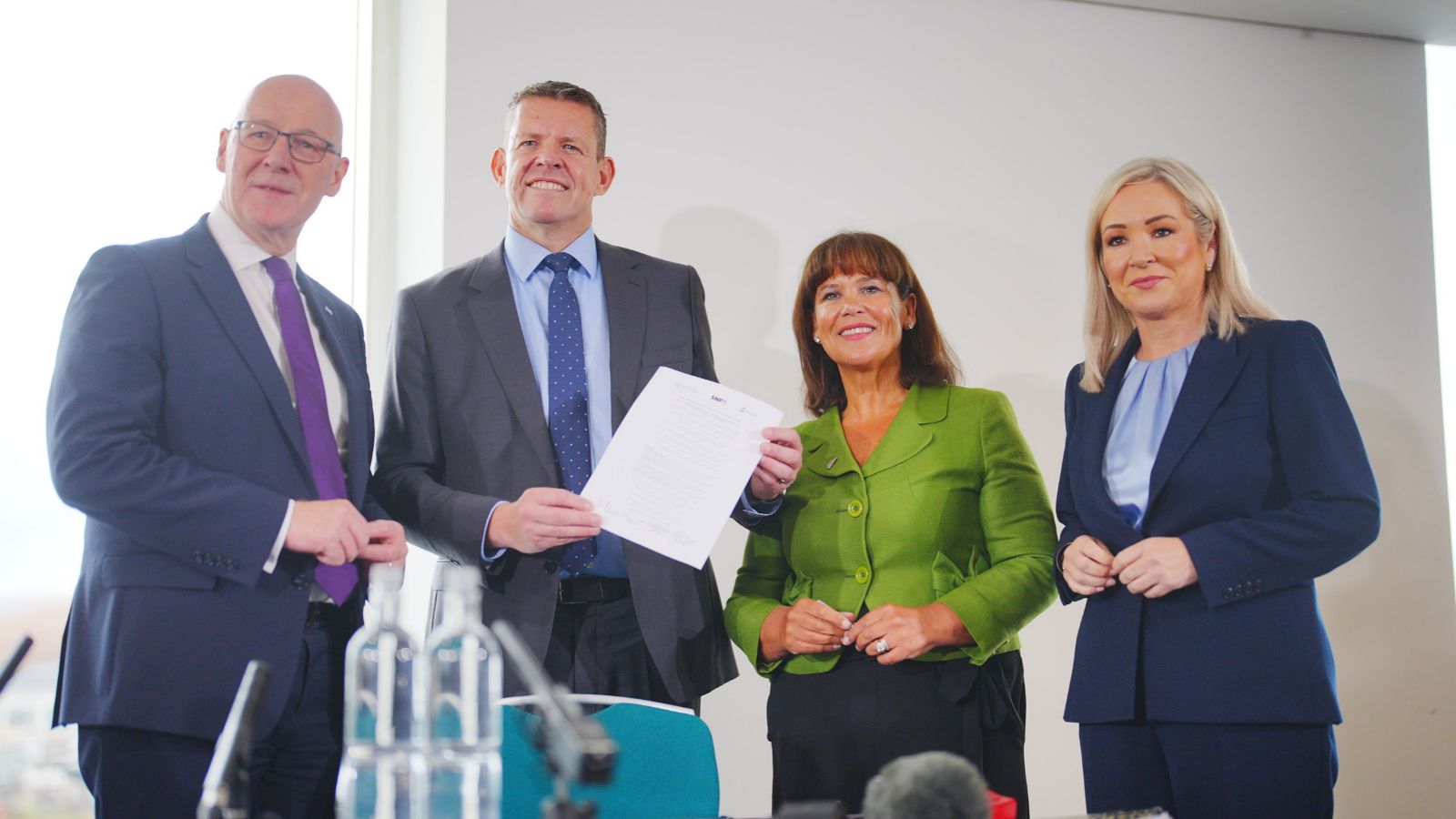
John Swinney, Rhun ap Iorwerth and Michelle O’Neill lead devolved governments whose parties favor different forms of separation from the United Kingdom.
Scotland rejected independence in 2014, while the United Kingdom government has resisted holding another referendum.
Northern Ireland has a Good Friday Agreement framework for a border poll under specified circumstances; Wales is further from an independence vote.
The article argues that independence has moved into mainstream political debate as confidence in the Union’s permanence weakens.
Both Westminster and nationalist governments face pressure to show that their preferred constitutional arrangements can deliver effective government and prosperity.
- Who
- John Swinney, Rhun ap Iorwerth and Michelle O’Neill, alongside the devolved governments and parties they lead or represent.
- What
- The leaders’ meeting highlighted growing political challenges to the United Kingdom’s constitutional Union and renewed debate over autonomy and independence.
- Where
- The issue concerns Scotland, Wales, Northern Ireland and Westminster within the United Kingdom.
- When
- The article does not provide a date for the meeting; it notes that Scotland rejected independence in 2014 and refers to the current Senedd term.
- Why
- Influential political forces in three nations increasingly question the permanence of the Union, while devolution has created institutions able to press those demands.
Union Supporters
Independence Advocates
Constitutional future
Union Supporters
The United Kingdom can continue accommodating national identities through devolution and a renewed Union.
Independence Advocates
Scotland, Wales and Northern Ireland should be able to pursue greater autonomy or independence when their electorates support it.
Economic case
Union Supporters
Remaining in the United Kingdom may offer a framework for prosperity, but its defenders must demonstrate that it serves each nation’s interests.
Independence Advocates
Support for independence requires credible plans for public finances, trade, currency, debt, energy and social security.
Westminster’s response
Union Supporters
Resisting further constitutional change can preserve the existing Union and avoid uncertainty.
Independence Advocates
Treating demands for autonomy as threats could deepen grievances and strengthen separatist sentiment.
Key facts
- Meeting participants
- John Swinney, Rhun ap Iorwerth and Michelle O’Neill
- Political positions
- Their governing parties favor breaking with the United Kingdom in different ways.
- Scotland’s 2014 vote
- Scotland voted against independence.
- Northern Ireland framework
- The 1998 Good Friday Agreement provides for a border poll under specified circumstances.
- Wales
- Plaid Cymru previously ruled out an independence referendum during the current Senedd term.
- Central challenge
- Westminster must decide whether to renew the Union through consent and accommodation or rely on refusal.
Sources
Related news
Scotland, Wales and Northern Ireland Leaders Challenge UK Unity

Scotland, Wales and Northern Ireland Leaders Seek Referendum Rights

Cardiff Meeting Reopens Debate Over United Kingdom’s Formation
Scotland, Wales and Northern Ireland Leaders Sign Devolution Deal

Scottish, Welsh and Northern Irish Leaders Discuss Independence

Scotland, Wales and Northern Ireland Parties Demand UK Exit
Scotland, Wales and Northern Ireland Renew UK Breakup Debate
Burnham’s English Devolution Plan Deepens UK Breakup Debate