

1 hr ago
Scotland, Wales and Northern Ireland Renew UK Breakup Debate
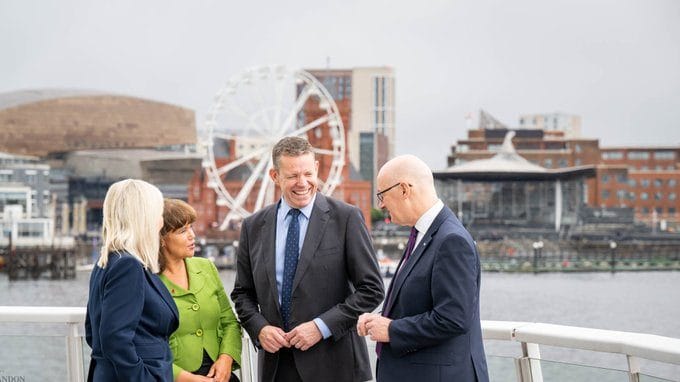
Leaders from Scotland, Wales and Northern Ireland want the United Kingdom to prepare for possible constitutional changes.
They signed an agreement asking the UK government to help organize future votes.
These leaders support greater independence or different constitutional arrangements for their nations.
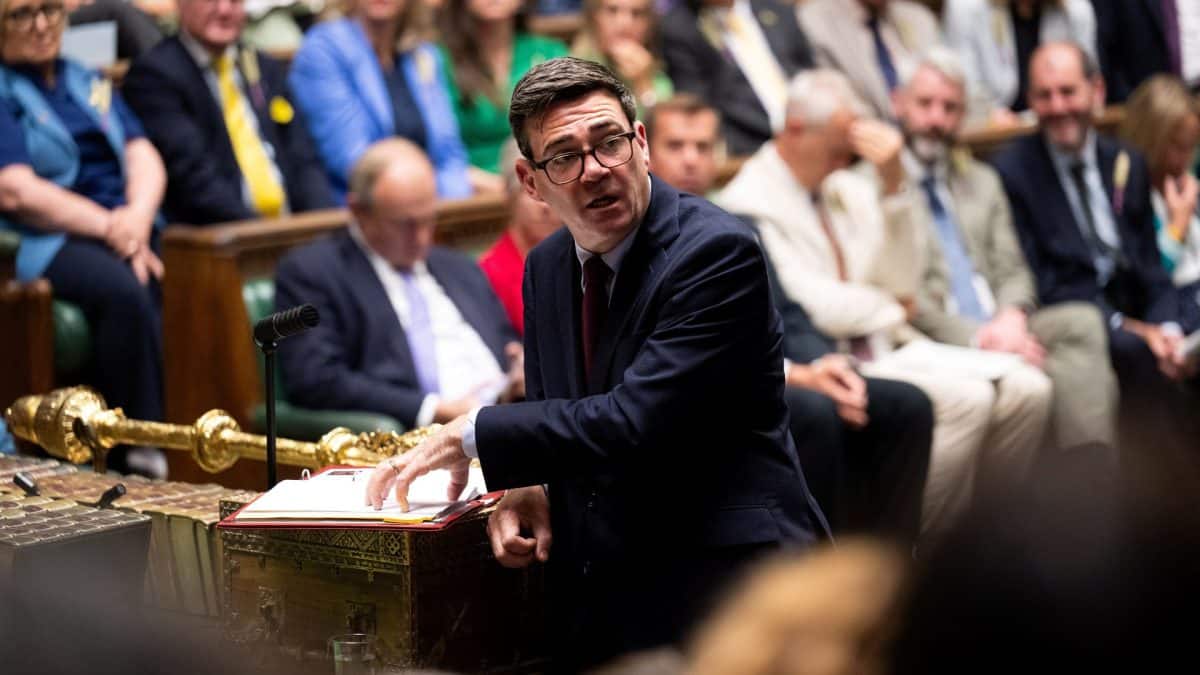
Andy Burnham first appeared to leave room for a Scottish referendum but later rejected the idea for now.
Scotland already held an independence vote in 2014, when most voters chose to remain in the United Kingdom.
Northern Ireland’s possible future vote would concern reunification with Ireland.
Wales has held votes about gaining more powers for its legislature.
In the UK, Parliament must approve the rules for each referendum.
Referendums advise Parliament politically but are not automatically legally binding.

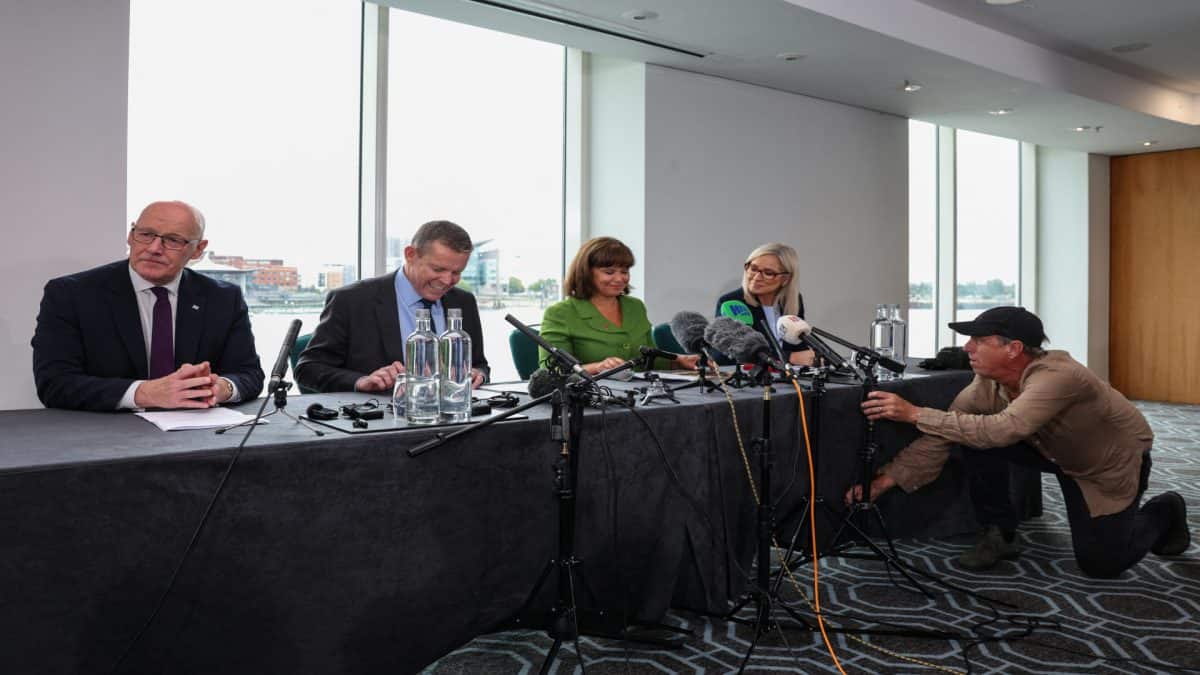
Scotland, Wales and Northern Ireland signed a memorandum calling on London to facilitate constitutional change.
The agreement followed uncertainty over Andy Burnham’s comments about possible Scottish and Northern Irish referendums.
Burnham later said a second Scottish independence referendum was “off limits” because no consensus exists.
Scotland voted against independence in 2014 by 55% to 45%.
The United Kingdom has no permanent process for holding nationwide referendums; Parliament must authorize each vote.
- Who
- The first ministers of Scotland, Wales and Northern Ireland, UK Prime Minister Andy Burnham, and the governments of the three nations.
- What
- Scotland, Wales and Northern Ireland signed an agreement urging the United Kingdom to prepare for and facilitate constitutional referendums or other constitutional change.
- Where
- The memorandum was signed in Cardiff, Wales.
- When
- The memorandum was signed on Monday; the dispute followed remarks made the previous week. Scotland’s last independence referendum was held in 2014.
- Why
- The devolved governments want their nations’ constitutional futures to be addressed, including Scottish and Welsh independence and possible Irish reunification for Northern Ireland.
Devolved Independence Leaders
United Kingdom Government
Calls for constitutional votes
Devolved Independence Leaders
Leaders in Scotland, Wales and Northern Ireland argue that the UK government should prepare, plan and facilitate constitutional change.
United Kingdom Government
Andy Burnham says there is no current consensus for another Scottish independence referendum and that it is therefore off limits.
Different constitutional futures
Devolved Independence Leaders
The Scottish National Party and Plaid Cymru support independence for Scotland and Wales, while Sinn Féin supports Irish reunification for Northern Ireland.
United Kingdom Government
The UK government emphasizes that Scotland and Northern Ireland have different constitutional arrangements and histories, and says there is no clear evidence that a majority in Northern Ireland currently wants to leave the United Kingdom.
Role of referendums
Devolved Independence Leaders
The three first ministers’ memorandum presents coordinated constitutional pressure as evidence that Westminster should respond to demands from the devolved nations.
United Kingdom Government
Under the UK system, Parliament remains sovereign and must separately authorize referendum legislation; even referendum results do not automatically change the law.
Key facts
- Memorandum signatories
- Scotland, Wales and Northern Ireland
- Location of signing
- Cardiff
- Scotland’s 2014 result
- 55% voted against independence and 45% voted in favor
- Burnham’s later position
- A second Scottish independence referendum is “off limits” without consensus
- Northern Ireland’s constitutional issue
- Whether it should remain in the United Kingdom or reunify with Ireland
- Nationwide referendum framework
- Parliament must authorize each United Kingdom-wide referendum through primary legislation
- Referendum status
- UK referendums are advisory and not automatically legally binding
Quotes
Scotland-Wales-Northern Ireland memorandum of understanding
Joint statement signed by the three devolved administrations
“For the first time ever, people across these islands have First Ministers in Scotland, in Wales and in the North of Ireland who are all committed to independence from the United Kingdom.”
 theprint.in

Andy Burnham
UK prime minister cited in the article responding to John Swinney
“In my remarks I was simply highlighting that there is no consensus for an independence referendum in Scotland and nor is there a clear basis to suggest that a majority of people in Northern Ireland presently wish to separate from the United Kingdom”
theprint.in
Sources
Related news

Scotland, Wales and Northern Ireland Leaders Seek Referendum Rights
Scottish, Welsh and Irish Parties Unite to Demand Self-Determination
Burnham’s English Devolution Plan Deepens UK Breakup Debate
Cardiff Meeting Reopens Debate Over United Kingdom’s Formation

Scottish, Welsh and Northern Irish Leaders Discuss Independence
