2 hrs ago
Cardiff Meeting Reopens Debate Over United Kingdom’s Formation
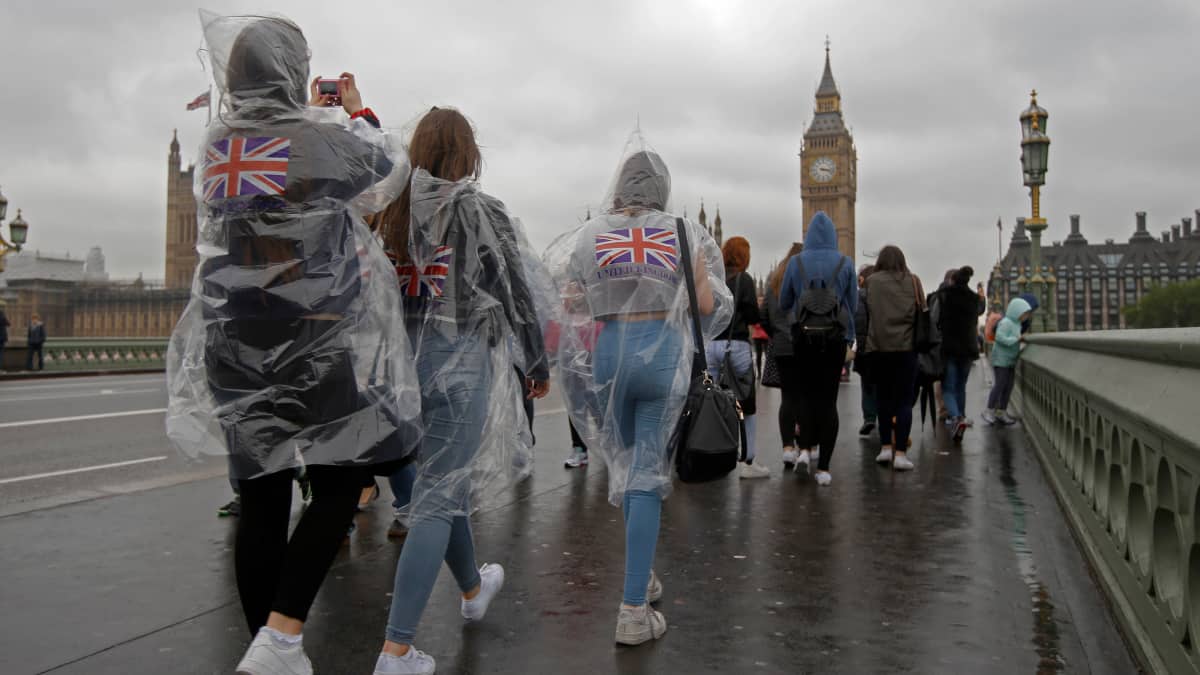
The United Kingdom is one country made up of England, Wales, Scotland and Northern Ireland.
Great Britain is different because it includes only England, Scotland and Wales, not Northern Ireland.
Wales was conquered and later legally joined to England.
Scotland kept its independence for a long time but joined England in 1707.
Ireland joined the union in 1801.
After conflict, most of Ireland became independent, while Northern Ireland stayed in the United Kingdom.
Today, some leaders in Wales, Scotland and Northern Ireland want their countries to have the right to leave the UK.
They are meeting in Cardiff to discuss that possibility.
Brexit increased disagreements because Scotland and Northern Ireland voted to remain in the European Union.

The leaders of Wales, Scotland and Northern Ireland are meeting in Cardiff on September 14 to discuss constitutional change and independence.
The United Kingdom consists of England, Wales, Scotland and Northern Ireland, while Great Britain includes England, Scotland, Wales and surrounding islands.
Wales was incorporated into England through laws passed under Henry VIII, while Scotland joined England through the 1707 Acts of Union.
Ireland joined the United Kingdom in 1801, but most of the island later left after partition, with Northern Ireland remaining in the UK.
Brexit deepened constitutional tensions, as Scotland and Northern Ireland voted to remain in the European Union while independence support has since grown.
- Who
- Rhun ap Iorwerth, John Swinney and Michelle O’Neill, representing Wales, Scotland and Northern Ireland, are meeting to discuss constitutional change.
- What
- The leaders are expected to sign a memorandum calling on Westminster to prepare, plan and facilitate possible constitutional change.
- Where
- The meeting is taking place in Cardiff, Wales.
- When
- The meeting is scheduled for September 14; the union of England and Scotland was created in 1707, and Ireland joined the union in 1801.
- Why
- The leaders want to discuss self-determination and independence amid renewed debate over the future of the United Kingdom.
Independence Supporters
Union Supporters
Right to self-determination
Independence Supporters
Wales, Scotland and Northern Ireland should be able to seek independence and have Westminster facilitate constitutional change.
Union Supporters
The existing United Kingdom should remain intact, with constitutional change subject to the UK-wide political process.
Westminster government
Independence Supporters
John Swinney said the Westminster system is not fit for purpose and does not work for ordinary people.
Union Supporters
The UK government has rejected a repeat of the 2014 Scottish independence referendum, calling it off limits.
Brexit and national preferences
Independence Supporters
Independence supporters point to Scotland’s and Northern Ireland’s votes to remain in the European Union as evidence of different national priorities.
Union Supporters
Union supporters maintain the existing political union despite differing referendum results among its constituent nations.
Key facts
- United Kingdom
- The sovereign state made up of England, Wales, Scotland and Northern Ireland.
- Great Britain
- The collective name for England, Scotland, Wales and their surrounding islands; it excludes Northern Ireland.
- 1707 union
- The parliaments of England and Scotland passed the Acts of Union, creating one nation.
- 1801 union
- The United Kingdom of Great Britain and Ireland was formally created.
- Irish partition
- After conflict, the northern part of Ireland remained in the UK while the southern region became independent.
- Brexit referendum
- Scotland and Northern Ireland voted to remain in the European Union; Northern Ireland’s result was reported as 56% to 44%.
- Reported polling
- The article says support for independence stood at 47% in Scotland, 36% in Northern Ireland and 32% in Wales.
Quotes
Christopher Whatley
Professor of Scottish history at the University of Dundee and author of The Scots and the Union: Then and Now
“There is a growing consensus that the Westminster system simply is not fit for purpose and does not work for ordinary people. Prime Minister Andy Burnham has accepted that himself — and the people of Scotland, Wales and Northern Ireland have made it clear at the ballot box.”
 firstpost.com
“The Scots recognized that the Realpolitik, if you like, of the situation was that if they were to establish markets overseas, contacts overseas, they needed the support of a stronger maritime power, which was England,”
firstpost.com