

1 day ago
Scotland, Wales and Northern Ireland Leaders Challenge UK Unity
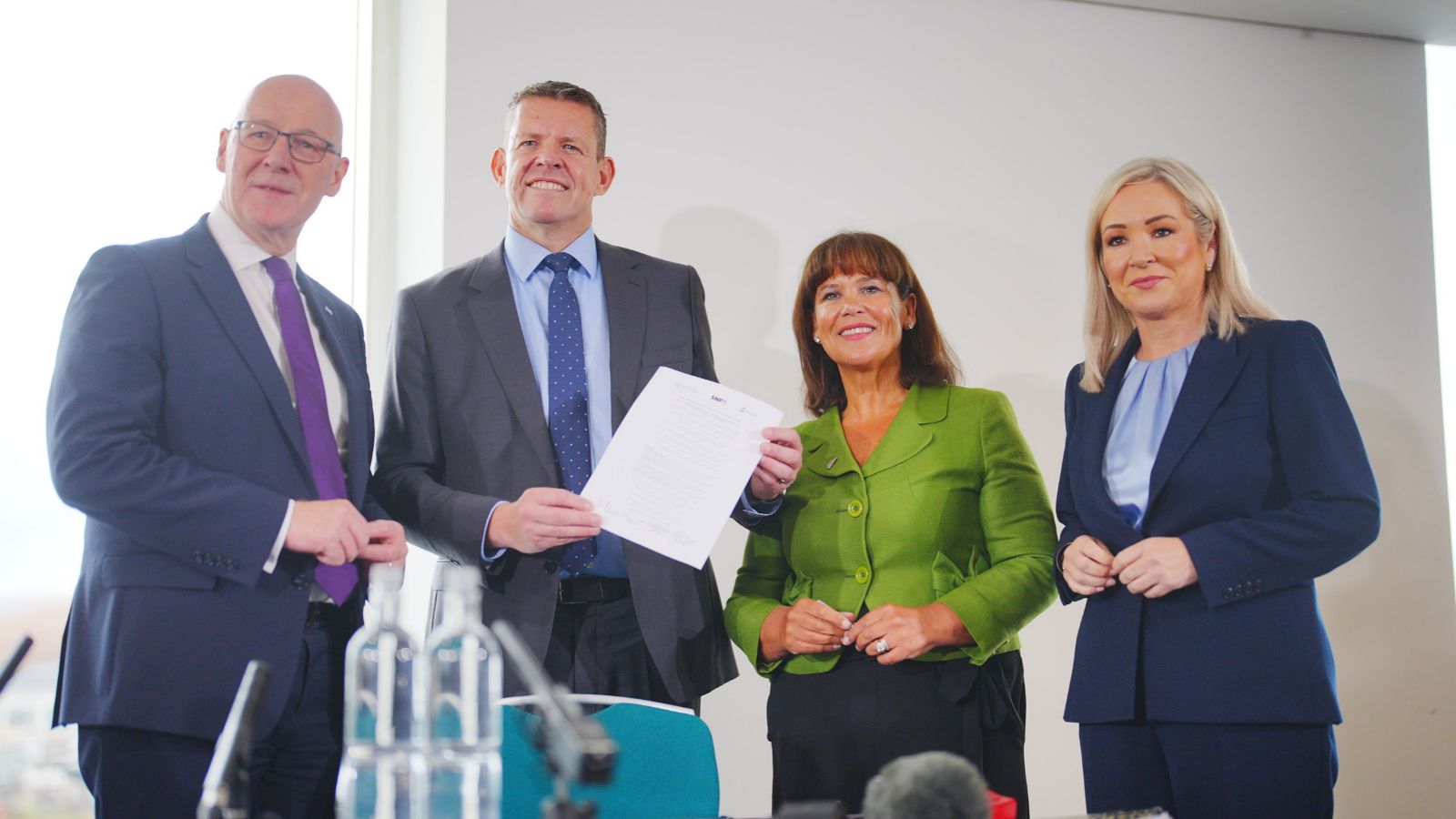
The leaders of Scotland, Wales and Northern Ireland signed a joint agreement about their countries’ futures.
They want the UK government to discuss possible changes to how the United Kingdom is organized.
Scotland’s leader wants another vote on becoming independent.
Northern Ireland’s leader wants a vote on joining a united Ireland.
Wales’s leader did not give a timetable for an independence vote.
The agreement does not legally change anything.
The UK government said it remains committed to keeping the United Kingdom together.
A unionist politician in Northern Ireland criticized the agreement.
An expert said the pact may be more important for cooperation among the three governments than for immediately breaking up the UK.

The leaders of Scotland, Wales and Northern Ireland signed an agreement urging the UK government to prepare for possible constitutional change.
They said their nations’ futures belong in the European Union and called for recognition of their right to determine their constitutional arrangements.
Scotland’s John Swinney backed another independence referendum, while Northern Ireland’s Michelle O’Neill called for an Irish-unification vote.
The agreement has no legal force, and Prime Minister Andy Burnham’s spokesperson said it posed no immediate threat to the United Kingdom.
The pact followed renewed debate over Irish reunification and drew criticism from Northern Ireland’s Democratic Unionist Party.
- Who
- The first ministers of Scotland, Wales and Northern Ireland, including John Swinney, Rhun ap Iorwerth and Michelle O’Neill, signed the agreement.
- What
- They signed a memorandum calling on the UK government to prepare for constitutional change and recognize their right to determine their constitutional arrangements.
- Where
- The agreement concerns Scotland, Wales, Northern Ireland and their relationship with Westminster and the United Kingdom.
- When
- The agreement was signed on Monday, about 48 hours after Donald Trump commented on Irish reunification.
- Why
- The leaders said their nations’ futures are tied to Europe and argued that they should be able to decide their own constitutional futures.
Pro-Change Leaders
Unionist and UK Government Voices
Constitutional choice
Pro-Change Leaders
The leaders of Scotland, Wales and Northern Ireland said their nations should have the right to determine their constitutional arrangements.
Unionist and UK Government Voices
The UK government said the agreement posed no immediate threat and that it remains committed to the United Kingdom.
Referendums
Pro-Change Leaders
John Swinney called for another Scottish independence referendum, while Michelle O’Neill called for an Irish-unification referendum.
Unionist and UK Government Voices
Andy Burnham said a Scottish referendum would require a clear consensus, then wrote that another vote was off limits; the British government said the threshold for an Irish-unification referendum had not been met.
Meaning of the pact
Pro-Change Leaders
The three leaders described the agreement as a clear challenge to Westminster and said their nations’ futures belong in the European Union.
Unionist and UK Government Voices
Analyst Nicola McEwen said the pact has no legal force and may primarily increase cooperation and negotiating influence among the devolved governments.
Key facts
- Agreement
- A memorandum of understanding signed by the leaders of Scotland, Wales and Northern Ireland.
- Legal status
- The agreement has no legal force.
- Scotland referendum
- Scotland rejected independence in 2014 by 55% to 45%.
- Scottish position
- John Swinney said he believes Scots would vote for independence if another referendum were held.
- Northern Ireland process
- Under the 1998 Good Friday agreement, the UK government must hold a unity referendum if evidence indicates majority support.
- UK government response
- Andy Burnham’s spokesperson said the government remains strongly committed to the United Kingdom.
- Political criticism
- Democratic Unionist Party Deputy First Minister Emma Little-Pengelly accused Michelle O’Neill of weaponizing the first minister’s office.
Quotes
Leaders of Scotland, Wales and Northern Ireland
The political leaders who signed the memorandum of understanding on constitutional change.
“It does keep on the agenda that question about, well, if the United Kingdom is a union based on consent, what is the pathway where it looks like that consent may no longer be there? Any UK government has been very reluctant to engage in that discussion.”
 indianexpress.com
“For people watching across these islands — for people watching around the world — there could be no clearer sign that Westminster’s time is coming to an end”
indianexpress.com
Sources
Related news

Scotland, Wales and Northern Ireland Leaders Seek Referendum Rights
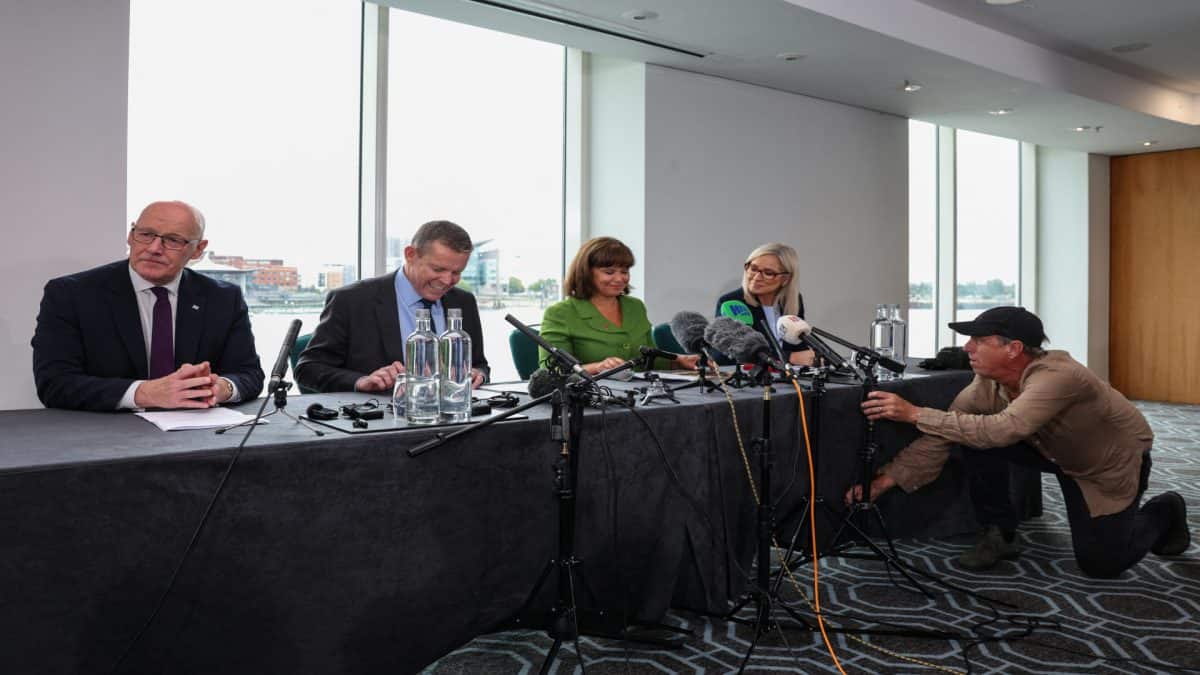
Scottish, Welsh and Irish Parties Unite to Demand Self-Determination

Scottish, Welsh and Northern Irish Leaders Discuss Independence
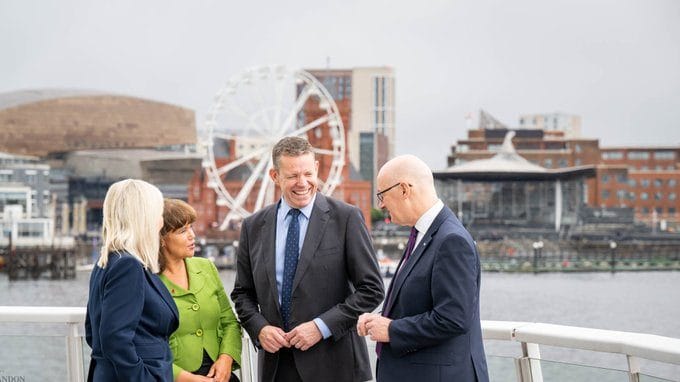
Scotland, Wales and Northern Ireland Renew UK Breakup Debate

Scotland, Wales and Northern Ireland Unite Behind Independence Push
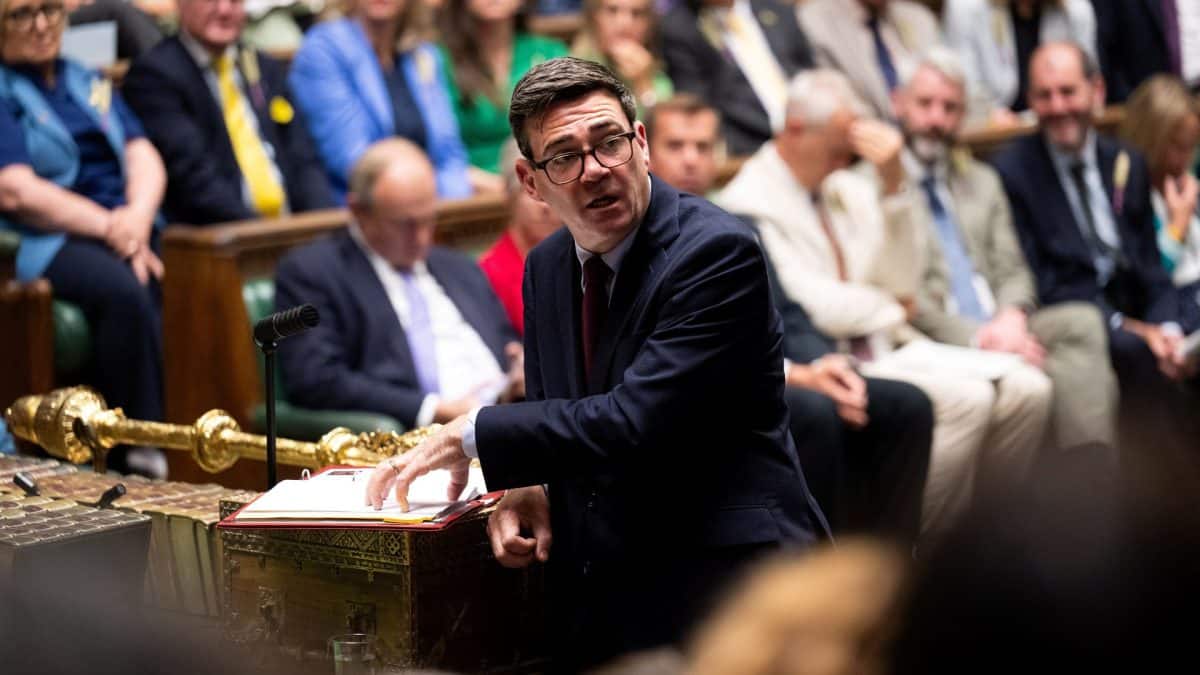
Burnham’s English Devolution Plan Deepens UK Breakup Debate
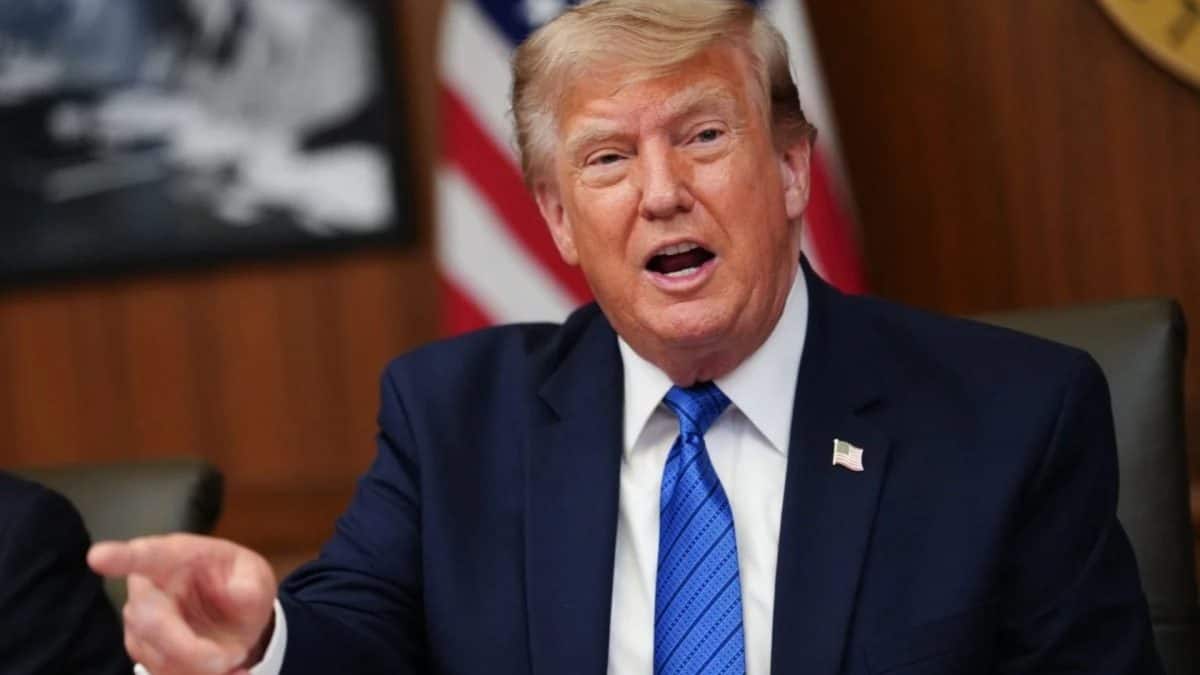
Trump Endorses United Ireland, Then Calls Reunification Uncertain

Four Israeli Athletes Barred From Northern Ireland Triathlon
