1 hr ago
Burnham’s English Devolution Plan Deepens UK Breakup Debate
The United Kingdom is made up of England, Scotland, Wales and Northern Ireland.
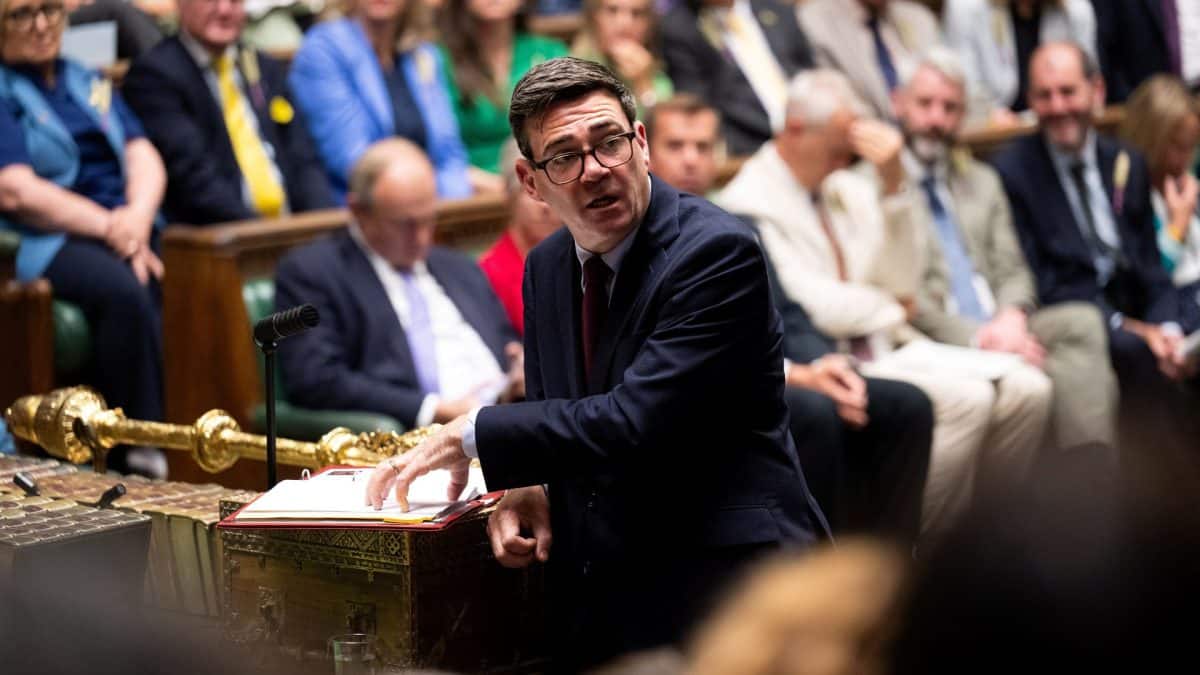
The government wants to give English city mayors more control over money, transport and housing.
Andy Burnham says this could help local economies grow faster.
Leaders in Scotland, Wales and Northern Ireland worry that their countries could receive less attention and power.
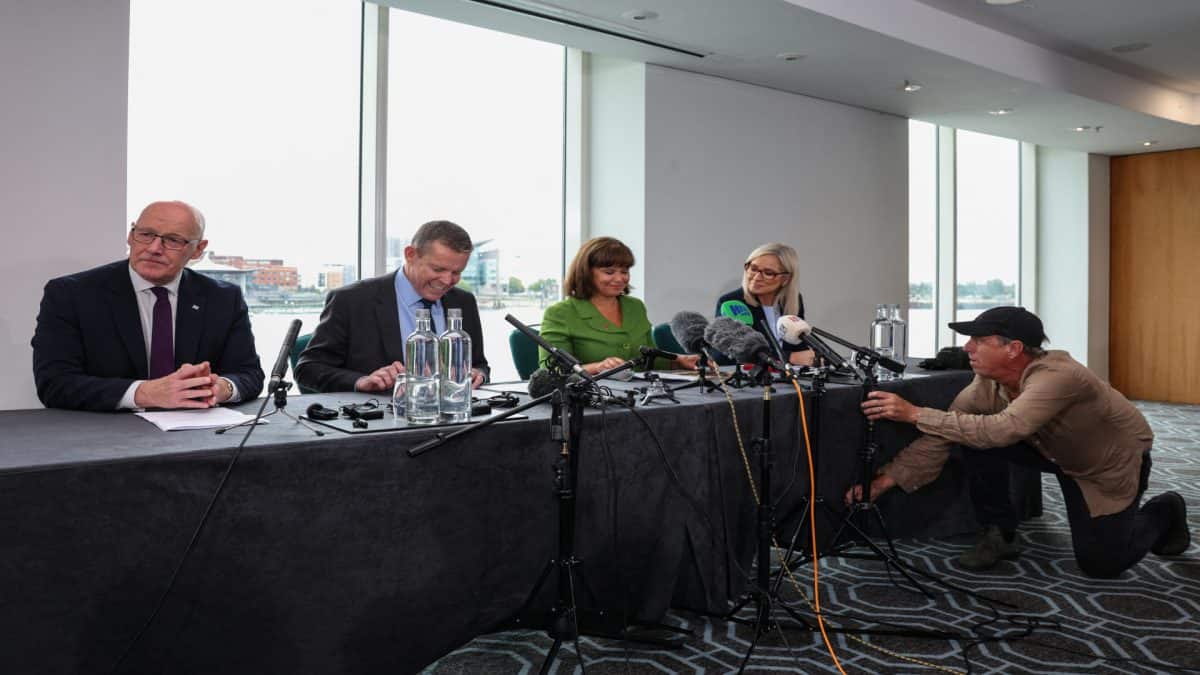
They met in Cardiff to discuss the right of their people to choose their constitutional future.
They also signed an agreement promising closer cooperation between their governments.
Burnham has suggested that a referendum might be possible if there were strong and lasting public support, but Downing Street later said a second Scottish independence vote remains off-limits.
The debate has therefore become a larger argument about whether the United Kingdom should stay together or give its nations more independence.

Leaders from Scotland, Wales and Northern Ireland met in Cardiff to demand pathways for future constitutional referendums.
The leaders signed a memorandum calling for self-determination and closer cooperation that could bypass Westminster.
Prime Minister Andy Burnham promoted expanded powers for English mayors as a way to boost regional growth.
Celtic leaders argue that English regional devolution could marginalize their nations and worsen fiscal inequalities.
The article says independence support is about 47% in Scotland, 32% in Wales and 36% for a united Ireland.
- Who
- Prime Minister Andy Burnham, Scottish First Minister John Swinney, Welsh First Minister Rhun ap Iorwerth, Northern Ireland First Minister Michelle O'Neill and other UK and Irish political leaders.
- What
- A dispute over English devolution has intensified demands from Scotland, Wales and Northern Ireland for greater autonomy and possible future constitutional referendums.
- Where
- The constitutional summit took place in Cardiff, while Burnham hosted business leaders at 10 Downing Street in London.
- When
- The Cardiff summit was described as taking place today; the article says Burnham became prime minister in July.
- Why
- Celtic leaders oppose what they see as England receiving expanded powers while the devolved nations remain constrained by Westminster-controlled funding and constitutional rules.
Celtic Autonomy Advocates
Westminster Devolution Supporters
Purpose of English devolution
Celtic Autonomy Advocates
Leaders in Scotland, Wales and Northern Ireland say expanding English mayoral powers could marginalize the UK’s historic constituent nations by treating them like administrative regions.
Westminster Devolution Supporters
Burnham argues that transferring powers to English mayors will reduce Whitehall delays, attract investment and support economic growth outside London.
Constitutional self-determination
Celtic Autonomy Advocates
The Cardiff leaders say their nations should be able to decide their constitutional futures and want formal pathways to future referendums.
Westminster Devolution Supporters
Downing Street says a second Scottish independence referendum remains off-limits, despite Burnham’s earlier suggestion that he would not permanently block one if sustained public support emerged.
Fiscal powers
Celtic Autonomy Advocates
The devolved governments argue that English mayors should not receive stronger tax and spending powers while Scotland, Wales and Northern Ireland remain dependent on block-grant arrangements.
Westminster Devolution Supporters
The government presents mayoral fiscal powers as practical tools for local transport, housing, skills and regional development rather than as a constitutional challenge to the union.
Key facts
- Cardiff agreement
- The leaders signed a memorandum calling for formal mechanisms and pathways for future constitutional referendums.
- English devolution
- The proposed plan would give combined mayoral authorities control over regional transport budgets, adult skills and housing funds, and a direct share of locally generated income tax.
- Business summit
- Burnham met executives from HSBC, BP, Shell, Rolls-Royce, Aviva and Revolut at Downing Street.
- Scotland
- Support for independence is reported at approximately 47%.
- Wales
- Support for Welsh independence is reported at 32%, described as its highest recorded level.
- Northern Ireland
- Support for a united Ireland is reported at approximately 36%.
- Devolution framework
- The article says the UK remains legally a unitary state, meaning Westminster can theoretically modify or reclaim devolved powers.
Quotes
The leaders of Scotland, Wales, Northern Ireland, and Ireland
Political leaders attending the Cardiff constitutional summit
“Our nations have the right to self-determination. No Westminster government has the right to block democracy or undermine the principle that our people will decide their own future”
 firstpost.com
Sources
Related news

Scotland, Wales and Northern Ireland Leaders Seek Referendum Rights
Scottish, Welsh and Irish Parties Unite to Demand Self-Determination

Cardiff Meeting Reopens Debate Over United Kingdom’s Formation

Trump Reiterates Irish Unification Support, Drawing UK Opposition