1 hr ago
Climate Change Forces Assam Tea Gardens Into New Rhythms
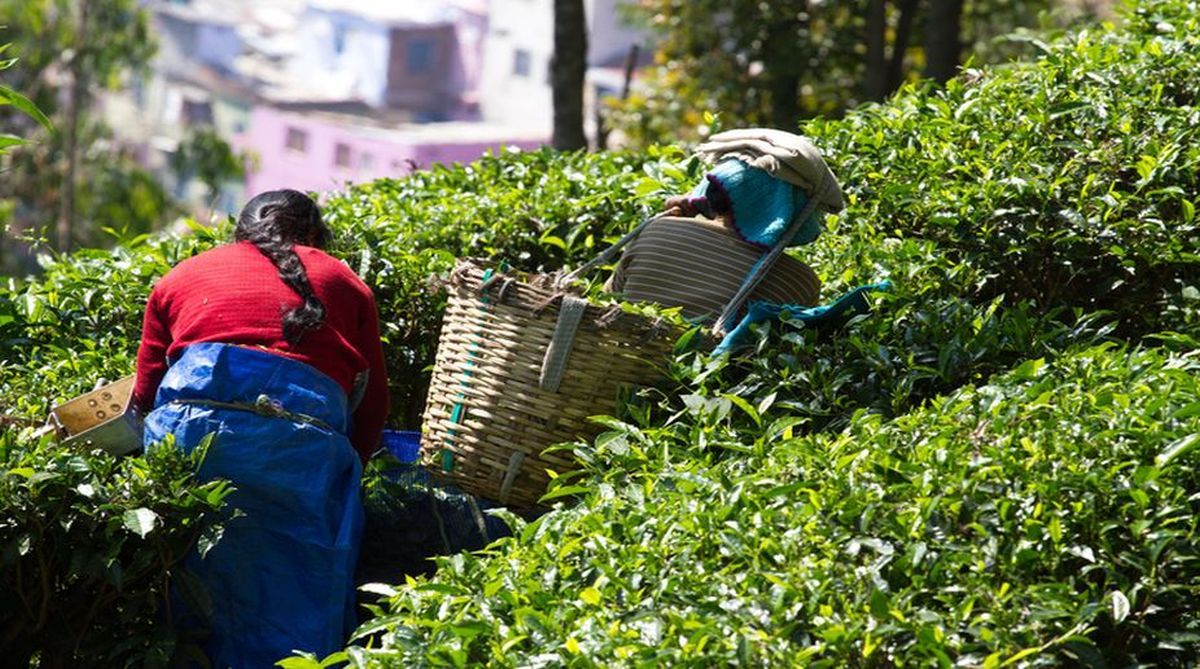
Assam is famous for making tea, but its weather is changing.
Some days are becoming hotter, while rain is arriving at the wrong time or in very large amounts.
Tea plants need a careful balance of warmth, moisture, and humidity to grow well.
Too much heat or water can hurt the plants and change the taste of the tea.
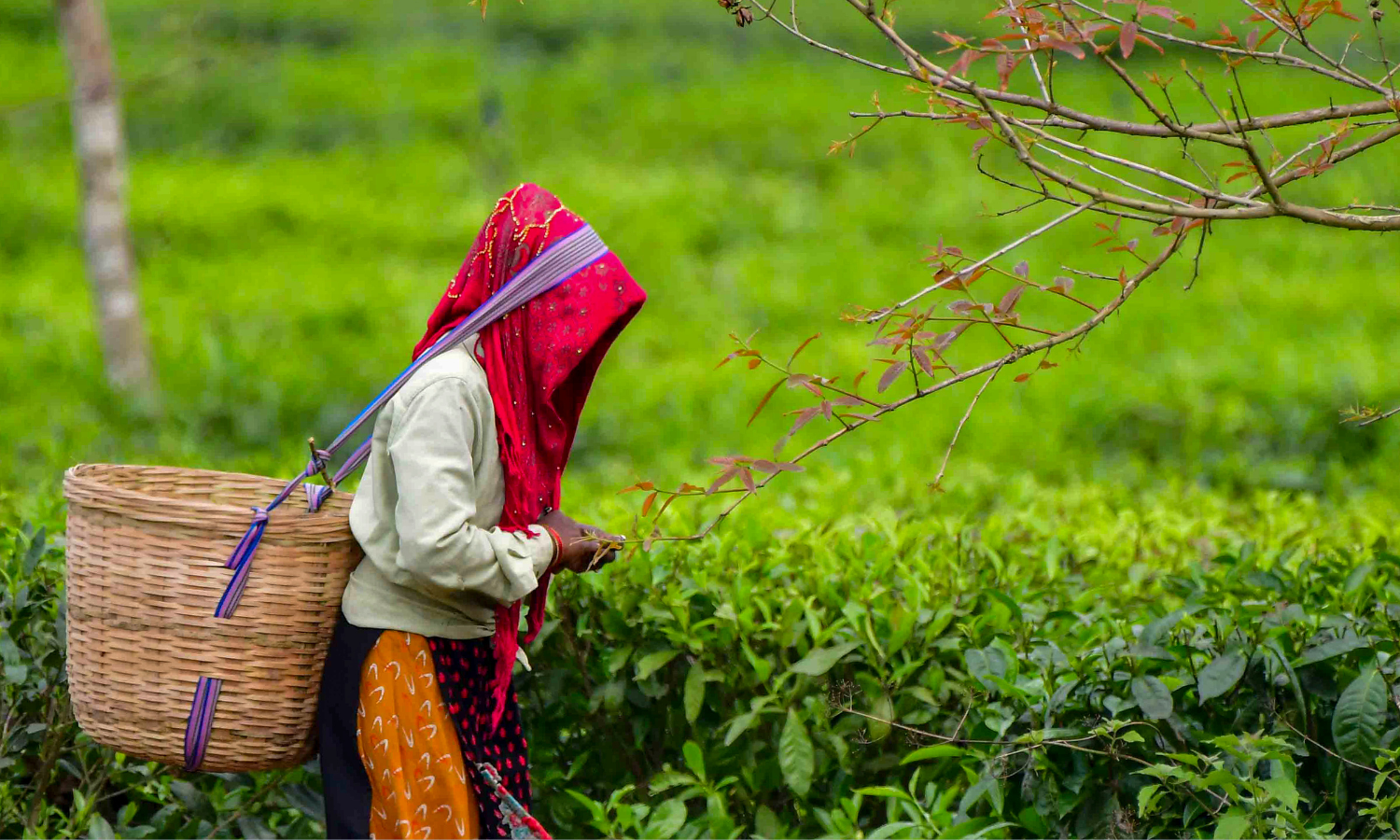
The people who pick the leaves can also become exhausted while working in hot, humid conditions.
Tea prices have fallen, making it harder for gardens to pay for improvements.
Researchers are testing stronger growing methods, shade trees, and better ways to manage water.
Assam tea may survive, but the gardens and workers may need to adapt to a new climate.

A 2026 study of 1996–2025 climate data found rising temperatures and changing rainfall patterns in Assam’s tea-growing regions.
South Bank Assam recorded a significant maximum-temperature rise of about 1.1–1.3°C compared with long-term averages.
Heat above 32°C, irregular rainfall, and prolonged dry periods can reduce tea growth, yields, and quality.
Tea workers face greater heat and humidity stress, while some workers are leaving plantation employment for other opportunities.
Falling auction prices, rising input costs, floods, heat, pests, and diseases are squeezing the industry as researchers test climate-resilient practices.
- Who
- Assam tea plants, plantation workers, tea producers, Tocklai researchers, and the wider tea industry are affected.
- What
- Climate change is bringing higher temperatures, irregular rainfall, worker heat stress, production challenges, and pressure on Assam tea’s yield and quality.
- Where
- Assam’s tea gardens, particularly South Bank Assam, and the Guwahati Tea Auction Centre in India.
- When
- A 2026 study examined climate data from 1996 to 2025; current reporting describes ongoing heat, labour, and price pressures.
- Why
- Rising heat, shifting rainfall, flash floods, higher input costs, pests, diseases, and difficult working conditions are threatening production and profitability.
Key facts
- Study period
- The study examined 30 years of climate data, from 1996 to 2025.
- Temperature change
- South Bank Assam’s maximum temperatures showed a significant rise of about 1.1–1.3°C compared with long-term averages.
- Heat threshold
- Temperatures above 32°C are described as unfavourable for optimum photosynthesis, especially with low humidity.
- Yield impact
- Earlier research estimated that an additional 1°C rise at a monthly average of 28°C could reduce yield by about 3.8%.
- Auction prices
- The average CTC price at the Guwahati Tea Auction Centre fell from ₹264.89 per kg in Sale 26 to ₹221.57 per kg in Sale 34.
- Industry pressures
- The Tea Association of India linked pressure on the industry to falling auction prices, rising input costs, flash floods, excessive heat, pests, and diseases.
- Adaptation efforts
- Tocklai researchers are testing climate-resilient production involving elevated temperatures, carbon dioxide, water stress, shade, and water management.
Sources
Related news
Tea Auction Price Drop Worries Eastern India Planters
Darjeeling Tea Production Plunges 61 Percent, Threatening Industry’s Future
Assam Estate Produces India’s First Commercial Matcha
El Niño-Linked Drought Slashes Nilgiris Tea Production, Farmers Seek Aid
Indian Tea Association Seeks Bengal Support to Revive Tea Industry
Mae Salong Tea Pilgrimage Reconnects Memory, History, and Environmental Costs

Northeastern India Celebrates Ganesha Through Rocks, Folklore, and Nature

Manipur Violence Kills Four as Minister Vows Peace Protection

Assam’s 45-Foot Ganesh Idol Honors Singer Zubeen Garg

Atanu Lahiri Uses Chess to Promote Social Change