

9 hrs ago
El Niño-Linked Drought Slashes Nilgiris Tea Production, Farmers Seek Aid
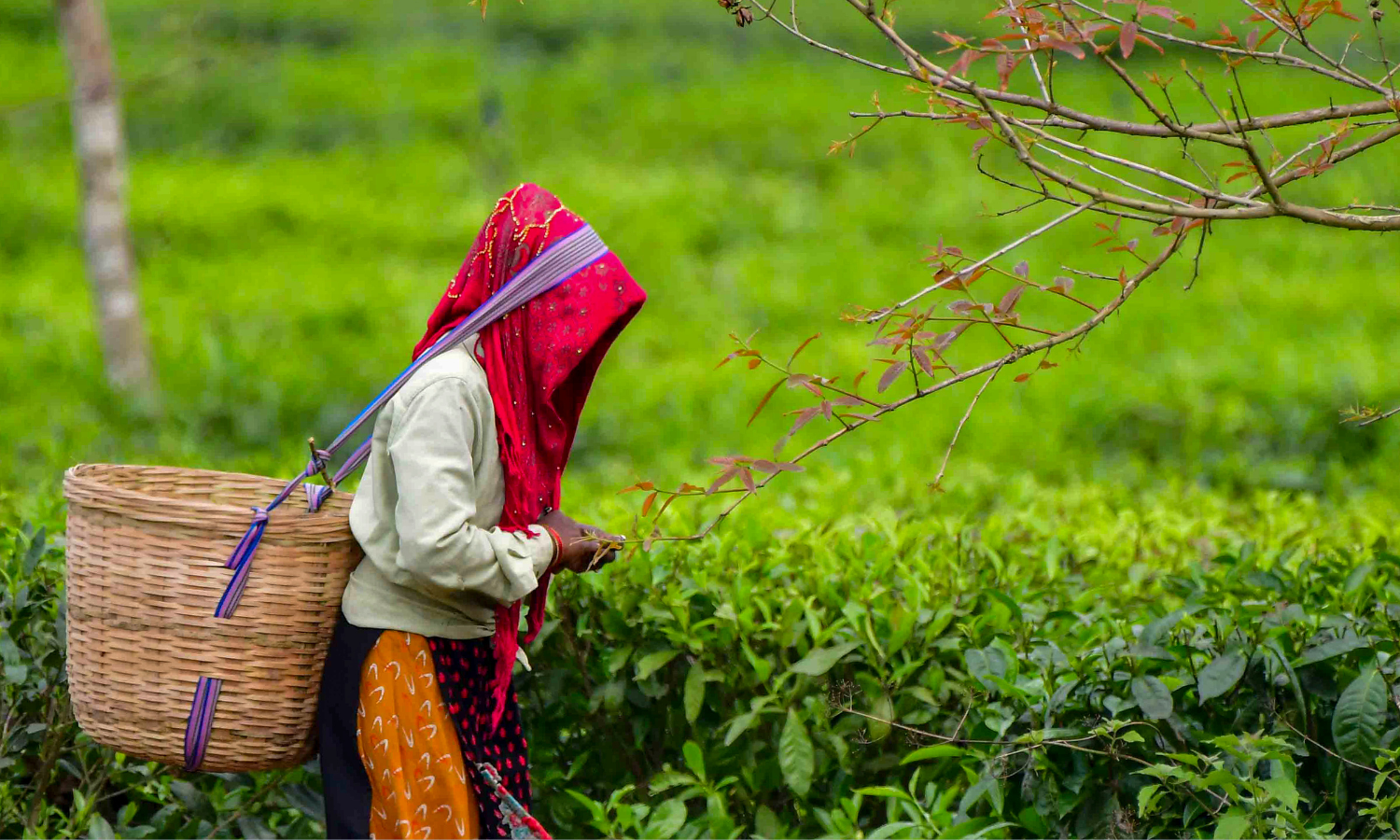
The Nilgiris is a major tea-growing area in Tamil Nadu.
This year, the area has been much hotter and drier than usual.
The dry weather has been linked to El Niño and a failed Southwest Monsoon.
Tea plants need rain to grow new leaves, but many young shoots have dried up.
Factories are receiving far fewer leaves than they normally do.
Overall tea production has fallen by about 10% to 20%, while the amount harvested from some fields has fallen by 60%.
This could hurt farmers, tea workers, factories and local businesses.
Tea prices could rise and exports could fall if the problem continues.
Farmers and factory officials are asking the Tamil Nadu Government for financial and other support.

Green tea leaf deliveries to Nilgiris factories have fallen from about 4,000 kg to 600–800 kg per day.
Tea yield per acre has dropped 60%, while overall district production has declined 10–20% this year.
Nilgiris rainfall fell to 283 mm from a normal 874 mm, creating a reported 55% deficit.
More than 65,000 small and marginal tea farmers face worsening financial pressure from low prices and reduced crops.
Tea factory officials and growers are seeking Tamil Nadu government assistance for affected farmers and agricultural workers.
- Who
- More than 65,000 small and marginal tea farmers, tea-plucking workers, tea factories and other agricultural communities in the Nilgiris are affected.
- What
- Drought and heat have sharply reduced green tea leaf supplies, tea yields and tea powder production.
- Where
- The Nilgiris district of Tamil Nadu, including tea-producing areas around Ooty, Coonoor, Kotagiri and Manjoor.
- When
- The effects are being reported during the current Southwest Monsoon and the Nilgiris' second, or spring, tea season; rainfall and productivity comparisons cover 2021–2025.
- Why
- Prolonged dry conditions, a reported Southwest Monsoon failure and temperatures about 0.5 degrees Celsius higher have damaged young tea shoots; the conditions are attributed to El Niño.
Key facts
- Affected farmers
- More than 65,000 small and marginal farmers are engaged in tea cultivation in the Nilgiris.
- Rainfall deficit
- The district received 283 mm during the current Southwest Monsoon against a normal 874 mm, a reported 55% deficit.
- Long-term rainfall change
- Average rainfall fell from 173.3 cm in 2021 to 119.4 cm in 2025, according to the UPASI Tea Research Institute report.
- Productivity decline
- Tea productivity fell from 2,315 kg per hectare in 2023 to 2,042 kg per hectare in 2025, an 11.8% decline.
- Leaf supply
- Some factories that previously received about 4,000 kg of leaves daily are now receiving around 600–800 kg.
- Production impact
- Overall tea production has declined by 10–20%; experts warned it could fall by as much as 50% if dry conditions continue.
- South India exports
- South India's tea exports declined 4.92% to 96.68 million kg in 2024–25, even as India's overall exports reached 257.88 million kg.
Quotes
Varadarajan
Tea factory official who spoke to ANI
“As far as tea production is concerned, last year in our pack we had produced around 5 lakh kgs of tea. This year there's been almost a 20 to 25 per cent drop in production. Production this year at the beginning of September is only around 4 lakh kg.”
 deccanchronicle.com
“I kindly request the Tamil Nadu government to help both the small tea growers who are totally dependent upon the crop and even the agricultural community to put carrot or any other crop like onions to kindly help them in any form.”
deccanchronicle.com
Sources
Related news

Weak monsoon hits southern TN palm jaggery production, prices soar
Tea Auction Price Drop Worries Eastern India Planters

Nilgiris Hill Farmers Appeal for Irrigation Schemes Amid Rain Deficit

Indian Tea Association Seeks Bengal Support to Revive Tea Industry
Erratic Southwest Monsoon Rains May Leave Nilgiris Parched
Uneven Final Monsoon Rainfall May Shape Kharif Crops, Prices

Very Strong El Niño May Reshape India’s Weather Outlook

WMO Warns El Niño Is Reaching Unprecedented Strength

Sydney Heatwave Raises Extreme Bushfire Risk During Spring
